Congratulations to Laura Milne, Head of #Digital Education at the University of Chester, who has been named the winner of a national award recognising her innovative work, achievements & impact in #learning technology.
More on the #ALT accolade: https://t.co/fpK8DheeKy #ALTC24
@Jac_Potter@suttontrust I know what they mean when they say Mickey Mouse degree, but Disney is an empire, employing specialists and professionals, with a gross profit of $32Bil in 2023! Sounds like good Graduate Outcomes to me
Rethinking delivery and approaches - something so many institutions are doing; @Jac_Potter and I thought through the "learning architecture" side of this in light of making sense of a challenging environment and supporting student success
NEW on Wonkhe: Can larger and fewer modules offer a pedagogic benefit as well as cost savings? Jackie Potter and Laura Milne look at both sides of the block @Jac_Potter@LRMilneWrites https://t.co/FgL8YqSdA0
📣 We're thrilled to share that in this year’s @whatuni Student Choice Awards, we've been named the best in the UK for Postgraduate study, Student Support and International study, and have achieved second place for the prestigious University of the Year award! 🏆🎉
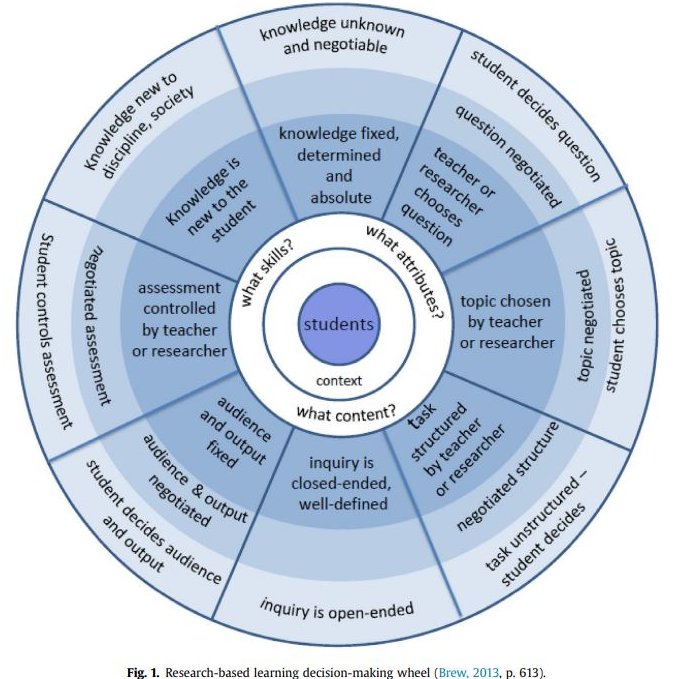
Understanding the scope of undergraduate research:
a framework for curricular and pedagogical
decision-making - Angela Brew
"The wheel model can also be used to analyse or compare particular research-based learning initiatives and for diagnosis of existing practice... It is not designed to describe the nature of research or knowledge. It does not address teacher-centred ways of putting research knowledge into the curriculum
(Healey and Jenkins’ ‘research-led’ category). It assumes students’ active engagement in
research in a number of different ways."
https://t.co/YhLUZvHn2q
“feedback uptake (Carless and Boud 2018), defined in this paper as using feedback information to improve a piece of work, knowledge, understanding, or skills, is mediated by factors related to the context (such as the technology), message, sender, and receiver (Winstone et al. 2017a). Within this, rather than being a neutral or inert backdrop, social, material, spatial, and temporal actors also 'entangle' with learners' agency to engage in feedback uptake oriented dialogues and practices (Gravett 2020) in ways that can influence, serve or constrain it (Tai et al. 2021).”
#SocioMaterial
Looking for a great new role in a lovely city? Come and join us in the Centre for Academic Innovation and Development - applications close on Friday! https://t.co/M2sPLMhG5q
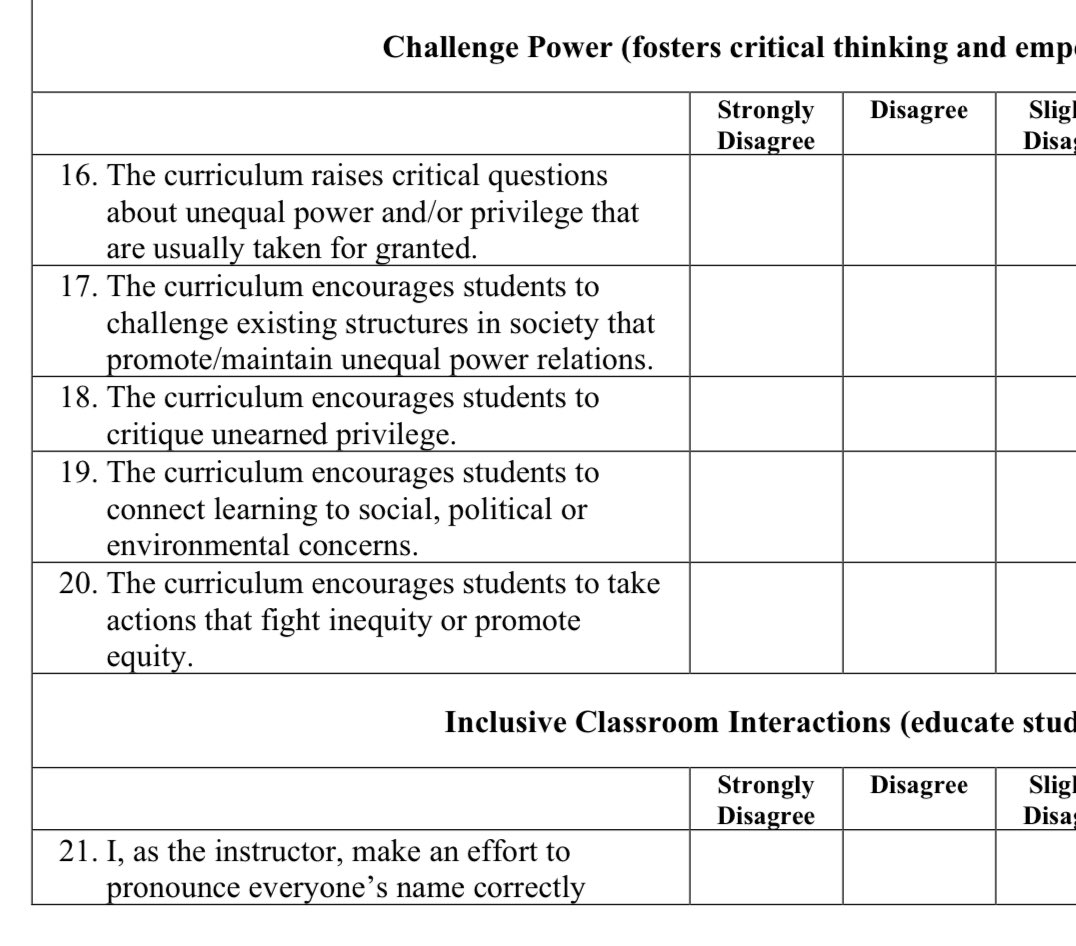
“Academics can use the #CSCS to quickly gather perceptions from all their students, allowing them to document strengths and weaknesses in their own practices from students’ perspectives, track changes from one cohort to another as they introduce changes, and monitor experience gaps between minoritized and majoritised student groups (Thomas & Quinlan, 2023). Gathering students’ views is a vital step in promoting inclusive curricular transformation (Adewumi et al., 2022). Systematically documenting minoritized students’ experiences and the cultural insensitivities they perceive through the CSCS helps academics to see the problems to be addressed.”
I really enjoyed talking with colleagues at @uochester on SoTL. We covered action research,writing together, community, being busy(!), students as partners, reflection, and more. https://t.co/I1BJsdYFST
I’m delivering a session on Creative pedagogies and educational gain at the @QAAtweet Quality Insights Conference next month. Check out the full programme and book your place: https://t.co/QP90IBPn4V #QIconference24
"Too often..time spent..fretting whether people will cheat is time wasted. The danger is that activity design is driven by fear and suspicion..(drawing)..focus away from..(designing)...activities that provide the best route towards learning goals. " https://t.co/mp9aUSIDaa