The LSU Media Effects Lab conducts research on the psychological and social impact of media. This feed shares info on upcoming & past studies, & research news
Interested in becoming a leader in the field of mass communication? Check out what Dr. Gheni Platenburg shared about why she chose the @ManshipSchool for her doctoral degree.
Dr. Platenburg is an assistant professor at @AuburnU. We’re proud to call @G_Platenburg#ManshipMade!
Meet the outstanding and diverse team of JoC Associate Editors (https://t.co/6HCpbRRIvO). Renowned experts in their specific areas of communication research who will work with us to make the ICA's @icahdq flagship journal JoC strive further.
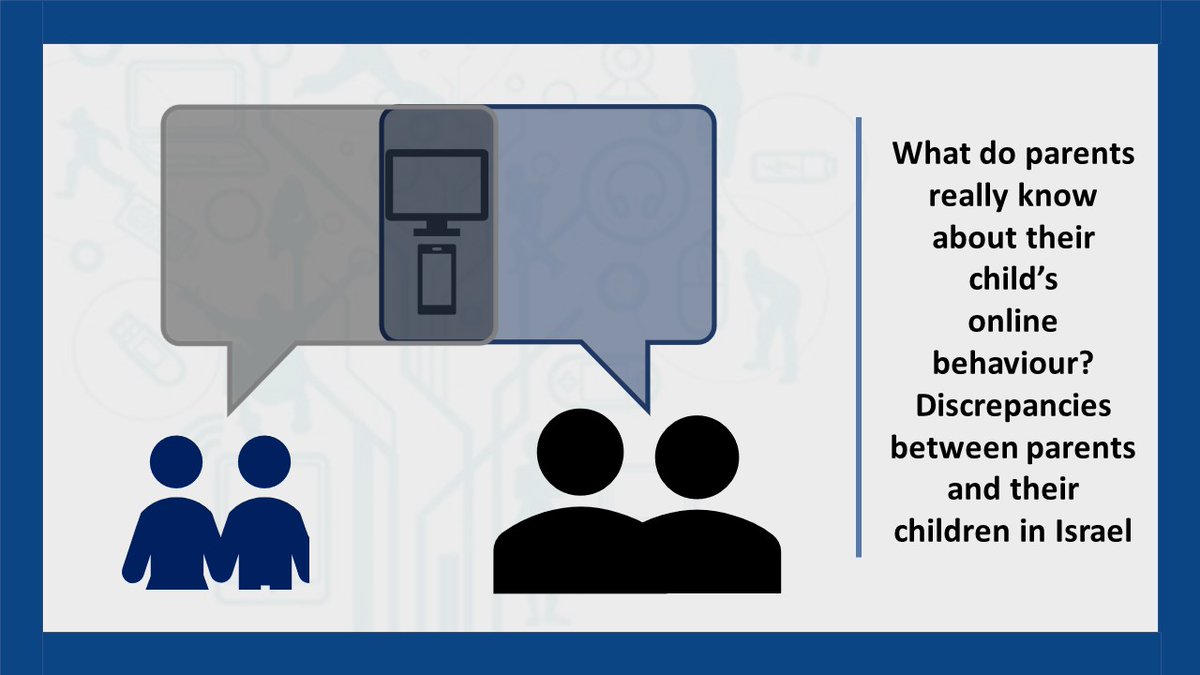
Children who engage in extensive online activities tend to be more at risk➕parents are often not sufficiently informed about the rapidly changing online world.
Thus, both sides could benefit from a child's self-disclosure about their online experiences.
https://t.co/jt4e6sHvaB
From alpha to #omicron: the WHO advised against naming pathogens after their country of discovery in an effort to fight racial prejudice. Yet, some politicians and media outlets continue to refer to Covid-19 as the ‘Chinese virus’ – with what effect? (1/6)
It's Friday, xfx scholars! Share a win, funny video, cute picture, or anything that deserves smiles and praise this week! You keep working hard and doing the thing. You deserve some cheers and joy today!
Congrats to the #Comm scholars who had papers accepted to #ica22 earlier this week! We can’t wait to learn more about your work. And, congrats to those whose papers were not accepted. You worked through challenging situations to meet a mid-semester deadline. We see you both!
😄😄The Annie Lang Dissertation Award😄😄 Nominations are due Jan 31. This award recognizes the most outstanding dissertation, defended in the preceding year, focusing on a topic relevant to the Infosys Division. Read on for more information👇👇
Lots of @netflix watching over the holiday break - why do we make certain choices? Our director @msand37 shares some thoughts as part of Tudum’s new launch. ⬇️
Why do shows like Tiger King capture our attention? Is it about escape? Something else? 🤔
Dr. Meghan Sanders, @LSU associate professor & @LSUMediaMEL director, was interviewed by @netflix Tudum about the appeal of these shows. ➡️https://t.co/KbJrDaOG2U
#GeauxManship#Proud
🚨Publication alert🚨 Thrilled to share this piece co-authored with Omotayo Banjo on @MarvelStudios@theblackpanther & audience reactions related to narrative engagement, group perceptions & perceived vitality of African Americans https://t.co/XBBLPV61ix DM or email me for a PDF
From his work on humor to his research on the power of entertainment media to educate scores of children – Dr. Bryant’s work transformed a discipline and inspired many entertainment scholars worldwide. Rest well, Dr. Bryant.
Ever wondered if males and females have a different degree of enjoyment when watching violent plays in football? Check out Bryant, Comisky, and Zillmann’s article, the Appeal of Rough-and-Tumble play in televised professional football from 1981.
https://t.co/bvARRhloX5
Throughout his life, Bryant contributed to the development of various children education television programs. Here’s an article he wrote with Hezel and Zillmann on the mixture of amusement and education in children’s programming.
https://t.co/8YSIF28ltg
Bryant and Zillmann discussed in 1984 how bored TV viewers and stressed TV viewers have a different preference when it comes to genre selections.
https://t.co/i1B7KPuBAc
In 2004, Bryant addressed to the International Communication Association (ICA) about the challenges of “theory versus practice,” “persuasion versus entertainment,” and “East versus West.” Definitely a worthy read.
https://t.co/ROz5MO1SPC
Bryant and Miron discussed in 2004, how theory and research in mass communication change rapidly and the challenges faced by scholars. Their content analysis traces the evolution of mass comm theory ending with thoughts on the future of the field.
https://t.co/2YXk52TrJX
In this 1979 study, Bryant & colleagues explored the frequency in which humor was used in college lectures. Generally, the humor was related to the lesson (sometimes tendentious). Many teachers relied on funny stories, comments and jokes.
https://t.co/SANppoWyhO