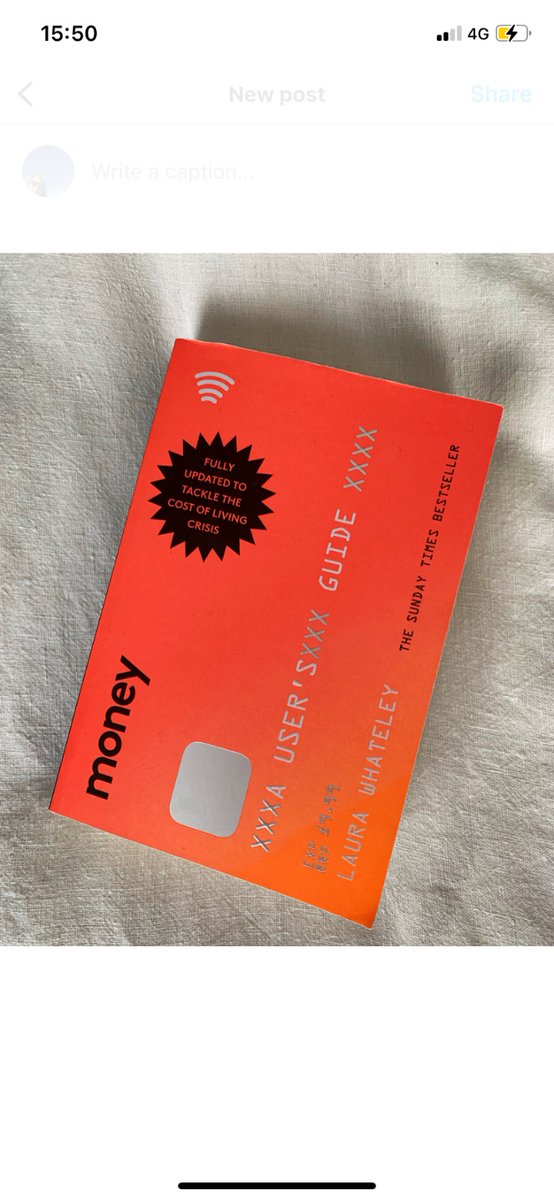
🧡How to budget, save, invest, pay off debt, get a mortgage + pension, understand the cost of living crisis, and, I hope, feel less anxious about 💷
2023 edition MONEY a user's guide OUT NOW!🧡
https://t.co/jGyI8z88x2
https://t.co/6W2EM1yMYV
(🇺🇸readers https://t.co/bqDbfoZg77)
How do you manage money in your relationships? Have any wisdom to impart to other couples + families? I've created an anonymous survey to gather advice. Respondents will receive a newsletter of tips + entered into a prize draw to win £150, pls share !
https://t.co/XFq7Qj8QdM
Two years to the day of my cancer diagnosis I've written about getting back to normal. I realise how lucky I am to be able to say that and to be in the position where I can wonder about if it's the best way forward https://t.co/Ufvn8QJkff
Let's keep pledging, supporting & partnering so that every community that wants one can start & sustain a library of things >> https://t.co/MW52PATHo5
Amazing coverage of the LoT movement in the @guardian this weekend!
Let's make sharing/ renting better than buying from Amazon– more affordable, convenient, socially-rewarding & kinder to the planet 🌍 💪
It's 3rd most read– keep posting! #borrowdontbuy
https://t.co/yoTxp7zNe2
Renting instead of buying tools, toys and clothes doesn't just save money - it can hugely reduce the environmental costs of making (and throwing away) so much stuff
Exciting to see the 'library of things' concept growing so fast
https://t.co/OKxtxL3K2F
MONEY AND HOW IT GETS THAT WAY
A few months ago, during my hospital stay, a new friend gifted me two bottles of wine. I had known this friend was rich, and so when he left, Isabella and I looked up at value of the wine. Each bottle, it turned out, was worth almost a thousand pounds. Once we had seen this, it made it impossible for us to drink the wine; Isabella suggested that we might sell them, but in the end we shoved them in the bottom of a cupboard, waiting for what we called a ‘special occasion.’ God knows what that would be, unless I were to win the Nobel Prize, which is unlikely. We wondered whether a thousand-pound bottle of wine would taste much different to the usual Tesco shit we drink.
As people do these days, we then looked up our friend’s net worth on the internet, and were amazed to see he had half-a-billion quid. Inevitably, it changed our view of him, and we wondered if it were better not to look people up on the internet. Our opinion of him had been corrupted. We were now in awe of him. After all, to have accumulated such riches, he must have some special qualities. He is charming and clever, but then so are a lot of people, and we found ourselves trying to X-ray him.
We have another friend, known for his acuity, taste and intelligence, who now lives in a run-down block, and exists entirely off his government pension. Would we consider him a loser, since he has been unable to secure a reasonable standard of living in his old age, while our other friend has tens of millions? Financial status can have a profound effect on everyday relationships; you may find yourself imbuing your wealthy friend’s most inane statements with a deep wisdom.
My father was a minor civil servant in the Pakistan embassy, and he a bought our small house in a London suburb, Bromley, with help from my mother’s parents, who lived with us. We were always strapped for cash, but we had a decent standard of living; with a car, central heating, a washing machine, a large garden, two kids and a dog. Sometimes my mum took what she called, “little jobs” working in a factory or a shoe shop or painting toy soldiers. But a job was a job then, it wasn’t a career or a profession, and it would never make you rich. As an immigrant from India, Dad liked to tell us every day that we should appreciate what was in front of us; free education, dentistry, healthcare, and property was relatively cheap. The U.K was one of the richest countries in the world because of the empire. The welfare state meant we didn’t want for much, it was really a socialistic society.
When I left home in the mid-seventies for London - the city of the Sex Pistols and The Clash – it was rough and poor, and I lived, for ten years, in a housing co-op flat with a rent of twenty quid a week, next to four railway lines. We furnished the place with stuff we found in skips and jumble sales. We bought our clothes, books, and albums from second hand shops. We stole cutlery from restaurants, from which we would often abscond after eating, and we shoplifted. My school friends and the people I moved with all worked in the arts as photographers, musicians, actors, writers, and so on. We loved our work, but it never occurred to any of us that we would become wealthy or even make much of a living out of what we did. Money was never an animating force; it wasn’t in our lexicon, it was never a possibility.
What motivated us was our work and sex. We were a liberated generation, free, we believed, of hundreds of years of hiding and repression, and we wanted to fuck more than we coveted material things. The only rich people we were aware of were aristocrats who had inherited property and land. Then there were the nouveau rich models, actors and popstars, but even they had trouble holding on to money. They were admired for their creativity and originality rather than their ability to get rich. Growing up, even if you were to come into some money, there was only so much you could buy. There wasn’t so much “stuff” around.
For my three sons, things are different. According to Carlo, everything now has been monetised, a process that began with Thatcher and Reagan. Unlike me, my sons are privately educated. But being privately educated in my day meant becoming a doctor, or a bank manager, or an officer in the army. Prestigious jobs, but they wouldn’t make you rich. Some of my sons’ school friends have gone into the financial sector, and have earned huge amounts of money. Globalisation has reached it’s apex with the internet, where people can buy and sell things around the globe, and young content creators can become rich and famous quickly. Envy is central to our culture. People want to create envy in others, and we enjoy being envious, fantasies can be stimulating. Others teach you what to desire.
Being disabled, if you are to live well, is expensive. By necessity, I have become an employer of physios and carers, and builders to renovate my house. Some of the people I met at hospital who weren’t able to pay for these things have been shunted, some at a young age, into care homes, where they will receive little support. Disablement reconfigures your relation to money; you don’t want what you wanted before, and the new things you do want, or rather need, are wildly expensive. But if you don’t have them, your quality-of-life collapses.
For now, in my cupboard, I have two expensive bottles of wine, which I should drink before it is too late, but it will be through a straw.
Motorists (like me!) on the hunt for more affordable car insurance are being warned to watch out for a marketing trick that makes deals look cheaper than they are reports @LWhateley.
https://t.co/OsmxsM6PHS
"A soft slide into narcissism seemed unavoidable." Spent a couple of days in the £100k-a-week luxury rehabs of Zurich, for @gdnlongread https://t.co/WnLejWQCrN
I’ve updated Money a users guide to reflect all the maaany changes to our personal finances that we’ve seen over the past couple of years and during the cost of living crisis. It’s the third UK edition, out in all good bookshops now !
And not that I like to encourage you to order more on Amazon obvs, but if finances are stretched it’s on sale for just £4 at the moment… https://t.co/8NjCHl7lqf
If you have children (or were pregnant) & have lost your unmarried, co-habiting partner since August 2018, you may now be eligible for backdatable Bereavement Allowance. This can be worth £1,000s. Update here https://t.co/45zp6mbBqJ
Pls share with anyone impacted
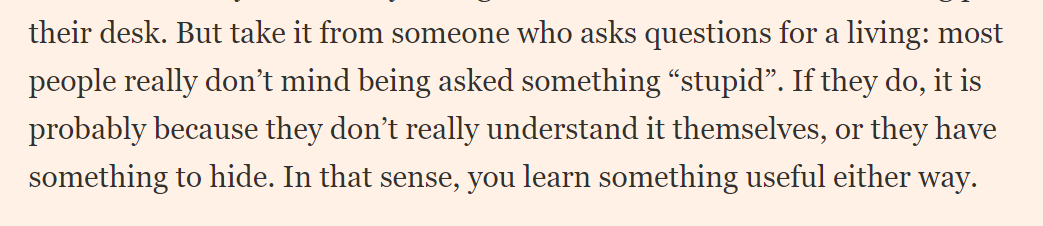
Stop worrying about asking stupid questions! They make us better at our jobs and insulate us from bluffers, bullshitters and fraudsters. https://t.co/Z0YbLyBwKK
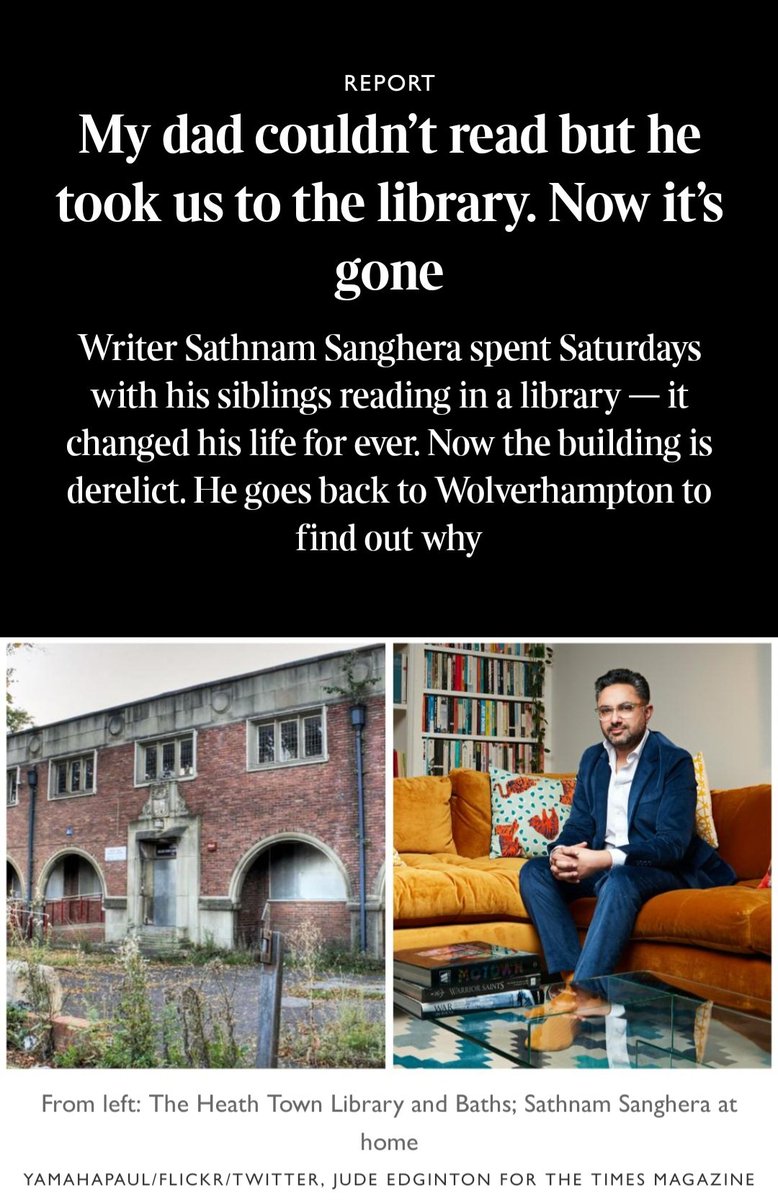
380,000 children in the UK don't own books. I was one of them. We'll have to invent libraries all over again once they're gone. My piece for @thetimesmagazine tomorrow and online from today. #Books#Libraries#EmpireLand#TheBoyWithTheTopknot#literacy
https://t.co/AVrovvx3VW