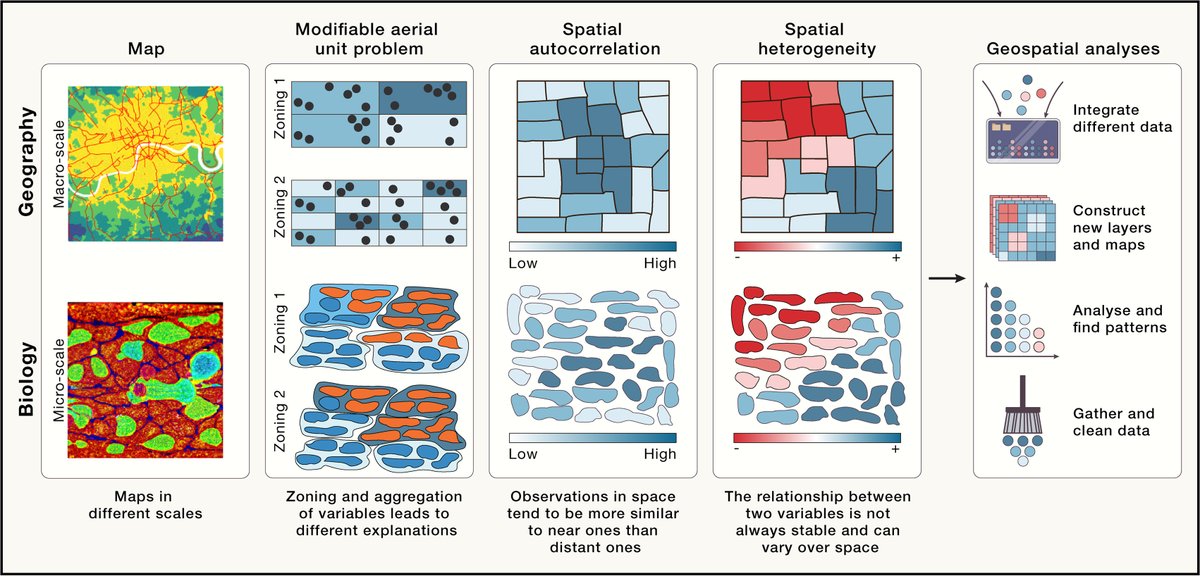
🔍 Exciting News! Our latest publication in Cell (@CellCellPress) is here! 🎉 We explore the challenges and opportunities in analysing transcriptome data with a spatial dimension. (https://t.co/Z2rWecefHH)
𝗦𝗧𝗔𝗠𝗣: single cell (spatial?)
Being asked what I think about it (NOT involved).
1) What is STAMP? Should I care about it?
STAMP is a clever way of using 𝘀𝗽𝗮𝘁𝗶𝗮𝗹 𝗮𝘀𝘀𝗮𝘆𝘀 to get 𝗶𝗻𝘀𝗮𝗻𝗲𝗹𝘆 𝗹𝗼𝘄 𝗰𝗼𝘀𝘁 𝘀𝗶𝗻𝗴𝗹𝗲 𝗰𝗲𝗹𝗹 𝗱𝗮𝘁𝗮
https://t.co/v9nNsbJ5kx
What is a cell type and how to define it?
#DevoEvo
Linking morphologic, geographic & functional attributes with Transcriptomic/Epigenomic taxonomy
Connectomics
Path-seq
Retro-seq
......
How many neuron omic techniques have been/can be adapted for microvasculature?😆
@HongkuiZeng@CellCellPress 2022
https://t.co/pqmlxsB9hu
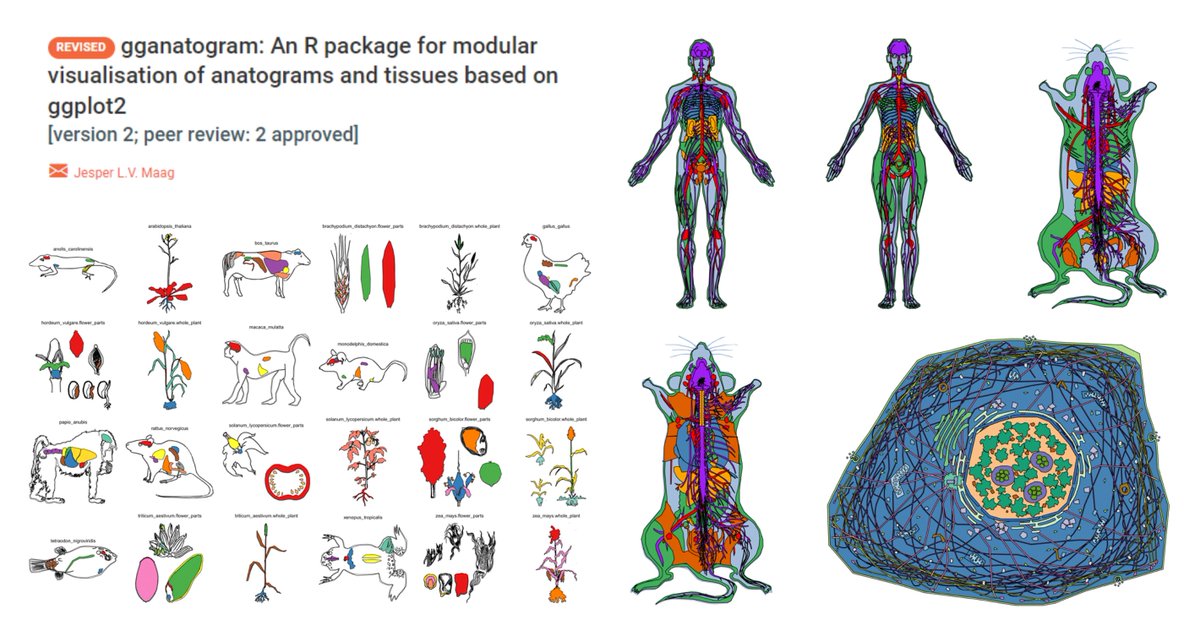
gganatogram: An R package for modular visualisation of anatograms and tissues based on ggplot2
Draw Animal/Plant organs or some cell organelles in R
https://t.co/PdpNJigkUj
@JesperMaag@F1000Research 2018
https://t.co/jWVOHLHzPk
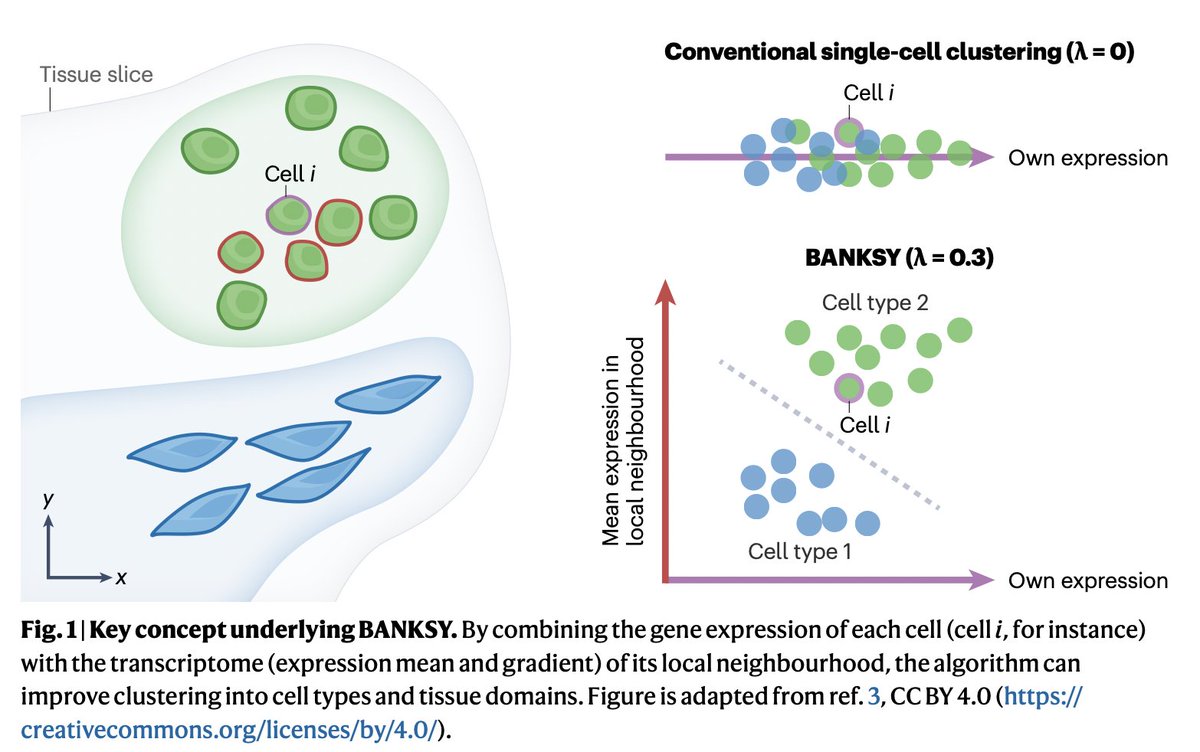
Pleased to share our new Research highlights article, which summarizes some of the core features and applications of the BANKSY spatial omics algo. Viewable via: https://t.co/7mhwhrLKFl !
Thanks @NigelChouS@NatureRevGenet@shyam_lab@khchenlab@astar_gis!
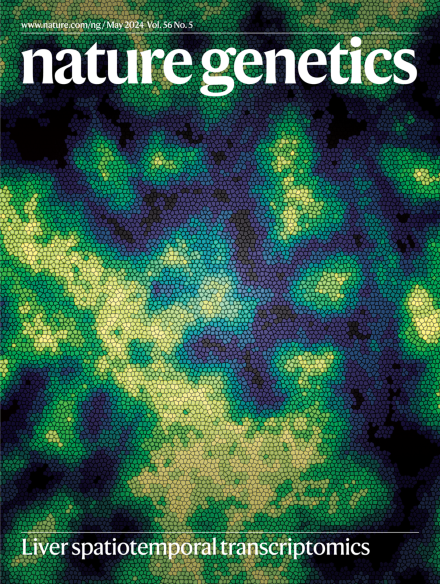
#BGI-Research's cutting-edge liver studies have been selected as the cover story for @NatureGenet . These two studies integrate scRNA-seq and Stereo-seq data to characterize molecular signatures and interactions of liver cell types across different states including homeostasis, damage, repair, and regeneration. https://t.co/PKPpHdFKwf
@DalalSci Because someone did this with me when I was an undergrad helping me to become a scientist and eventually reach where I am now. Science is getting from the previous and giving back to the next generation of scientists so that amazing things can happen in the future! 😁
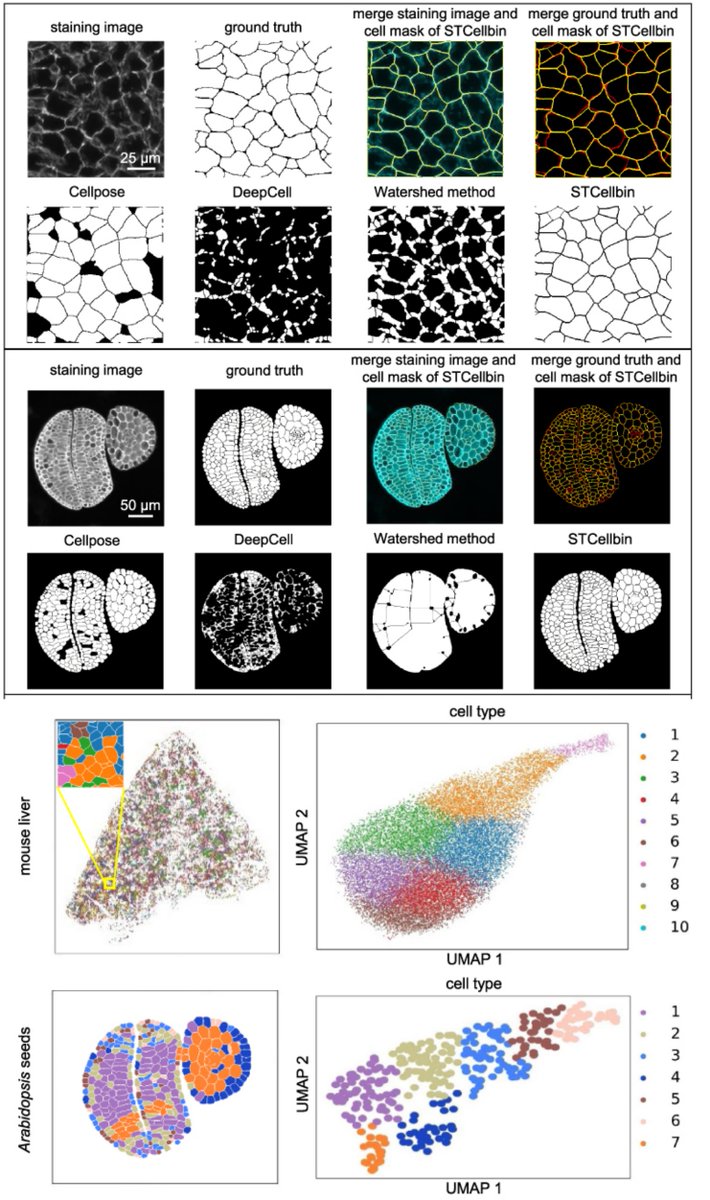
STCellbin
Use Nuclei+Cell Membrane/Wall stains to improve #CellSegmentation & single-cell-resolved #SpatialTranscriptomics
Tailored for #StereoSeq, but likely implementable for other ST methods
Susanne Brix & Xun Xu labs @GigaByteJournal 2024
https://t.co/TmbhT17bAb
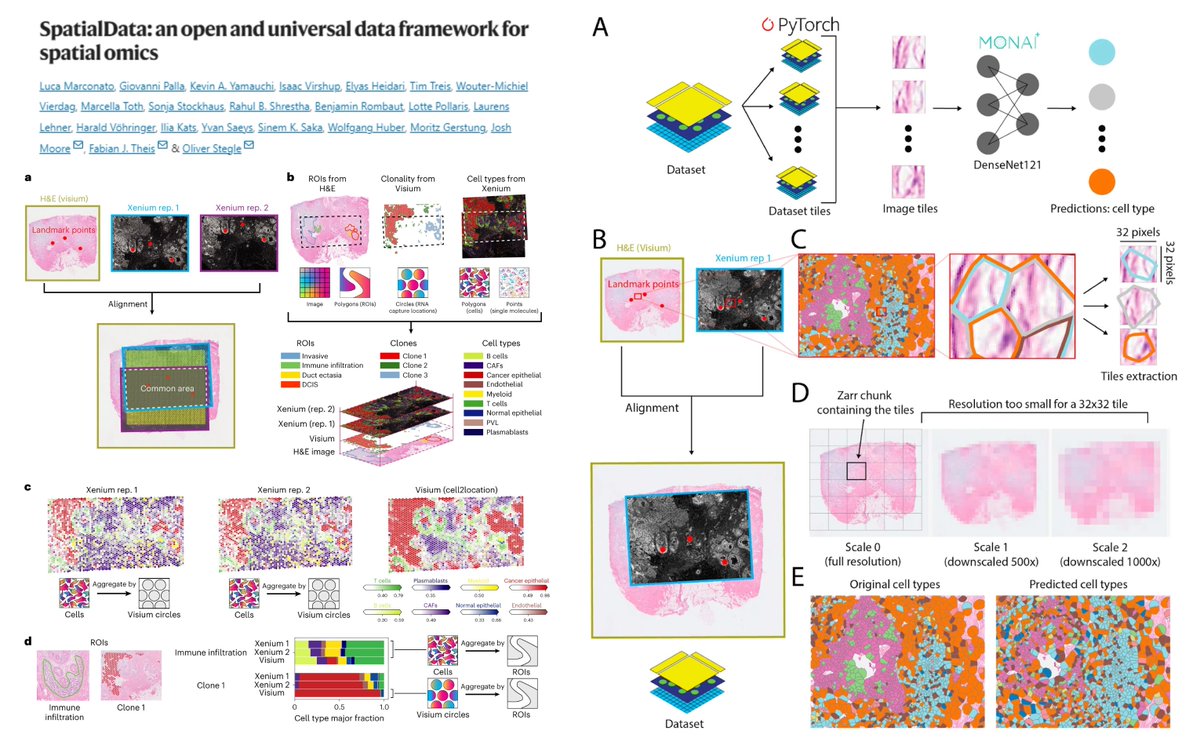
SpatialData
https://t.co/esVxkr9PLz
Establish a global common coordinate framework->
Multi-modal #SpatialOmics integration
Align multislice for 3D #SpatialOmics
napari-spatialdata
Work with
(RNA) Visium Xenium CosMx MEFISH
(protein) CycIF MIBI-TOF #ImagingMassCytometry
+HE histology image
Now Python, will be R
will support #Vitessce
will incorporate time component
@LucaMarconato2@notjustmoore@fabian_theis@OliverStegle@naturemethods 2024
https://t.co/x8tYXQqFQN
TransformerST
#SpatialTranscriptomics
Vision transformer
Adaptive graph transformer
Cross-scale internal graph network
Image-gene co-representation:
Gene expression+Spatial coordinates+Histologic images
"could achieve super-resolved resolution of a single cell per subspot" w/o scRNAseq reference
Note for Lung Microvascular researchers with #VISIUM
✅stLearn SpaGCN TransformerST
@BriefingBioinfo 2024
https://t.co/9v87Mf5ZXp
If you are a #SpatialOmics learner like me, this is a particularly useful, timely piece of reading 😀
I see we are getting to the stage of the discussion where people are starting to defend UMAP saying it can 'reveal patterns' or 'structure' in the data. Without ever specifying what precisely these patterns/structures represent. This is not surprising because hardly anybody 1/n
@NimwegenLab UMAP is useful for drawing beautiful 2D paintings of your data, not for interpreting the painting's layout in an attempt to extract biological meaning.