That's not a reason to avoid free tools. It's a reason to be intentional about what you put in.
Use free tiers to evaluate. Build on the tier you trust.
Full breakdown: https://t.co/WIbilWDcJ4
Hot take from someone who's trained these models:
The free AI tier isn't free. Your inputs can become training data. You're not getting over on the system — the system is getting something from you.
The fix isn't technical. It's judgment.
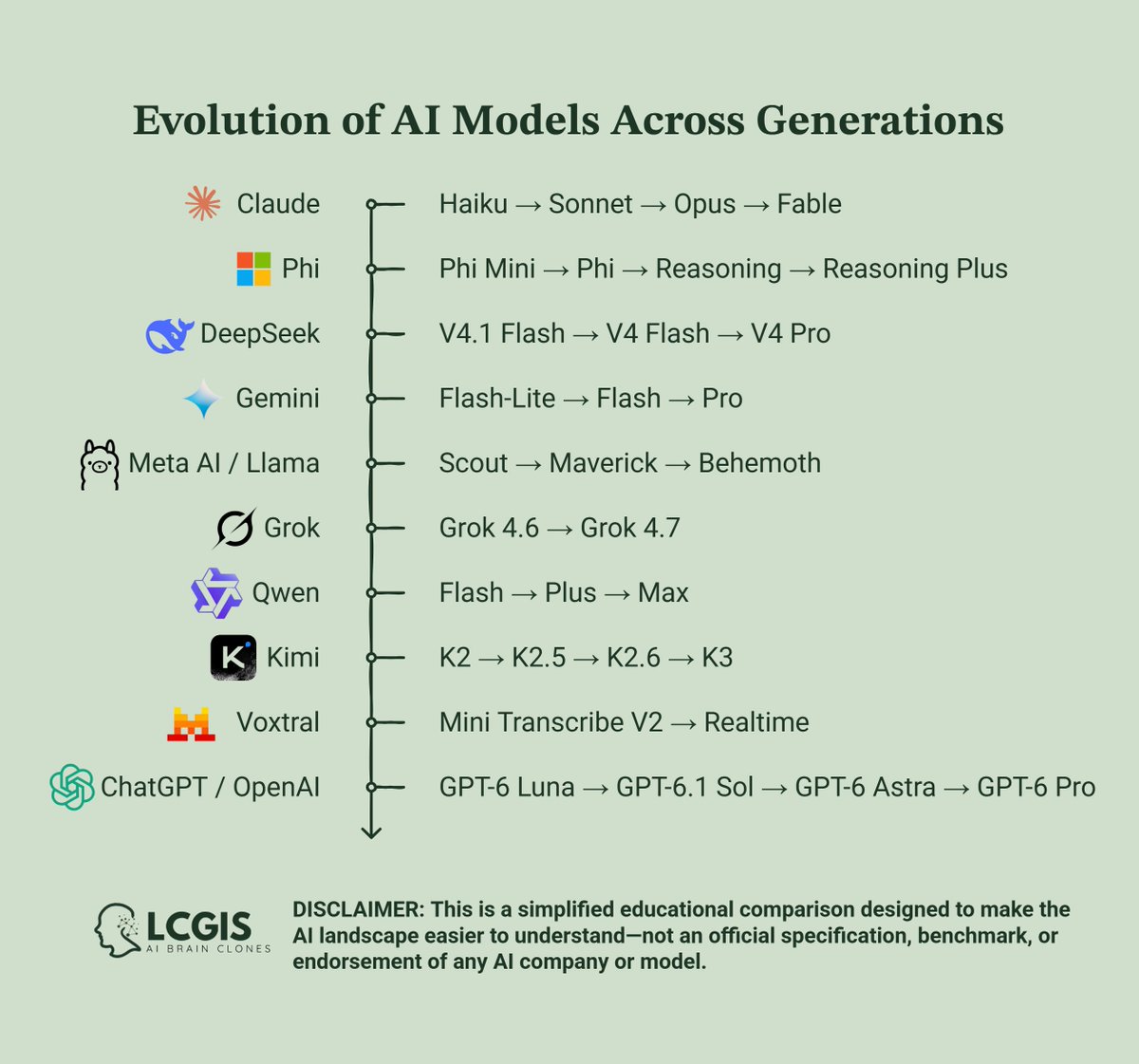
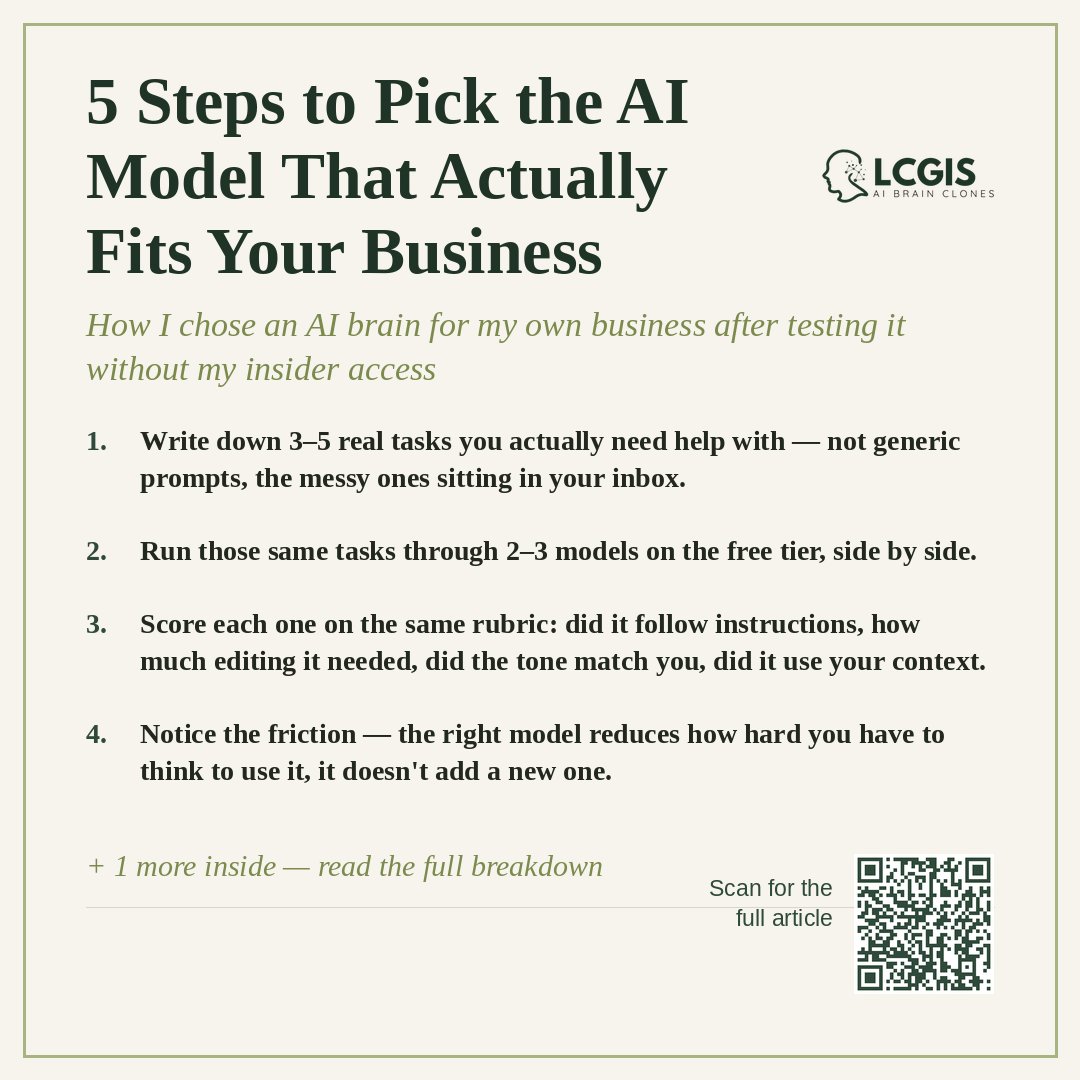
Sort tasks by consequence. Start light, step up when output falls short, and test on your own work, not someone's benchmark.
I get paid to test AI models before they're released to the public.
I still paid for one out of my own pocket.
Because the free tier of one model impressed me that much — not from my professional POV, but from the same entry point you're starting from.
A client wanted her friend's AI lead system. Same setup, same result.
I told her: that's the worst way to start.
What she was admiring wasn't the tech. It was a process her friend understood cold. The AI was the last 5%. The other 95% was judgment nobody had copied.
Most small businesses don't have an AI problem.
They have a sequencing problem.
They bought the tool before they understood the question it was supposed to answer.
3 questions to ask before your next AI purchase 🧵
2. Where did the judgment come from?
Every AI tool runs on somebody's judgment. If it's not yours — your SOPs, your instincts — it's a stranger's generic guess at "businesses like yours."
3. What can it still not notice?
Name the blind spot.
Most small businesses don't have an AI problem.
They have a sequencing problem.
They bought the tool before they understood the question it was supposed to answer.
3 questions to ask before your next AI purchase 🧵
2. Where did the judgment come from?
Every AI tool runs on somebody's judgment. If it's not yours — your SOPs, your instincts — it's a stranger's generic guess at "businesses like yours."
What can it still not notice?
Name the blind spot.