New Publication!
Can “off-the-shelf” aptamers work in plasma? Erin Demek shows how proteins and fatty acids disrupt aptamer sensors – and how simple sample prep restores buffer-like sensitivity.
Read more: https://t.co/eY3K0fpcsh
#Biosensors#Aptamers#AnalyticalChemistry
We've adapted our glucometer-based antibody assay to a 96-well plate format, making it more scalable and broadly applicable beyond SARS-CoV-2.
👏 Kudos to Elysse Ornelas-Gatdula & Xinran An for this exciting advance!
🔗https://t.co/GAZulF0AAf
#biosensors#womeninscience
@GEUO_oviedo A true pleasure and so excited to discover the wonderful work been done by the various teams across the Electrobionet network. Thank you for hosting me!
To all in the audience, visit Oviedo, Spain!
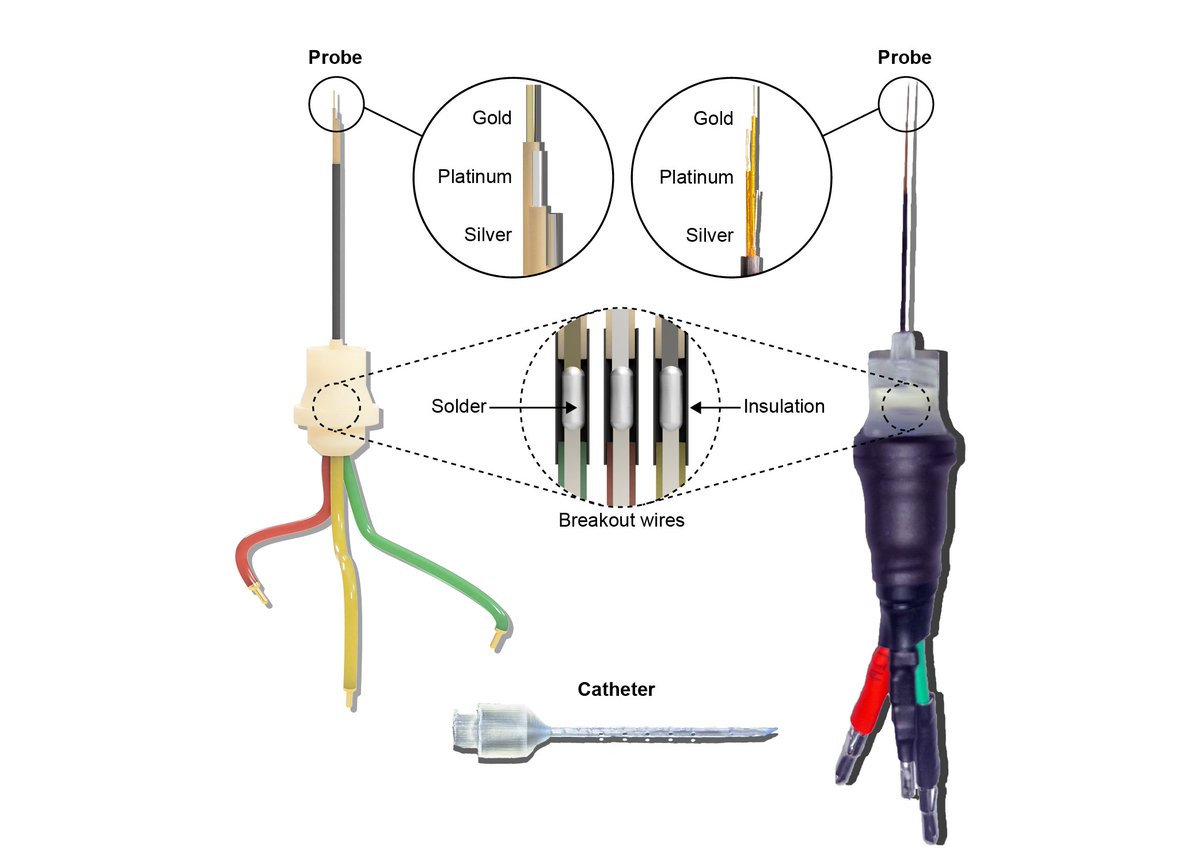
Going from benchtop sensors to in vivo testing is tough. In his final PhD work, John Mack explored using 3D printing to simplify subcutaneous electrode systems. He shared all .stl files to help others get started:
https://t.co/hmhRz9WzP8
#InVivo#Electrochemistry#OpenScience
Excited to share new work with David Jenkins on NHC monolayers for biosensing! Phattananawee Nalaoh & Vincent Clark show aptamer-clicking to NHCs is possible. Still facing capacitive & peroxide issues but stronger gold bonding is a big step forward!
https://t.co/aeM00GoDtt
Many students I talk to feel alone in their stress and uncertainty about academia. But they’re not. Sharing our stories can be healing, for us and for others. In this editorial, I reflect on the challenges and lessons from building my research career:
🔗https://t.co/Lp4wNAtTry
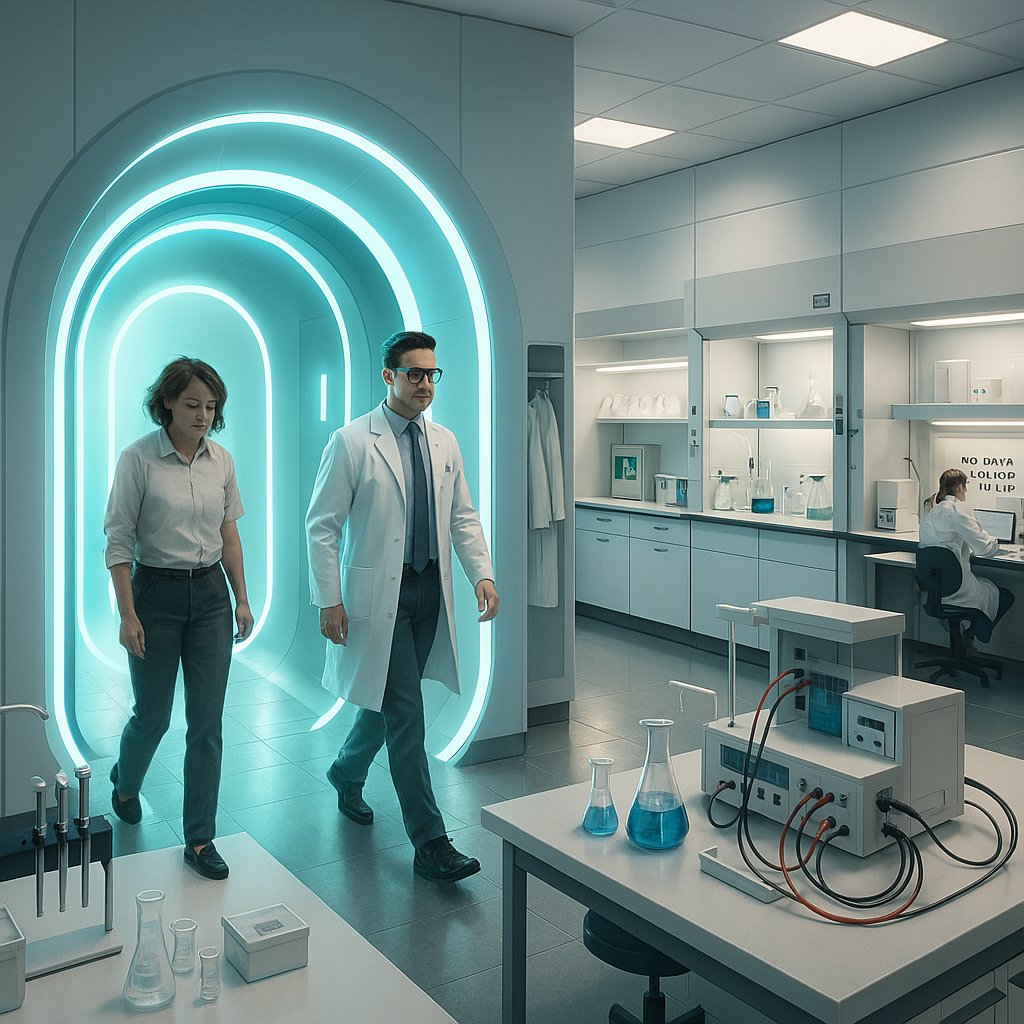
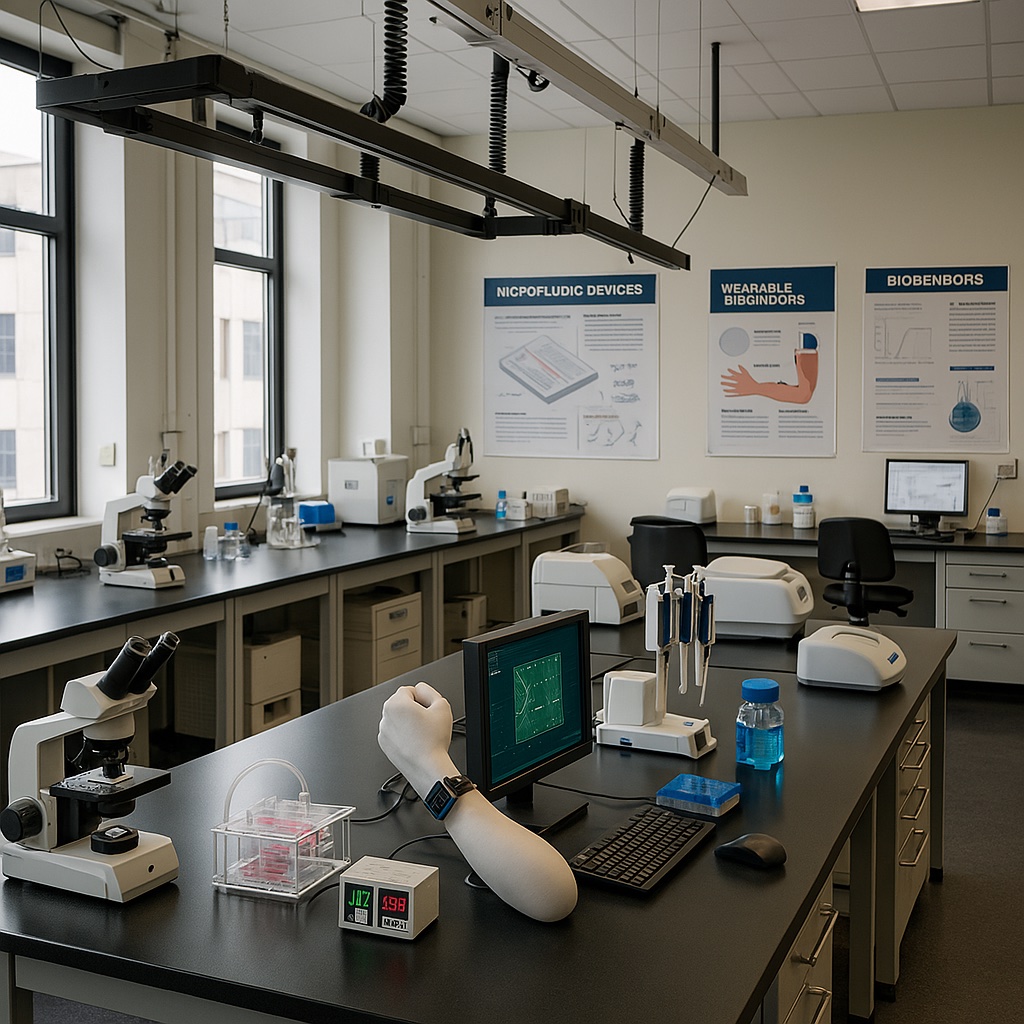
A new input: When you enter, there is a portal. Lab coats and safety gear are dispensed. Going through the portal alters the mood of all who enter, transforming a tired person into a productive scientist.
Copilot's version:
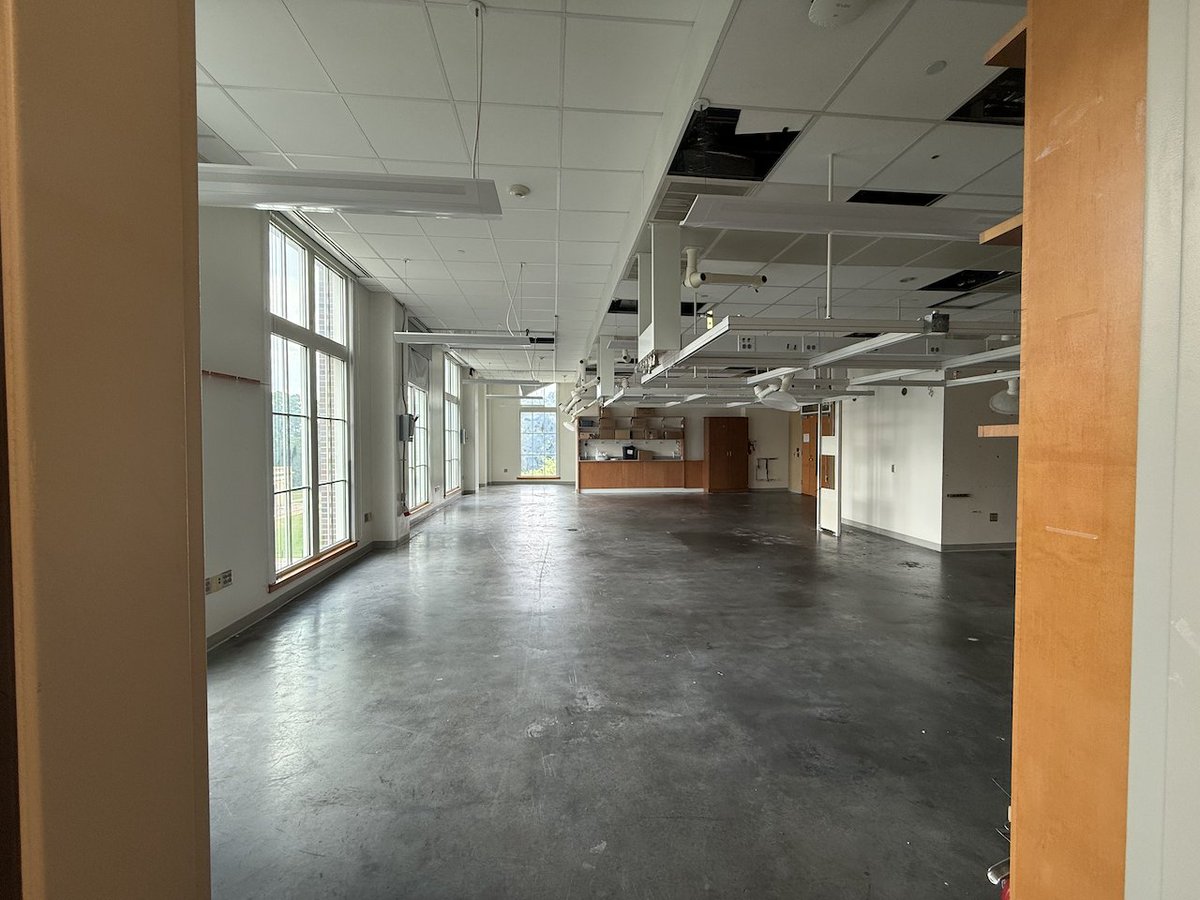
Our new lab space at UNC is starting to look ready for transformation! What do you think it should look like? If you have 5 min to kill, share your thoughts with us at the link below:
https://t.co/FiPFPUfr9D
🔬 New from our lab:
H₂O₂ generated during NBE sensor interrogation (with reporter methylene blue) drives oligo hydrolysis. We show mitigation strategies + in vivo results with improved stability, no pretreatment or baseline subtraction!
📄
https://t.co/gTpVkmtdC7
Congrats Dr. John Mack! 🎓 Just defended his PhD in @BCMB_JHMI. I am inspired by his contributions: from diving into biosensor biostats to developing novel additive manufacturing for sensor development. Excited for his next chapter @ DEKA R&D! #PhDDefense#Mentorship#Innovation
It’s official: I’ve received tenure at UNC Chapel Hill!
Grateful, excited, and ready to push the frontiers of science with the amazing Tar Heel community.
Let’s lead with creativity, innovation, and inclusive excellence.
#Tenure#STEM#AcademicTwitter
https://t.co/zoiTdFUWKu
It was a true pleasure collaborating with the
@FUTURUMCareers team to create this open-access academic resource for students around the world. Though my background is in chemistry, our research is highly multidisciplinary. Learn more about our work at: https://t.co/qyjW0UJcZe!
In our latest animation, we explore the work of Dr Netz Arroyo from the University of North Carolina Chapel Hill (@UniversityofNo7). Netz is developing a new type of continuous molecular monitor that will be able to track our health in real time: https://t.co/ZE1jifvj8I