4/5 How? SEPP is a spring-loaded network of DNA “antijunctions” that flip between states, like tiny molecular switches. We can program them with DNA strands to make logic gates, timed actions, and even cargo release. Basically, tiny robots doing science at 1 billionth the size🤏
1/3 🚨🥳New paper out in Advanced Materials!
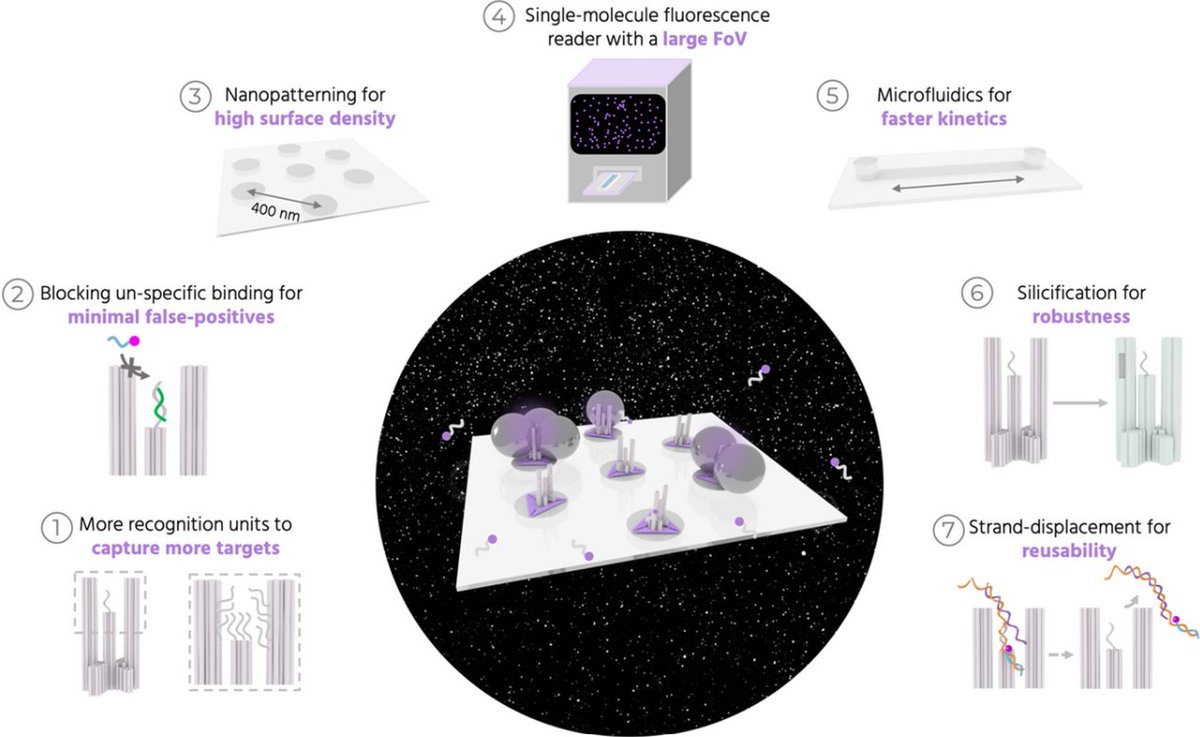
We bring attomolar, amplification-free DNA detection to the point-of-care using DNA origami nanoantennas.🧬Check it out here: https://t.co/owGOLsKHB3
🎉 Großer Erfolg in der Exzellenzstrategie für die #LMU: Alle sieben beantragten Exzellenzcluster haben sich im Begutachtungsverfahren durchgesetzt und werden ab 2026 für sieben Jahre gefördert! Ein herausragendes Ergebnis! 🎉https://t.co/06mVsPbWtl
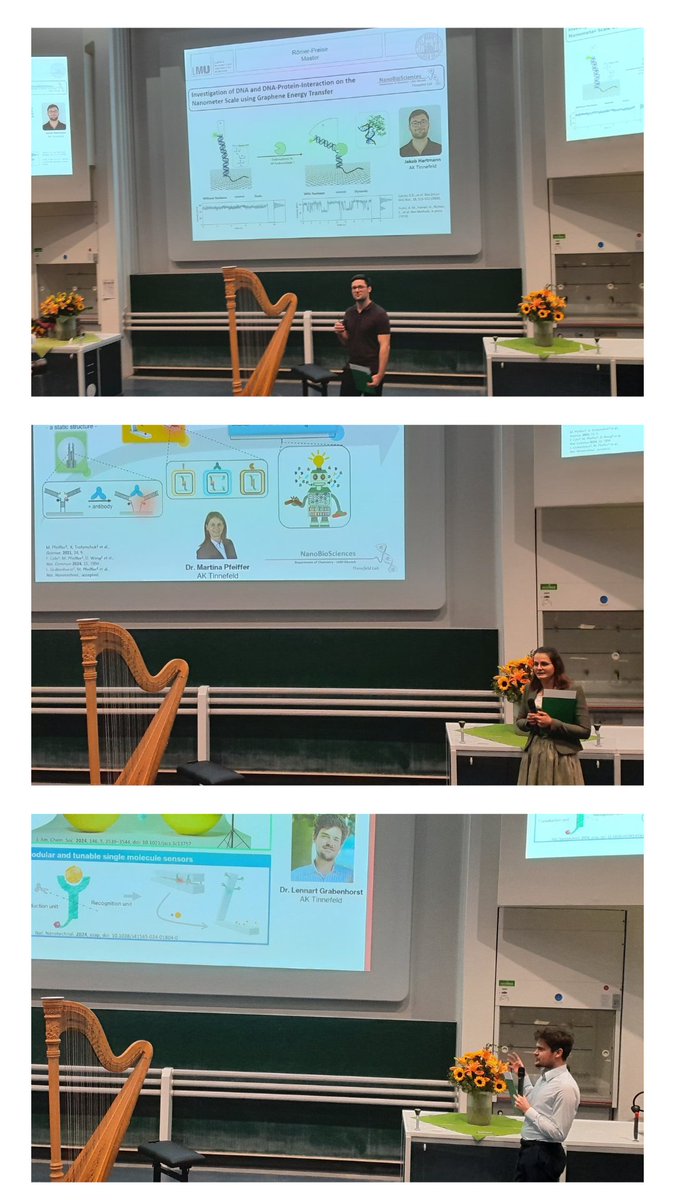
Awardees of Römer Prize 2024 presenting their theses: Jakob (Master), Martina (PhD) and @lgrabenhorst_ (PhD). Congrats to all of you!🥳👏 https://t.co/gi522eJN4J
Excited to share it now in its final form in @NatureNano: our approach to decouple sensing from signal output to build modular and tunable DNA origami sensors with high FRET contrast: https://t.co/ycqfsfpSiN 💡🧬🔬
1/5 DNA and DNA/protein conformations at Ångström/millisecond resolution—right in a fluorescence microscope! Check out our new GETvNA paper in @naturemethods :
https://t.co/vBCMkZNcJb
Want to learn about the science behind GETvNA?
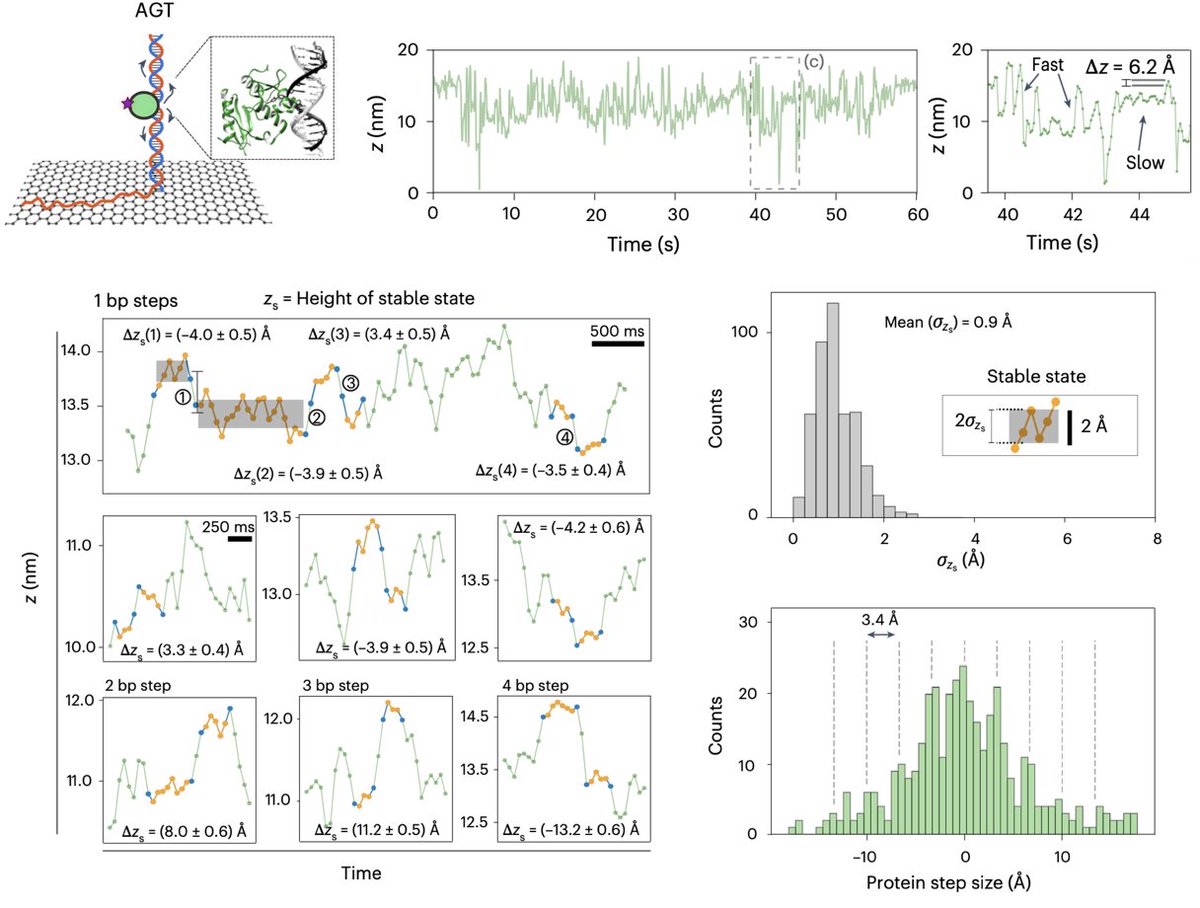
4/5 We also applied GETvNA to track the diffusion of AGT along DNA, being able to detect distinctive diffusional modes and preferential binding to A-tracts, while reaching single-base pair resolution.