Just a reminder of our other social accounts:
IG https://t.co/6Rt4N1i6Xi
Facebook https://t.co/yShzDBddwF
LinkedIn https://t.co/jwgcqPRri0
Youtube https://t.co/Ta7mikjwu3
Pinterest https://t.co/vAuadjHq9V
And of course, https://t.co/OGvvIXTqZi!
Explore the science behind chirality: This video from ChemTalk breaks down what makes molecules chiral, why chiral centers matter, and how chirality shows up in biology and medicine: https://t.co/gEGJObR8CK
#NobelPrize#Chemistry#Chirality#ScienceEducation
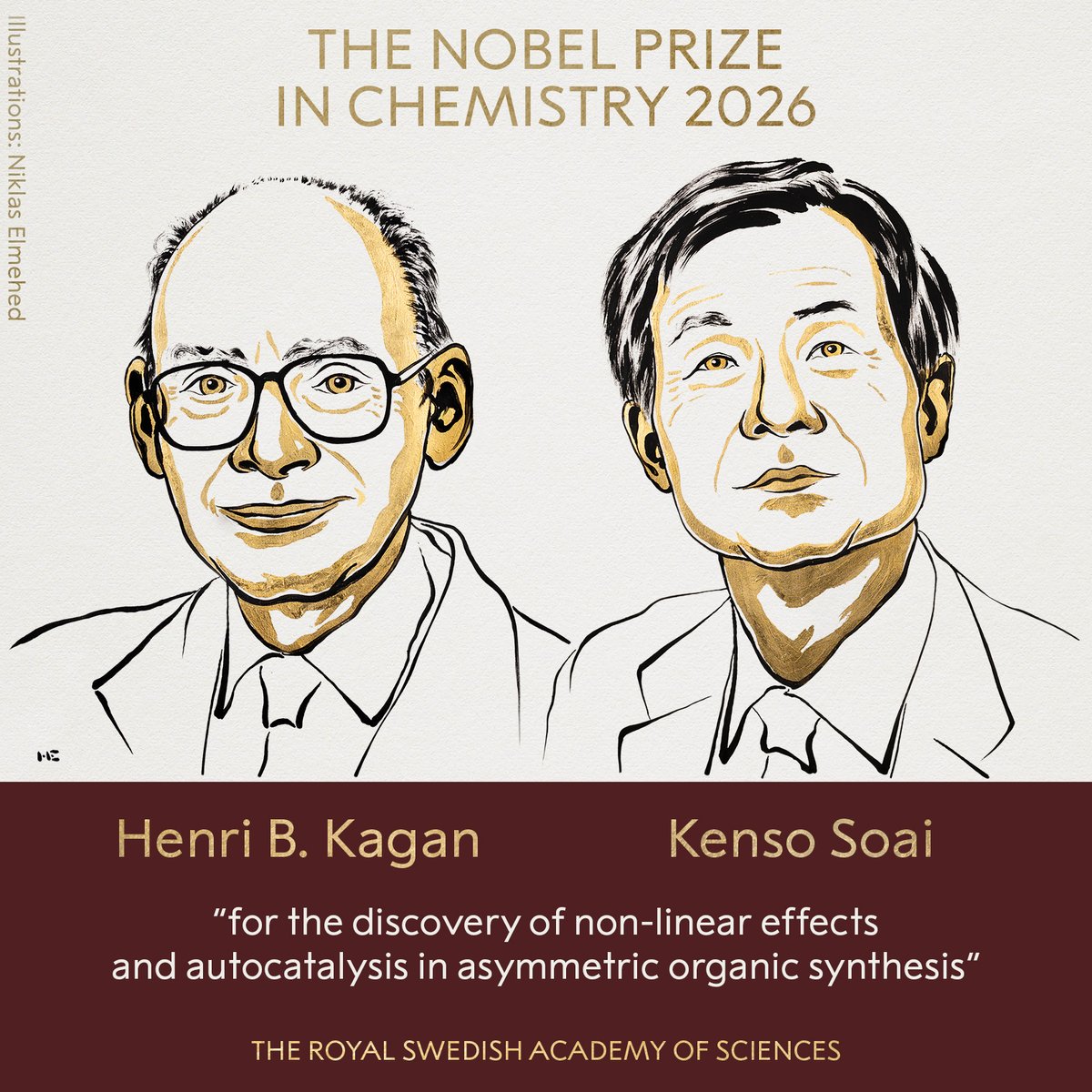
Congratulations to Henri B. Kagan and Kenso Soai on receiving the 2026 Nobel Prize in Chemistry for their discoveries concerning non-linear effects and autocatalysis in asymmetric organic synthesis.
#NobelPrize#Chemistry#Chirality#ScienceEducation
BREAKING NEWS
The Royal Swedish Academy of Sciences has decided to award the 2026 #NobelPrize in Chemistry to Henri B. Kagan and Kenso Soai “for the discovery of non-linear effects and autocatalysis in asymmetric organic synthesis.”
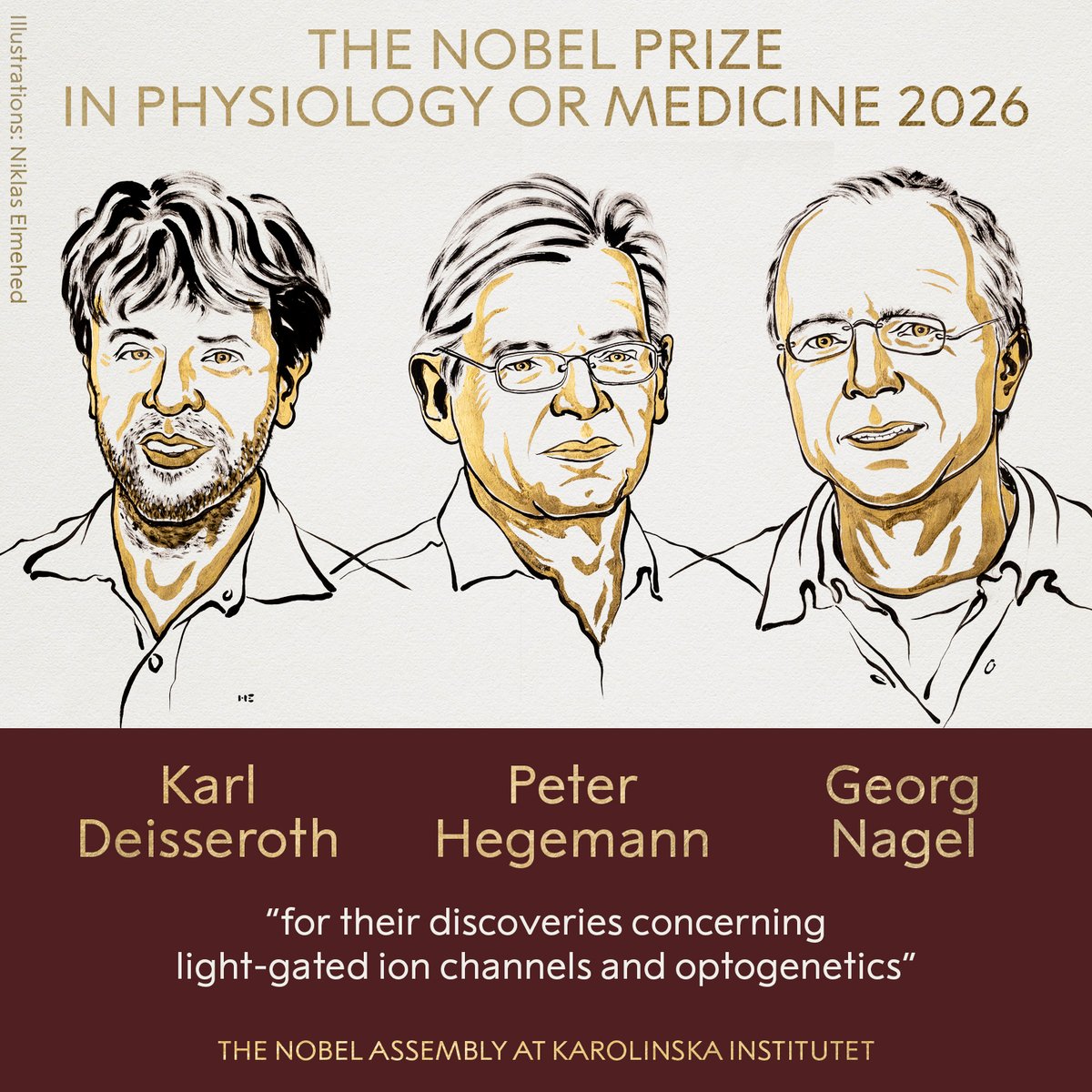
Congratulations to Karl Deisseroth, Peter Hegemann, and Georg Nagel on the 2026 Nobel Prize in Physiology or Medicine for their discoveries concerning light-gated ion channels and optogenetics.
BREAKING NEWS
The 2026 #NobelPrize in Physiology or Medicine has been awarded to Karl Deisseroth, Peter Hegemann and Georg Nagel “for their discoveries concerning light-gated ion channels and optogenetics.”
Chris Burnett, LabXchange's Digital Content Specialist, talked to @FUTURUMCareers about how CareerXplorer's unique career simulations let students step into real STEMM roles. Read the full interview: https://t.co/Jn8pBXLkQ9
What does a biological technician actually do? What are the day-to-day roles of a data scientist? Encourage your students to use @LabXchange’ interactive CareerXplorer platform to find out!
https://t.co/moiLwCQYLm
🔍 Help students explore what's possible.
CareerXplorer from @LabXchange connects K-12 education, higher education and STEMM careers through interactive, career-connected learning experiences that inspire future pathways.
🔗 https://t.co/wFyOwVVKCf
Did you know that you can find all of the Dreyfus Foundation-funded @ChemistryShorts materials, plus many, many more on @LabXchange?
Check them out here: https://t.co/izQFcyKQEo
How do public health officials decide between vaccination, quarantine, or lockdown measures during an outbreak? As hantavirus captures headlines, now is a good time to learn more about the complexity of epidemic decision-making.
Understanding disease transmission isn't just for epidemiologists. Our interactive Epidemic Simulation lets anyone explore the variables that influence how diseases spread through populations. Try it for yourself: https://t.co/wYOE84Xf9J
Meet the 3D Frog Dissection Virtual Lab, the first in a new category of interactive 3D simulations on LabXchange. Learners can explore a detailed model of a frog and walk through the dissection process step by step, with no equipment required.
#SciEd#STEM#Biology#EdTech
Scientists can literally read your DNA.
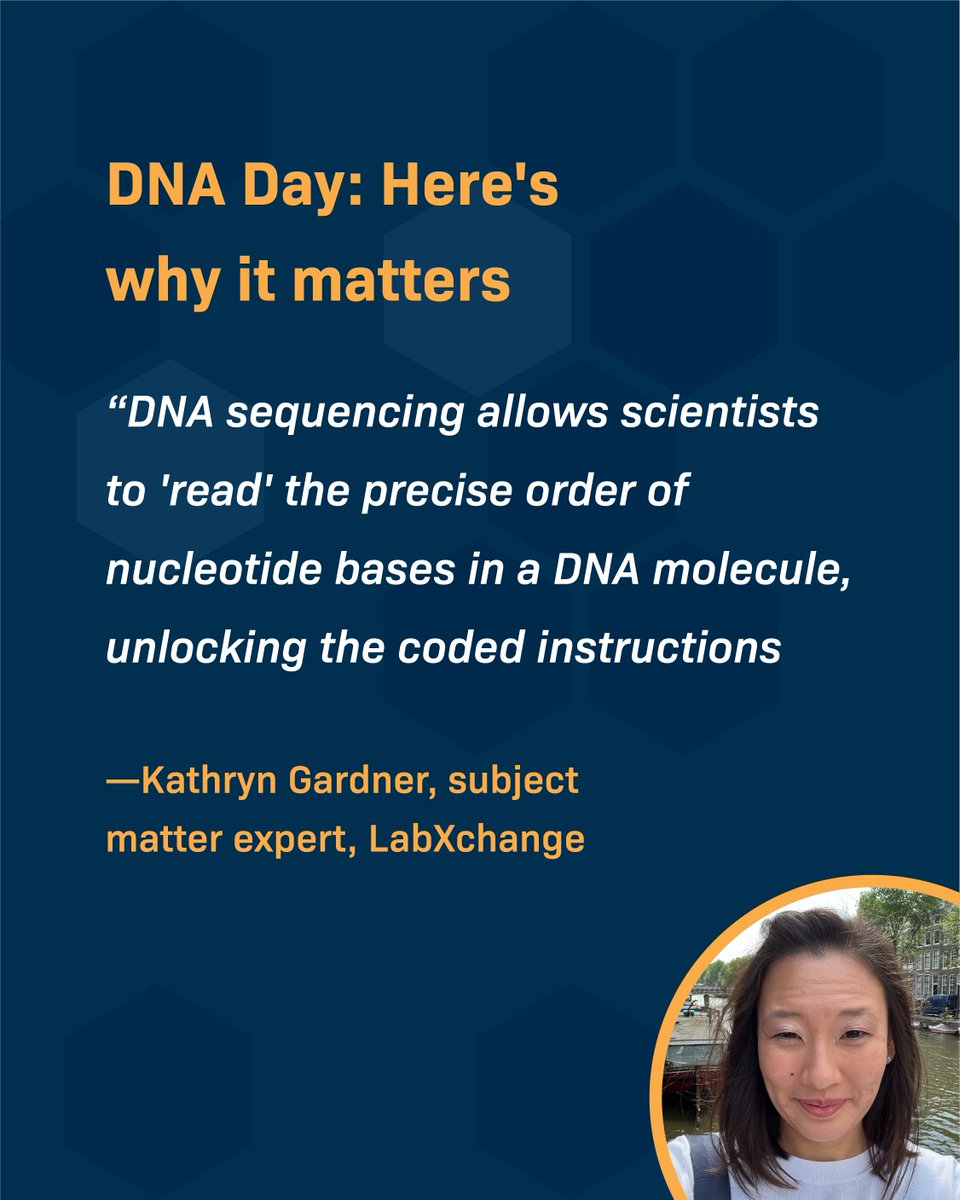
“At its core, DNA sequencing allows scientists to ‘read’ the precise order of nucleotide bases in a DNA molecule, unlocking the coded instructions that shape all living things.” — Kathryn Gardner, subject matter expert at LabXchange
We are more alike than we are different.
"You share over 99% of your DNA with every human on Earth. What makes you uniquely you is squeezed into less than 1%—yet that sliver accounts for all visible human variation." — Mary Liu, teacher-in-residence at LabXchange
And you didn't just inherit your grandmother's eyes. You may have inherited her trauma. Research in epigenetics suggests extreme stress can leave chemical marks on DNA that get passed to the next generation—rewriting what "inheritance" even means.