Laboratory of Molecular Ecology and Mycology: Adamčík S., Adamčíková K., Caboň M., Caboňová M., Jančovičová S., Kozárová S., Shapkin V., S. Zaib (SK/EN)
Scientists can now explore the hidden world of fungi
Combining multiple DNA markers in metabarcoding significantly improves the detection of fungal diversity, providing a more accurate picture of ecosystems.
https://t.co/CEBO1Qbn2m
Finally out in March volume: Biogeography and host associations of Russula subsection Xerampelinae based on large-scale analysis of UNITE sequence data
https://t.co/A4eew6dW8w
Biogeography and host associations of Russula subsection Xerampelinae based on large‐scale analysis of UNITE sequence data - Noffsinger - New Phytologist - Wiley Online Library https://t.co/sJx6L7uMMV
https://t.co/cSWXlT1ReG
This study investigates the impact of historical introgression on the diversification of diploid members of the genus Picris (Compositae).
Dermoloma roll again: Nomenclatural review of names published in the fungal genus Dermoloma (Basidiomycota, Agaricales, Tricholomataceae) based on morphological analyses of type specimens https://t.co/onRiVhE12w via @BioDataJournal
Finally! Our new study of Dermoloma just published: A phylogenetic and morphological study of the genus Dermoloma (Agaricales, Tricholomataceae) in Europe and North America exposes inefficiency of opportunistic species descriptions https://t.co/Q2xpj7kp3O via @IMA_Fungus
Nice work of our colleagues:
Reversibility of sex changes in the plant kingdom: more important than we thought? - Sammarco - Biological Reviews - Wiley Online Library https://t.co/Fj5PMiGibo
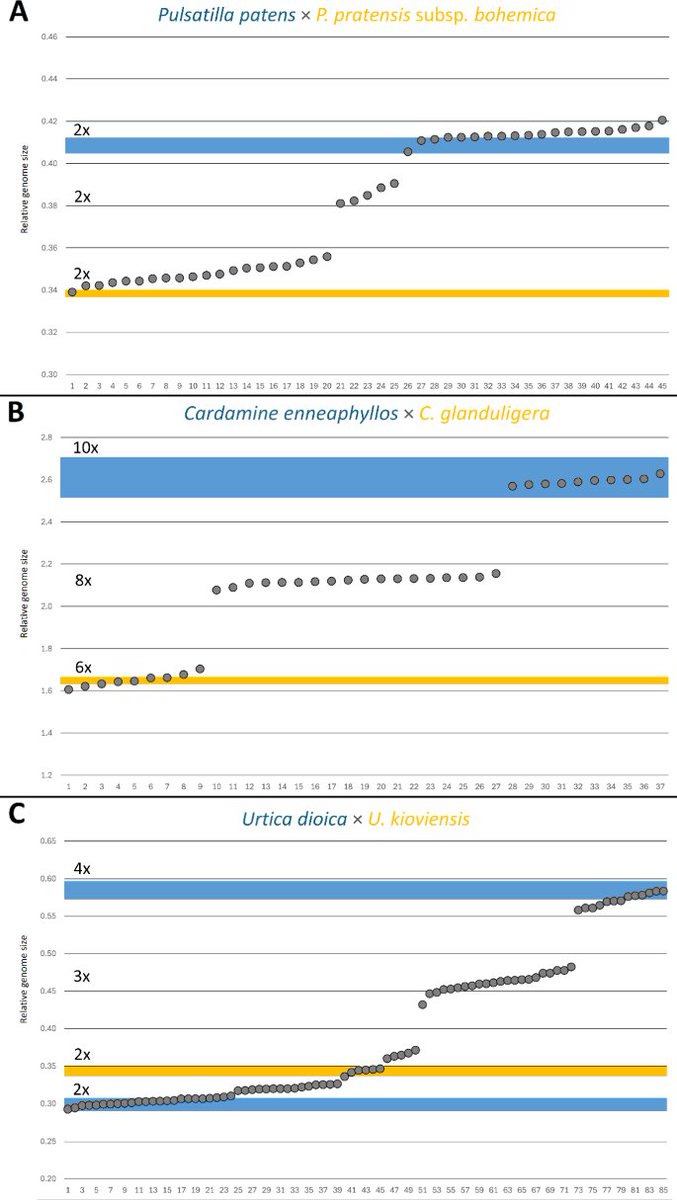
Did you know? : Flow-cytometry can effectively provide initial insights into the presence of potential hybrids in endangered plant taxa.
Study just published: https://t.co/LfZZCPAK0i
ITS isn't the only game in town for fungal metabarcoding! 🍄 We've tested the top alternative markers in our new publication. Don't miss out: https://t.co/PJ1dMzYPtJ #fungi#molecularbiology#ecology#newresearch
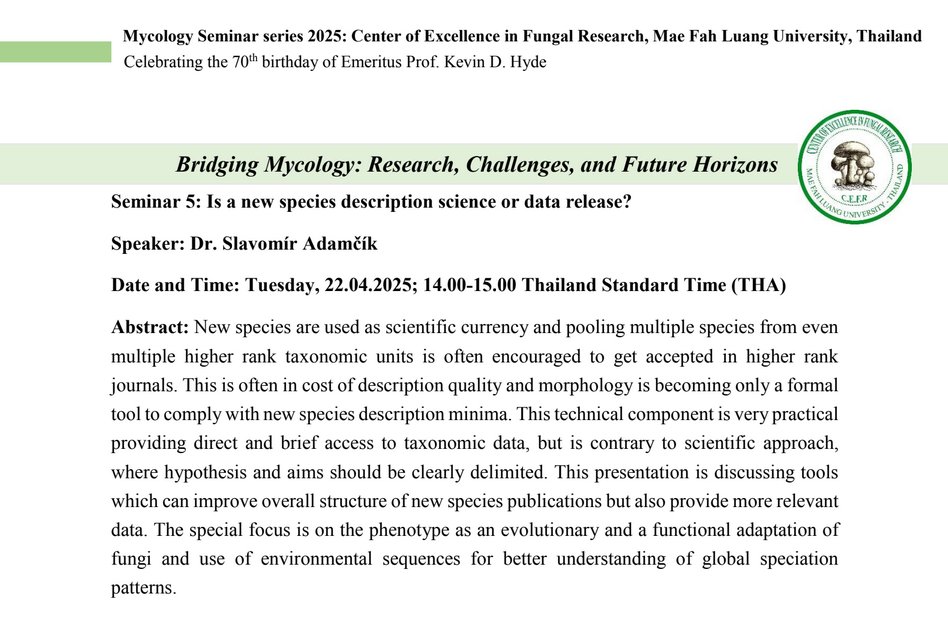
Slavomír just giving talk "Is a new species description science or data release?" at Mycology Seminar series 2025:Bridging Mycology: Research, Challenges, and Future Horizons
Just the tip of the iceberg: uncovering a hyperdiverse clade of African Russula (Basidiomycota, Russulales, Russulaceae) species with signs of evolutionary habitat adaptations https://t.co/WTBBPeLK0k via @IMA_Fungus
Pseudobaeosporoideae, a new subfamily within the Tricholomataceae for the genus Pseudobaeospora (Agaricales, Tricholomatineae) based on morphological and molecular inference https://t.co/7LByc9PDzy via @IMA_Fungus
Just the tip of the iceberg: uncovering a hyperdiverse clade of African Russula (Basidiomycota, Russulales, Russulaceae) species with signs of evolutionary habitat adaptations https://t.co/WTBBPeLK0k via @IMA_Fungus
Understanding the difference between Standard Deviation (SD) and Standard Error (SE) is crucial for accurate data interpretation. SD measures the variability within your data, indicating how spread out the individual data points are from the mean.
In contrast, SE measures the uncertainty around the sample mean as an estimate of the population mean. It reflects the precision of the mean, with SE decreasing as the sample size increases, making your estimate more reliable.
The relationship between SD and SE is given by the formula: SE = SD / √(sample size). While SD remains relatively constant with larger samples, SE diminishes, highlighting the reduced uncertainty in the mean estimate.
A common mistake in research is using the “±” notation without specifying whether it refers to SD or SE, leading to potential misinterpretation of the data. Clear distinction is essential for transparency and accuracy in reporting.
Key Takeaways:
• Use SD to describe data variability.
• Use SE to indicate the precision of the mean.
• Always specify which measure you are reporting.
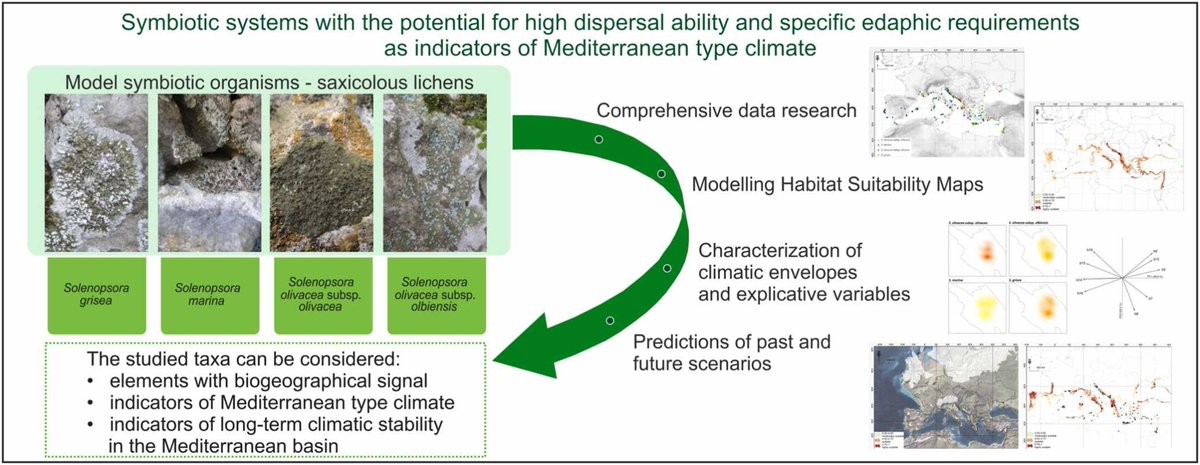
Study on rock-dwelling lichens as as a proxy for biogeographical characterisation of the Mediterranean biome led by members of our Microbial and Plant Interactions Department just published in Global Ecology and Conservation. Learn more at: https://t.co/UtVLQFYECt