Our member @mariograssi92 has just published his book (related to @silkraa project)! Congrats!! 🎉
Being an Open Access book, you can download it for free! Enjoy!!
Find more info about it at and the link to download it at: https://t.co/NzlB2m1aHn
Dear friends,
It took me a few days to fully take it in, but my book, "The Silk Industry in Early Modern Piedmont: The Fabric of Innovation", has finally seen the light of day!
You can find it full Open Access at the link:
https://t.co/O4crVaVwlC…
I hope you enjoy reading it
Second session for the @labourLfe ! A. Montenach and I. Fazio run the session Family work and the early modern illicit economy! Join us the next days!!!
Today, several members of @labourLfe hosted a successful and well-attended session on 'Workshops and small industries' at the ELHN Conference in Barcelona! Congrats!!
🔔🔔CFP ALERT 🔔🔔
Are you interested in study guilds and labor associations in history? Join us and send a proposal for the next ELHN Conference - Barcelona, 16-19 June 2026!
https://t.co/qnNWHac1OT
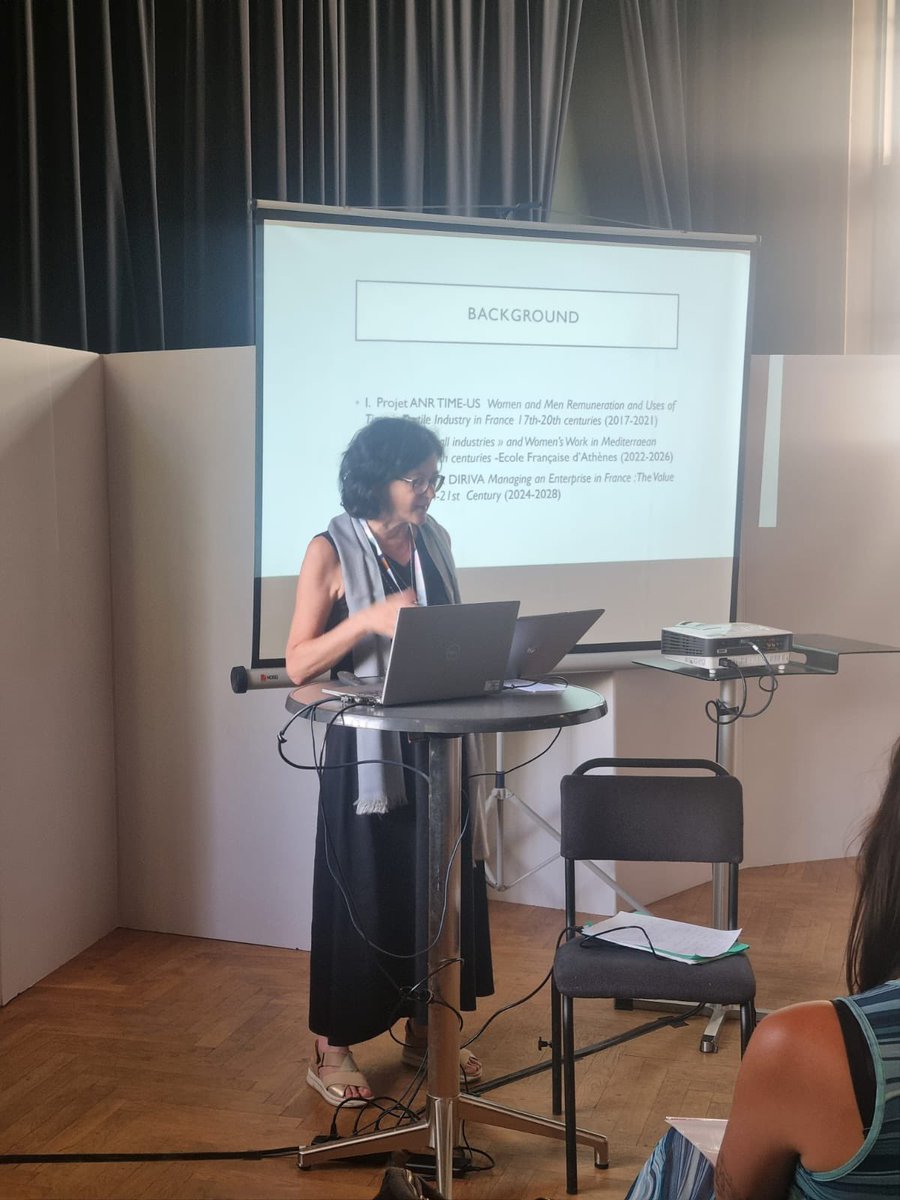
The 20th WEHC @lunduniversity has come to an end today! Many of @LabourLfe presented their latest works - congratulations to all of them for their excellent contributions!
Anna Bellavitis, Tura Tusell, Llorenç Ferrer, Luisa Muñoz, Celine Mutos-Xicola, Ida Fazio and Alba Masramon have properly represented our working group @LabourLfe in Albacete, during the international conference “familias y cambio histórico”! Congrats 🚀
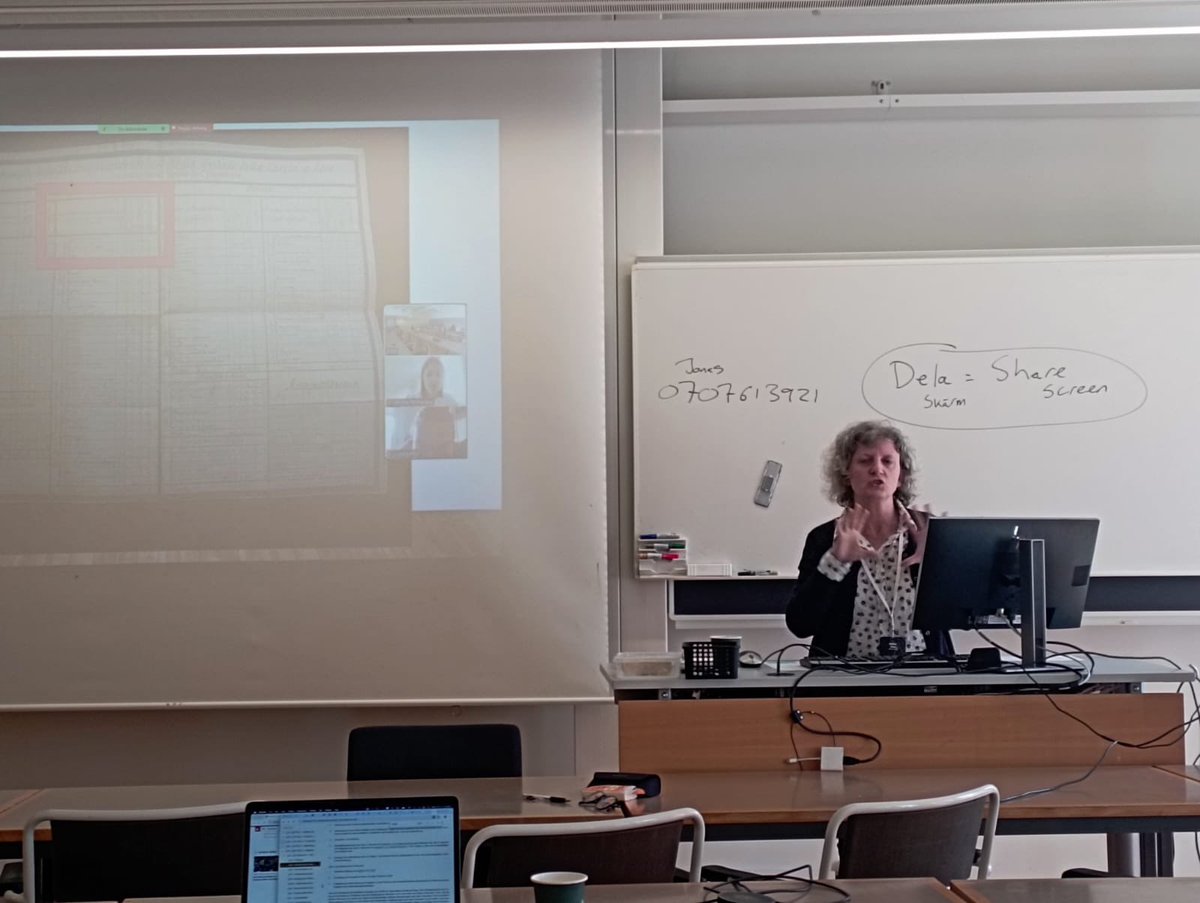
A couple of pic from the last Jornadas de historia del trabajo @tig_ub@UniBarcelona, a recurring appointment - with the participation of many @LabourLfe members!
@LabourLfe at the European Labour History Network Conference in Uppsala - another great opportunity for our members to present they astonishing research! Good job, everyone 🚀🚀
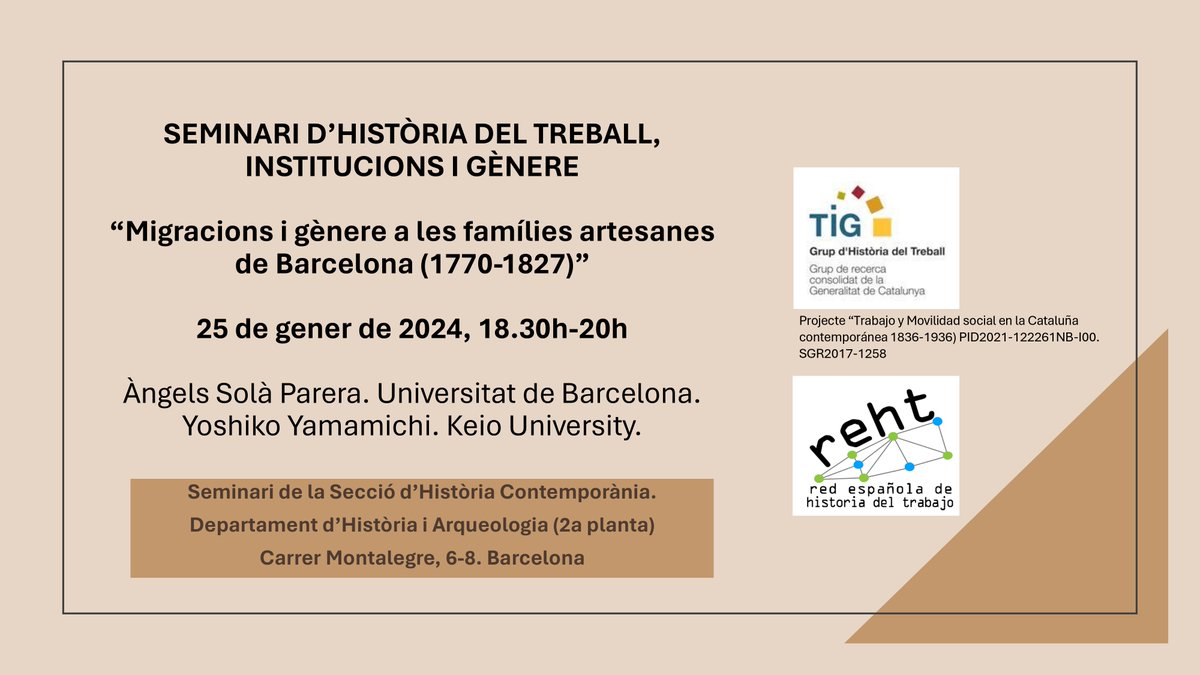
❗️Nou seminari del grup!
Migracions i gènere a les famílies artesanes de Barcelona (1770-1827)
per Àngels Solà i Yoshiko Yamamichi
📆25 de gener
🕗18.30h
📍Seminari de la Secció d'Història Contemporània
The worst and most useless advice given to PhD students: find a gap in literature.
Here's why:
The problem with "finding a gap in literature" is that it's an analogy.
It assumes that an academic field is like a wall. Every researcher brings a brick or two and that's how we this wall gets built.
Sometimes researchers are unable to solve a problem, which results in a "gap" in the wall.
The analogy of finding a gap in literature, like any other analogy, distorts the actual process of how academic research gets done.
As a result, graduate students try to find a topic that no one has written about before. This is counterproductive at best and utter madness at worst.
Let's say I start researching a topic like "The Effect of Reading Hans Christian Andersen's Stories on the Production of Milk Among Danish Cows."
No one has written about this topic and I can argue that there is a gap in literature.
The problem is even if I were to write a whole 400-page monograph on this topic, it will not move the field forward. No one in the field of Andersen studies is interested this topic.
If you follow the advice of finding a gap in literature, you may end up doing research that no one is interested in.
So what should you do?
Here's a suggestion: try to find a problem you feel passionately about.
This may be a bit tricky if you are starting out. So, read about it, think about it, and write what make of it.
Most importantly, know that there is a place in the world for whatever you have to say on a given topic.
Example:
I had a problem that I had spent years thinking about before my PhD. And the problem was how a South Asian Muslim identity got constructed in and through Urdu literature.
I read about Urdu literature and identity formation in colonial India and figured two writers whose works I wanted to enagage with. Nazir Ahmad, a 19th century Urdu novelist, and Benedict Anderson, the famous Anglo-Irish political scientist.
There is a lot of scholarship on Nazir Ahmad's novels and Benedict Anderson's book "Imagined Communities" is a considered a classic in the humanities and social sciences. A lot of folks had written about Nazir Ahmad and Anderson's work. So, not many gaps in the literature.
But no one had looked at how Nazir Ahmad's novels created an "imagined community" of Muslims in colonial India. So, I did this in my dissertation.
I didn't try to find a gap in literature. I solved a problem that I felt passionately about.
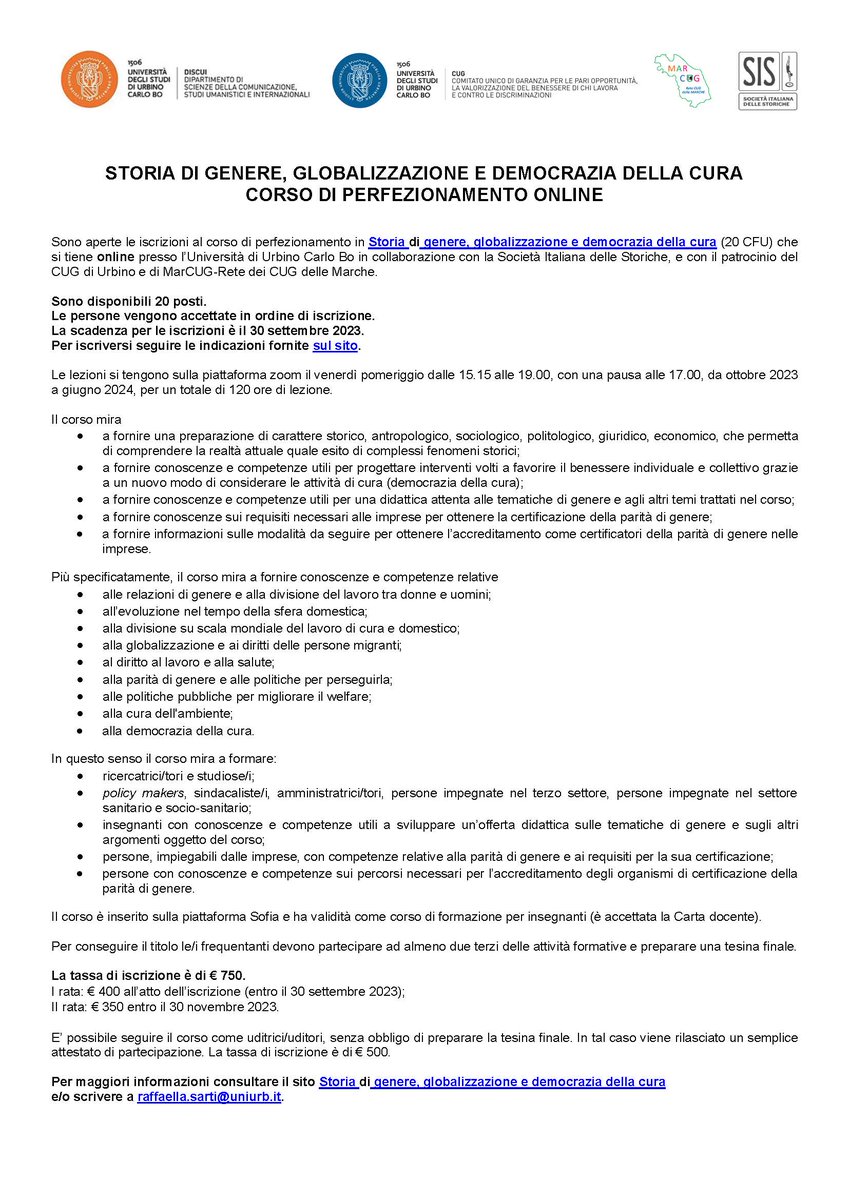
STORIA DI GENERE, GLOBALIZZAZIONE E DEMOCRAZIA DELLA CURA.
Aperte le iscrizioni al corso che si tiene online presso l’Università di Urbino, in collaborazione con la SIS e il patrocinio del CUG di Urbino e di MarCUG-Rete CUG delle Marche.
Info https://t.co/SfU3Pm3gW9
Llorenç Ferrer Alòs @llferreralos, a member of @LabourLfe, presenting the results of his research about domestic service at the Jornadas de Historia del Trabajo @tig_ub@UniBarcelona!
Today starts the 20th Jornadas de Historia del Trabajo @UniBarcelona where the topic of domestic service between the 19th and 20th centuries will be discussed. Join us!
@tig_ub@LabourLfe