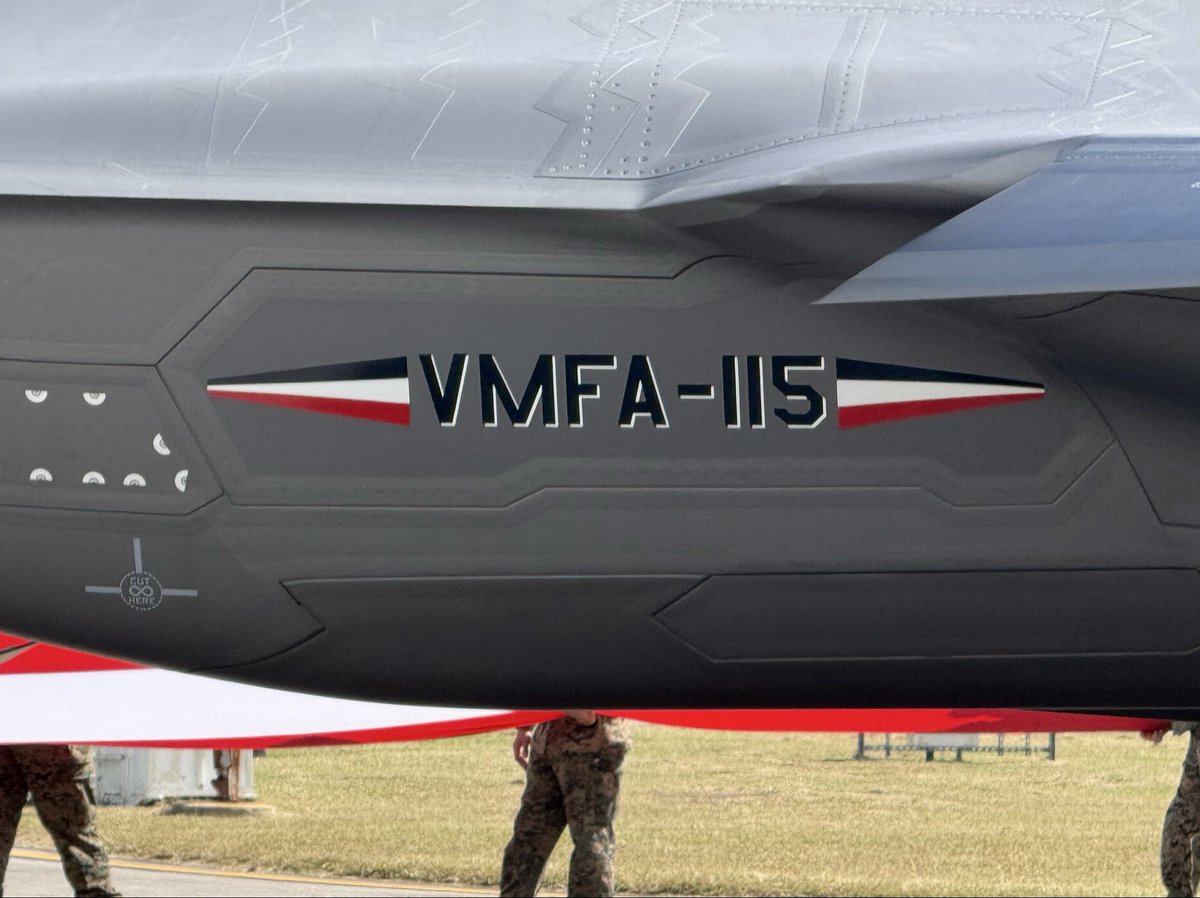
When it comes to high speed strike weapons, most discussion in the US focuses on exquisite hypersonic systems such as LRHW or ARRW. In practice, the DOD's HSSW portfolio is much broader, spanning everything from supersonic ballistic and air-breathing missiles to long-range boost-glide weapons. As the DOD pushes for more low-cost mass, expect this portfolio to keep expanding.
🚨🇵🇱 BREAKING: First video of full police intervention on the Kraków attacker from a street camera.
The attacker is in the black car seen crashing into the white car.
Unreal: a close friend of Nvidia's Jensen Huang was uncovered as a Chinese intelligence asset tasked with steering advanced Nvidia AI chips into the hands of Beijing.
Trump was briefed about the findings a year ago.
He chose to do nothing.
https://t.co/n1GpZ1XxwP
A new General Atomics graphic shows seven of its Vektrex maneuvering projectiles packed into a large (and familiar looking) air-launched missile fired from a F/A-18E/F Super Hornet. My latest update on the GA munition with @navalnewscom at #EURONAVAL2026:
https://t.co/G4ZyRzLdqo
Republicans had both chambers & could not legislate a basic voter ID mandate
Meanwhile, Democrats will pass the Kill All Republicans Act Of 2029 without anyone dissenting
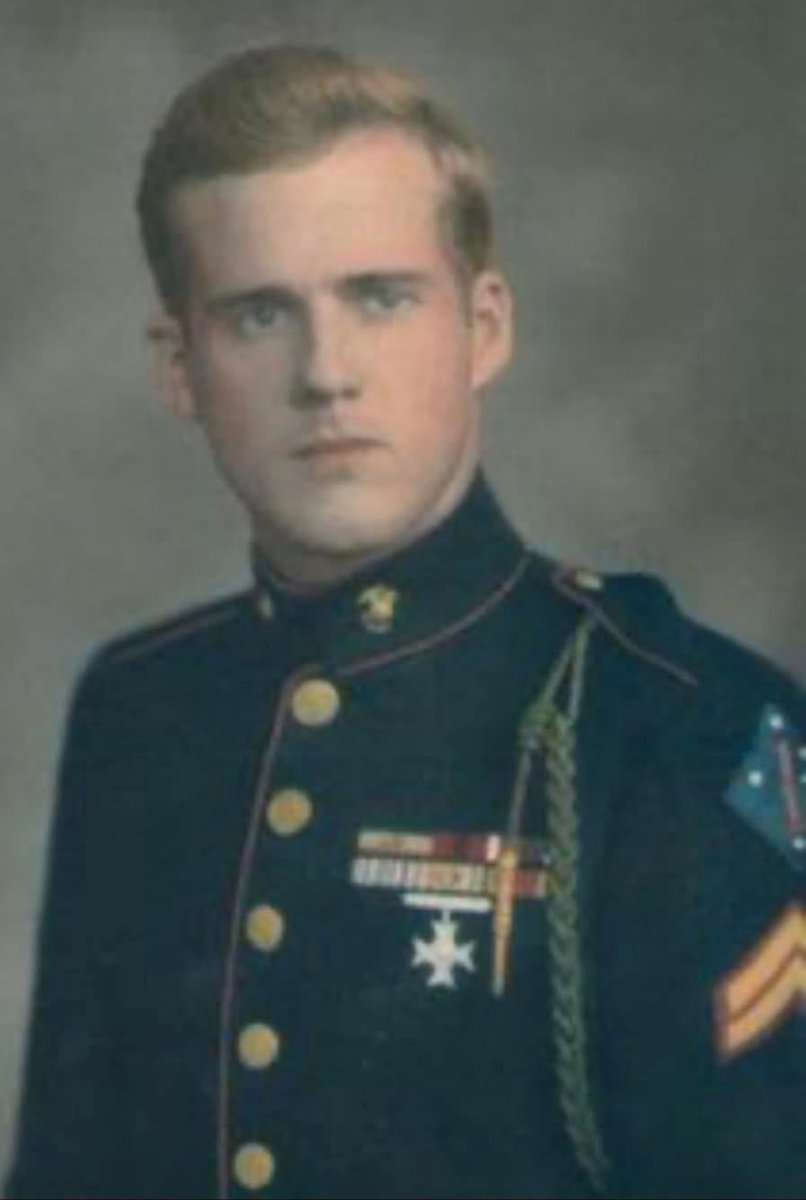
A happy birthday to legendary marine Eugene Sledge on what would have been his 103rd birthday today.🇺🇸
Sledge served with the 1st Marine Division from Peleliu to Okinawa. 🪖
CBS NEWS: Some Trump aides expect the president to blame Defense Secretary Pete Hegseth for the midterm election results, believing the outcome would have been different without the Iran war. CENTCOM commander Gen. Brad Cooper and Joint Chiefs Chairman Gen. Dan Caine could also face blame over their roles in advising on the war.
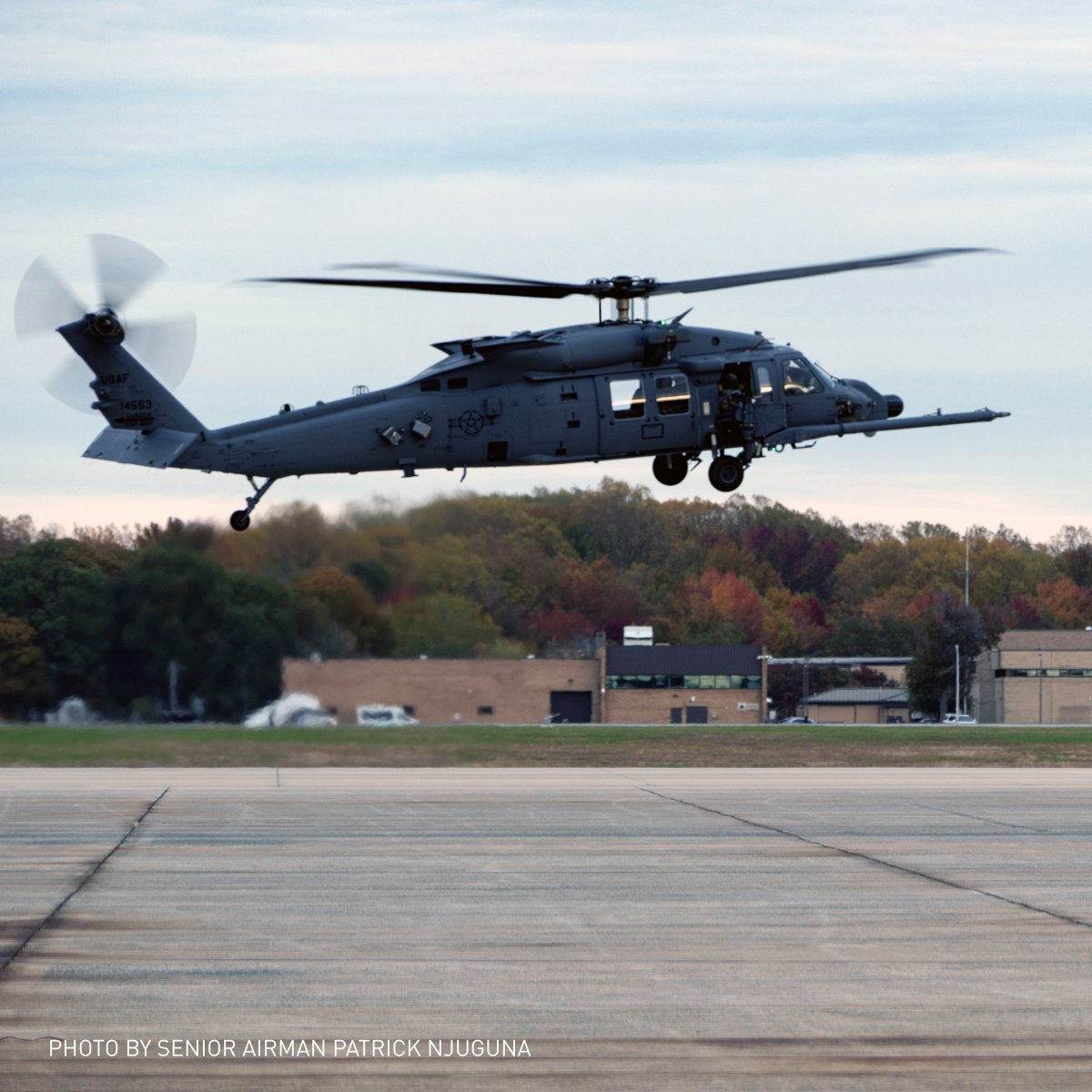
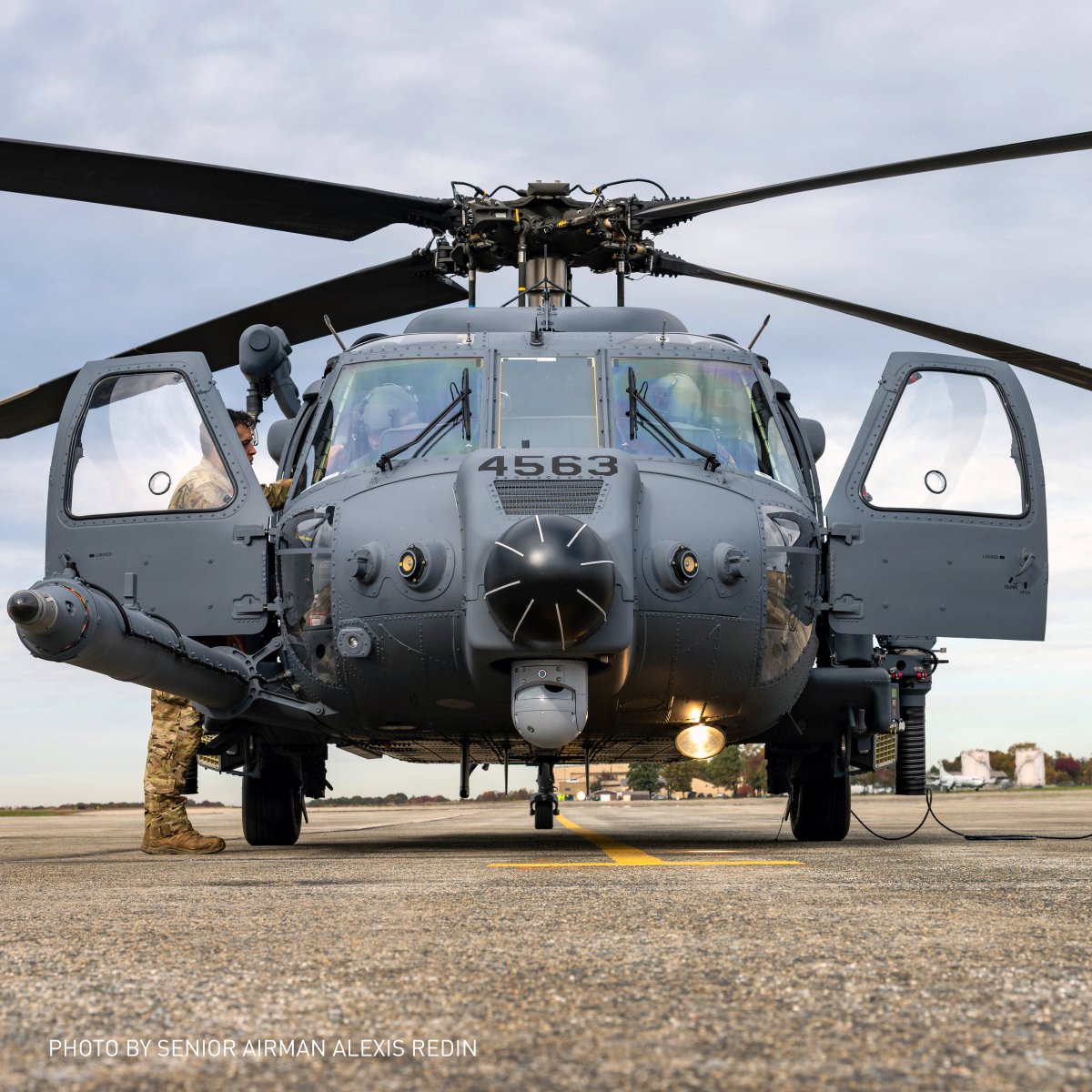
A new chapter for Air Force rotary-wing operations begins at America's Airfield. Building on a legacy Andrews Airmen have earned over decades supporting our nation’s capital, they’ll now carry that mission forward with the HH-60W Jolly Green II.
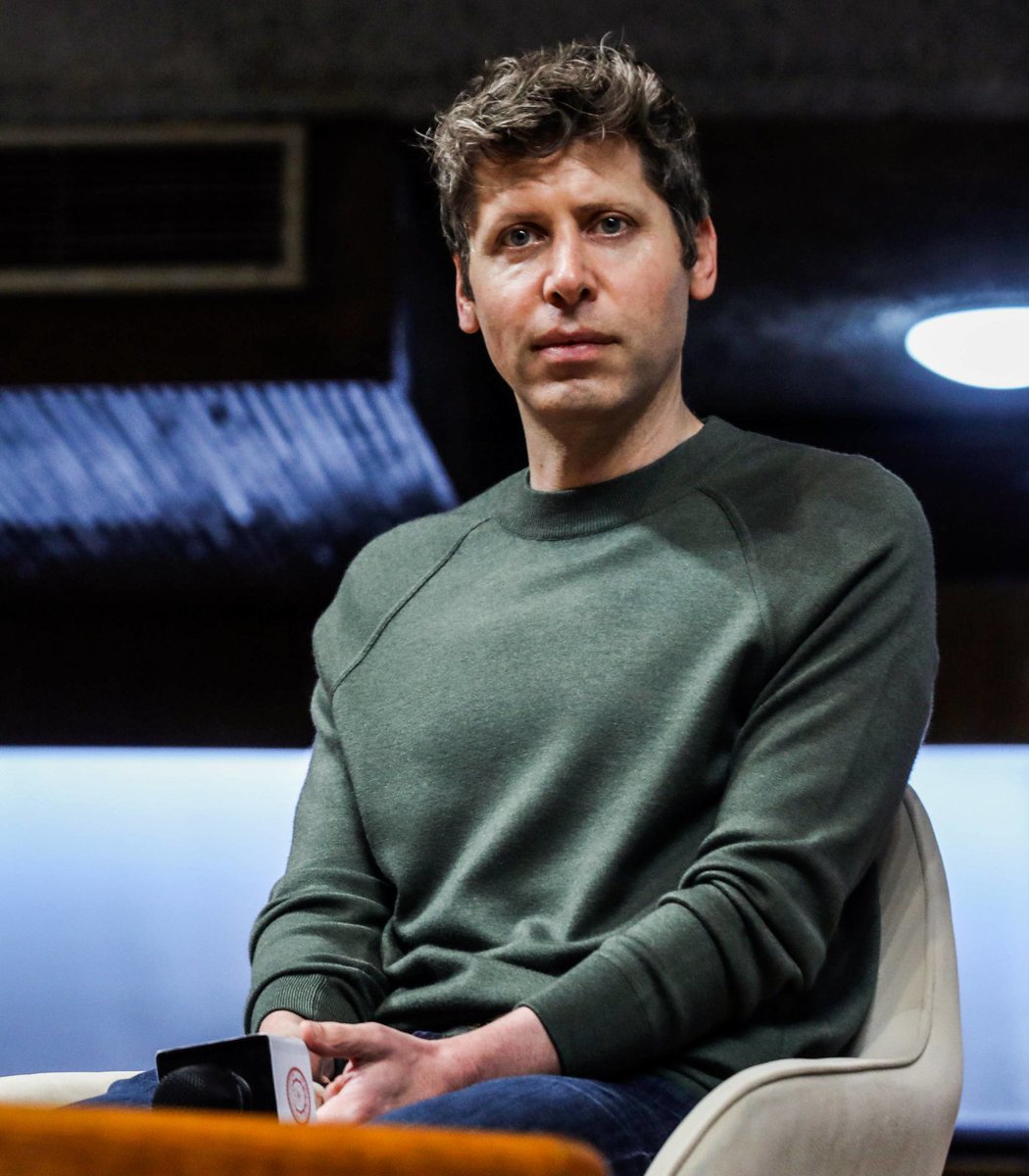
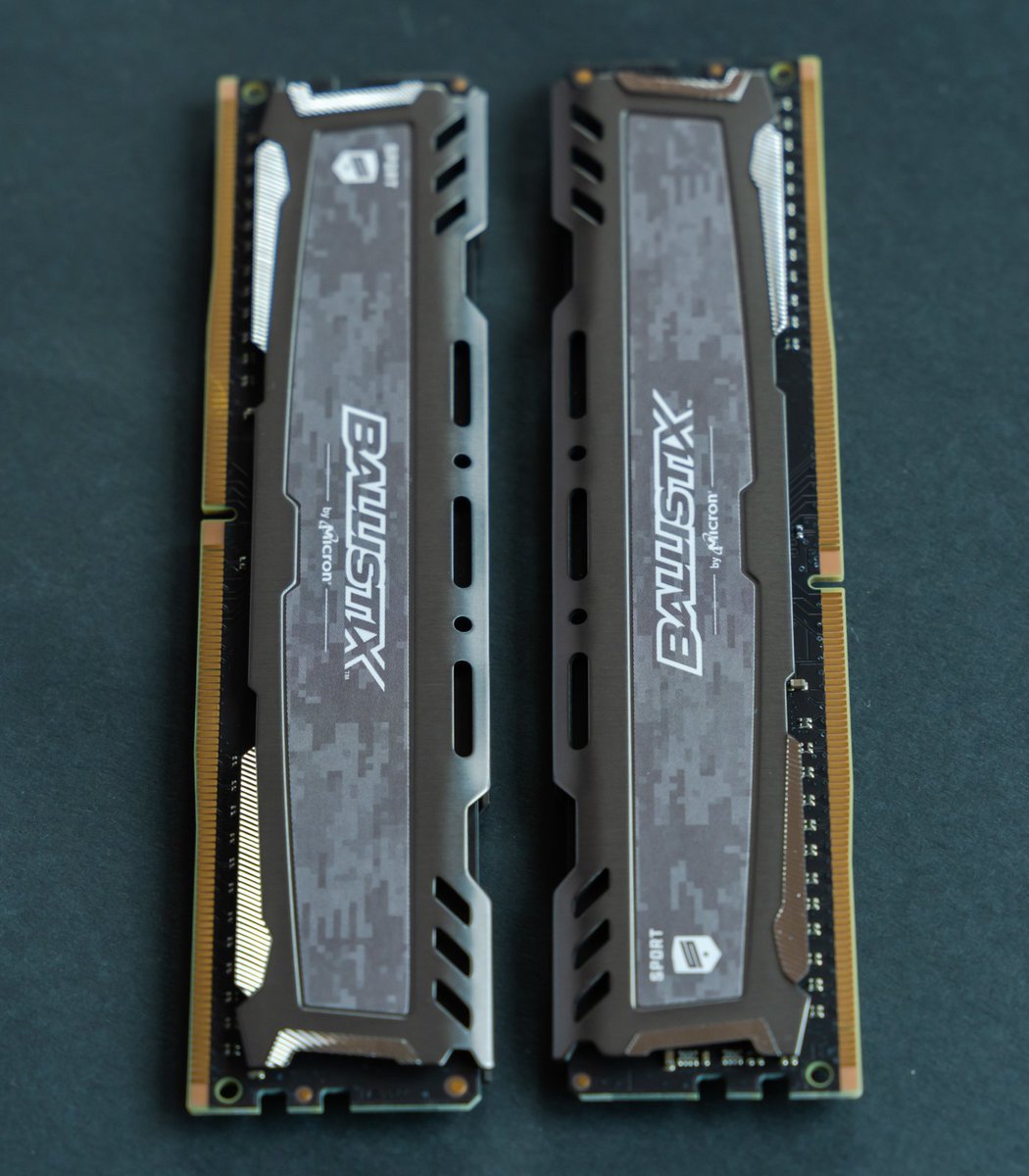
OpenAI CEO Sam Altman believes people owning RAM is wasteful, and that it belongs in data centers instead.
"From a global allocation perspective, actually, it’s quite terrible to have everyone have a bunch of the world’s limited supply of DRAM sitting in their own computer."
He gave up the largest American army ever surrendered in the Revolution, a catastrophe that nearly lost the entire South, and then, a year and a half later, history handed him the sword of the surrendering British army at Yorktown. The arc of Benjamin Lincoln's war runs from the deepest humiliation to the sweetest vindication, and almost no one remembers his name.
Lincoln was not a dashing figure. He was a heavyset Massachusetts farmer, plain and dutiful, who rose through the militia to become a trusted Continental general. He had already given his body to the cause once, shattering his ankle in the Saratoga campaign, a wound that left him limping for the rest of his life. Then, in 1779, he was given one of the hardest jobs in the war: command of the American Southern Department, charged with defending the South against a full British invasion.
It went terribly. In 1780 the British came for Charleston, South Carolina, the great prize of the South, with overwhelming force by land and sea. Lincoln let himself and his army get bottled up inside the city, and once the British closed the trap, there was no way out. After a grinding siege, on May 12, 1780, Lincoln surrendered. And the scale of it was staggering: more than 5,000 American troops laid down their arms, the single largest American surrender of the entire Revolutionary War, a record that would stand for generations.
The humiliation was deliberate and total. The British commander denied Lincoln the honors of war, the traditional courtesies allowed a garrison that had fought bravely. His soldiers were not permitted to march out with flags flying or to play an enemy tune. They were made to grovel in their defeat. It was a personal and professional disgrace that cut Lincoln deeply, and it left the American cause in the South in ruins, with its main army simply gone.
Most men would have vanished from history under a blow like that. Lincoln did not. He was exchanged, returned to duty, and swallowed his pride to serve again, this time as Washington's second-in-command. And that is where fate, and George Washington, arranged one of the most satisfying reversals in American history.
At Yorktown in October 1781, when the trapped Cornwallis finally surrendered, Washington made sure the defeated British tasted the exact humiliation they had dealt at Charleston. He insisted that Cornwallis's army be denied the honors of war, the very same terms, flags furled, forbidden to play an American or French tune, forced to play a British march, just as Lincoln's men had been forced to do. And when the sword of surrender was brought forward, Washington, who would not accept it from a subordinate himself, directed that it be received by his own second-in-command: Benjamin Lincoln. The man who had endured the worst surrender of the war was the man who formally accepted the British surrender that effectively won it.
Historians will tell you, fairly, that part of this was simple military protocol, officers of equal rank dealing with each other, rather than pure poetic revenge. But the symbolism was unmistakable and surely intended, and it was not lost on anyone present. Remember Benjamin Lincoln. He tried, and he failed, about as badly as an American general could fail, and he had every reason to quit in shame. Instead he kept serving, and he lived to stand at Yorktown and take the enemy's surrender. Sometimes the measure of a man is not that he never failed, but what he did after he failed worse than anyone.