Meet the Ministers, Parliamentarians, and global health leaders shaping the future of Pandemic Prevention, Preparedness and Response (#PPPR) financing, and hear firsthand the commitments and political leadership driving this agenda forward.
#ItsTimeToUNITE
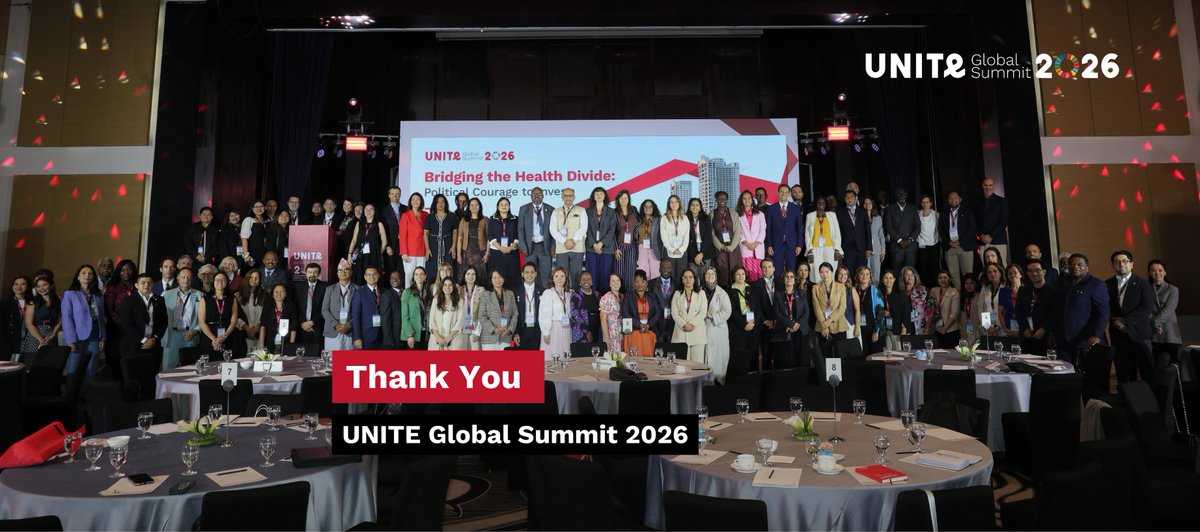
As #UGS2026 comes to a close, we want to extend our heartfelt thanks to everyone who made this year's UNITE Global Summit a success. This year’s Summit welcomed more parliamentarians in-person than ever before, with over 160 participants from 42 countries.
Until next time.
𝐏𝐨𝐩𝐮𝐥𝐚𝐭𝐢𝐨𝐧 𝐦𝐚𝐧𝐚𝐠𝐞𝐦𝐞𝐧𝐭 𝐢𝐬 𝐜𝐞𝐧𝐭𝐫𝐚𝐥 𝐭𝐨 𝐍𝐢𝐠𝐞𝐫𝐢𝐚'𝐬 𝐬𝐮𝐬𝐭𝐚𝐢𝐧𝐚𝐛𝐥𝐞 𝐝𝐞𝐯𝐞𝐥𝐨𝐩𝐦𝐞𝐧𝐭 𝐚𝐠𝐞𝐧𝐝𝐚.
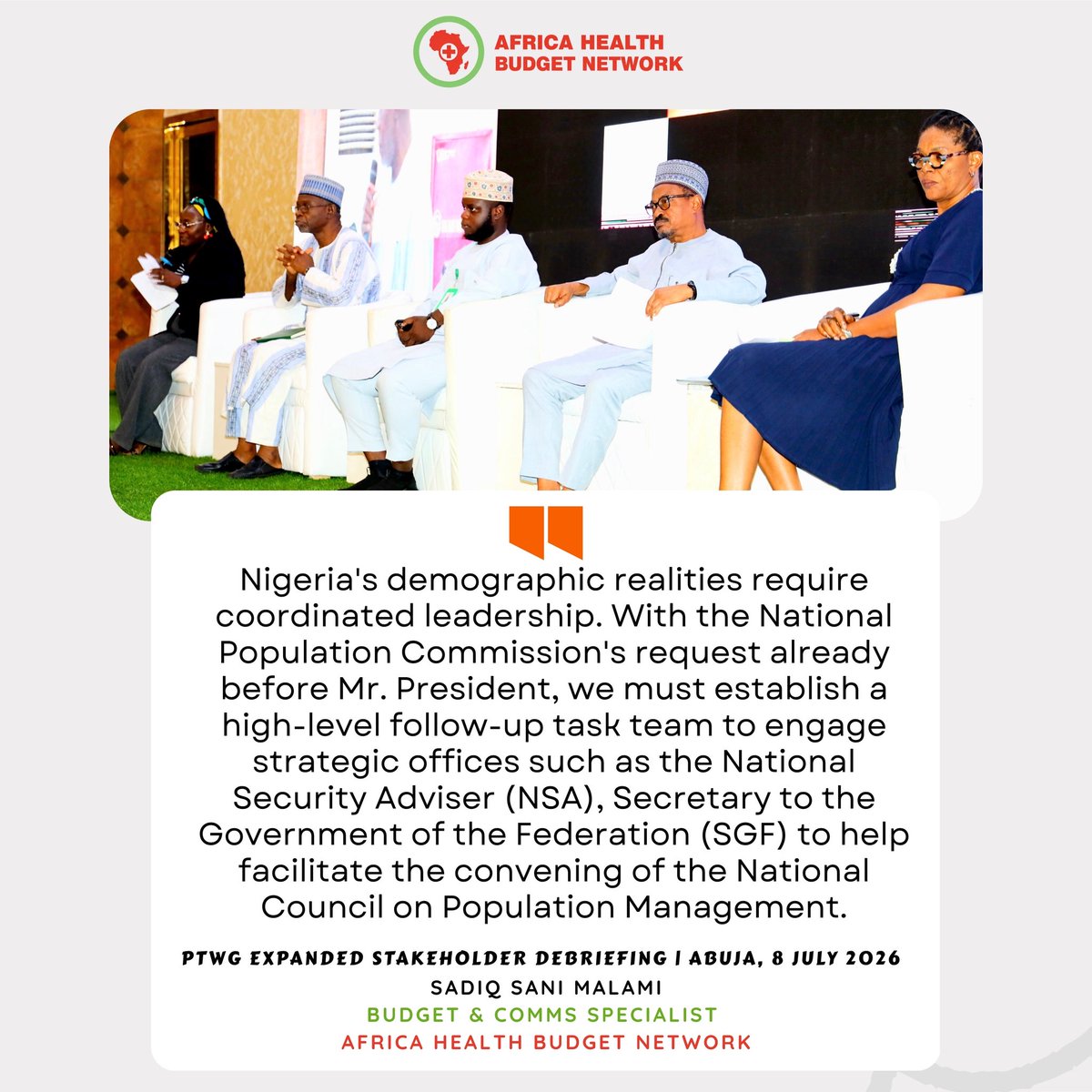
On 8 July 2026, at the Population Technical Working Group (PTWG) Expanded Stakeholder Debriefing and Strategic Engagement Meeting in Abuja, Sadiq Malami, Budget and Communications Specialist at the Africa Health Budget Network (AHBN), represented Dr. Aminu Magashi Garba, Coordinator of AHBN, during a high-level panel discussion on the imperative of convening the National Council on Population Management (NCPM).
During the discussion, he emphasized that Nigeria's rapidly growing population, coupled with rising insecurity, unemployment, climate change, urbanization, and increasing pressure on health, education, and other public services, requires coordinated leadership at the highest level. He further called for the establishment of a high-level follow-up task team to support the National Population Commission in sustaining engagement on its formal request to Mr. President by leveraging strategic government offices and key champions to facilitate the convening of the Council.
As Nigeria continues to navigate complex demographic and development challenges, stakeholders agreed that translating existing policy frameworks into coordinated action is now imperative. Convening the National Council on Population Management would provide the leadership platform needed to drive that action.
𝐀𝐇𝐁𝐍 𝐂𝐨𝐧𝐠𝐫𝐚𝐭𝐮𝐥𝐚𝐭𝐞𝐬 𝐇𝐨𝐧. 𝐀𝐦𝐨𝐬 𝐆𝐰𝐚𝐦𝐧𝐚 𝐌𝐚𝐠𝐚𝐣𝐢 𝐨𝐧 𝐏𝐫𝐢𝐦𝐚𝐫𝐲 𝐄𝐥𝐞𝐜𝐭𝐢𝐨𝐧 𝐕𝐢𝐜𝐭𝐨𝐫𝐲 𝐭𝐨 𝐂𝐨𝐧𝐬𝐨𝐥𝐢𝐝𝐚𝐭𝐞 𝐆𝐚𝐢𝐧𝐬 𝐨𝐟 𝐇𝐞𝐚𝐥𝐭𝐡 𝐎𝐯𝐞𝐫𝐬𝐢𝐠𝐡𝐭 𝐚𝐧𝐝 𝐋𝐞𝐠𝐢𝐬𝐥𝐚𝐭𝐢𝐨𝐧
Wednesday, 15 July 2026 – The Africa Health Budget Network (AHBN) paid a congratulatory visit to Hon. Amos Gwamna Magaji following his victory in the primary elections.
Hon. Magaji, who represents Zangon Kataf/Jaba Federal Constituency of Kaduna State in the 10th National Assembly and serves as the Chairman, House Committee on Healthcare Services, expressed his commitment to consolidating the gains recorded in health oversight and legislation during the remainder of the current legislative term ahead of the 2027 general elections.
During the engagement, discussions focused on his vision for strengthening Universal Health Coverage (UHC) by leveraging the National Health Insurance Authority (NHIA) and other key health institutions to improve healthcare financing, accountability, and equitable access to quality health services for all Nigerians.
The AHBN delegation was led by the Network Coordinator, Dr. Aminu Magashi Garba, and included Hon. Muhammad Usman, Amina Haladu, and Sadiq Malami.
29 million people live with chronic HBV/HCV in Europe. This review from the @ISGLOBALorg team examines a decade of care models and what's needed to hit 2030 elimination targets.
Read here: https://t.co/DTvQLqnRqj
#WorldHepatitisDay
Our latest newsletter is now available!
𝐌𝐞𝐝𝐢𝐚 𝐑𝐨𝐮𝐧𝐝-𝐮𝐩 𝐟𝐫𝐨𝐦 𝐭𝐡𝐞 𝐍𝐨𝐫𝐭𝐡𝐞𝐫𝐧 𝐆𝐨𝐯𝐞𝐫𝐧𝐨𝐫𝐬’ 𝐒𝐮𝐦𝐦𝐢𝐭 𝐨𝐧 𝐇𝐮𝐦𝐚𝐧 𝐂𝐚𝐩𝐢𝐭𝐚𝐥 𝐃𝐞𝐯𝐞𝐥𝐨𝐩𝐦𝐞𝐧𝐭
This edition brings together key media highlights, major announcements, and notable discussions from the Summit, capturing the conversations shaping the future of human capital development in Northern Nigeria.
🔗 https://t.co/tVJYDjRqBH
Happy reading!
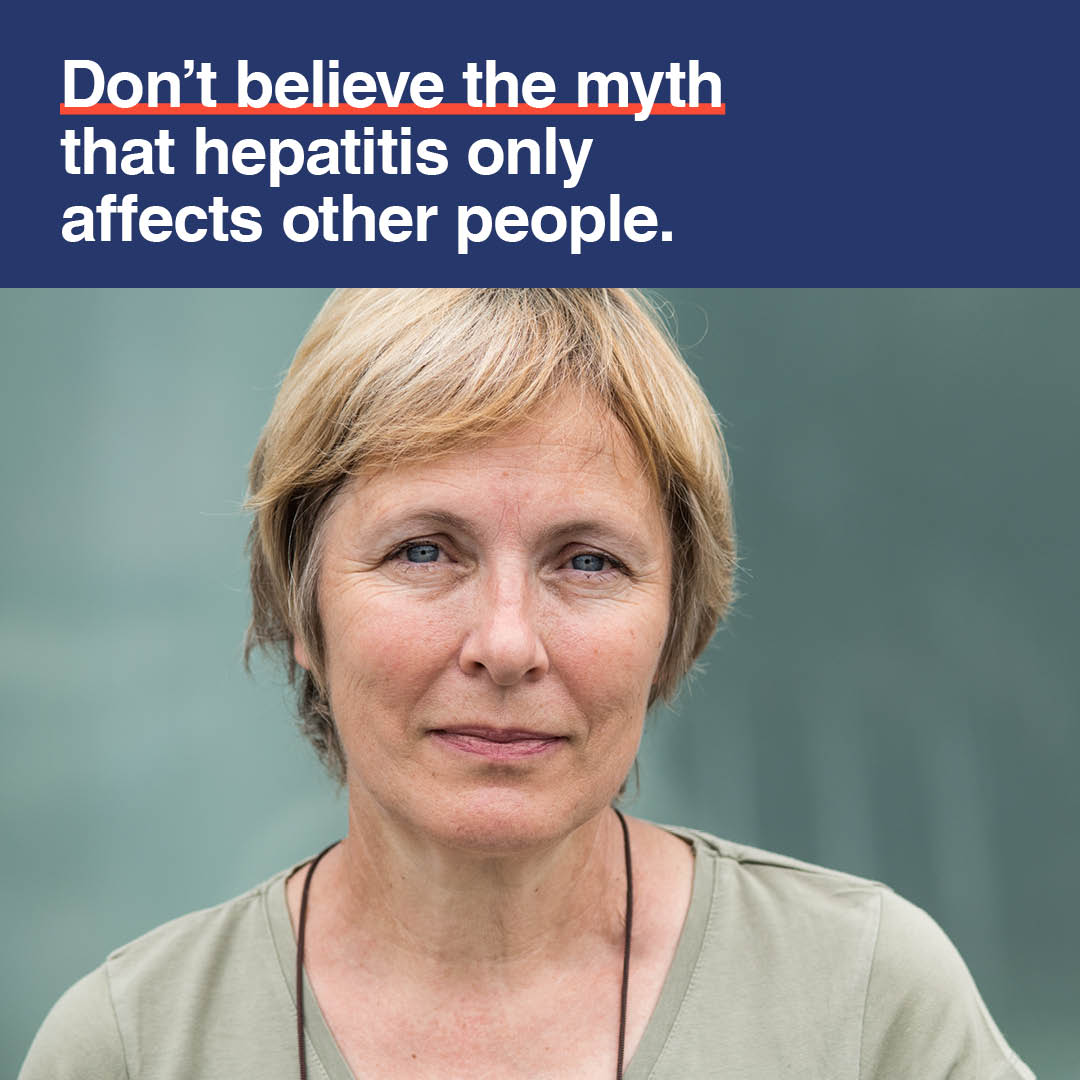
Today is #WorldHepatitisDay
Viral hepatitis often causes no symptoms until it's too late. Chronic hepatitis B and C are the leading cause of liver cancer. Yet with proven tests, treatments, vaccines, and a cure, elimination is within reach.
@Hep_Alliance
Next week at #UGS2026, we officially launch UNITE Connect.
It is the new digital tool of the Network, built to transform the way our 550+ parliamentarians from 120 countries and global health partners connect, collaborate, and advance health policy together.
𝐎𝐧𝐞 𝐌𝐨𝐧𝐭𝐡 𝐔𝐧𝐭𝐢𝐥 𝐭𝐡𝐞 #UGS2026 !
In four weeks, on August 3rd and 4th, Manila will welcome parliamentarians, global health leaders, and civil society from around the world.
Can’t make it to Manila?
If you’re a UNITE Member, stay tuned to our official channels
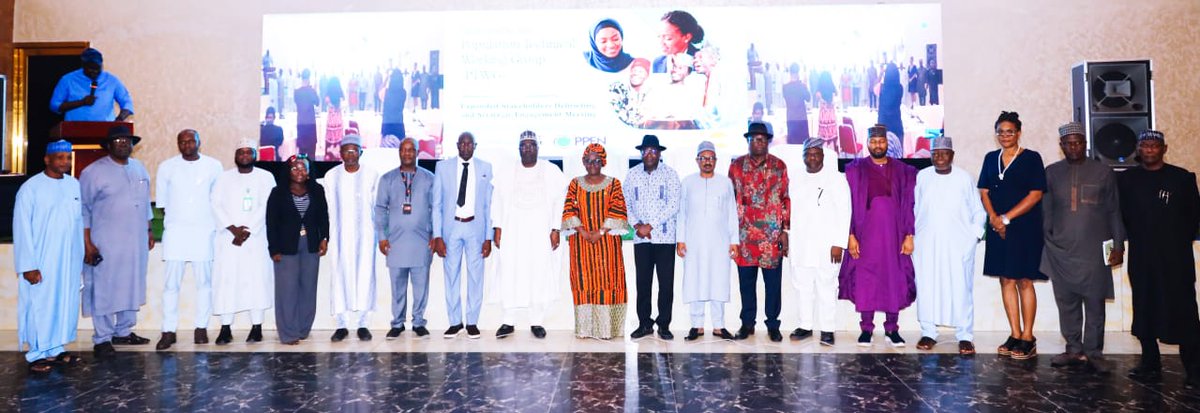
The Chairman of the National Population Commission, Dr. Aminu Yusuf, today, 8th July 2026, declared open the Population Technical Working Group (PTWG) Expanded Stakeholders Debriefing and Strategic Engagement Meeting held at the Exclusive Serene Hotel, Wuye, Abuja.
#NHWQUOTEOFTHEWEEK
Health security is only as strong as the systems that connect us. As disease threats continue to cross borders with ease, preparedness must be backed by coordinated policies, sustained investment in surveillance, and stronger regional cooperation.
Building resilient health systems means making cross-border collaboration a core pillar of public health, and not a response reserved for emergencies.
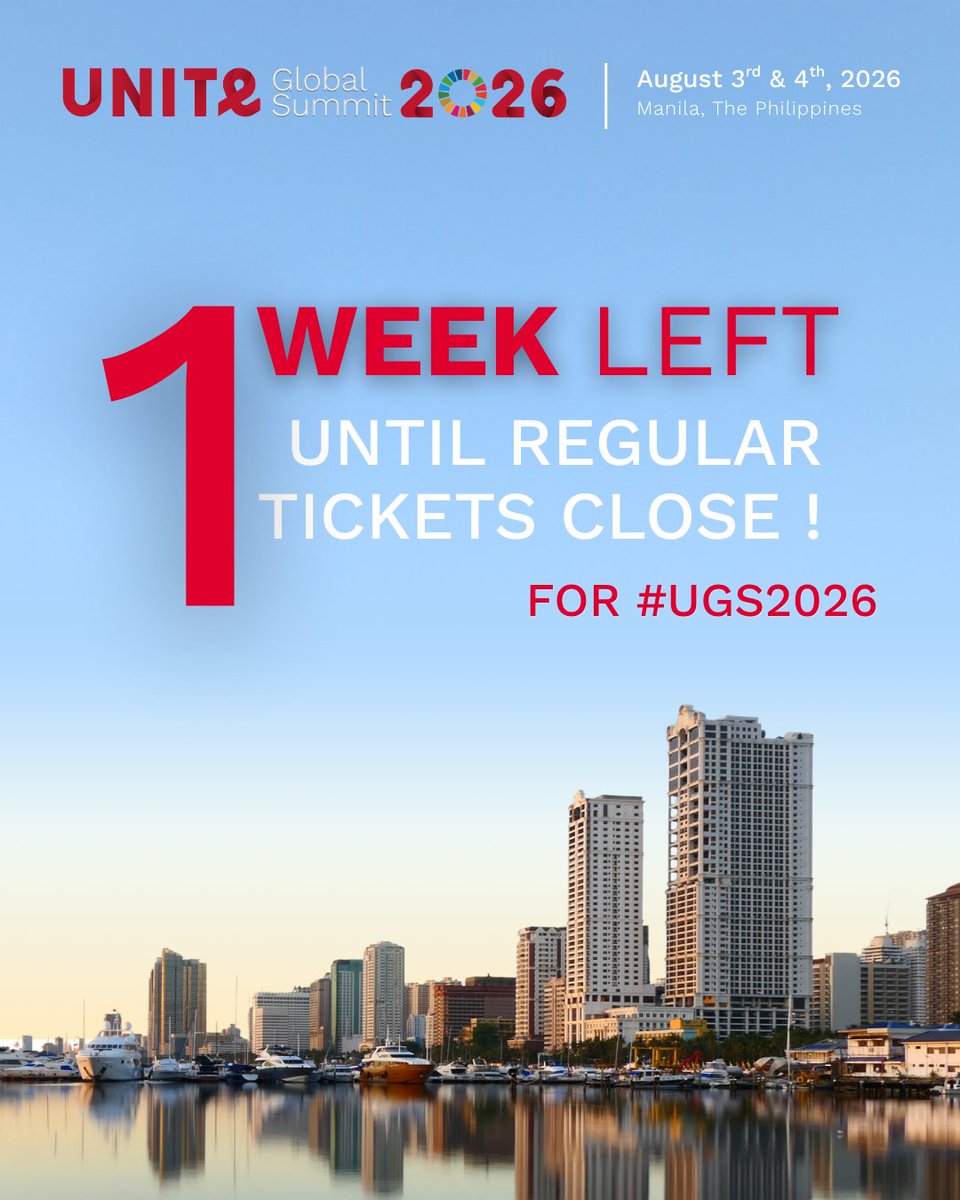
⏳ Just 1 week left until #UGS2026 regular registration closes!
Join MPs and health leaders on August 3rd & 4th at the Manila Marriott Hotel, The Philippines.
🎟️Register here: https://t.co/WX2Tds9Udk
📧Subscribe to our newsletter and stay updated: https://t.co/WiFS6g8iyW
𝐆𝐥𝐨𝐛𝐚𝐥 𝐓𝐕 𝐅𝐞𝐚𝐭𝐮𝐫𝐞𝐬 𝐃𝐫 𝐌𝐚𝐠𝐚𝐬𝐡𝐢'𝐬 𝐀𝐝𝐯𝐨𝐜𝐚𝐜𝐲 𝐟𝐨𝐫 𝐇𝐞𝐚𝐥𝐭𝐡 𝐅𝐢𝐧𝐚𝐧𝐜𝐢𝐧𝐠 𝐚𝐭 𝐭𝐡𝐞 𝐇𝐮𝐦𝐚𝐧 𝐂𝐚𝐩𝐢𝐭𝐚𝐥 𝐃𝐞𝐯𝐞𝐥𝐨𝐩𝐦𝐞𝐧𝐭 𝐒𝐮𝐦𝐦𝐢𝐭 𝐟𝐨𝐫 𝐍𝐨𝐫𝐭𝐡𝐞𝐫𝐧 𝐍𝐢𝐠𝐞𝐫𝐢𝐚
24 𝐽𝑢𝑛𝑒 2026
At the Human Capital Development Summit for Northern Nigeria, AHBN Coordinator, Dr. Aminu Magashi Garba, reinforced a critical message: sustainable human capital development begins with sustained investments in health.
Speaking before Northern Governors, Ministers, senior government officials, development partners, and other key stakeholders, Dr. Magashi emphasized the need for states to prioritize domestic health financing, strengthen primary healthcare systems, and institutionalize accountability mechanisms that ensure resources translate into measurable outcomes for citizens.
He highlighted that improving health outcomes is not only a social obligation but also a strategic investment in productivity, economic resilience, and sustainable development.
Details of Proposed Constitutional Amendments for the Establishment of State Police and Federal Police
1. Establishment of Federal Police and State Police (New Section 214)
• Two distinct police bodies are constitutionally established:
• (a) the Federal Police
• (b) State Police (one per State, established by State law)
The National Assembly must pass an Act prescribing:
• Structure, organisation, administration, and powers of the Federal Police
• Framework and guidelines for the establishment of State Police
• State Police cannot commence operational policing until:
• Established by a Law of the State House of Assembly, and
• Certified as meeting national minimum standards (prescribed by an Act of the National Assembly)
• Transitional provision: Until a State Police becomes operational, the Federal Police continues all policing functions in that State. After commencement, the Federal Police handles federal policing functions and may provide assistance to the State Police.
2. Responsibilities and Non-Interference (Section 214)
Federal Police is responsible for:
• Maintenance of public security, public order, and security of persons/property throughout the Federation (to the extent provided by the Constitution or National Assembly Act).
• Similar functions within a State to the extent the State has legislative power under the Constitution.
Key safeguard against federal overreach (Section 214(6)):
The Federal Police shall not interfere with State Police operations or a State’s internal security affairs except in these limited cases:
• To contain serious threats where there is a complete breakdown of law and order and the State Police is unable to respond.
• When the Governor requests intervention.
• When a State Police is unable to function due to administrative, financial, or other problems.
Any such intervention requires prior approval by the National Police Council.
Federal Capital Territory (FCT): Fully under the jurisdiction and operational control of the Federal Police.
3. Leadership and Command (New Section 215)
• Federal Police: Headed by the Inspector-General of Police (IGP).
• Appointed by the President on the advice of the National Police Council, from serving members of the Federal Police.
• Subject to confirmation by the National Assembly.
• The IGP has command over the entire Federal Police, including contingents in States.
• The President (or authorised Minister) may give lawful directions on public safety and order; the IGP must comply.
• State Police: Headed by a Commissioner of Police (CP).
• Appointed by the Governor on the advice of the National Police Council, from serving members of the State Police.
• Subject to confirmation by the State House of Assembly.
• The Governor (or authorised Commissioner) may give lawful directions on public safety and order; the CP must comply.
• If the CP believes a direction is unlawful or contradicts general policing standards, the matter can be referred to the National Police Council (whose decision is final).
4. Removal of Top Officers (New Section 216)
• IGP: Removed only by the President on the recommendation of the National Police Council for specified grounds (grave misconduct, breach of Police Act/Regulations/Code of Conduct, conviction for fraud/dishonesty, bankruptcy, or mental incapacity). Requires two-thirds majority approval of the National Assembly.
• State Commissioner of Police: Removed only by the Governor on the recommendation of the National Police Council for similar grounds. Requires two-thirds majority approval of the State House of Assembly.
5. Funding Support (New Section 216A)
The Federal Government shall provide grants or aids to State Police on the recommendation of the National Police Council, subject to approval by the National Assembly.
6. Oversight Bodies
National Police Council (restructured and renamed from the old Nigeria Police Council; new composition and expanded functions in Third Schedule):
• Broad membership including: Chairman (Presidential appointee confirmed by NA), Attorney-General of the Federation, serving senior Federal Police officer, Attorneys-General of all States, retired Commissioners of Police (one per geo-political zone), representatives of NHRC, Public Complaints Commission, NLC, NBA, NUJ, and Traditional Rulers’ Councils.
• Key functions: Appointment and discipline of Federal Police officers (except IGP); recommending State top officers (CP, DCP, ACP) to Governors based on State PSC lists; supervising Federal and State Police activities (within constitutional limits); setting standards for training, intelligence, forensics; assisting State Police on request.
State Police Service Commission (new body established for each State in Third Schedule, Part II):
• Composition: Chairman (appointed by Governor, confirmed by State HA), representatives of NHRC, Public Complaints Commission, NLC, NBA, NUJ, retired Assistant Commissioners of Police (one per senatorial district), and Traditional Rulers’ Council.
• Functions: Recommending three qualified candidates for CP/DCP/ACP to the National Police Council; appointment, discipline, and removal of State Police officers below the rank of Assistant Commissioner of Police; other functions as prescribed by Constitution or National Assembly Act.
7. Legislative Framework (Second Schedule – Concurrent Legislative List)
• National Assembly may make laws on: establishment/organisation/administration/powers/duties of Federal Police; powers/duties of State Police; national minimum standards for both; policing standards, inspection, certification, complaints mechanisms, criminal information systems, inter-governmental cooperation, federal intervention, use of force, firearms, grants, and accountability.
• State Houses of Assembly may make laws for the establishment, organisation, administration, funding, and oversight of their State Police — but must comply with the Constitution and valid National Assembly Acts.
• States may set higher standards than national minimums but not lower.
• National Assembly laws cannot give federal authorities routine command, deployment, appointment, promotion, transfer, discipline, or control over State Police personnel (except for explicitly authorised federal intervention).
8. Other Related Changes
• Updates to various constitutional provisions (e.g., Sections 34, 35, 39, 42, 84, 89, 129, 153) to replace references to “Nigeria Police Force” with appropriate “Police”, “Federal Police”, or “State Police” terminology.
• Exclusive Legislative List adjustments (e.g., light arms for policing purposes; fingerprints/biometrics/forensics shared with State Police; Federal Police listed separately).
• Consequential amendments to the Third Schedule for the new bodies and their compositions/powers.
Public health is shaped by the policies we make, the environments we create, and the choices we incentivise.
The Nigerian Senate's passage of the Customs, Excise Tariff (Consolidation) Act (Amendment) Bill, 2025 (Pro-Health Tax Bill), sponsored by Senator Dr @HarryBanigo, Chairman of the Senate Committee on Health, reflects a strategic shift toward using fiscal policy to improve public health outcomes while unlocking critical funding for the nation's healthcare system.
As non-communicable diseases such as diabetes, hypertension, obesity, heart disease, and some cancers continue to rise, the cost is measured not only in lives lost, but also in increased healthcare spending, reduced productivity, and growing pressure on households and the health system.
#HealthTaxesNG
𝐀𝐟𝐫𝐢𝐜𝐚 𝐑𝐞𝐠𝐢𝐨𝐧𝐚𝐥 𝐏𝐫𝐞𝐬𝐬 𝐒𝐭𝐚𝐭𝐞𝐦𝐞𝐧𝐭 𝐌𝐚𝐫𝐤𝐢𝐧𝐠 𝐖𝐨𝐫𝐥𝐝 𝐈𝐦𝐦𝐮𝐧𝐢𝐳𝐚𝐭𝐢𝐨𝐧 𝐖𝐞𝐞𝐤 𝟐𝟎𝟐𝟔
📍 Abuja, Nigeria | April 24, 2026
As Africa marks World Immunization Week 2026, AHBN stands with partners across the continent to emphasize that vaccines are not just health interventions, they are a matter of equity, justice, and survival for every child.
Reaching zero-dose and underserved communities requires more than awareness; it demands stronger financing, accountability, and deliberate action to ensure no child is left behind.
Joint Statement from UNITE Executive Director, @guilhrme_duarte and UNITE Founder & President, Hon. @RBaptistaLeite on the postponement of the UNITE Global Summit 2026.
New dates to be announced soon.
Read the full statement on our website: https://t.co/9tXFEgQyy4
As public budgets tighten and healthcare costs continue to rise, Nigeria must rethink how care is financed.
Tomorrow, the much-anticipated #HFN2026 kicks off under the theme: Transforming Healthcare Financing to Achieve Quality Outcomes & Universal Health Coverage.
Meet the speakers who will lead the conversations shaping Nigeria’s healthcare financing transformation. You can still register to attend:
Register: https://t.co/urlSbxJSZX