The newest episode puts that cipher next to Moses, Daniel, and restoration history. Judge the framework for yourself—start with the article that ties Ben Kathryn to Gog, Magog, and the seventy weeks: https://t.co/j3XmMf0uSK
The Book of Ben Kathryn is treated on GatheredIn as a modern Jewish prophetic text that unlocks older biblical calendars—especially Daniel’s seventy weeks and Ezekiel’s war language—without baptizing every evangelical tribulation chart.
Whether you approach it as revelation, channeling, or a serious spiritual puzzle, the claim is bold: heaven still speaks in patterns that reshape how Christians and Jews read “the times of the Gentiles,” probation, and Israel’s next chapter.
Zion National Park will reopen the Zion-Mt. Carmel Highway to visitors after a large rockfall damaged the roadway and forced a closure.
https://t.co/iw3WcMEefA
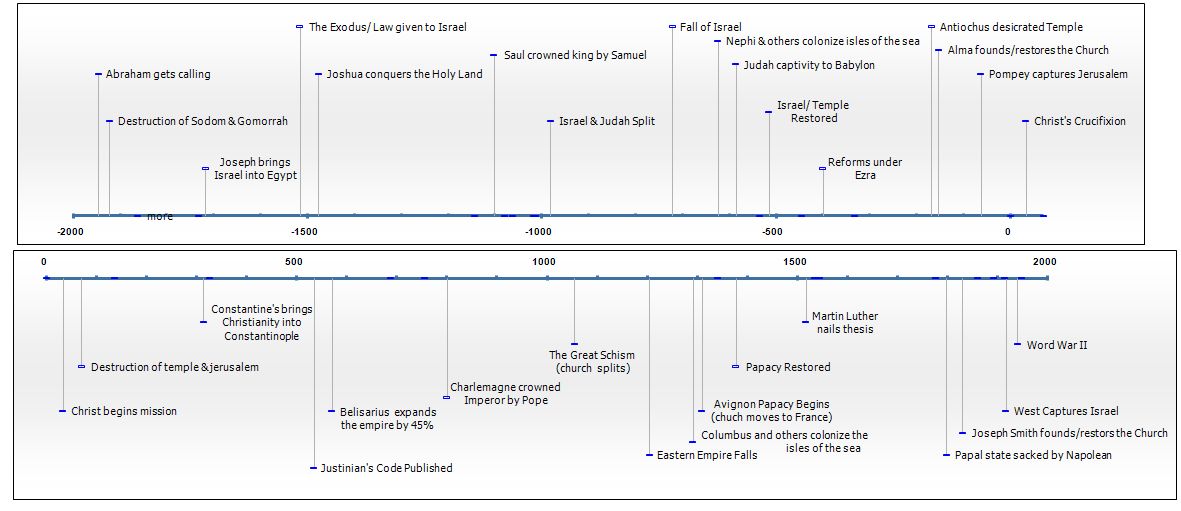
One of the episode’s sharpest ideas is an offset—about 132 years—between Ephraim’s story and Judah’s, so restoration milestones do not land on the same calendar for both houses.
Patterns can frame hope and caution; they become traps when we demand the future obey our spreadsheet. Prophecy, in this view, is often intentionally nebulous so faith stays awake without becoming a prediction market.
In that frame, the war is a sign that the Times of the Gentiles are winding down and Judah’s restoration age is rising—not proof that the world ends next Tuesday. Misread that sign, and entire churches build hope (or fear) on the wrong climax.
Instead of silence between the Testaments and now, the Gentile era itself becomes part of the prophetic canvas: watchmen, probation, and a 70th week that asks whether Western Christianity still carries the light it claims.
That tension—pattern yes, calendar worship no—is the heart of the episode. If you care how Daniel, restoration history, and modern Israel talk to each other without collapsing into date-setting, start here: https://t.co/j3XmMf0uSK
Biblical prophecy often gets treated like a countdown clock. In the latest GatheredIn conversation, Lance Weaver and Ryan Hinckley push a different frame:
It is to ask whether heaven has used symbolic calendars and historical rhymes so people can recognize a season when it arrives, while still leaving room for events to unfold more gradually (or differently) than charts predict.