Its FYB week, and I'm feeling both proud and emotional. 💃
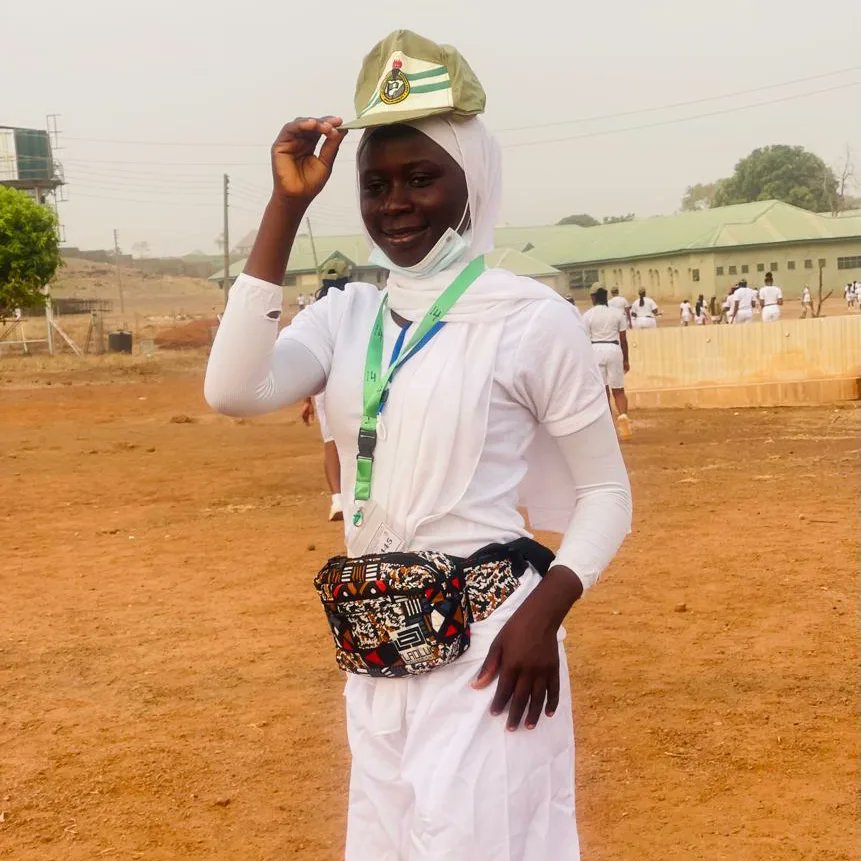
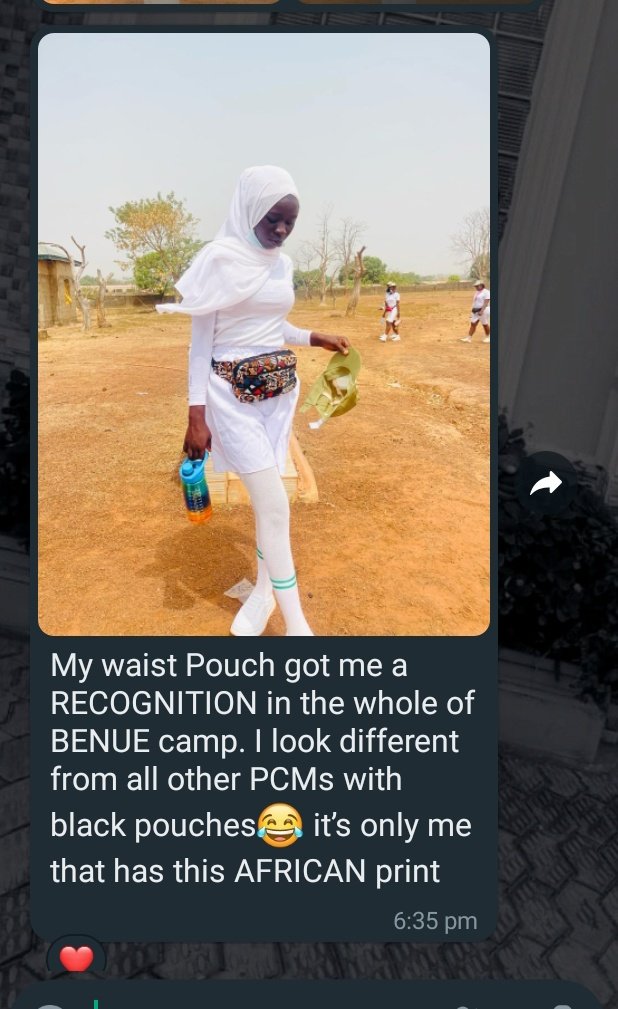
Today, I stepped out in a sleek outfit, paired with an exquisite African print bag from Laolu’s collection.
This day is not just about looking sharp;
#FYB
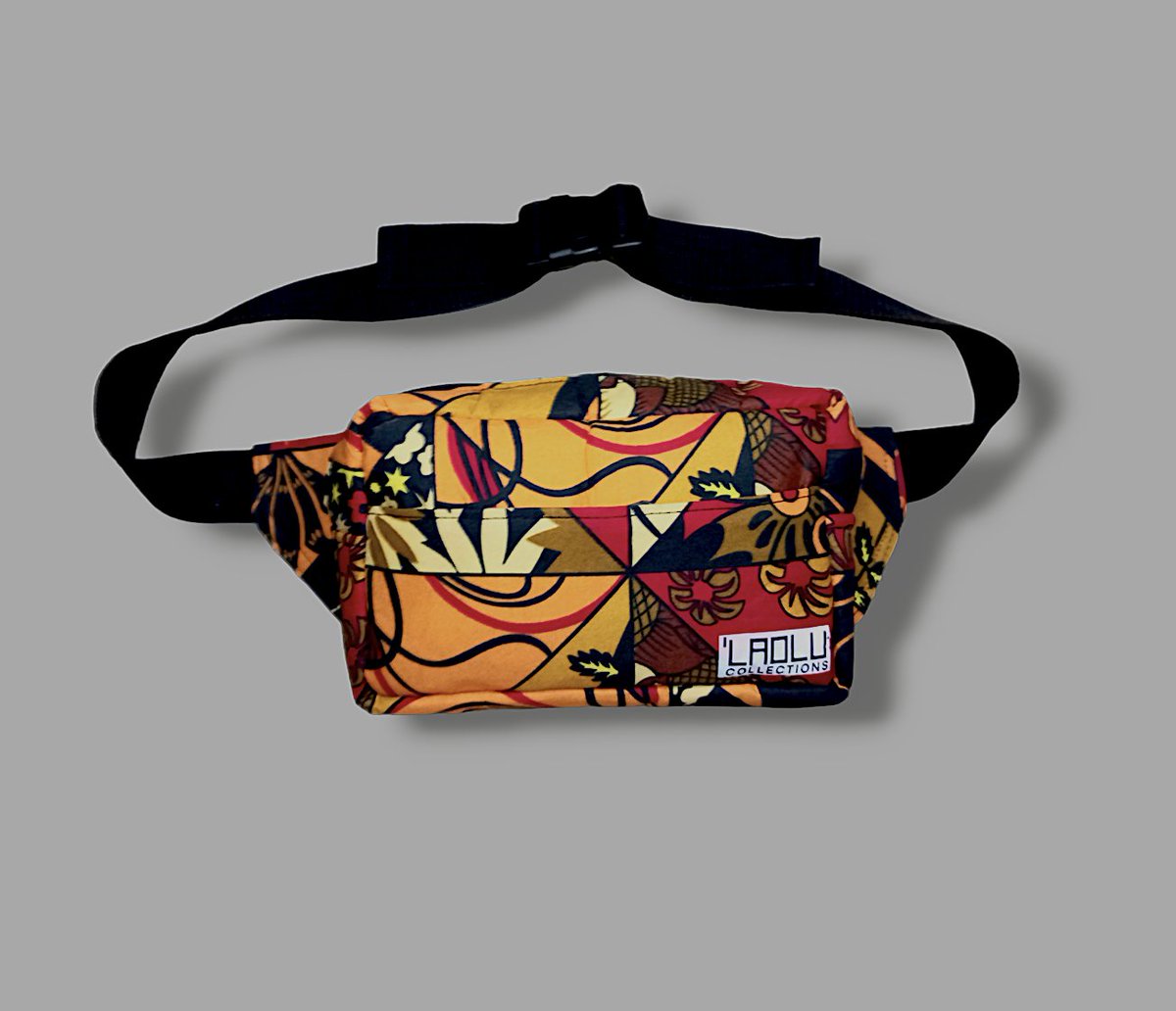
Update your fashion style with the classy Laolu Fanny pack. It is comfy. It keeps your gadgets safe and secured.
There are only five units of this. You certainly want to get one for yourself.
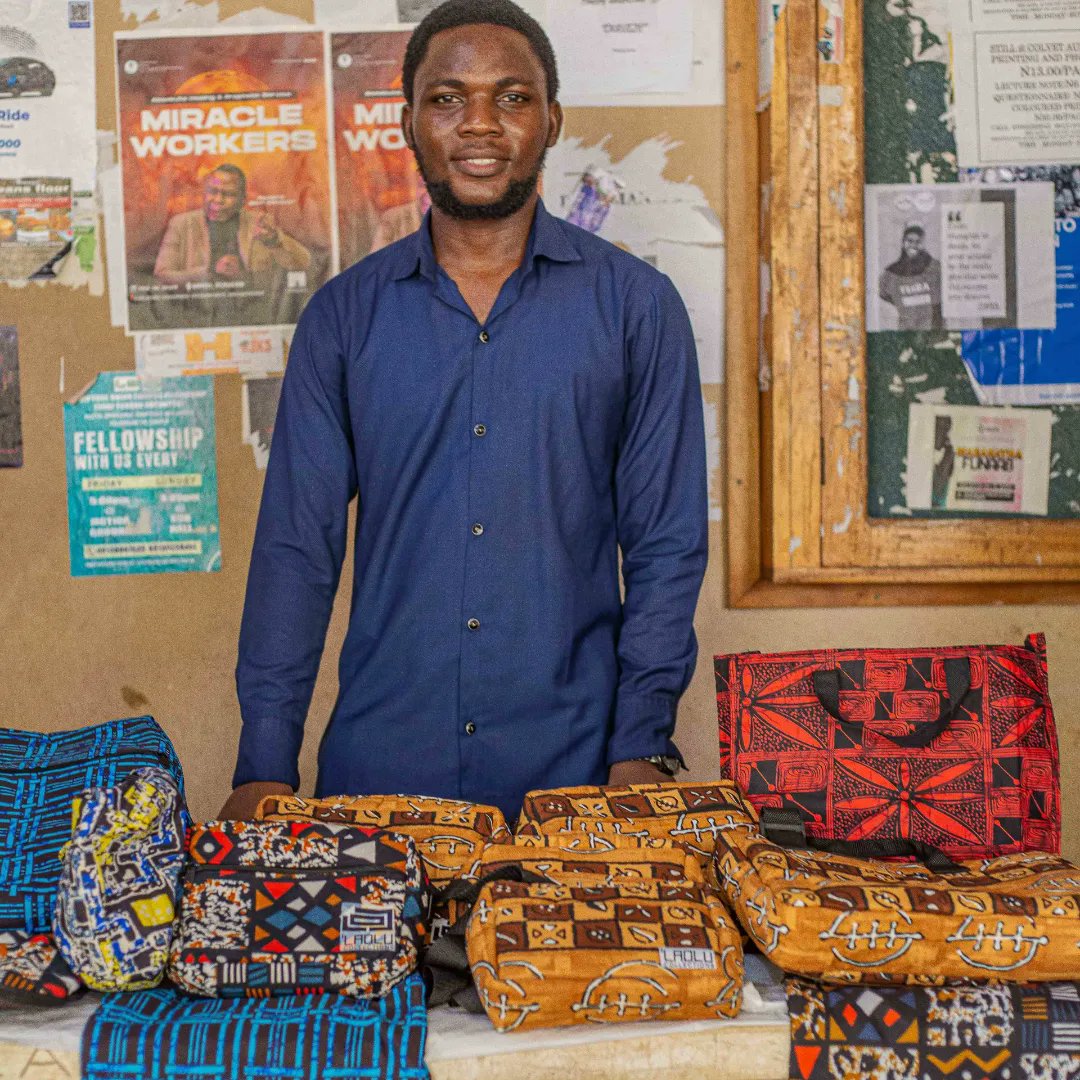
We established our presence at FUNAAB, Abeokuta last Wednesday at the summit organised by @freshmensummit f
The reception was amazing. Thanks to @Thegoodybrand for the opportunity and @SalvationGrace_ for the recommendation.
Igbo Yoruba Fubara 400 SUVs Welcome to Lagos
A devalued currency does not mean a poor economy. It is fallacious to say Nigeria's economy is in shambles or in a poor condition, or even worse off than where Buhari left it, because of the floating of the Naira. Overall, our economy has expanded, according to the World Bank, and is set to grow by 3% this year. Additionally, Nigeria has been upgraded by both Moody's and Standard and Poor's, which are the largest financial ratings firms on the planet. And our Stock Market is now the best performing on Earth.
Countries that used to be in our situation, like Vietnam and Brazil, actively seek a weaker currency because that is about the only way to force citizens to move from consumption to production. Many Nigerians, on their own, are not patriotic enough to consume local goods and services in order to build the economy.
The floatation is working. And that is why all major Presidential candidates, including Bola Tinubu, Waziri Atiku Abubakar and Peter Obi, said they would float the Naira. Irrespective of who won in 2023, Naira flotation was going to be a reality.
We will never grow as a country if we use our foreign exchange earnings to fund the importation of tomato paste from Italy, human hair from India, and rice from Thailand. And the $20 million we spend on MTN and Airtel daily is only destroying our economy. Our Naira bends to reflect our consumption trends.
I repeat, as long as the Naira is floated, Nigeria cannot keep choosing foreign goods and services and expect the Naira to appreciate. We must build our country the way other people built theirs. Whether we sink or swim now depends on our consumption habits, not just Tinubu and the Central Bank of Nigeria.
On the side of the government, they have to ensure all expatriate workers in Nigeria are paid in Naira, not dollars. In fact, it should be a crime to transact commerce in Nigeria, whether offline or online, in any currency other than Naira. Western Union and other money remittance apps must make payouts in Naira or exit Nigeria.
Public officials must use Glo for official calls, not MTN and Airtel. And fly Air Peace internationally, except Air Peace does not fit the route. At the same time, the government must only buy Innoson vehicles, except where there is a COMPELLING security need to use a non-Innoson vehicle.
In the part of the private sector, let us return to the cassava bread policy of the Jonathan era. We cannot keep eating bread made from imported wheat. If we cannot grow our own wheat, then we do with cassava bread or do without bread. We will not die. Bread is even an unhealthy staple.
And finally, we as citizens of Nigeria must realise we are not just onlookers but stakeholders. If we do not cooperate with our economy, we automatically choose to collaborate with poverty.
#TableShaker
It is a rare privilege and honour to have my product the @laolu_collections laptop bag presented to the Group Chief Executive Officer (GCEO) of Nigerian National Petroleum Company (NNPC) Limited, Malam Mele Kyari by the @greatife_su president @the_abbas_ojo
PRESS RELEASE
Kyari Advocates Academia-Industry Collaboration for Energy Sufficiency, Sustainability
…Says NNPC Ltd's Command-and-Control Centre has Aided Battle against Crude Oil Theft, Pipeline Vandalism
The Group Chief Executive Officer of the Nigerian National Petroleum Company Limited (NNPC Ltd.), Mr. Mele Kyari has called for collaboration between the academia and the Oil & Gas Industry towards addressing the challenges of energy sufficiency and sustainability.
Kyari made this call while speaking as a Guest Lecturer during the 2024 Faculty Lecture titled, "Energy Security, Sustainability and Profitability in Nigeria: Advances, Challenges and Opportunities,” organised by the Faculty of Science of the Obafemi Awolowo University (OAU), Ile-Ife, Osun State, on Wednesday.
In his lecture, Kyari highlighted the important role academic communities, such as the prestigious OAU, play in safeguarding national energy security through research and collaboration with the industry.
While pointing out the challenges hindering energy security in Nigeria to include rapid population growth, pipeline vandalism, and crude oil theft, Kyari identified energy conservation, diversification, and efficiency measures as major avenues for enhancing energy security.
Addressing the projected rapid population growth, Kyari harped on the importance of finding solutions to ensure sustainable energy security for the benefit of current and future generations.
He underscored the intensified competition for vital resources and urbanization drive, which would lead to a doubling of Nigeria's energy demand by 2050.
On the challenges posed by pipeline vandalism and crude oil theft, the GCEO observed that the issues have impacted NNPC Ltd.'s operations, stressing that the establishment of a command-and-control center has aided the detection and destruction of illegal refinery sites, removal of illegal connections, thereby addressing vandalism across operating corridors since 2021.
“The centre provides live streaming of surveillance data to security forces, contributing to the detection and destruction of over 5,686 Illegal Refinery (IR) sites and the removal of 4,480 Illegal Connections (ICs) from 2021 to the present,” the GCEO added.
Acknowledging the severity of vandalism and oil theft, Kyari hinted at a strategic shift, focusing on increased product trucking and storage in underground tankages at NNPC filling stations nationwide.
He highlighted NNPC Ltd.'s expanded retail assets, making it the largest single downstream company in sub-Saharan Africa after acquiring OVH retail stations and associated downstream infrastructure in 2021.
While underscoring NNPC Ltd.'s transformation into a fully commercial limited liability energy company following the passage of the Petroleum Industry Act in 2021, Kyari said the removal of fuel subsidies has allowed the Company to play a more active commercial role, ensuring profitability and delivering greater value to Nigeria's growing population.
Olufemi O. Soneye
Chief Corporate Communications Officer
NNPC Ltd.
Abuja
17 January 2024