Saudi airstrikes in Yemen killed more than 50 people in 24 hours this weekend — one of the war's deadliest days in recent months.
Read TSP's Kevin Cashman on why the UK must end its involvement in this brutal war.
https://t.co/P2GxIMhZob
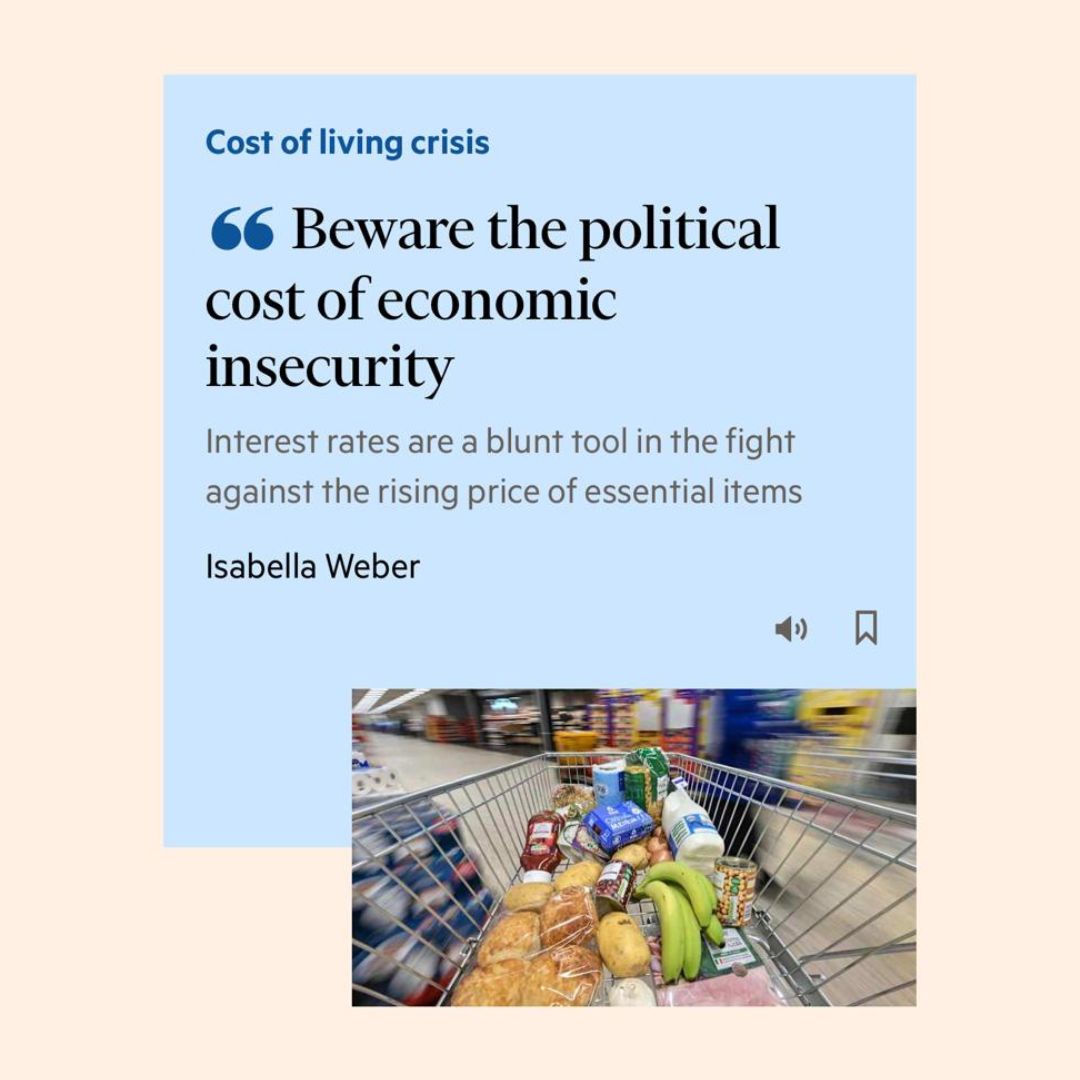
Whatever the #Election2026 results, this by @IsabellaMWeber will be just as important tmr. One theme close to my heart is that unemployment, precarious work, econ insecurity make fascism possible. Ending them + putting essentials under public control is step#1 to reversing course
John Healey's presented his Budget as a modest “breathing room” plan — the best he could do under strict fiscal constraints.
So why can he promise an extra £280 billion for the military over the next decade?
TSP's Kevin Cashman writes for OpenDemocracy👇
https://t.co/GWAGvaQMIS
“These targets — pushed by the US — imply a colossal transfer of wealth from the public to the military sector, amounting to £280bn in extra spending by 2035.”
Kevin Cashman on the effects of the Chancellor’s commitment to the arbitrary NATO target.
https://t.co/De1TUyRIHr
How we fight inflation doesn't just matter for the economy. It matters for democracy.
If government decisions leave people poorer, more indebted and less secure, we risk deepening the conditions that have emboldened the far-right.
🔗 My article for the @FT. Link below.
How is sending fighter jets to support Saudi Arabia’s war of choice in Yemen supposed to lower bills in Britain?
If the UK itself warns that escalation could drive up the cost of living, shouldn’t diplomacy and de-escalation be the priority?
New piece:
https://t.co/fBmCfoz6W0
Britain is sending fighter jets to support Saudi Arabia's war on Yemen, in a move that will only further escalate conflict in the region.
The British public should not have to foot the bill for this brutal war, argues Kevin Cashman for @LBC 👇
https://t.co/P2GxIMhZob
Economics is fundamentally political. We cannot escape this fact.
The so-called “free market” is constructed by laws, maintained by institutions, and enforced by states.
The choice between austerity and stimulus reflects deeper beliefs about responsibility, fairness, and social obligation.
The mandates of central banks are products of political decisions. The emphasis placed on price stability in Western central banks rather than, say, regulating private finance reflects value judgments as well as political lobbying.
One of the biggest differences between mainstream economics and heterodox economics is that the former often disguises political choices as technical ones.
Economics has never been, and never will be, a value-free science, no matter how much today's mainstream economics tries to present it that way.
At its core, economics is shaped by ideologies, human morality, competing interests, social norms, and political priorities. Pretending otherwise does not make economics more rigorous. It just makes it more dangerous.
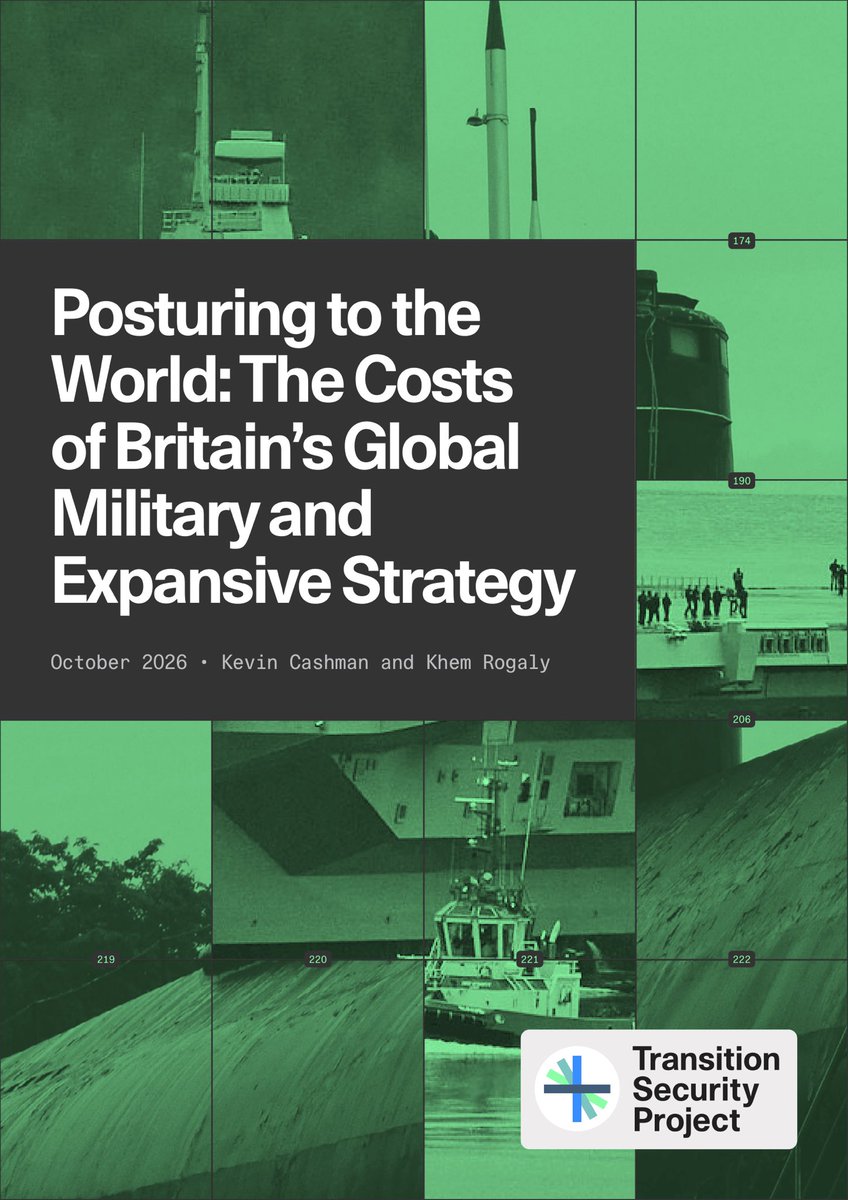
When we're told the UK has had a ‘peace dividend’, we must realise that our military budget is higher in real terms than it was during the Cold War.
@KhemRogaly breaks down myths about Britain's soaring military spending on @novaramedia.
In the UK, there's apparently no money to fix crumbling public services, build housing or invest in climate action. But somehow there's money to double the military budget to project force around the world, even when it does little to make anyone safer.
Important new research from @cashmank_ and @KhemRogaly on where UK military spending actually goes.
https://t.co/B1LbDs6AXq
NEW: Keir Starmer declared last year that the “peace dividend” was over, promoting the myth that Britain’s military spending has declined since the end of the Cold War.
Our latest report shows this simply isn’t true. 🧵
What is Domestic Debt in a Dollarised World and What does it mean to restructure it?
The IMF-World Bank Definitions are flawed
@cpc01 and I take a look at it focusing on the case of #Maldives and #Cambodia :
https://t.co/BxnAGeHRJK.
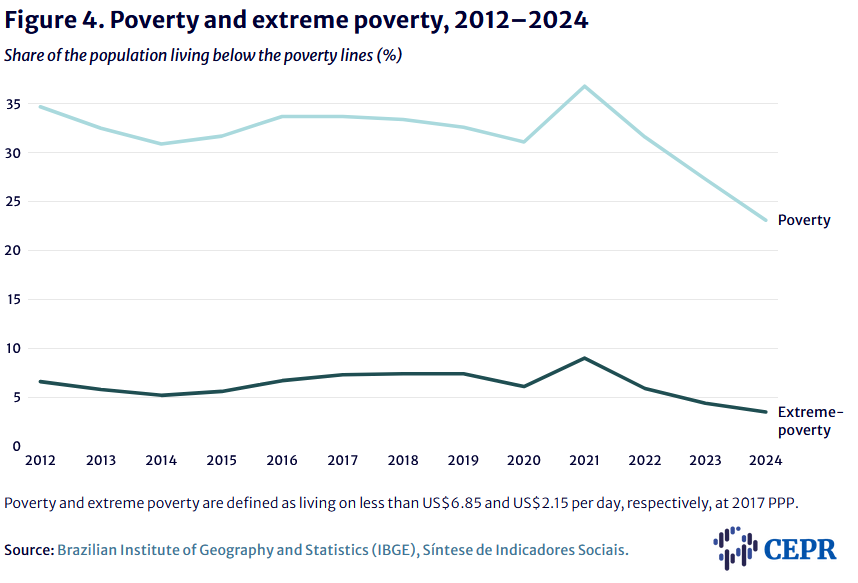
Millions of people left poverty during President Lula's third term. @JakobJohnston@PaolaJaimesS and I ran the numbers ahead of #Brazil's election here: https://t.co/u37MpXFpmJ
The greatest danger facing economics is not ideology masquerading as science, writes @cacrisalves. It is the belief that science can progress by focusing only on observable facts, while failing to examine the structures that shape them. https://t.co/iZyG02CcCS
Hospitals use AI to find more to bill. Insurers use AI to deny more claims. Both investments add to GDP, and so does any net increase in billing arising from this arms race. Then people wonder why "growth" doesn't feel like it's improving anyone's life.
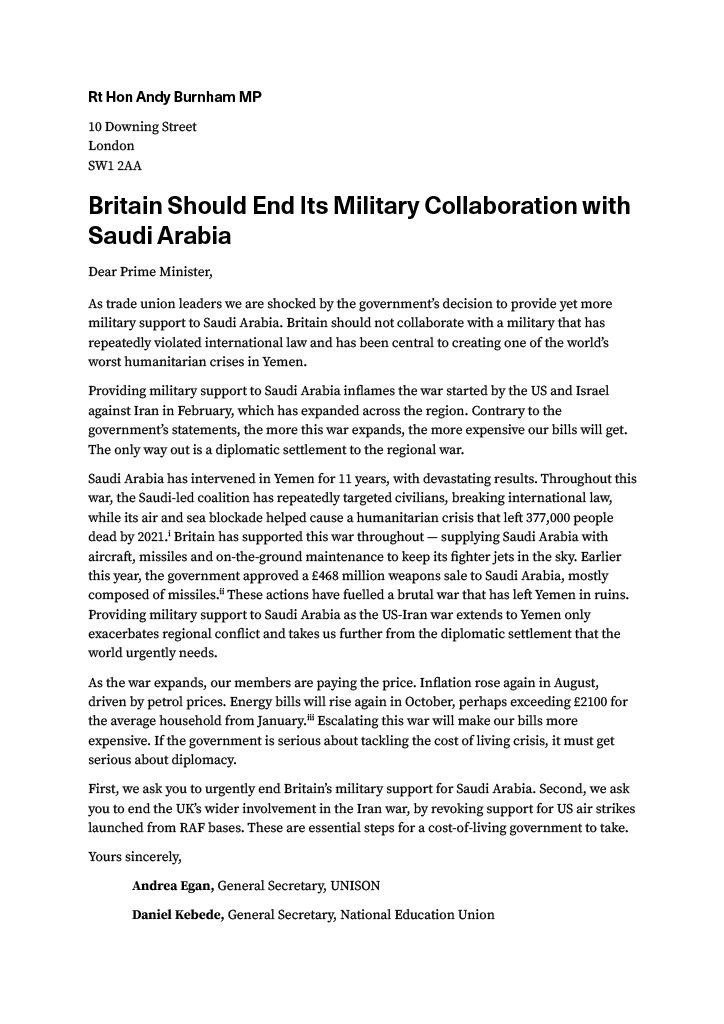
🚨NEW🚨: Ten unions call for Andy Burnham to end Britain’s military support for Saudi Arabia, due to the war crimes it has committed in Yemen.
The unions also argue that, contrary to government claims, “Escalating this war will make our bills more expensive”.
🗣️ Our Global Research Director, C. P. Chandrasekhar, talks about capital mobility & domestic policy space.
📹This video was taken during conference "Towards new multilateralism: Cooperation for development in a world without hegemons", held last month in Beijing, China, in partnership w/ @Tsinghua_Uni's School of Marxism. More info: https://t.co/WZAhlPkvgR
Few leaders explain economic policy to the public every morning. More governments could run their own mañaneras.
Thank you @Claudiashein for mentioning this week's meeting to discuss our report “State Transformation for Plan México” [link below], which sets out how public purchasing can build domestic capacity to deliver prosperidad compartida.