Offering free 3-card Tarot readings to everyone who RTs this post today, on the theme of "hauntings," to celebrate the publication of this Encyclopedia of Ghosts that I contributed to. Tips welcomed: [email protected] via PayPal or Venmo
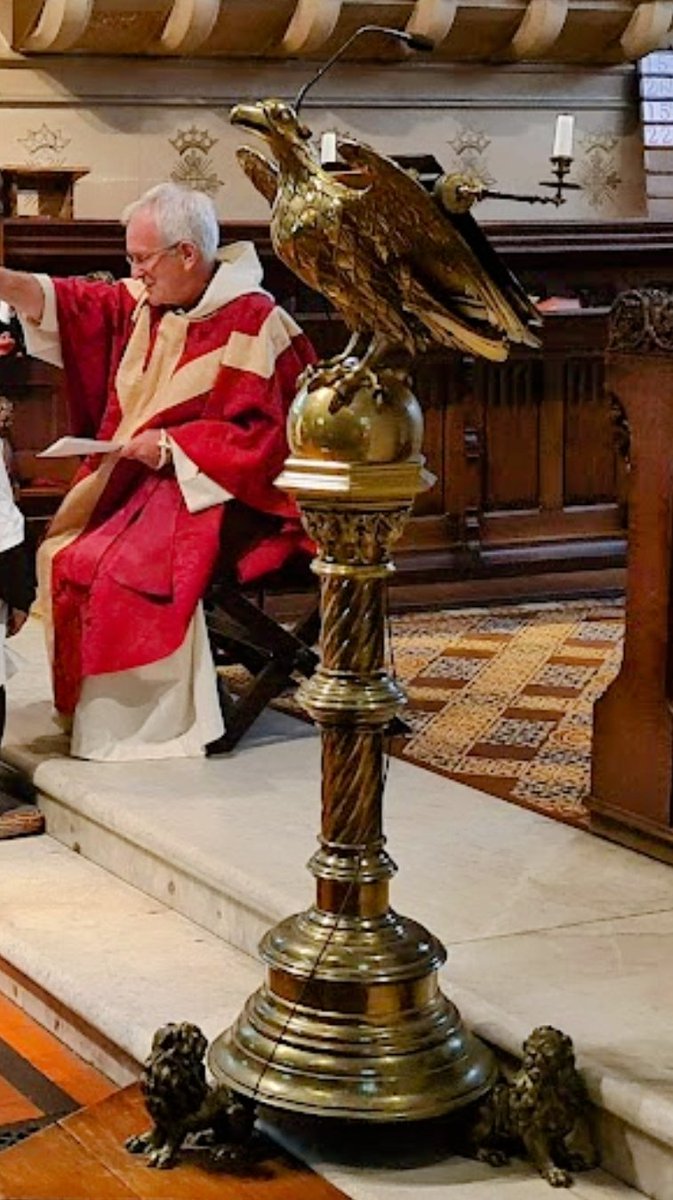
Notice to all dealers in scrap/metal/antiques : If anyone offers you this beauty, it's been stolen from St Augustine's church, Edgbaston and they would very much like it back...
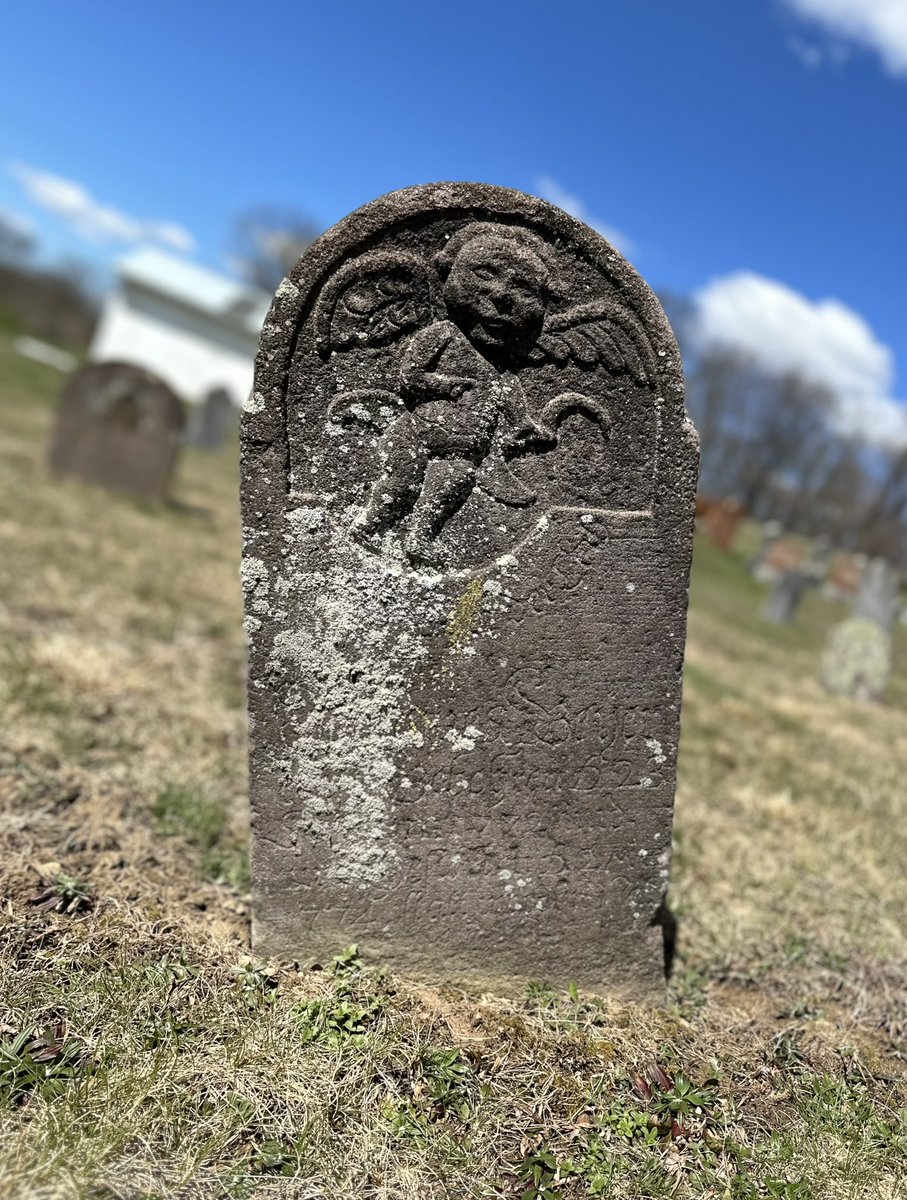
Was chasing a particular carver yesterday but instead found another documented in Barba and the Farber collection. The winged cherubs tend to be either hungry or bloodthirsty. This one carries a sickle.
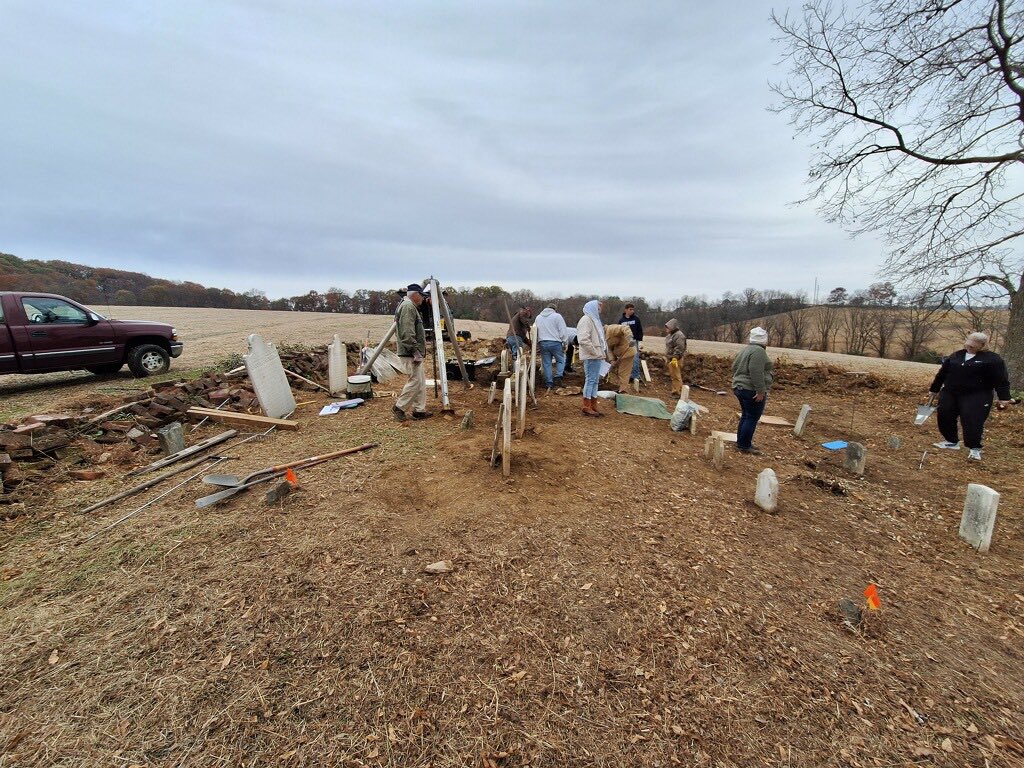
(2) this the Kemp family burial ground last week, after multiple visits by dedicated volunteers and the Berks County Association of Graveyard Preservation (https://t.co/OW8isBDyPt) and some pro bono assistance with Mosko Monument Cemetery Services.
(1) This was the Kemp family burial ground in Berks County PA three years ago, soon after Proligis (warehouse realtors) made an effort to remove and disinter this 270 grouping of graves.
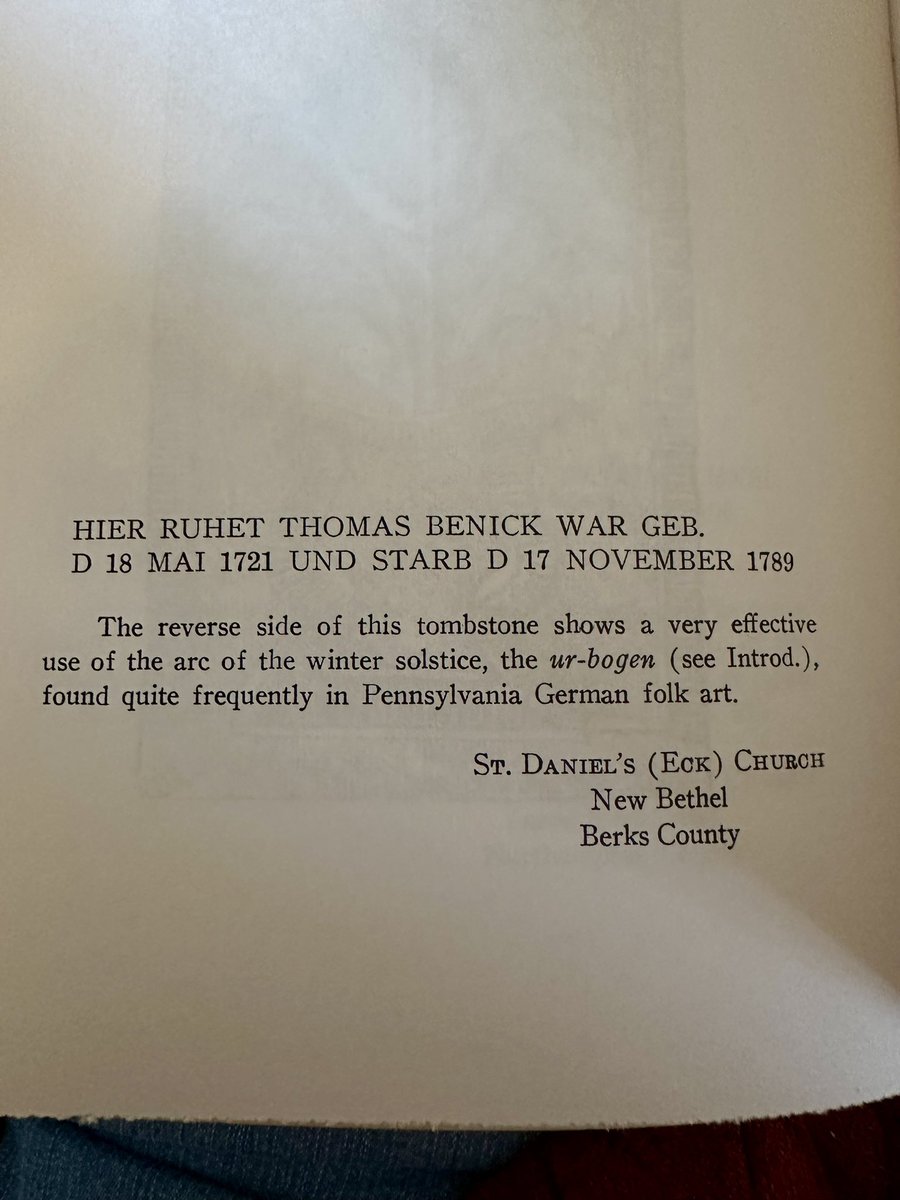
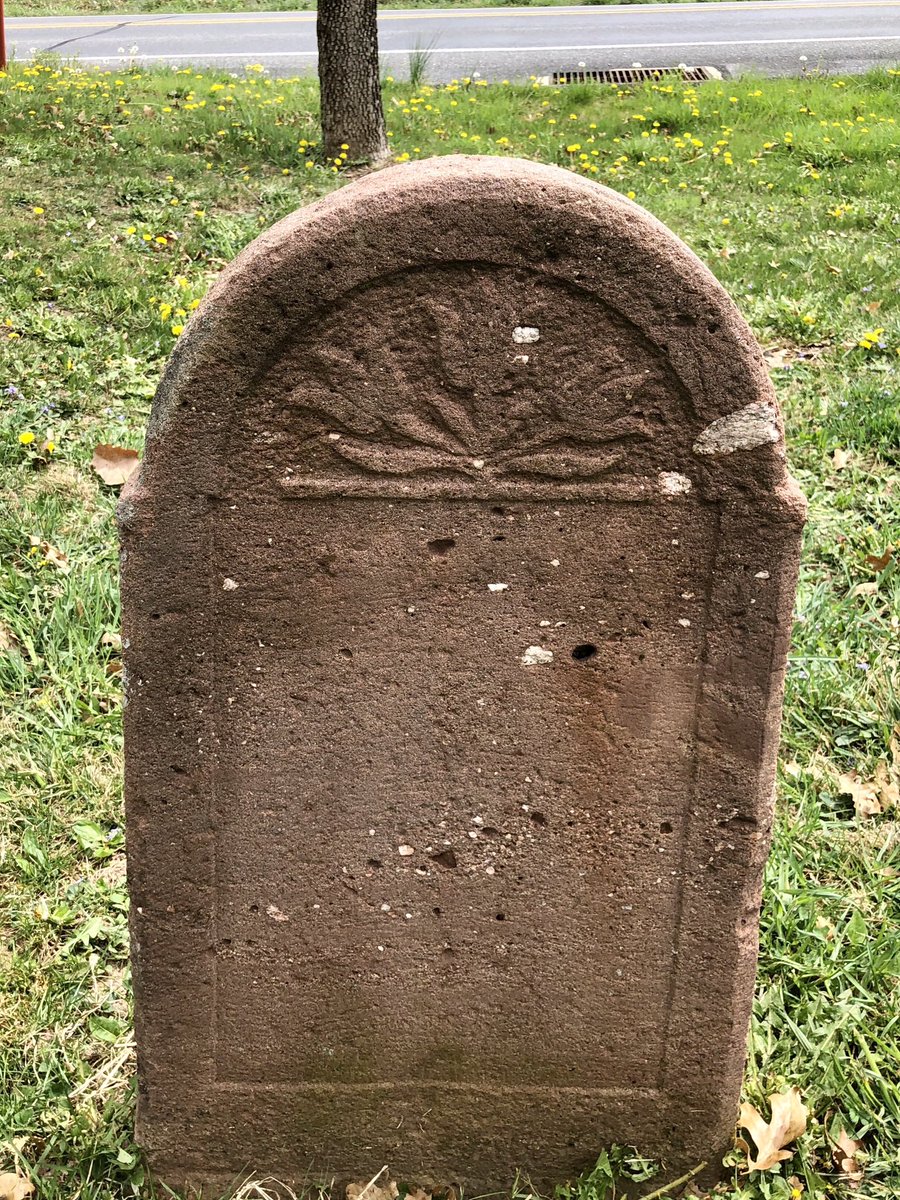
The ur-bogen, or early sun symbol and arc of the winter solstice is the base for a lovely tri fold tulip. Stone is that of Thomas Benick/Lenich, b 1721, d 1789
Germanic folk art and mysticism in southeastern Pennsylvania tombstones continued into the Federal period of where neoclassical images were starting to be more prevalent. Tombstone was placed level to ground by misguided but well meaning cemetery caretakers. Also in Barba p 117
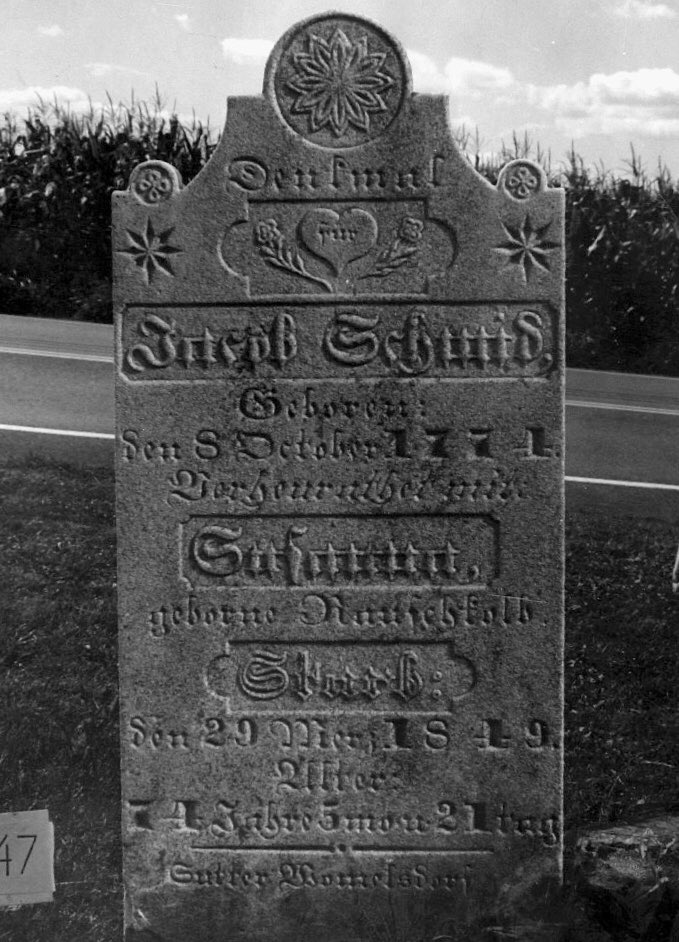
In the same Stump burial ground, marble examples of the continued folk art symbolism by a stonemason never identified in the Farber Collection, but known us as the Sutton workshop. Hexefoil/sun symbolism, with both raised and embossed fraktur. The last is Farber’s example.
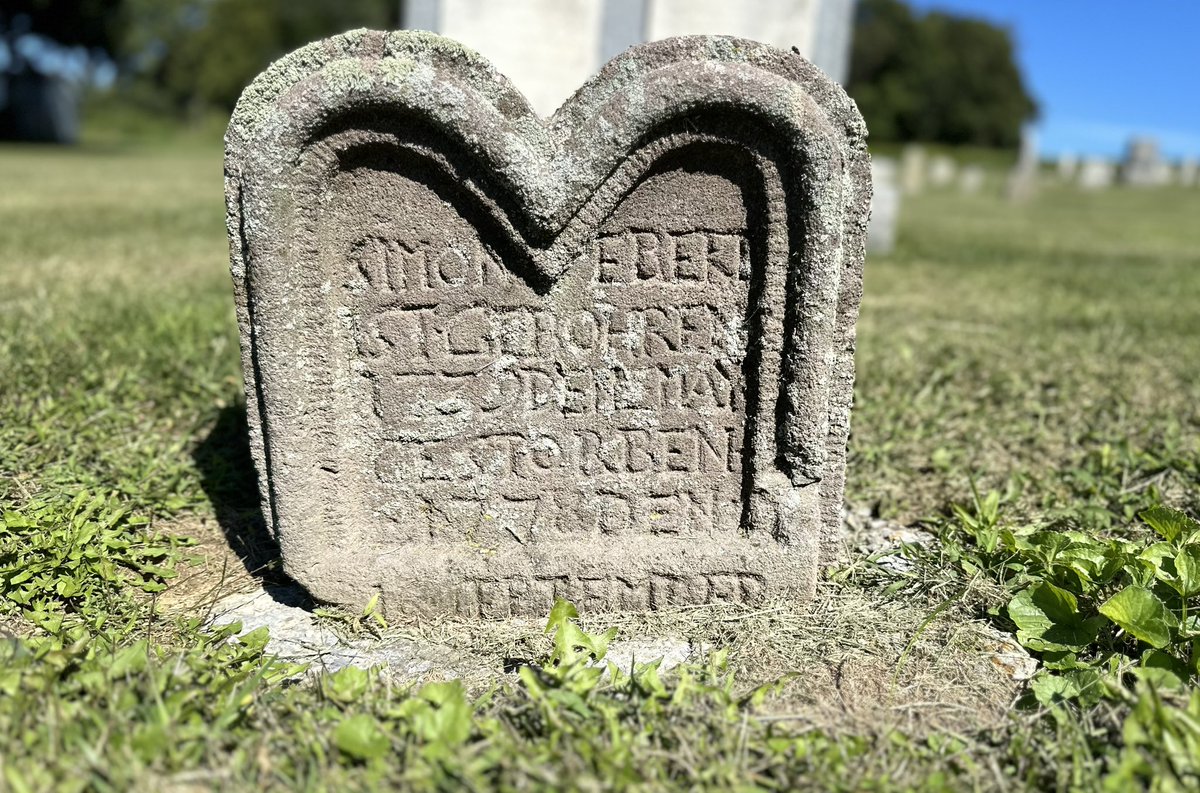
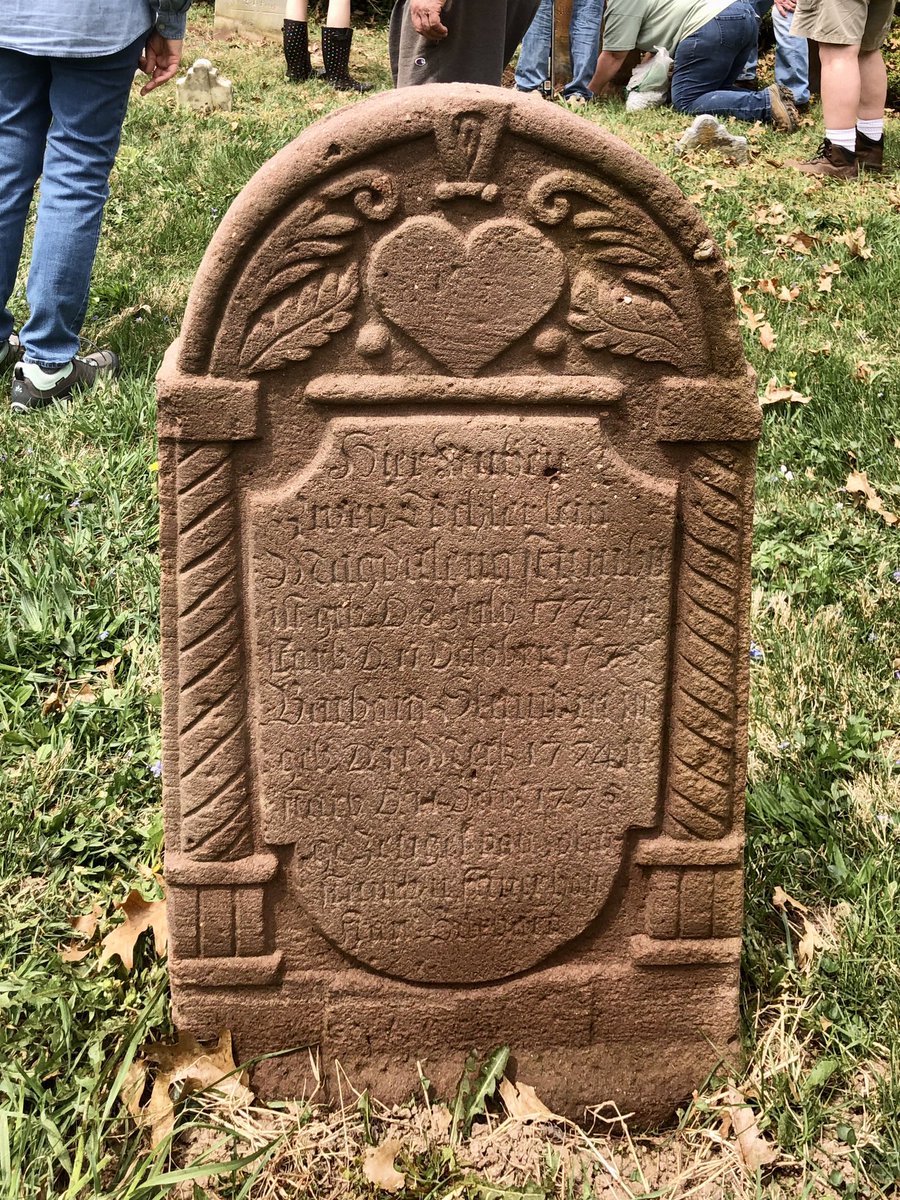
The Stump Burial Ground in Berks County, Pennsylvania features a well preserved example of pure Pennsylvania German folk art. Noted in Preston Barba’s Pennsylvania German Tombstones in 1954, it still a beautiful tribute to two young daughters who died the same day in 1775.