Something a lot of men don't like to admit:
All of your hobbies and ambitions are to attract women.
Nature doesn't care how much personal fulfillment you get from them. Those things are cool, but they're a coincidental positive externality to the prime objective:
To keep the species going.
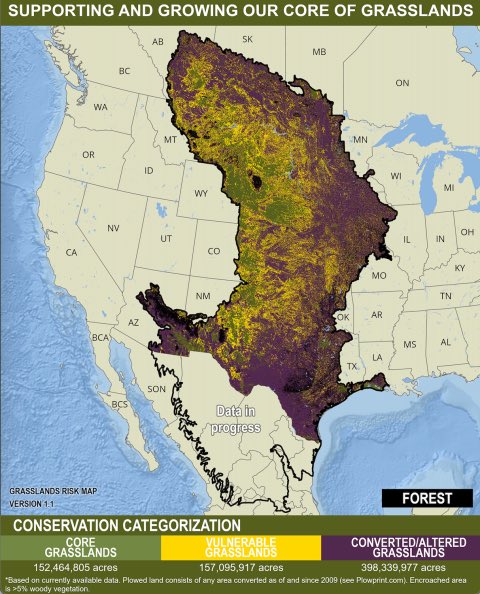
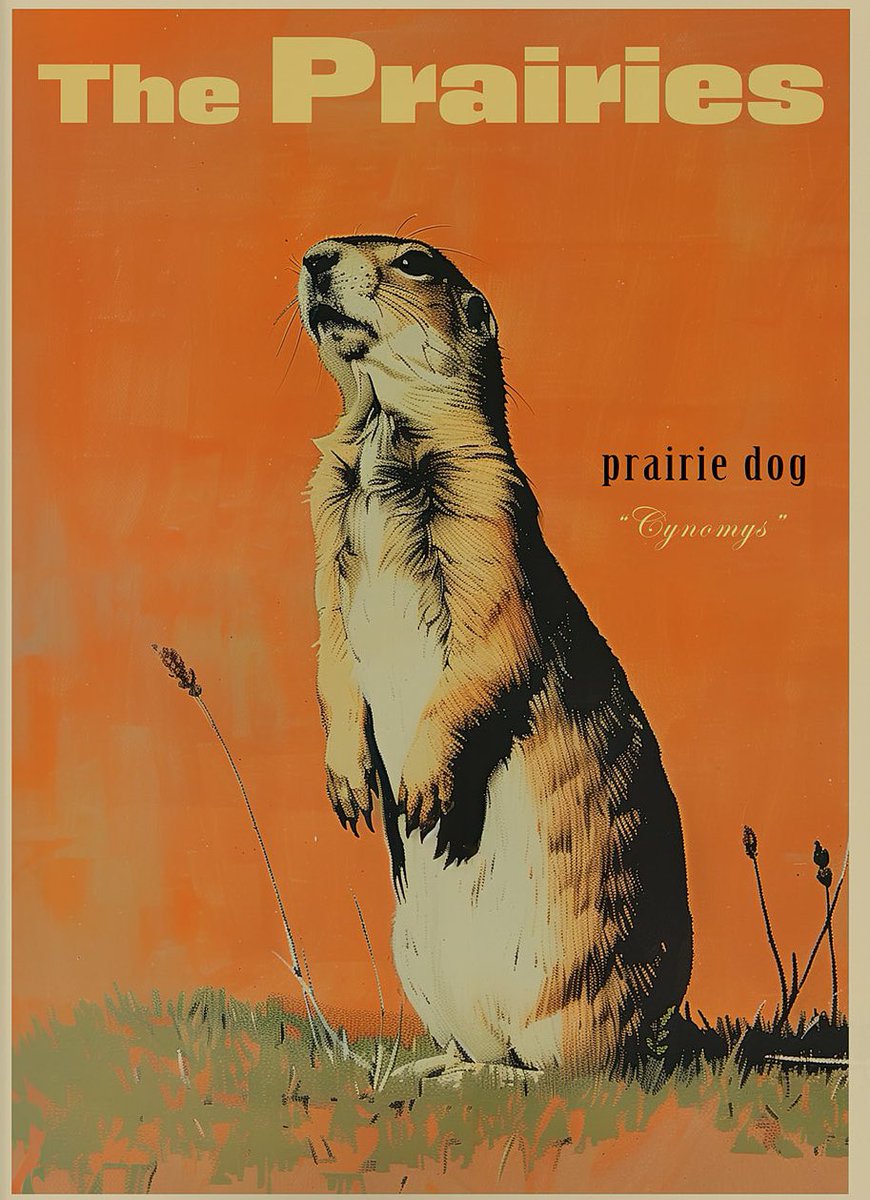
Did you know that public land, especially National Grasslands managed by the US Forest Service, are the single largest blocks of relatively intact prairie left in the US and they’re ground zero for restoring the American Serengeti?
The ‘American Serengeti’ is the nickname given to the Great Plains of North America (our grassland steppe stretching from Montana to Texas) with similar scope and scale of biodiversity as Africa’s Serengeti (bison, elk, pronghorn, wolves, griz).
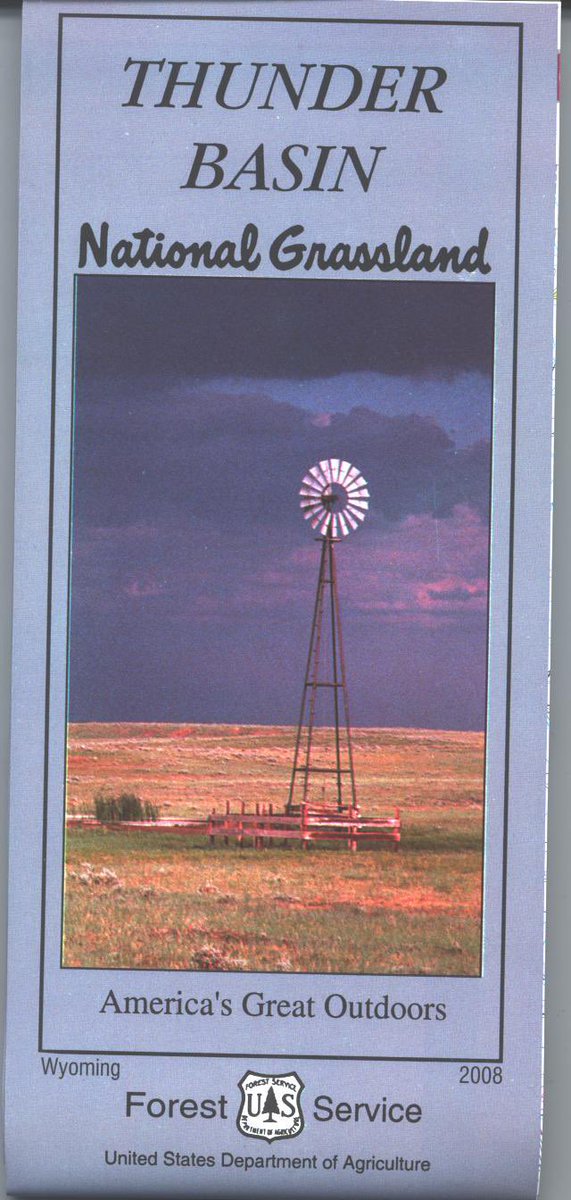
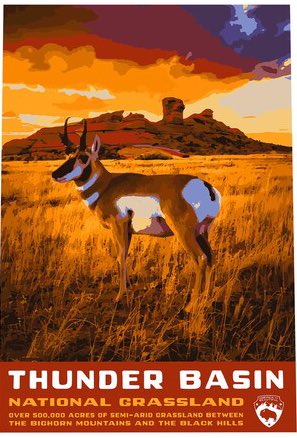
We have 20 National Grasslands (almost 4m acres) with public prairie also set aside in state and national parks as well. The biggest, which you can visit and dispersed camp on all year for free, are the Little Missouri National Grasslands (ND 1m acres) and Thunder Basin National Grassland (550k acres).
Buffalo reintroduction is currently happening in Thunder Basin and the Little Missouri (and many other public National Grasslands) where, working with tribes & ranching families, Buffalo are being reintroduced or will be soon. Almost every black footed ferret reintroduction has taken place on American National Grasslands.
National Grasslands conduct some of the largest prescribed burns in the federal land system, which restores fire grazing systems. Fire grazing, or pyric-herbivory systems are a combination of RX burns and targeted grazing that mimics the natural patterns that shaped the Great Plains before settlement.
Back then, lightning would cause a fire, fresh grass would grow back, bison would heavily graze regrown patches, which would attract more grazing. This meant a mosaic would form and constantly shift with lightning fire burns, and patches of short, medium, and tall grass along the landscape.
Federal land managers are also managing National Grasslands as what are called wildlife movement corridors, where on over 10m acres of American land (public and private) owners and managers are working together to benefit mule deer, pronghorn, sage grouse, and grassland birds.
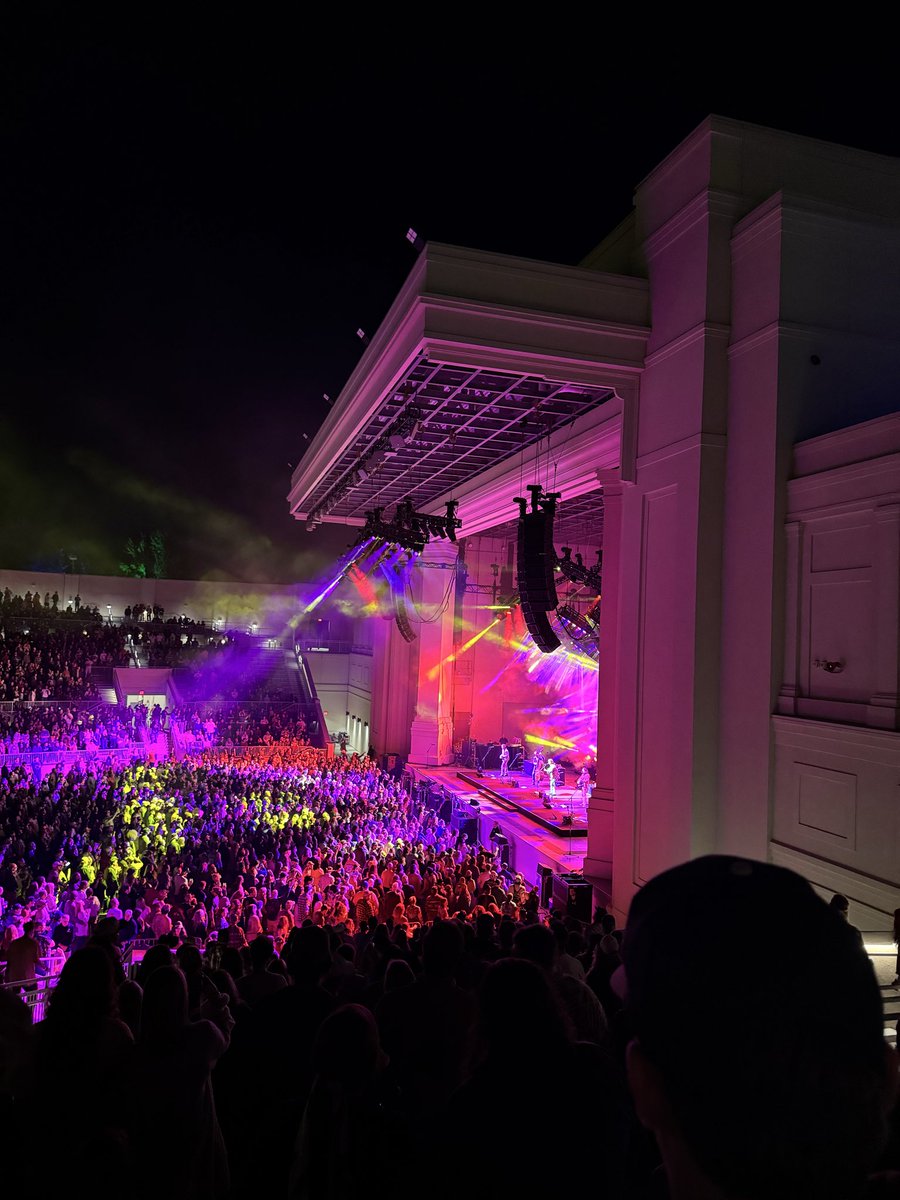
“Freebird” - Lynyrd Skynyrd
Live • Oakland Coliseum ‘77
One of the most celebrated renditions of “Free Bird.” This show, part of Lynyrd Skynyrd’s tour supporting their Street Survivors album, captured the band at their peak.
Happy 4th Of July 💥
https://t.co/0WQzhP02YI
@husker_cattle Incredibly cruel thing to do. As a farmer and a hunter I think it’s shows a deep disconnect these folks have with the land we try to make our living off of. Real issue at times but finding any joy or humor in it is pretty awful.