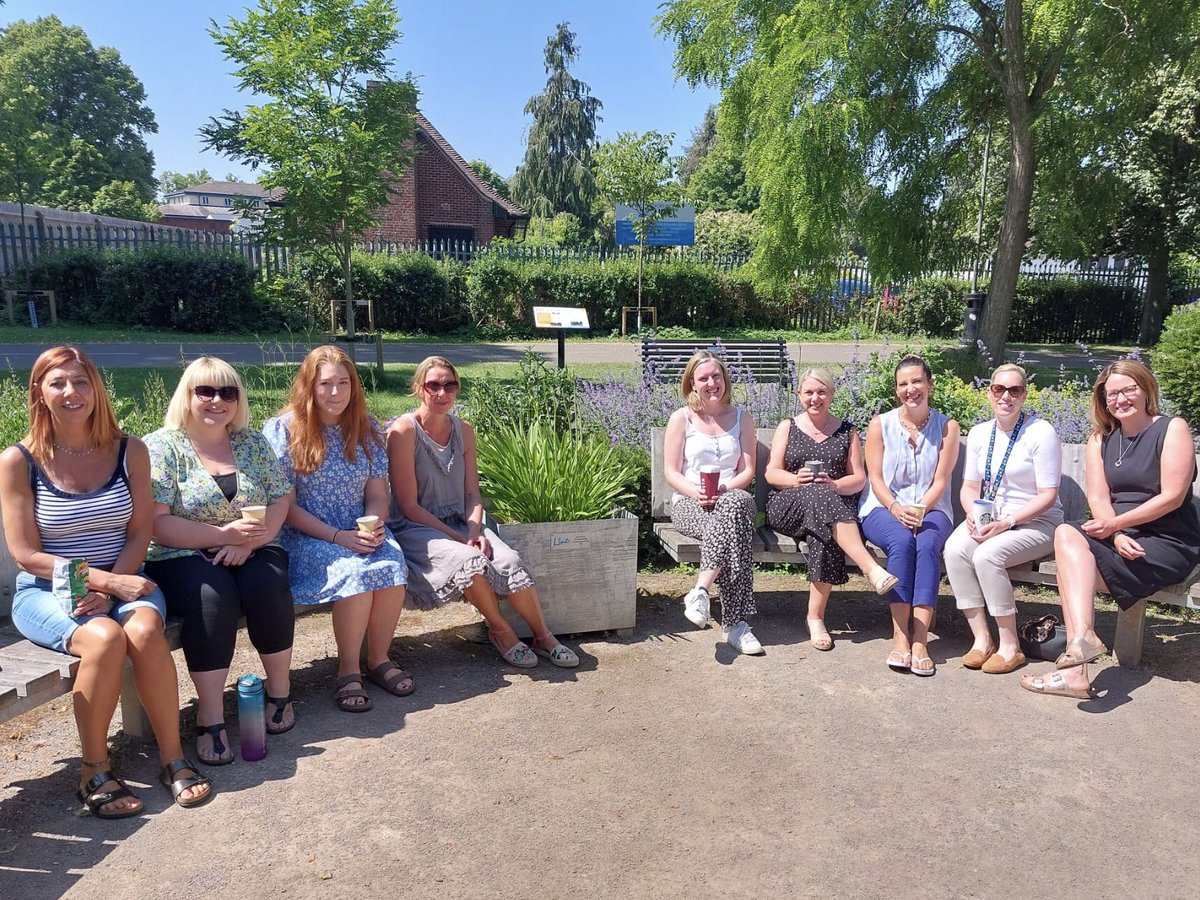
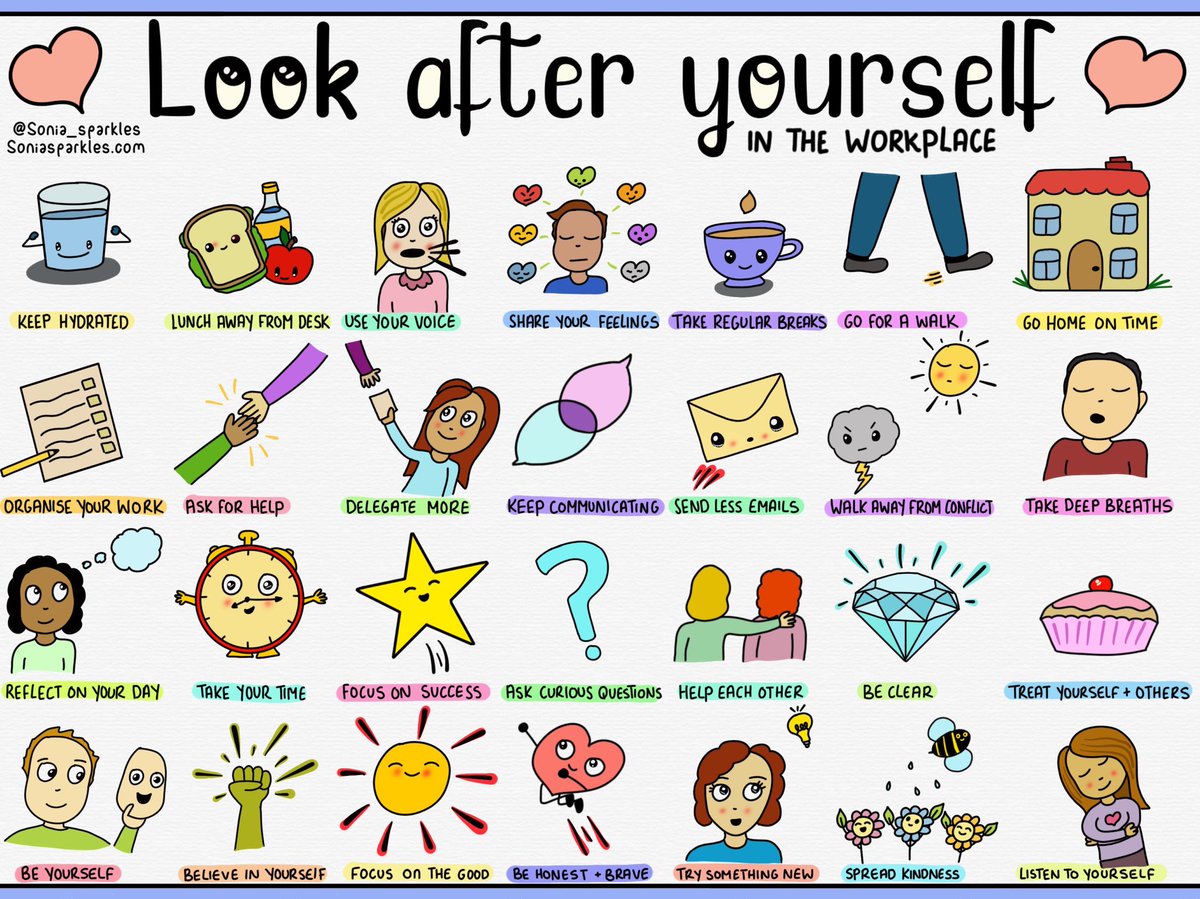
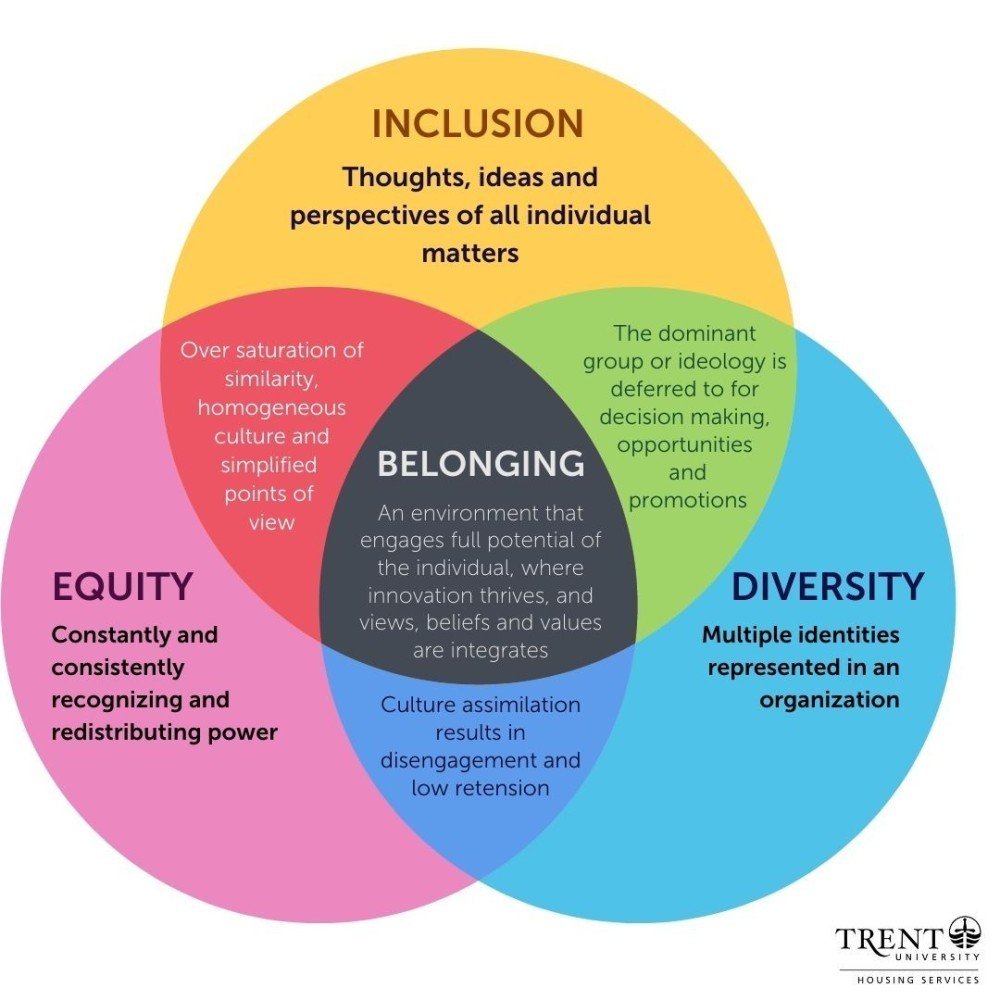
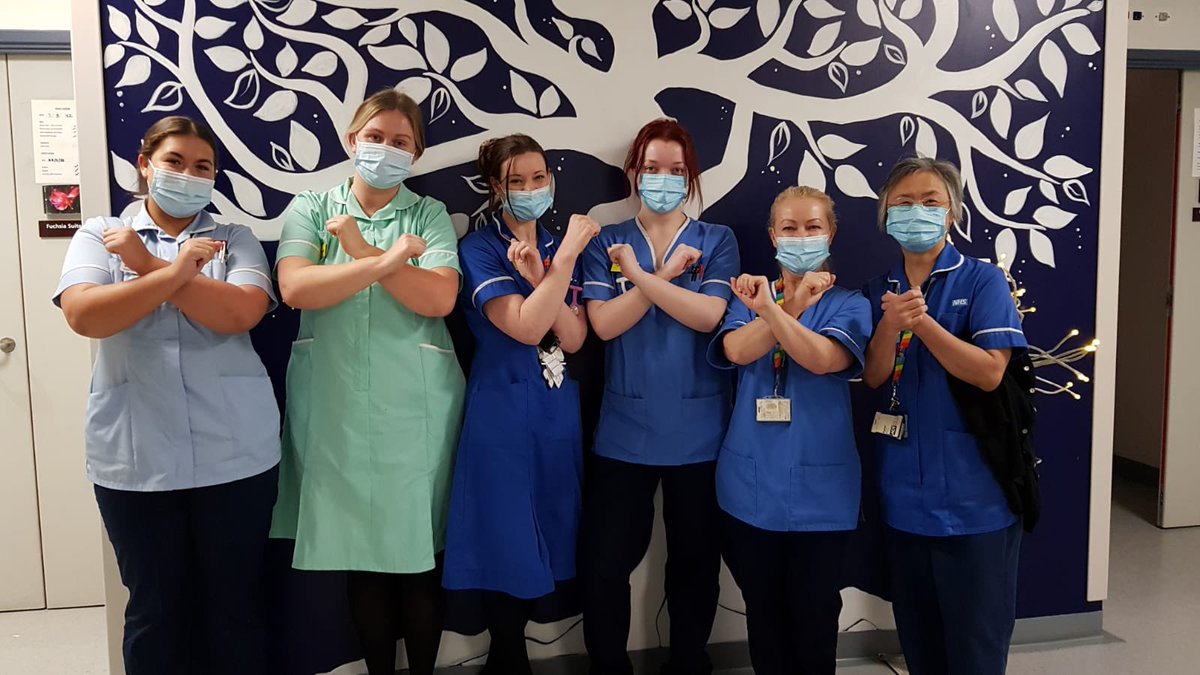
We all need to feel connection, respect and belonging in the workplace, it’s what brings out the good stuff in us;we feel invested. This can only happen if we also have autonomy in how we share & use our workplace environment: meal breaks, decent staff rooms…
In health & care, we often focus on a narrow concept of improving "staff experience", when we could be building a much deeper & more profound basis of human connection at work: a sense of belonging. Belonging is when an employee, regardless of their background or role, knows that their voice matters, that their unique experiences enrich the team & that they're not just seen, but understood. Organisations that build a sense of belonging have higher levels of engagement, retention & performance: https://t.co/DNGs6moS0B By @hacking_hr
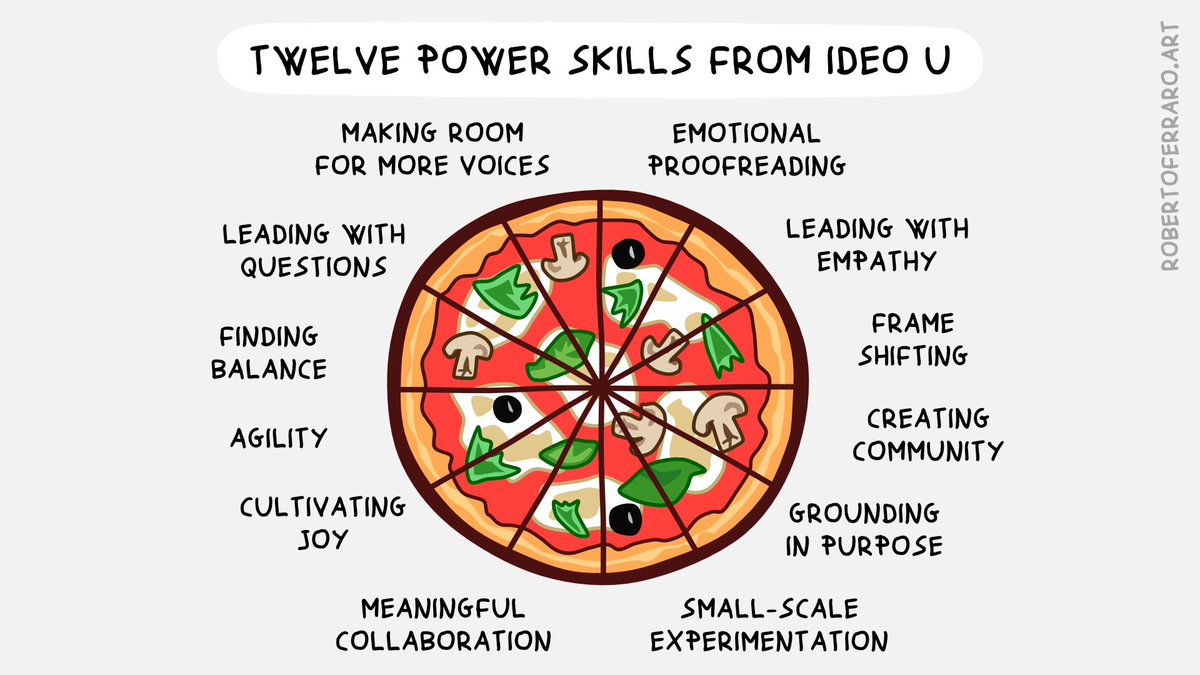
Many commentators talk about the importance of so-called "soft skills" for leadership into the future. @IDEOU has (so appropriately) rebranded them as "power skills". Here's their brilliant list of 12 key power skills:
1) Cultivating joy
2) Meaningful collaboration
3) Small-scale experimentation
4) Grounding in purpose
5) Creating community
6) Frame shifting
7) Leading with empathy
8) Emotional proofreading
9) Making room for more voices
10) Leading with questions
11) Finding balance
12) Agility
https://t.co/xosznr9fkc
Thank you @FerraroRoberto for the link & graphic
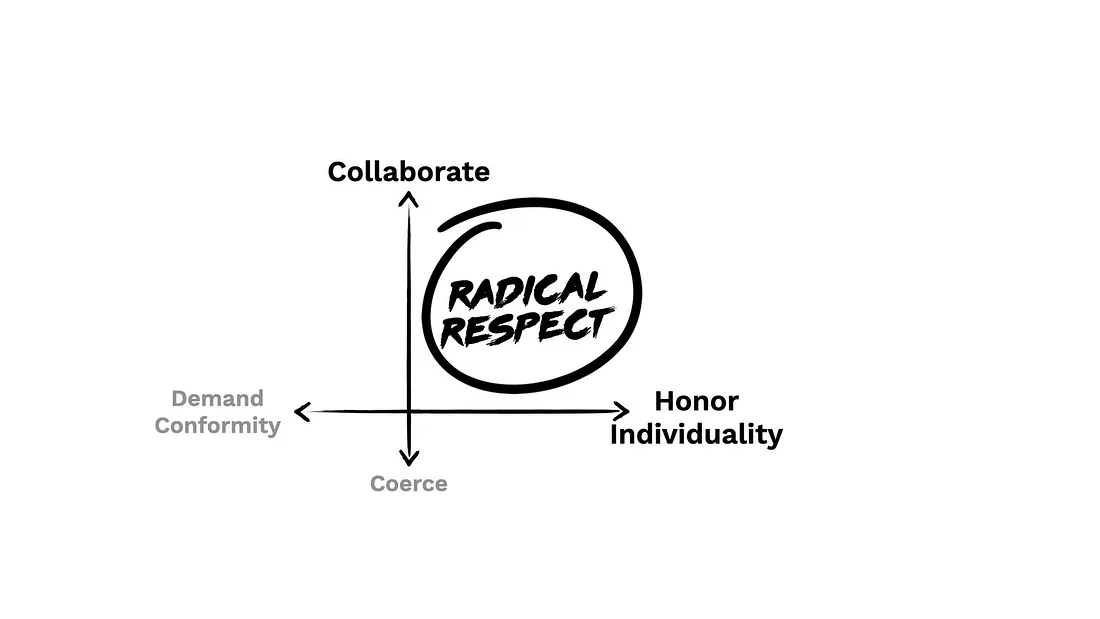
New from the author of "Radical Candor": We should seek to build "radical respect" at work. There are two elements:
1) We have to honour individuality (rather than demand conformity) if we want every person in our team or collaboration to bring their full potential
2) We have to work on the basis of healthy collaboration (not coercion which doesn't improve results and blocks innovation)
https://t.co/7A7zck41Zp By @kimballscott
Breaks @grh maternity have worryingly become an infrequent ‘luxury’ rather than a legal right & imperative safety measure on 12 hr shifts. Unbelievable! #Needmoremidwives @glospmas NHS staff on our knees @RishiSunak#nhs
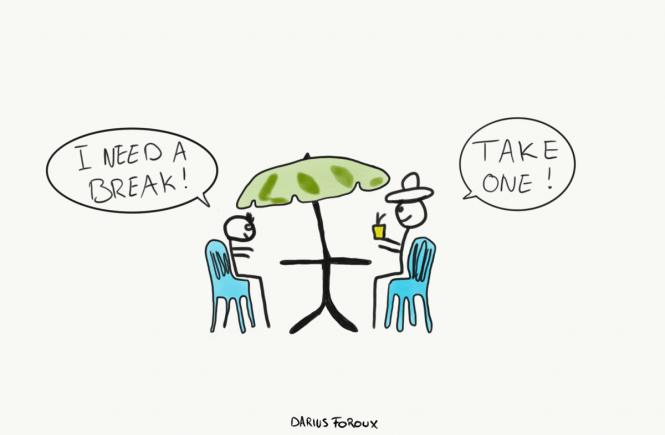
A systematic review of research on workplace breaks shows that:
1) Regular micro breaks can be better than longer breaks
2) Outdoor breaks & fresh air are better than indoor breaks
3) Scrolling social media is the most common break type but it creates emotional exhaustion
4) Spending a break with a furry companion is beneficial
https://t.co/cQeJtqcwWe Via @ZhannaLyubykh Graphic @DariusForoux
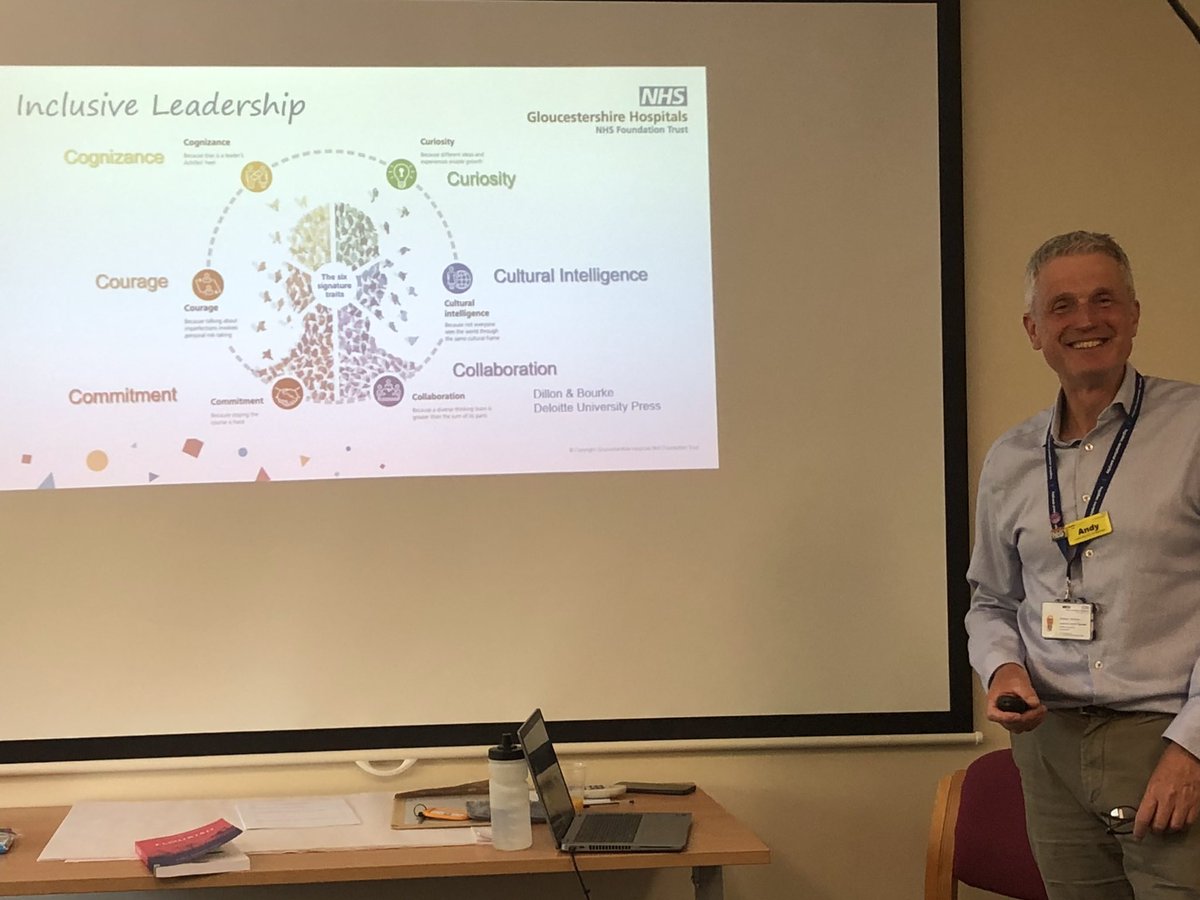
Many staff I work with are frightened to speak up-to even try to improve just the basics (like a right to a 30 min break on a 12.5hr shift 🙄) for fear of backlash🤫🤐 6 C’s #courage 🗣️ @MidwivesRCM#NHSCrisis#freedomtospeakup
#IDM2022 International Day of the Midwife. What a year😬, midwives giving your Everything to provide safe, personalised, incredible care to women and families-I see you! Sending love 💕 @glosbetterbirth
https://t.co/WKH2QTXD8s The past few years have finally caught up with us in nhs, causing massive staff burnout/work-related stress absence; ptsd; an ever increasing demand for on-the-job audit of our practice with no additional time or resource + insulting real terms pay cut 😢
At the current rate of progress, the gender pay gap will not close until 2111. Learn more from @AAUW at: https://t.co/pTSML5ZEkk #BreakTheBias#InternationalWomensDay 2022