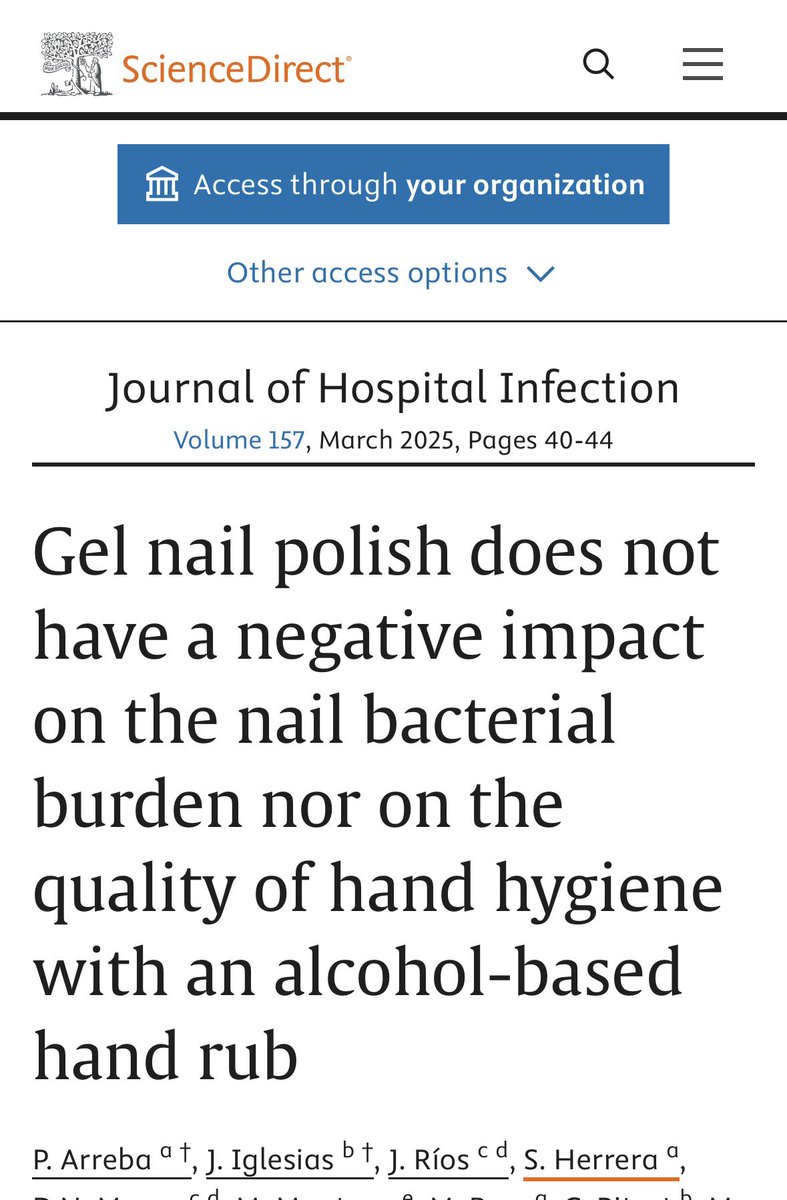
#Feb2026#NewResearch
📌 Understanding corridor and escalation area care in 165 UK emergency departments: a multicentre cross-sectional snapshot study
🔗 https://t.co/sygVyybwqR
We’re pleased to share a landmark multicentre study led by the RCEM Trainee Emergency Research Network (TERN) that provides the most comprehensive national snapshot to date of escalation area and corridor care across UK emergency departments.
📊 Key outcomes from this national study:
• Across 165 UK type 1 EDs, 10 042 patients (17.7%) were receiving care in escalation areas — spaces outside the usual clinical footprint such as corridors, waiting rooms, repurposed clinical areas and doubled-up cubicles — at five snapshot points in March 2025.
• The proportion of patients in escalation areas ranged over time from ~15.5% to over 21%, with the highest use at the end of a clinical night shift.
• Non-clinical spaces (including corridors and waiting rooms) consistently made up the majority of escalation area care, representing over half of the patients in these settings.
• ED occupancy pressures were stark: occupancy ranged from about 1.0 to 2.4 patients per cubicle, and up to 26% of sites had no resuscitation cubicles available at certain snapshots — raising patient safety concerns.
• Patients awaiting an inpatient bed consistently outnumbered those in escalation areas, highlighting flow and discharge challenges as central contributors to corridor care.
• Both paediatric patients and those with mental health presentations were found to be receiving care in escalation areas across all snapshots, despite national guidance recommending against it.
• The proportion of patients in escalation care varied regionally, with the highest rates observed in Northern Ireland and lower rates in parts of south-west England.
📌 Why this matters:
This study demonstrates that escalation area care, including corridor care, is not an occasional exception but a routine part of emergency practice across much of the UK, despite national guidance stating it should be avoided.
Providing safe, high-quality care in spaces not designed for clinical observation or treatment presents significant challenges for patient dignity, monitoring and staff workflow. The findings underscore the urgent need for system-level solutions focused on improving patient flow, reducing inpatient boarding times and expanding capacity.
👉 Read the full article for detailed methodology, outcomes and suggestions for future research — and join the conversation on how we can translate this evidence into better emergency care practice.
#EmergencyMedicine #EMJ #HealthcareResearch #PatientSafety #QualityImprovement #NHS
@RCollEM@richardbody@drsarahedwards
"We have a huge crisis in bed to the exit block within emergency departments across the uk, that we're also seeing in Scotland"
Dr Jayne McLaren talks to @LBCNews this morning about the exit block crisis across the UK and how we can start to combat it
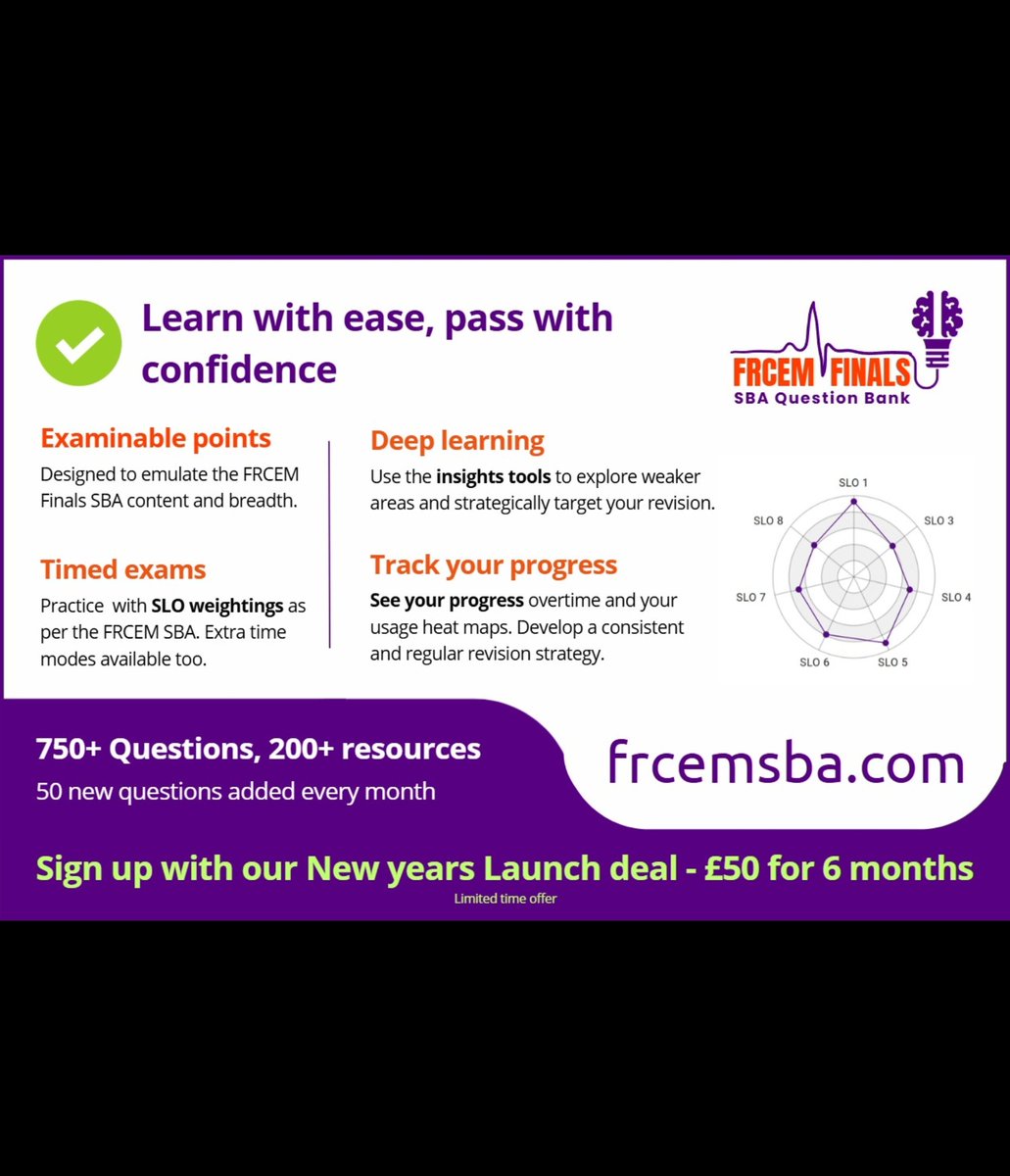
Are you sitting the FRCEM SBA?
A new question bank has dropped 🔥
Growing users and content every month. Excellent testimonials. Has supported a friend over the line on the 5th attempt.
Its now live and has a limited time launch deal.
Good luck
https://t.co/1MFxmLkruy
🚨NHS surgeons replaced by HCPs with a 2 year practitioner course
….who’ll also be responsible for training RESIDENT DOCTORS?
But don’t worry, applicants must have a “BASIC anatomy of the abdomen”?!
It’s unbelievable
Know your rights
Ask for a QUALIFIED SURGEON!
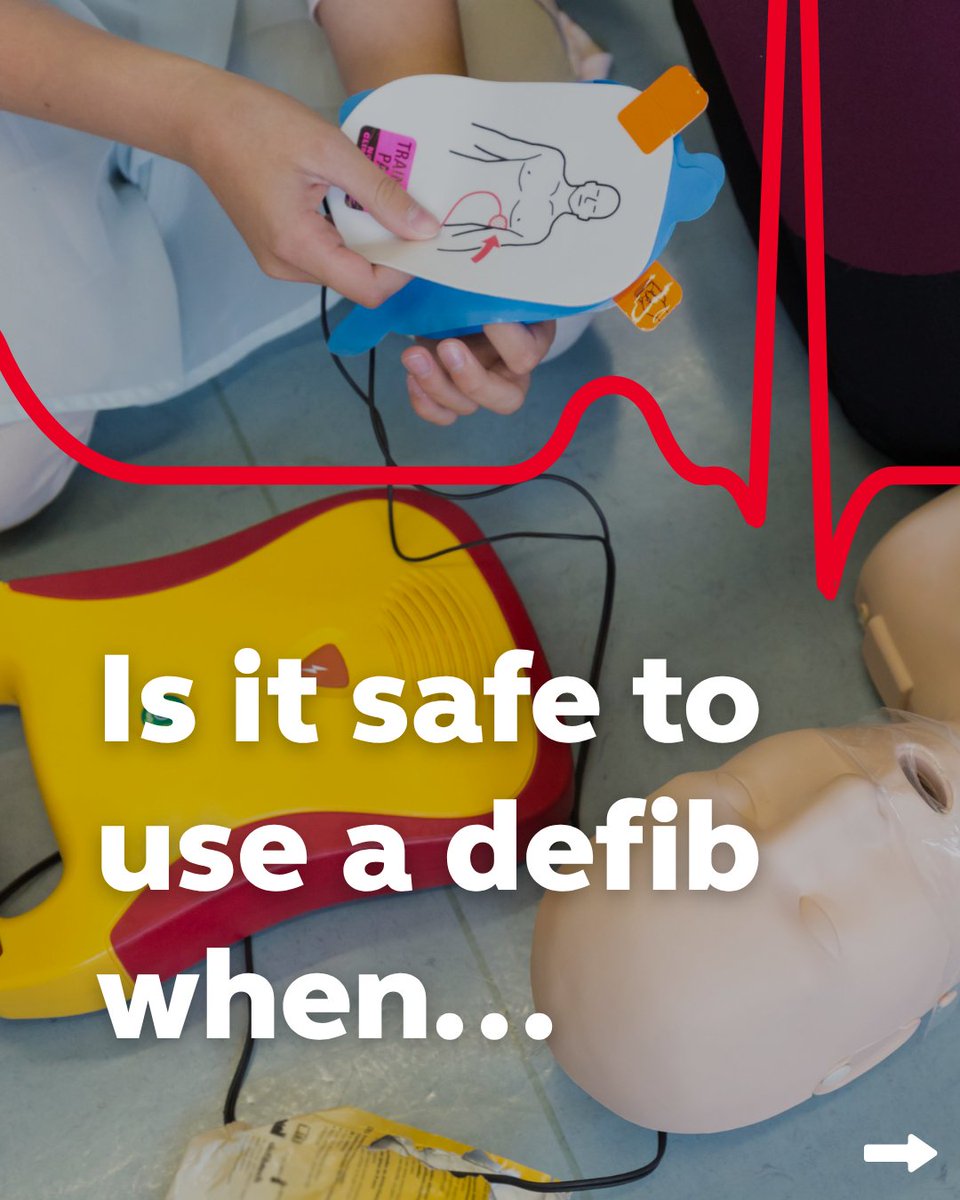
Defibs are reliable, lifesaving pieces of equipment, but are they still safe to use in extraordinary circumstances such as on a pregnant person or child?
👉 Swipe to find out.
Hi, ER Doc here.
Every time I see somebody with a nosebleed doing this wrong I feel the need to get this message out:
If your nose is bleeding, DO NOT TILT YOUR HEAD BACK. This just makes the blood drip down the back of your throat and you will then swallow and/or choke on it. Pinch the soft part of your nose and TILT YOUR HEAD FORWARD. Please tell all your friends about this.
‼️Please help us during #StormEowyn by only calling 999 in critical emergencies ‼️
If you are waiting for a call back after a 999 call, please only call again if your condition significantly worsens or you no longer need our help.
If your condition isn't immediately life-threatening, call NHS24 on 111 or use the symptom checker and self-help guides on NHS Inform: https://t.co/F3AEkImpMU
Due to the red weather warning which has been issued for the area, please click here to read important updates for your healthcare on Friday 24 January 2025. https://t.co/3H3PofZ2JP
Exciting news! We are hosting our third conference on 21-22nd January @rcpsglasgow to celebrate 15 years of @MAVscotland and 10 of @NavigatorsScot and we have some very special speakers lined up.
Take a look below for more details and to register 👇🏻
https://t.co/ExC7LnSa8Z