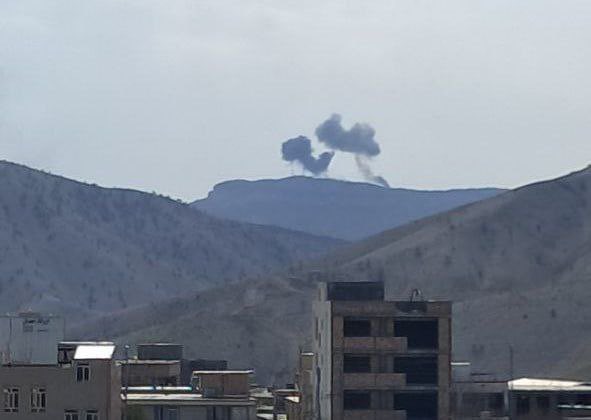
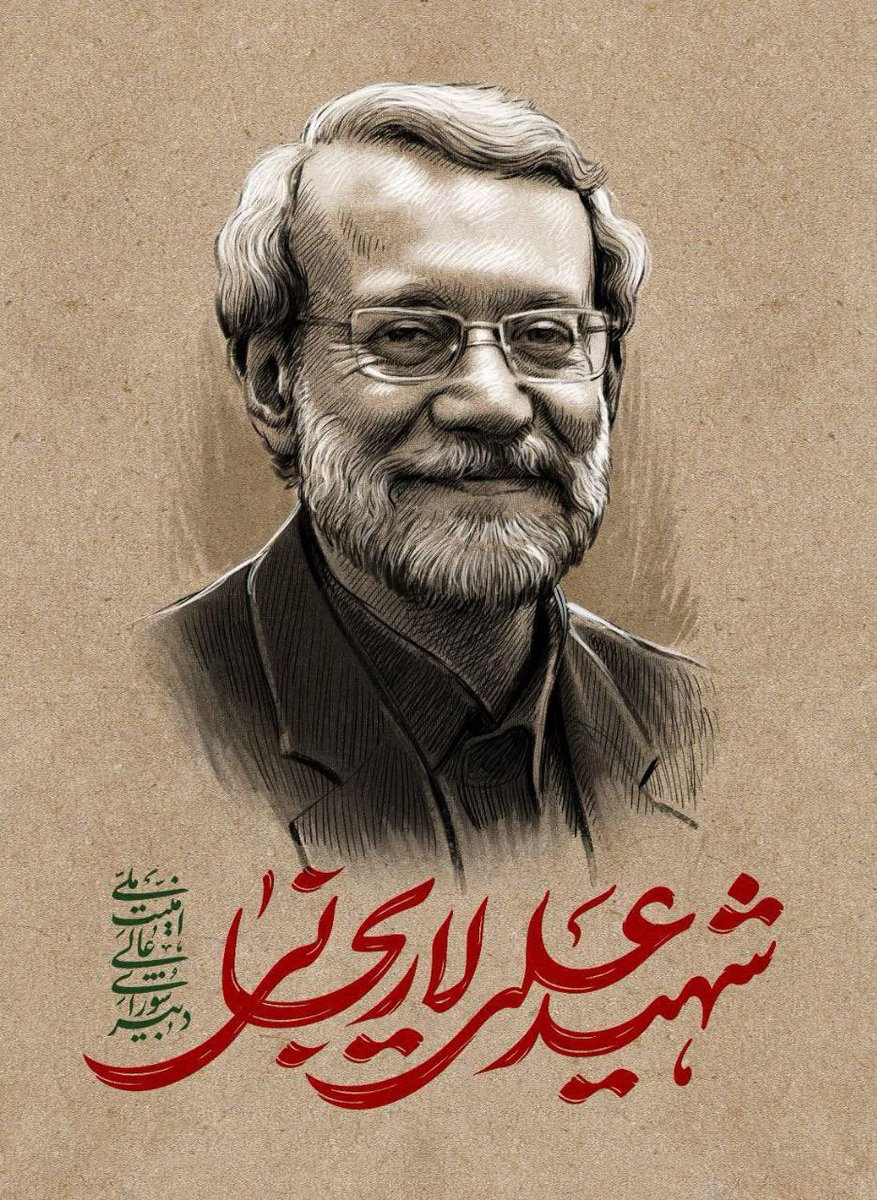
#BREAKING: Ali Larijani, a senior Iranian official and secretary of Iran's highest security body, the Supreme National Security Council (SNSC), confirmed dead - Iran state media
📸: Fars News Agency
Iraq is now in talks with Iran to safeguard tanker passage through Hormuz, reinforcing the shift from open transit to selective, negotiated access.
At the same time, Baghdad is blaming the Kurdistan Region for stalled northern exports, but the KRG says it is not blocking flows and that Baghdad has failed to address the region's real security and economic challenges. Erbil is again being asked to carry the burden without being treated like a genuine partner.
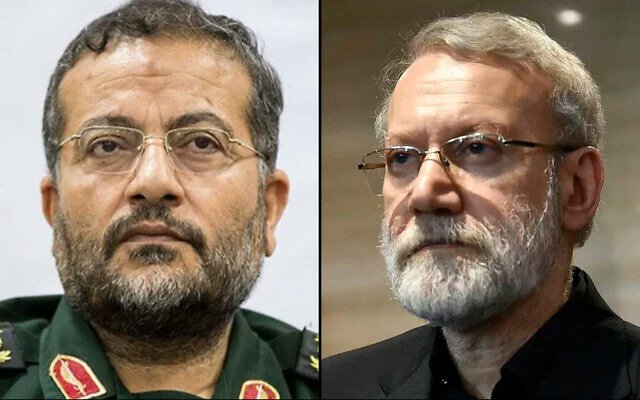
#BREAKING: In an extremely significant strike, #Israel has eliminated #Iran's regime's SNSC Secretary Ali Larijani and #IRGCterrorists Basij Commander Gholamreza Soleimani. Larijani was secretary of the SNSC when it issued a live fire order against Iranians protesting in January. His administrative, political, and security experience will make him difficult to replace.
Gholamreza Soleimani has served as commander of the Basij since 2019, and responsible for horrendous human rights abuses.
A Clarification for the public in the Kurdistan Region and Iraq
Iraq’s Federal Ministry of Oil has issued a statement claiming that the Kurdistan Region is not ready to export oil through the pipeline to Türkiye’s Ceyhan port. To clarify this for the public, we underline the following:
1.The Ministry’s statement does not address the full dimensions of the issue. It distorts the facts and attempts to blame the Kurdistan Region in order to mislead public opinion.
2.Since January, the current government in Baghdad has imposed a suffocating embargo under the pretext of implementing the ASYCUDA customs system. It has prevented dollars from reaching the Kurdistan Region’s traders, effectively halting commercial activity. Baghdad has also failed to allocate the necessary time and arrangements for the Kurdistan Region to implement the system, something we requested from the beginning of this crisis.
3.Outlawed militias have made all of the Kurdistan Region’s oil, gas, and energy fields and facilities targets of their attacks. As a result of these terrorist attacks, production has been taken offline, leaving no oil available for export.
4.Baghdad is not prepared to confront these terrorist attacks against the Kurdistan Region or to prevent them. To date, no effective measures have been taken to stop these assaults.
5.Many of the perpetrators behind these attacks receive salaries and support from Baghdad, while the salaries of the people of the Kurdistan Region are consistently delayed and cut.
6.The Kurdistan Region has made clear, in every way, its readiness to help Iraq and the Kurdistan Region overcome this crisis. We have repeatedly called on Baghdad to begin a serious, constructive dialogue to resolve all of these issues. Instead, our requests have been ignored, and there are attempts to impose unconstitutional and illegal agendas on our region.
Ministry of Natural Resources
Kurdistan Regional Government
15/3/2026
Karkh Prison in #Baghdad holds thousands of the detainees transferred by the US in February from Northeast Syria to #Iraq. Majority of those transferred are yet to be subjected interrogions or trials. Their transfer was already a huge security and logistical challenge for #Iraq.
Iran is conducting a large scale attack on civilian facilities belonging to the PDKI in Koya.
Today’s attack against the PDKI is a continuation of this morning’s missile attack against the bases of Komala Party of Iranian Kurdistan, in which a Peshmerga named Omid Weisi was martyred.
Since the beginning of Iran’s war with the United States and Israel, the Islamic Republic has continuously attacked the Kurdistan Region, as well as the member parties of the Alliance of Political Parties of Iranian Kurdistan.
Kurdish region in western Iran have been struck more than 20 times by the Israeli/US coalition
IRGC, IRGC intelligence, Basij, Police, Border guards bases, municipalities and communication radars in the following cities are destroyed
Qorveh, Mariwan, Saqez, Baneh, Sanandaj
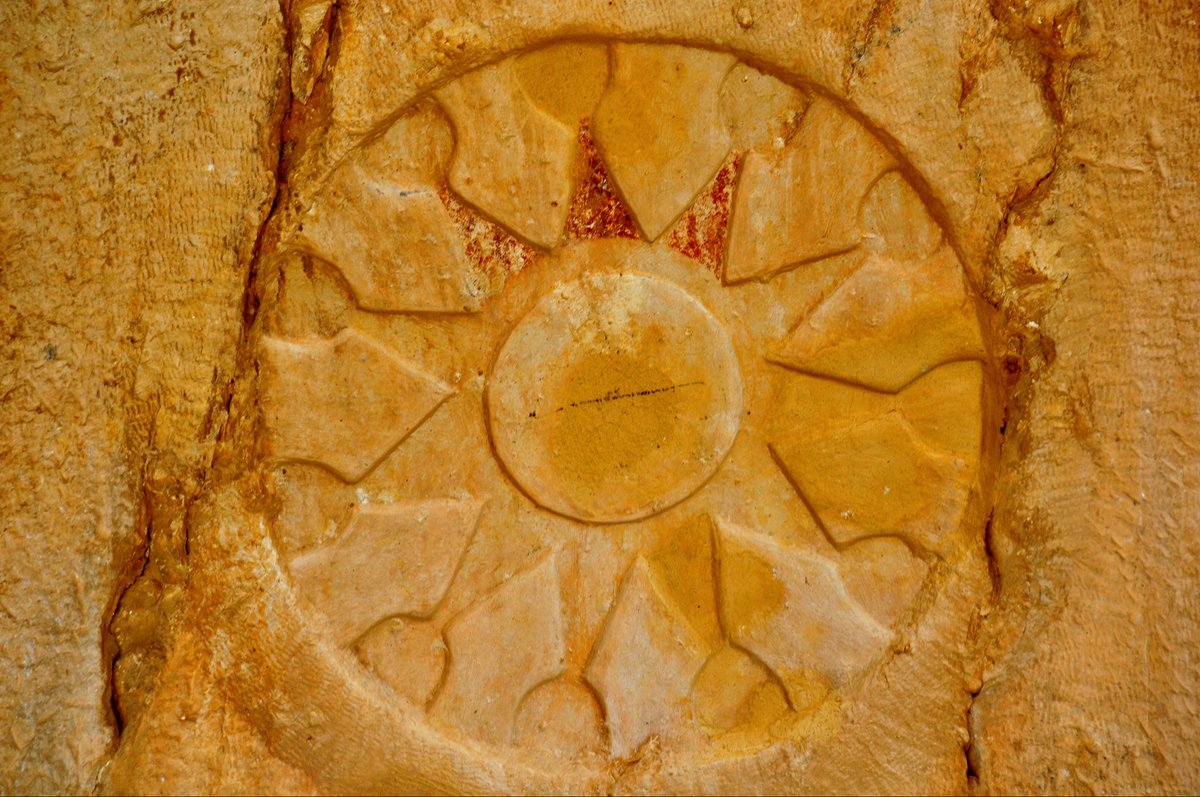
The sun symbol carved at the Qizqapan Rock-Cut Tombs (some 65KM northwest of Suli) dates to around 600–330 BCE and shows a circular disk with radiating rays, once painted with red pigment. Found on a tomb linked to the Median era, it reflects ancient solar symbolism in the Kurdish homeland, echoing the enduring cultural importance of the sun seen today in the 21-ray emblem on the Kurdistan flag.
No mention of removing the regime. No mention of destroying the Iranian nuclear programme. No mention of destroying Iran's ability to project power via proxy forces.
The administration's war aims are constantly changing.
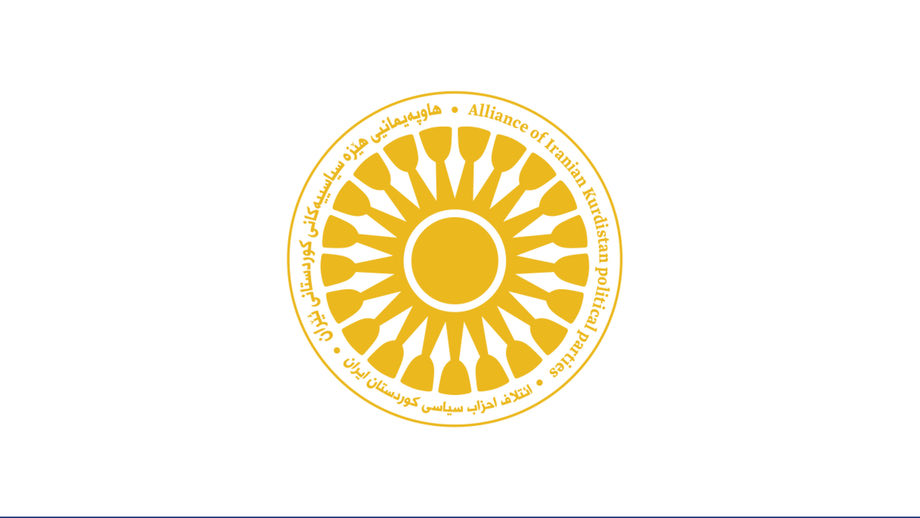
Alliance of Iranian Kurdish opposition parties Monday held a “high-level” meeting, deciding on party bylaws, approving a logo, and establishing “guiding principles for managing field operations during the transitional period” - statement.
📸: PDKI
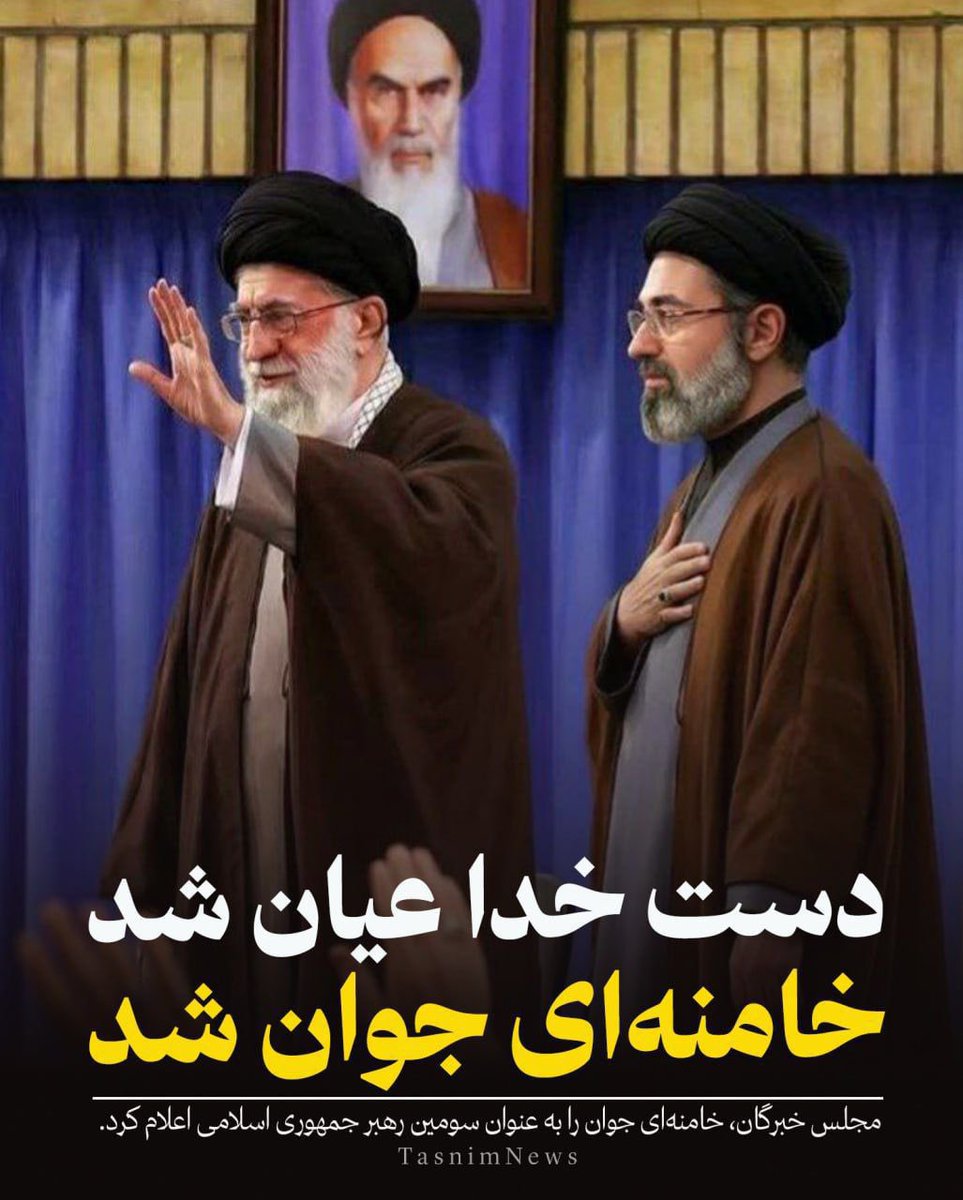
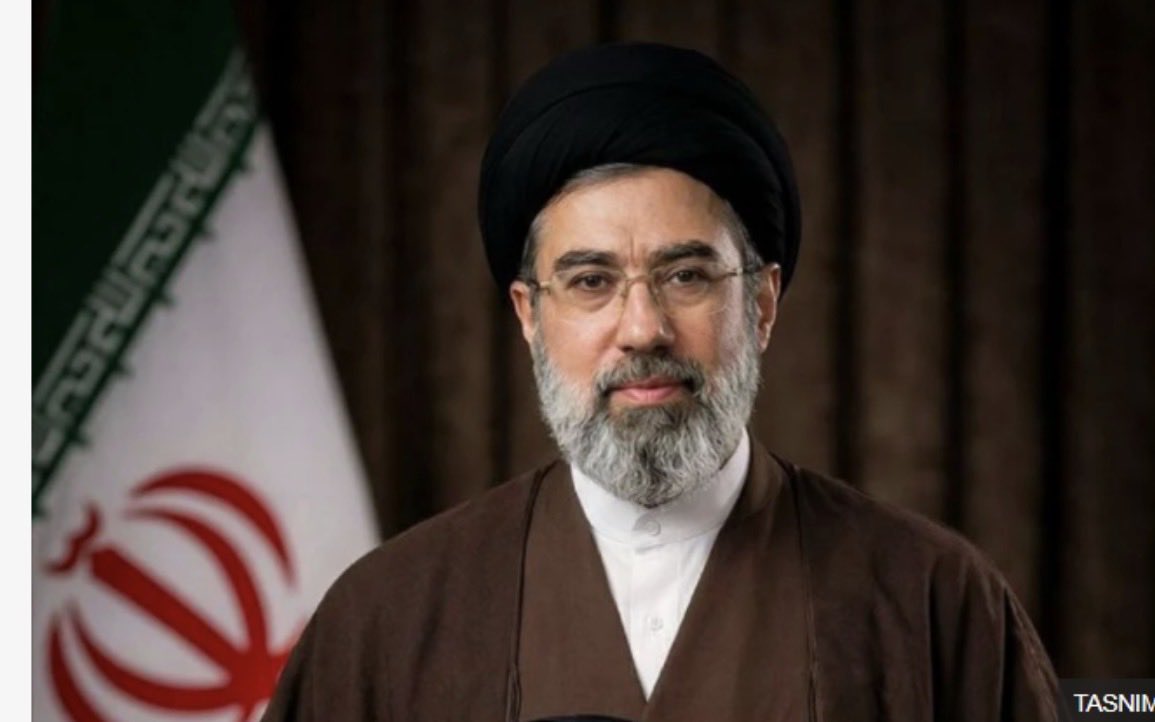
Iranian regime names Mojtaba Khamenei the new Supreme Leader after his father’s death. @POTUS Trump previously called Mojtaba “unacceptable” & warned any new leader in Tehran won’t “last long” without U.S. backing. 🇺🇸
Tasnim, the Iranian regime’s news outlet, frames Mojtaba’s succession as divinely ordained: “God’s hand appeared, and Khamenei became young.”
The literal translation doesn’t fully convey the meaning, but it essentially suggests that God’s will has appeared & a “young Khamenei” has emerged to continue the system.
Let’s wait and see if he can bury his father before he is targeted by Israeli/US airstrike
And then if he was to be killed, what would the regime/IRGC do?
- Member of Assembly of Experts says hrs after Khamenei’s death, consensus was reached on Mojtaba
- Pezeshkian apologised to neighboring countries 48hrs before Mojtaba’s name is released
- backlash from IRGC & hardliners against Pres/reformists
- Mojtaba’s name released, Mar 9
Iranian regime’s military and political leaders have pledged allegiance to Mojtaba Khamenei, who has been named to replace his father, as the country’s new supreme leader. Opposition figures say the elder Khamenei’s rule left Iran facing economic crisis, political repression, international isolation and war. Critics argue that choosing Mojtaba signals there will be little change, and that he is likely to continue along his father’s path. #Iran
"Our assessment is there cannot be regime change without boots on the ground, and our assessment is that the U.S. is not sending boots on the ground," they added. https://t.co/61PcD7iKZ9