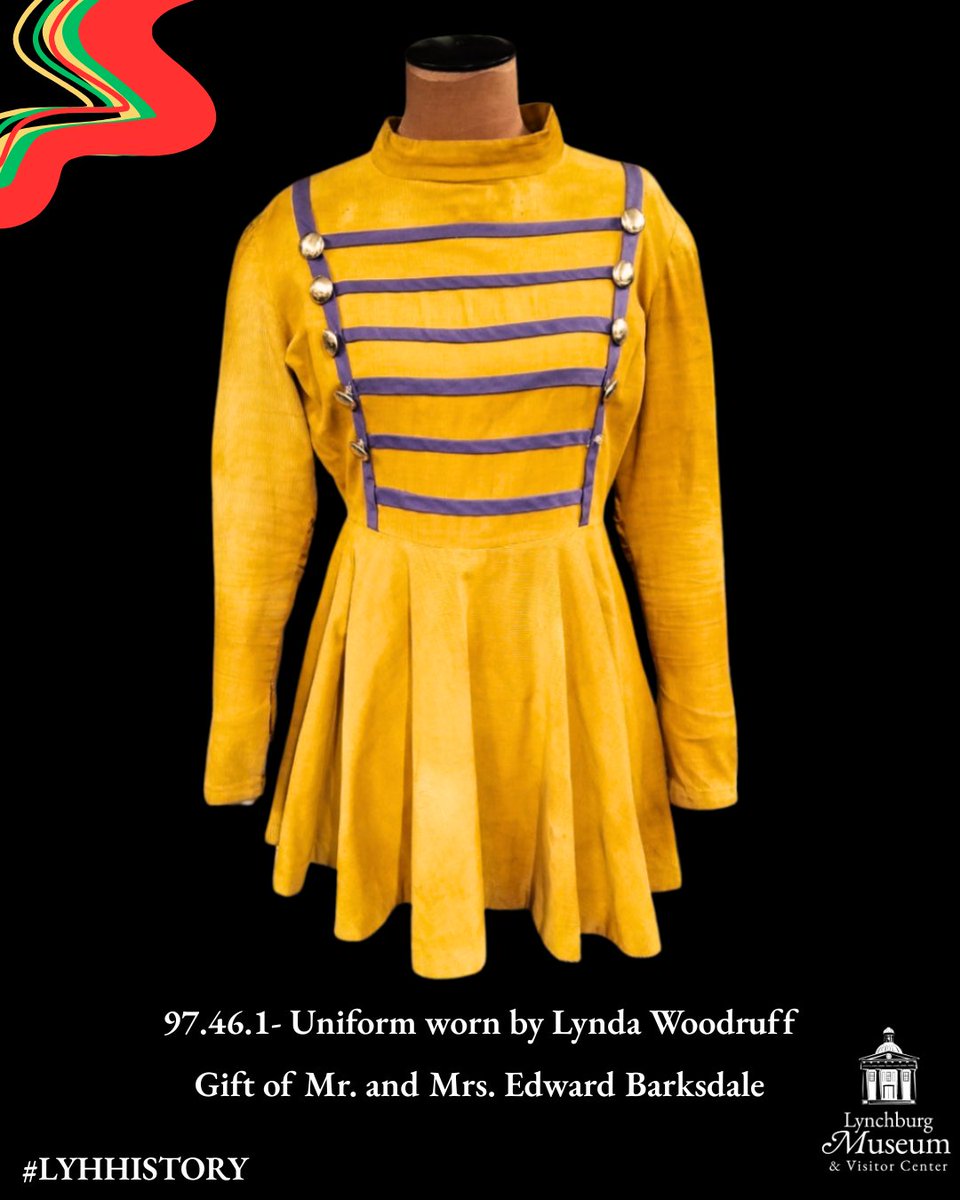
Every Wednesday this month, we will be highlighting and celebrating local Black History throughout the years.
Today we are highlighting Lynda Woodruff, one of the students who desegregated E. C. Glass High School in 1962.
Every Wednesday this month, we will be highlighting and celebrating local Black History throughout the years.
Today we are highlighting Mount Carmel Baptist Church, located at 800 Cabell Street, in the Daniel's Hill neighborhood.
Every Wednesday this month, we will be highlighting and celebrating local Black History throughout the years.
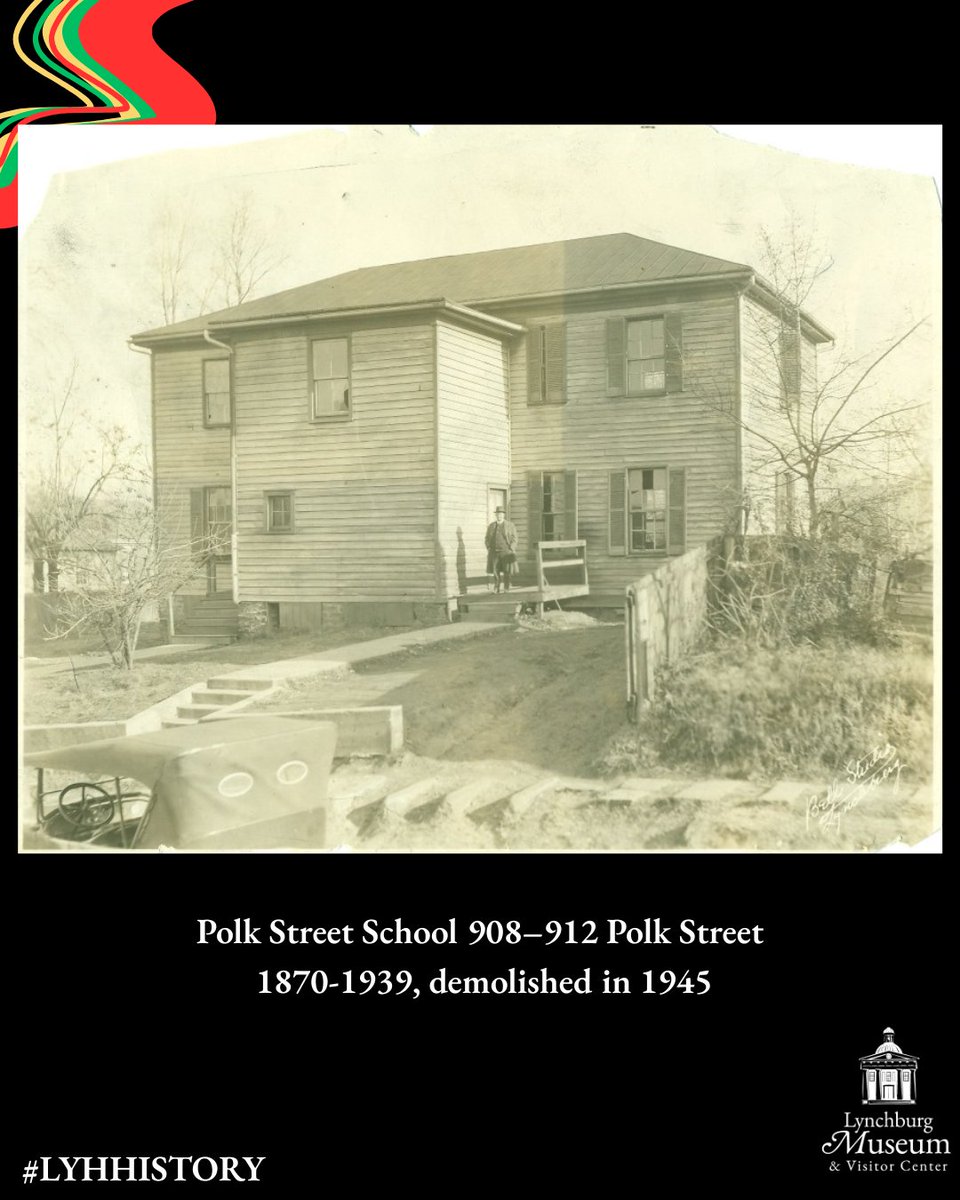
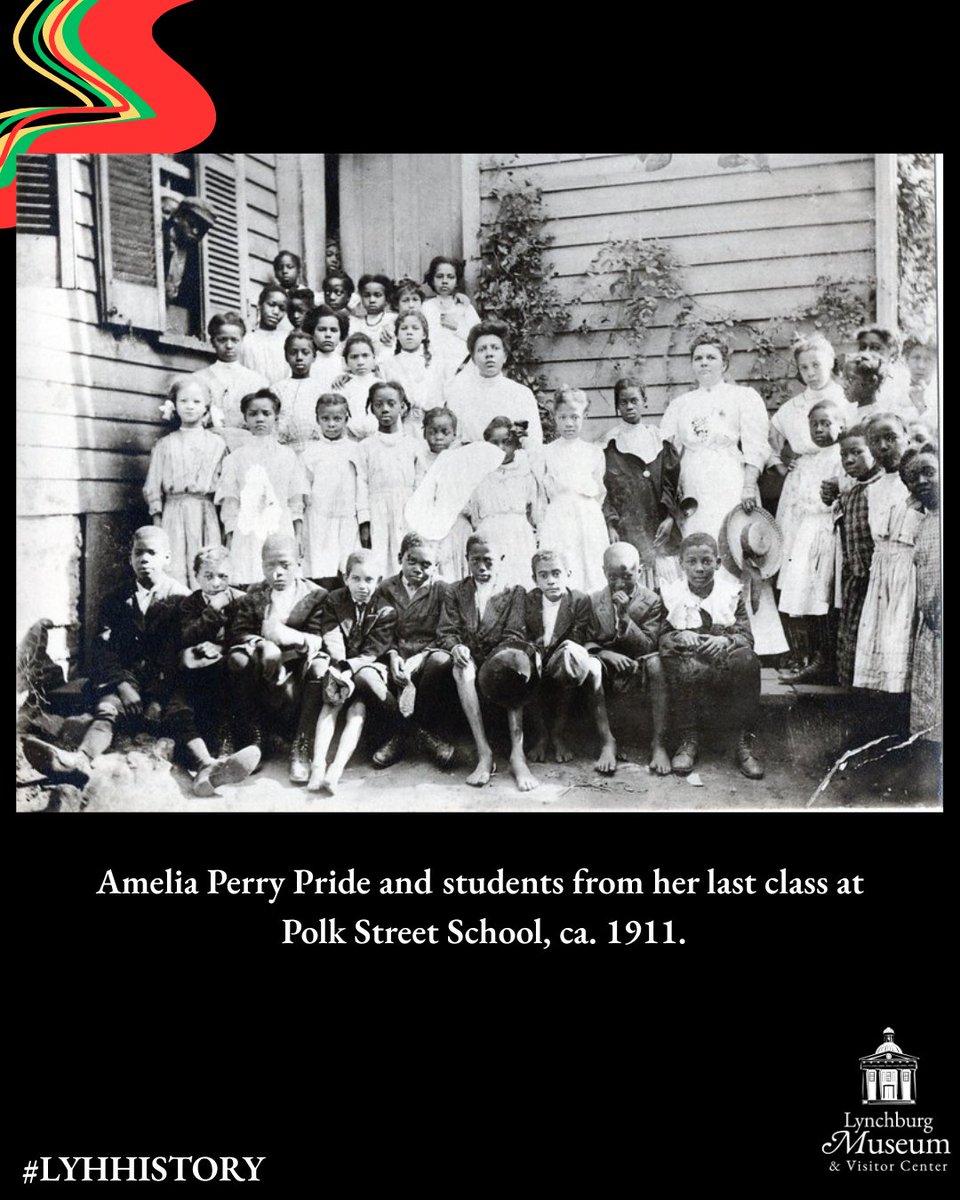
Today we are highlighting Polk Street School, formerly located at 908-912 Polk Street.
The Vietnam War touched lives at home and abroad. In Lynchburg, families waited anxiously, students debated, and communities faced loss. Twenty-seven young men from our city never returned, and their stories are at the heart of this exhibit.
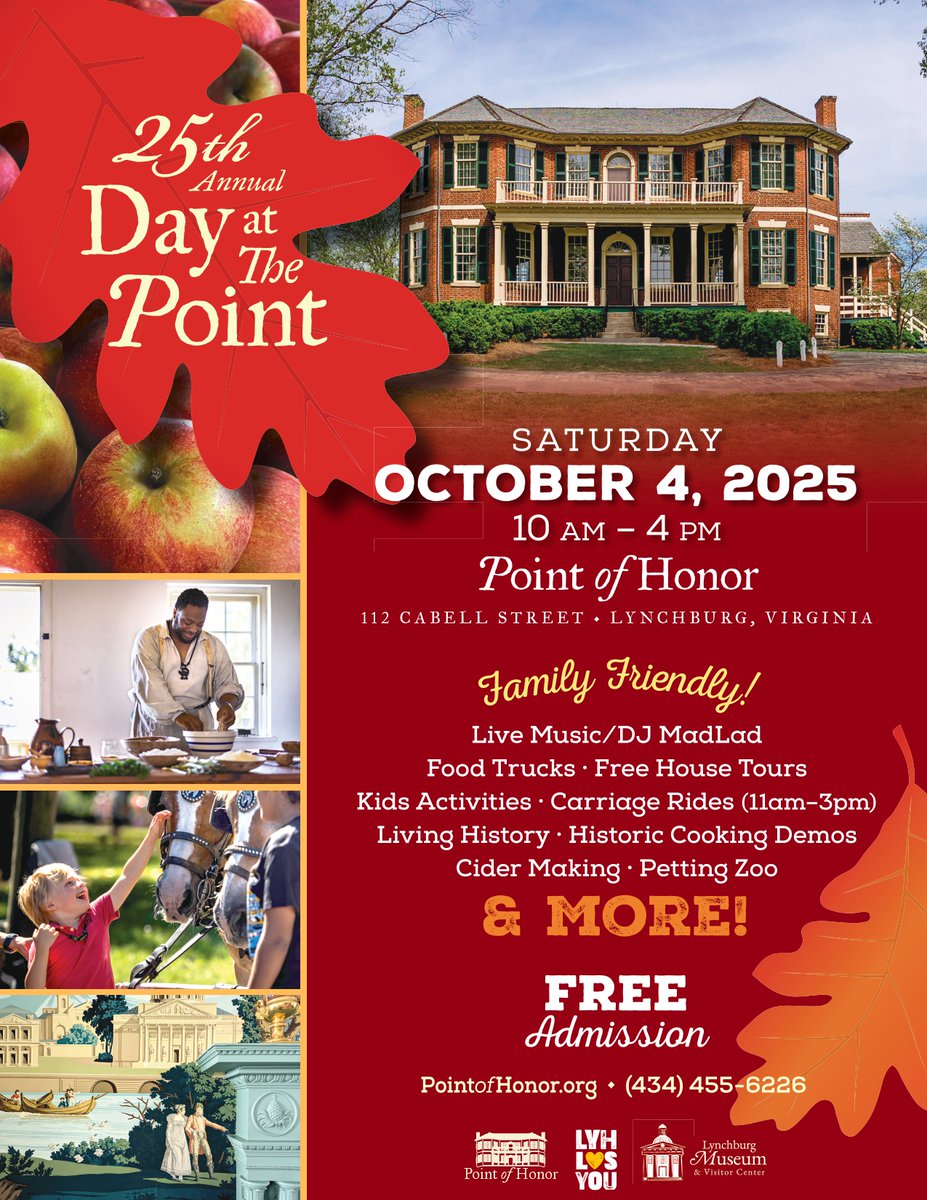
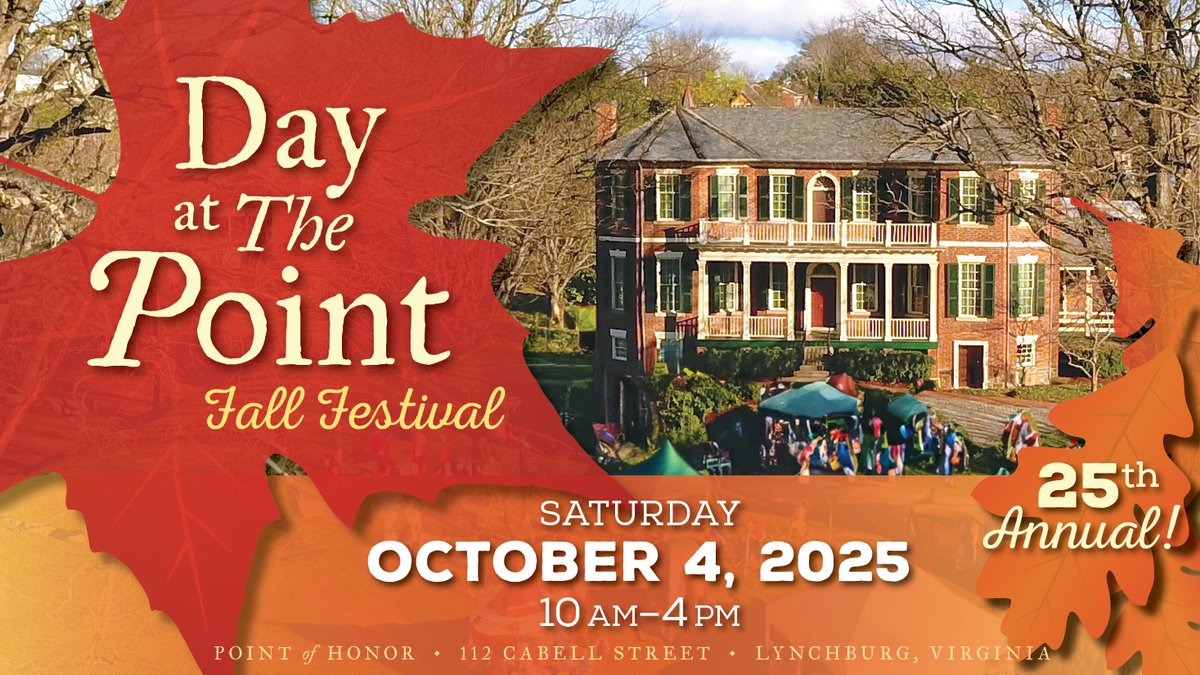
Mark your calendars for the 25th Annual Day at the Point Fall Festival at Point of Honor on October 4, 10 am-4 pm. Hosted by @LburgMuse, the event features historic demonstrations, local food vendors, house tours, and activities for all ages. It's FREE and open to the public!
🏈 Artifact Spotlight #62:
This is a leather football helmet that William “Bill” McGarvey Dudley (1921-2010) wore during his football career at the University of Virginia. The helmet is from ca.1940 with a winged design, featuring the school's colors, navy blue and orange.
📻 Weekly Artifact Spotlight #61:
Today is National Radio Day, celebrating the invention of the radio!
This photo shows a group of young ladies participating in WLVA Radio Hour in 1940. WLVA began broadcasting in 1930 becoming the city’s first radio station.
“For 100 years, from 1750 to 1850, the key was the preferred instrument of extraction, apparently because the procedure was quick” (Credit to: “Toothache and Trauma: A History of the Toothkey”, Virtual Museum, A.W. Ward Museum of Dentistry, Univ. of the Pacific)
🦷 Weekly Artifact Spotlight #60:
It's National Fresh Breath Day! Let’s celebrate how far we've come from dental tools of the past!
Here is a Tooth Key. It resembled a door key, and the motion of the tooth extraction was similar to turning a key in a lock.
During a procedure, the hooked claw was placed over the crown, the handle pivoted until the tooth was secured between the claw’s hook and the metal bolster opposite; then downward pressure on the handle elevated the tooth out of the gum.
The thin hide offered protection from rain or snow.
On most days the lid to this trunk stays closed, but a few times a year we find it cracked open just a little bit. Shifts in humidity? Maybe. Or maybe this trunk really wants to tell us its story…
🛄 Weekly Artifact Spotlight #59:
Measuring 36”x16,” this trunk dates back to the late 1700s. Wooden in construction, it's lined with wallpaper, covered in waterproof deerskin, and adorned with brass tacks conveying the monogram of its original owner: “M J.”
Luggage of this time was designed to minimize damage from travel and weather exposure. Weary travelers, would have coveted these “camel back” or “dome top” trunks because they afforded more storage space and were designed to travel at the top of a stack of luggage.
Others think that early settlers may have named the Peaks after a famous mountain in the Scottish Highlands- Beinn Dorain (Scottish Gaelic) which translates as "Hill of the Otter”.
🦦 Weekly Artifact Spotlight #56:
In celebration of today being "National Otter Day", we offer this view of the iconic Peaks of Otter–Flat Top (4004’), Sharp Top (3875’), and Harkening Hill (3372’)–which dominate the view in this region of Virginia.
While river otters thrive in Virginia, they may not be behind the name of the peaks. Some suggest the name comes from the Cherokee word "Ottari" meaning "high places", and humans have likely occupied the Peaks for centuries.
The primary mission of the canteen was to provide light refreshments to troops traveling on the rails and provide moral support to the men. Due to its reputation for hospitality, Lynchburg was given the nickname “Lunchburg.”
👩⚕️ Weekly Artifact Spotlight #55:
On this day in 1881, Clara Barton established the American Red Cross in Washington, D.C.
Decades later, a group of women led by Mrs. Charles MacLeod began to take refreshments to the railroad depots to hand to soldiers on the troop trains.
What started as an act of kindness soon grew to be a registered Red Cross canteen at Kemper Station that served thousands of soldiers between 1917 and 1918. Lynchburg's canteen was just one of 700 that operated in the United States and Europe during World War I.