Allergen/Weed Plant identification app with 99% accuracy*. Identify plants, allergens, weeds, diagnose diseases, and get holistic care for your garden.
This plant is growing in thousands of UK gardens and hedgerows right now. 🌿 Most people walk straight past it. Some people even pick it. But one of its lookalikes is among the most poisonous plants in Britain. Can you tell which one this is? Drop your answer below 👇 (Check with LeafStal if you're not sure — link in bio)
Winter Forest Dangers — Laurel (Cherry & Portuguese)
Common in woodland edges and large hedges.
Leaves contain cyanogenic compounds.
Wilting winter leaves are more palatable and more toxic.
Causes breathing failure and collapse in pets.
Cut branches increase danger.
#LeafStal #PlantIdentifier #WinterForestDanger #Laurel #PetSafety #ColdWeatherRisks #PlantsThatBiteBack
Winter Forest Dangers — Ivy (Berries & Leaves)
Evergreen ground cover and tree climber.
One of the few plants still producing berries in winter.
Contains saponins causing vomiting, breathing difficulty, and nervous system effects.
Dogs chew ivy when bored or hungry.
Evergreen equals exposure year-round.
#LeafStal #PlantIdentifier #WinterForestDanger #Ivy #PetPoisoning #ForestHazards #PlantsThatBiteBack
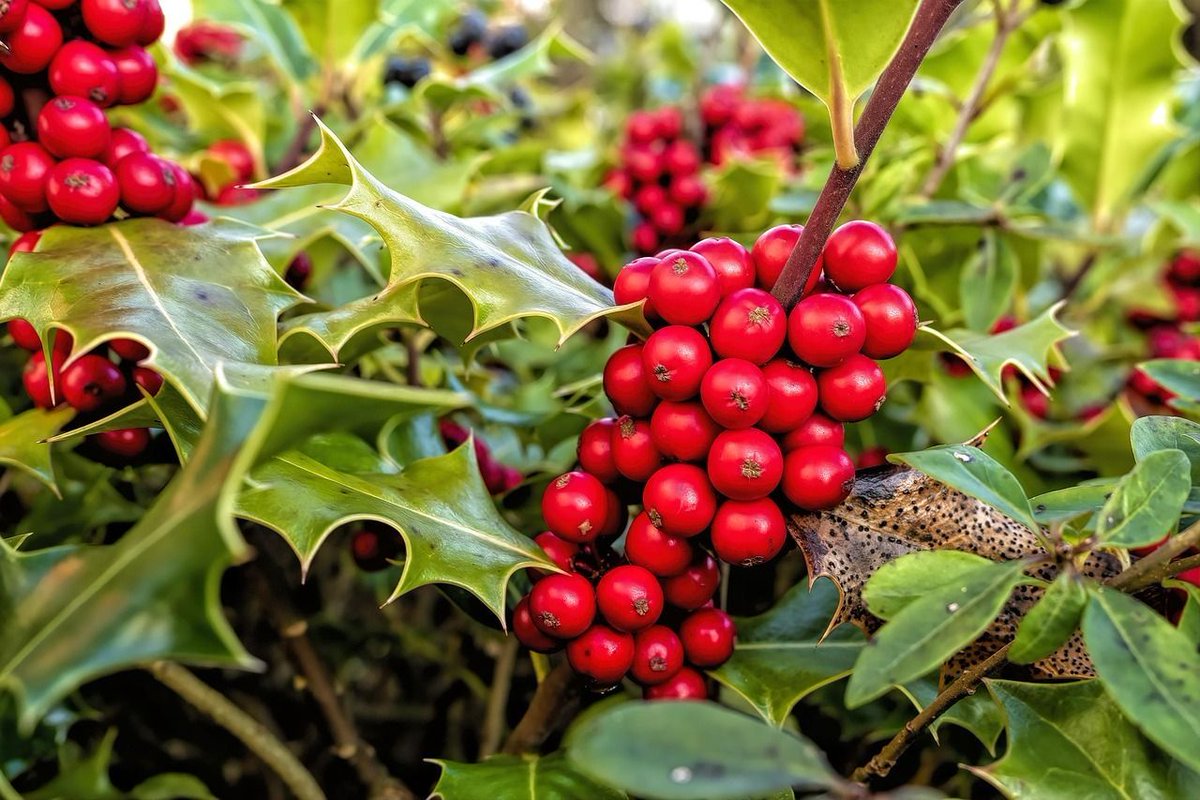
Winter Forest Dangers ��� Holly
Common in forests, parks, and hedgerows.
Bright red berries attract pets and children in winter.
Causes vomiting, diarrhoea, drooling, and lethargy in dogs and cats.
Spiny leaves add physical injury risk.
Festive does not mean safe.
#LeafStal #PlantIdentifier #WinterForestDanger #Holly #PetToxicity #SeasonalHazards #PlantsThatBiteBack
Evergreen hedges and woodland edges.
Red berries persist through winter when other food disappears.
Seeds contain powerful heart toxins.
Dogs chew fallen berries and needles when options are limited.
Winter scarcity increases risk.
#LeafStal#PlantIdentifier#WinterForestDanger #YewTree #PetSafety #ColdSeasonRisks #PlantsThatBiteBack
Forests, woodland edges, near fallen logs.
Often confused with edible morels.
Contains gyromitrin — converts to rocket fuel–grade toxin in the body.
Causes seizures, liver failure, death.
“Foraged” doesn’t mean safe.
#LeafStal#PlantIdentifier#ForestHazards#FalseMorel #ForagingDanger #WildFoodRisk #PlantsThatBiteBack
Iconic red cap with white spots.
Found in pine and birch forests.
Causes hallucinations, seizures, vomiting, and neurological distress.
Dogs are drawn to its smell.
Fairytale mushroom. Real consequences.
#LeafStal#PlantIdentifier#ForestHazards#FlyAgaric#ToxicMushrooms #PetPoisoning #PlantsThatBiteBack
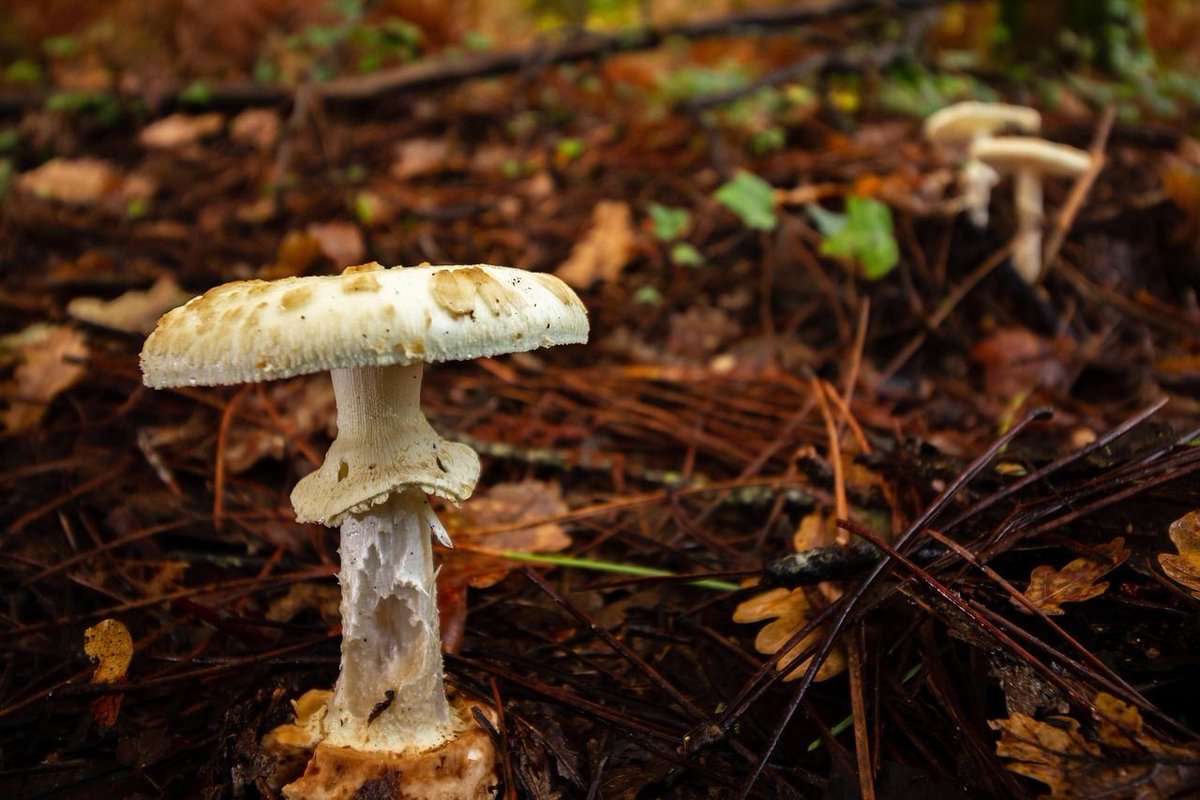
forests, grassy clearings, tree-lined paths.
Pure white. Often mistaken for edible mushrooms.
Causes severe liver and kidney failure.
Fatal even in small amounts.
Clean-looking doesn’t mean clean.
#LeafStal#PlantIdentifier#ForestHazards#DestroyingAngel#MushroomDanger #OutdoorSafety #PlantsThatBiteBack
Ancient woodland floors, shaded forests.
Looks harmless and delicate.
Contains protoanemonin, causing mouth ulcers, vomiting, diarrhoea, and nervous system effects.
Fresh plants are far more toxic than dried ones.
Spring forests hide risks.
#LeafStal#PlantIdentifier #WildPlantDanger #WoodAnemone #ForestHazards #PetToxicity #PlantsThatBiteBack
Woodlands and forest undergrowth.
Bright red berries attract dogs.
Causes severe mouth burns, vomiting, internal bleeding, kidney failure, and death.
Just a few berries can be lethal.
Pretty berries. Brutal outcome.
#LeafStal#PlantIdentifier#WildPlantDanger#Mezereon#Daphne #PetSafety #ForestPlants #PlantsThatBiteBack
Riverbanks, wet woodland, marshy forest edges.
One of the most poisonous plants in the world.
Contains cicutoxin, which causes violent seizures, respiratory failure, and rapid death.
Ingestion is often fatal within hours.
Wet areas are not safe zones.
#LeafStal#PlantIdentifier #WildPlantDanger #WaterHemlock #PetPoisoning #ForestHazards #PlantsThatBiteBack
Common filler flower in bouquets.
Contain pyrethrins and sesquiterpene lactones.
Causes vomiting, diarrhoea, excessive drooling, skin irritation, and coordination loss.
Frequently seen in vet poisoning cases.
Decorative doesn’t mean safe.
#LeafStal#PlantIdentifier#BouquetDanger #Chrysanthemums #PetToxicity #IndoorPlants #PlantsThatBiteBack
Frequently gifted and displayed indoors.
Bulbs and stems are highly toxic.
Causes severe gastrointestinal distress, tremors, heart rhythm abnormalities, and collapse.
Water from daffodil vases can also be toxic.
Vase placement matters.
#LeafStal#PlantIdentifier#BouquetDanger #Daffodils #PetSafety #ToxicFlowers #PlantsThatBiteBack
Popular spring bouquets.
Bulbs contain the highest concentration of toxins.
Causes vomiting, drooling, diarrhoea, and heart issues in dogs and cats.
Pets often dig up or chew fallen bulbs.
Not as harmless as they look.
#LeafStal#PlantIdentifier#BouquetDanger#Tulips #PetPoisoning #HouseholdRisk #PlantsThatBiteBack