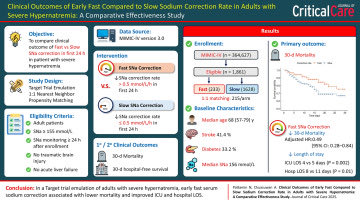
In this cohort study, EHR-documented Advance Directives were associated with reduced potentially burdensome end-of-life care and a lower likelihood of in-hospital death. #geriatrics https://t.co/XXyklS3hAE
Things we often screen for on acute medical admission in older people:
- Sepsis
- VTE risk
- Falls risk
- Pressure ulcer risk
- Nutritional status
- Frailty
But many places still mostly don't screen for:
- Delirium
BUT
Delirium independently predicts mortality, prolonged admission, new institutionalisation, and incident dementia.
It also causes a lot of suffering in patients and families, especially when not recognised and the diagnosis communicated.
There is a validated, free screening test that takes under 2 minutes, and it works. The 4AT. It's simple - see below.
🙏🙏🙏🙏🙏🙏
My hope is in a few years time we will look back on this era where it was okay to ignore delirium as horrifying.
We will wonder what we were thinking.
#dementia #delirium #falls #hospitalcare
Much of the time people reach for the dip because they don’t know what to do. You’re better off learning more about managing delirium. Check out my short video on this. https://t.co/jJXxWdb4va
What should you do instead? Diagnose UTI when there is a history of symptoms. Or when there is bacteria in the urine AND evidence of infection eg fever or blood test abnormalities AND no other more plausible source of infection
Smelly or cloudy urine is NOT a reliable sign of infection in older people. It’s usually down to hydration or diet.
Remember “The smell don’t tell”, and “The cloud is allowed.”
Up to half of older adults (and almost ALL with catheters) have bacteria living in their bladder without it causing an infection. This is called Asymptomatic Bacteriuria. It’s common, it’s harmless, and it doesn't need antibiotics
Want to know how to look after older people better on the ward? What to do in clinic? Community frailty team? New dates for 2026. 12 CPD points. £80 https://t.co/aYi7atqCMh Checknout our videos on tiktok instagram and youtube too. @leedsfrailtyed
We do far too many blood tests. On our ward we’ve done 1400 fewer blood tests in the last 5 months compared to historical averages. Loads of patients get repeat LFTs that are normal, or as you point out repeat blood tests continuing to improve when everyone knows pt is well
When I did more acute care I’d come across approximately one patient a month with an MI who had no chest pain, but presented with delirium or falls. Do an ECG. Have a wide lens
Most MIs are “atypical”
The BGS is pleased that @NAOorguk has produced a report on primary and community healthcare for people living with frailty, and we welcomed the opportunity to contribute to the process.
Sadly, the report makes for disheartening reading. https://t.co/KSlF4ppDaj
We need to come together to deliver better joined up care & neighbourhood health. Every system needs a frailty strategy. Identification & CGA at scale. Frailty Workforce & education. Check out @GeriSoc resources for age attuned integrated care, join the dots blueprint & much more