Stanford just made a $200,000 AI degree free.
No application.
No tuition.
No “elite access”.
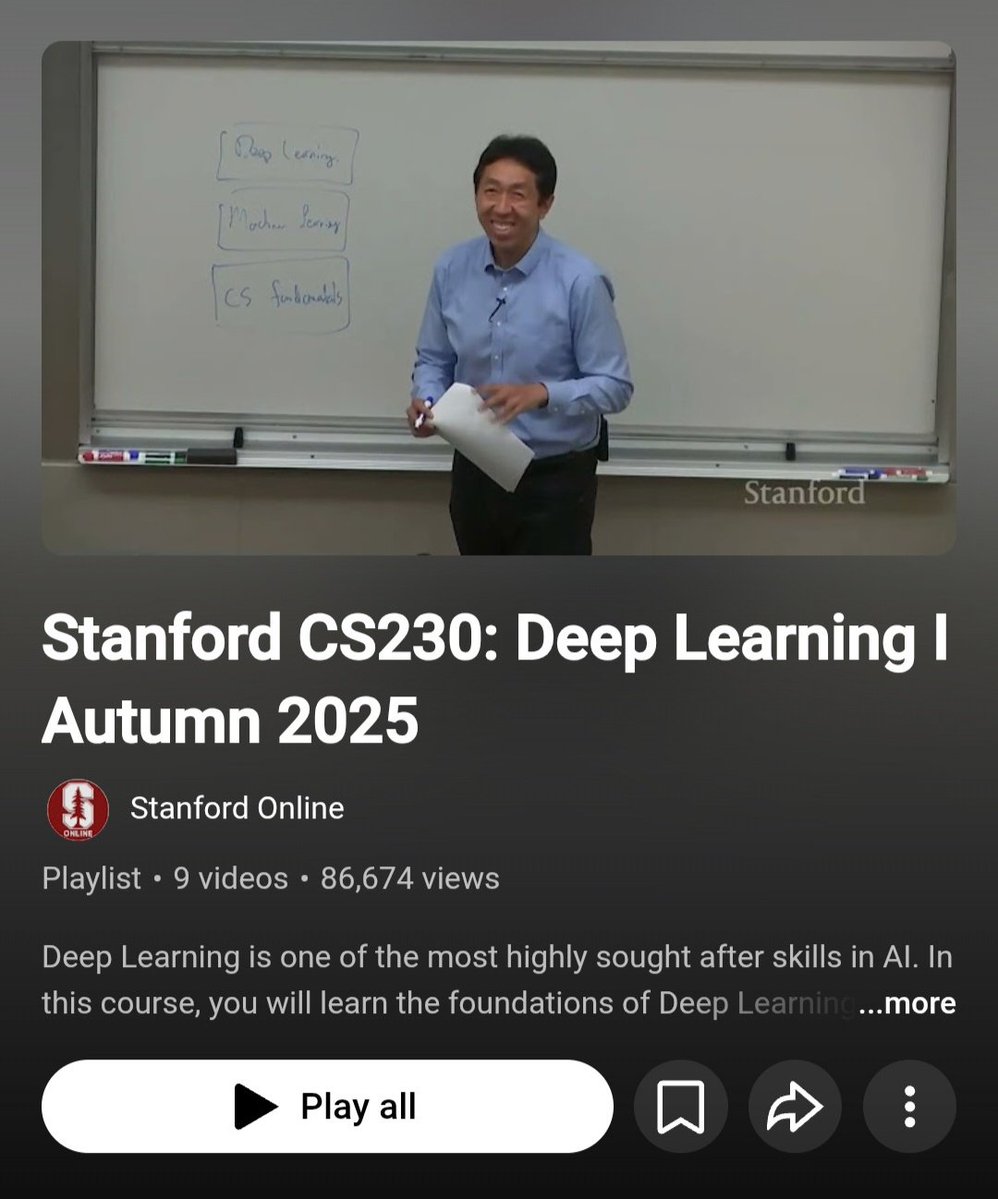
Stanford released its actual AI/ML curriculum on YouTube.
Not a PR-friendly intro.
Not “AI for the public”.
This is the real thing.
The same lectures shaping people working on frontier models.
What just became public:
Deep Learning (CS230)
→ https://t.co/DUtL9MO6Y7
Transformers & LLMs (CME295)
→ https://t.co/gN57biwLsE
Language Models from Scratch (CS336)
→ https://t.co/GnH11pPBdW
ML from Human Feedback (CS329H)
→ https://t.co/X9nxEX6PNg
Computer Vision (CS231N)
→ https://t.co/oBxKKWZP22
LLM Evaluation & Scaling
→ https://t.co/1tDpw9ArTq
The uncomfortable truth:
The degree isn’t the scarce asset anymore.
Execution speed is.
Top schools know this.
That’s why they’re publishing the playbook.
👉 Bookmark this.
Comment the first lecture you’ll actually watch.
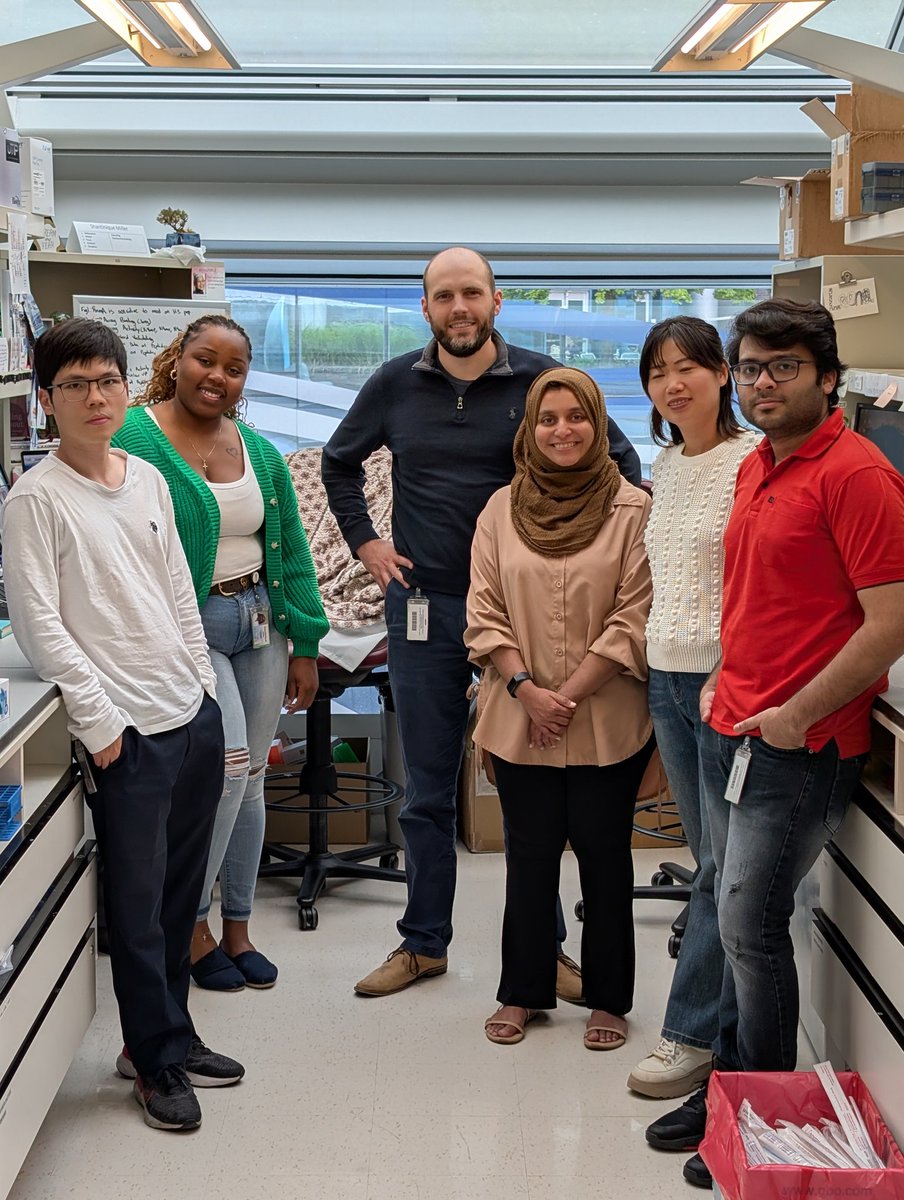
So many bittersweet emotions as I bid farewell to my first graduate student Dr. @LeenaKariapper. Congratulations on completing your PhD and best of luck! We will miss you!
My paper is out! Alhamdulillah. 😁
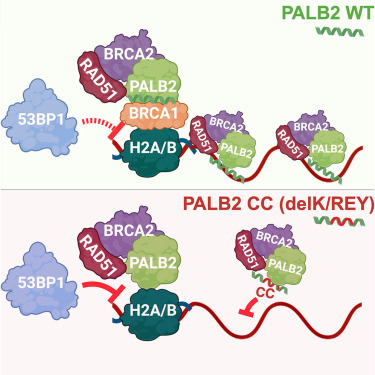
Setdb1 and Atf7IP form a hetero-trimeric complex that blocks Setdb1 nuclear export - Journal of Biological Chemistry https://t.co/Xee4aCYZmh
I am excited to share the story of my thesis work!
Setdb1 and Atf7IP form a hetero-trimeric complex that blocks Setdb1 nuclear export https://t.co/7qZZVtLZtq
GoogleDeepmind Chief AGI Scientist Shane Legg: AGI by 2028
He’s had the same timelines for 12 years - insane! He gives a log-normal distribution with a mode of 2025.
Importantly, while he puts a 50% chance of AGI by 2028, that means there is a 30% chance of AGI in the next three years.
How have his timelines been so consistent since 2011?
SHANE LEGG: I first formed those beliefs around 2001 after reading Ray Kurzweil's The Age of Spiritual Machines. There were two really important points in his book that I came to believe as true:
1) One is that computational power would grow exponentially for at least a few decades. And that the quantity of data in the world would grow exponentially for a few decades.
And when you have exponentially increasing quantities of computation and data, then the value of highly scalable algorithms gets higher and higher. There's a lot of incentive to make a more scalable algorithm to harness all this computing data. So I thought it would be very likely that we'll start to discover scalable algorithms to do this.
And then there's a positive feedback between all these things, because if your algorithm gets better at harnessing computing data, then the value of the data and the compute goes up because it can be more effectively used. And that drives more investment in these areas. If your compute performance goes up, then the value of the data goes up because you can utilize more data. So there are positive feedback loops between all these things.
2) And then the second thing was just looking at the trends. If the scalable algorithms were to be discovered, then during the 2020s, it should be possible to start training models on significantly more data than a human would experience in a lifetime. And I figured that that would be a time where big things would start to happen that would eventually unlock AGI.
And I think we're now at that first part. I think we can start training models now with the scale of the data that is beyond what a human can experience in a lifetime. So I think this is the first unlocking step.
DWARKESH: If we're in 2029 and it hasn't happened yet, if there was a problem that caused it, what would be the most likely reason for that?
SHANE LEGG: I don't know. At the moment, it looks to me like all the problems are likely solvable with a number of years of research.
Is DNA all you need?
In new work, we report Evo, a genomic foundation model that learns across the fundamental languages of biology: DNA, RNA, and proteins. Evo is capable of both prediction tasks and generative design, from molecular to whole genome scale.
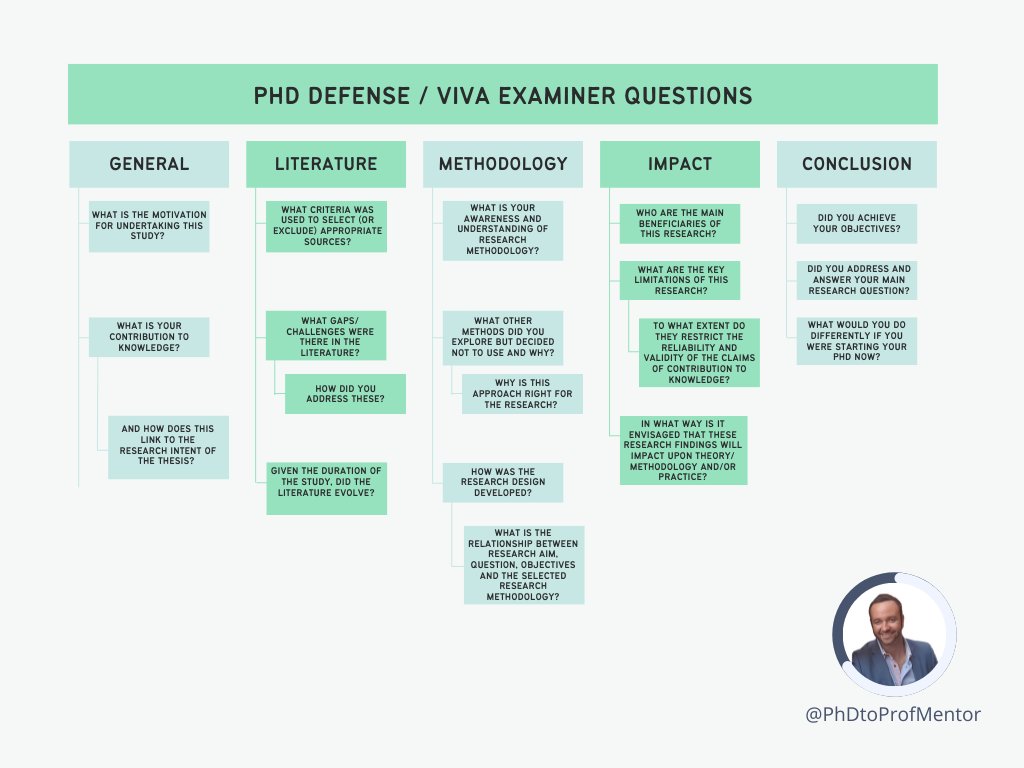
PhDs, do you ever wish you could see inside an examiner's mind?
I have been a PhD examiner for 15+ years and have collated all the key questions colleagues of mine ask in PhD Vivas in this cheat seeht.
🎁 This is my present to you.
Announcing our new scholarship scheme! 👏
The UCL Research Excellence Scholarships (RES) is offering up to 40 scholarships to exceptional applicants from any country to pursue MPhil and PhDs at UCL!
Applications close on Friday 12 Jan - apply now!👇
https://t.co/ZqR3kKvD9M
Muhil has lived in the U.S. for nearly 20 years, but her future in this country is uncertain because of our broken immigration laws.
“If I left the country, I don’t know when I’d be able to come back.”
Her story is just one example and a reminder that #ImmigrationFuelsGrowth.