Bottom line
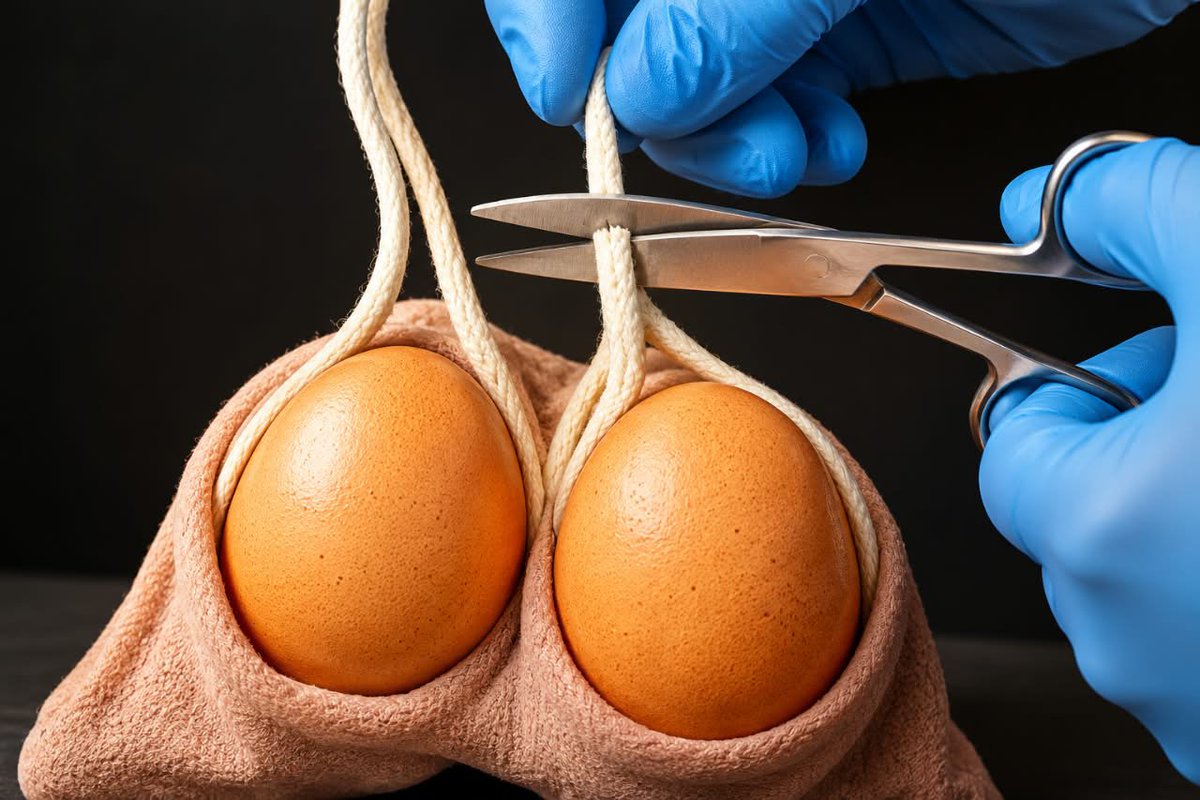
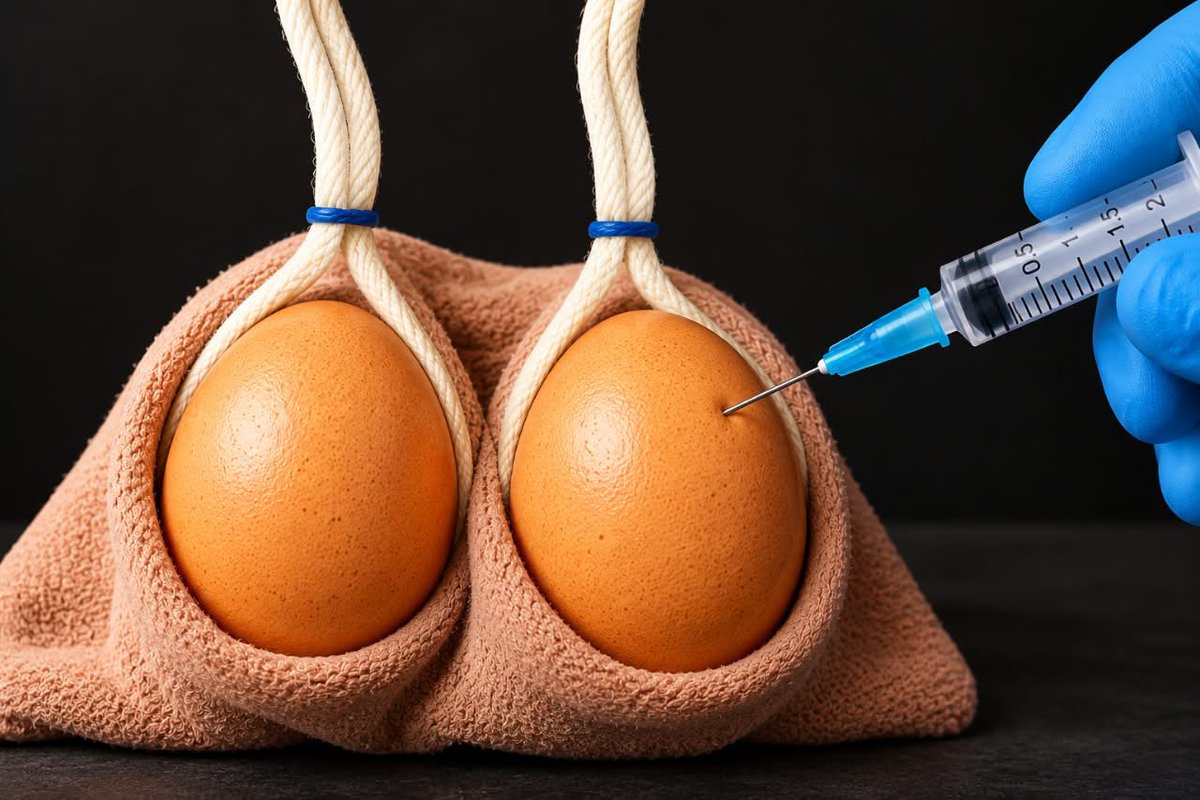
A vasectomy works by blocking the tubes that carry sperm, not by removing the testicles or stopping testosterone.
The no-scalpel method uses a small opening, recovery usually takes a few days, and sexual function generally stays the same.
But you must keep using contraception until a semen test confirms success, and you should treat the decision as permanent.
Understand the procedure, follow your doctor's advice, and make an informed choice.
8. Be certain before choosing a vasectomy
A vasectomy is intended to be permanent. Reversal surgery may be possible, but it is expensive, does not always work, and cannot guarantee a pregnancy.
Before making the decision, consider:
* Whether you want children in the future
* Whether you and your partner agree
* Whether you understand the alternatives
* The possibility of persistent scrotal pain
* The need for follow-up testing
A vasectomy does not protect against sexually transmitted infections, and failure is rare but possible.
Speak with a qualified clinician and ask every question you have.
Permanent decisions deserve careful thought.
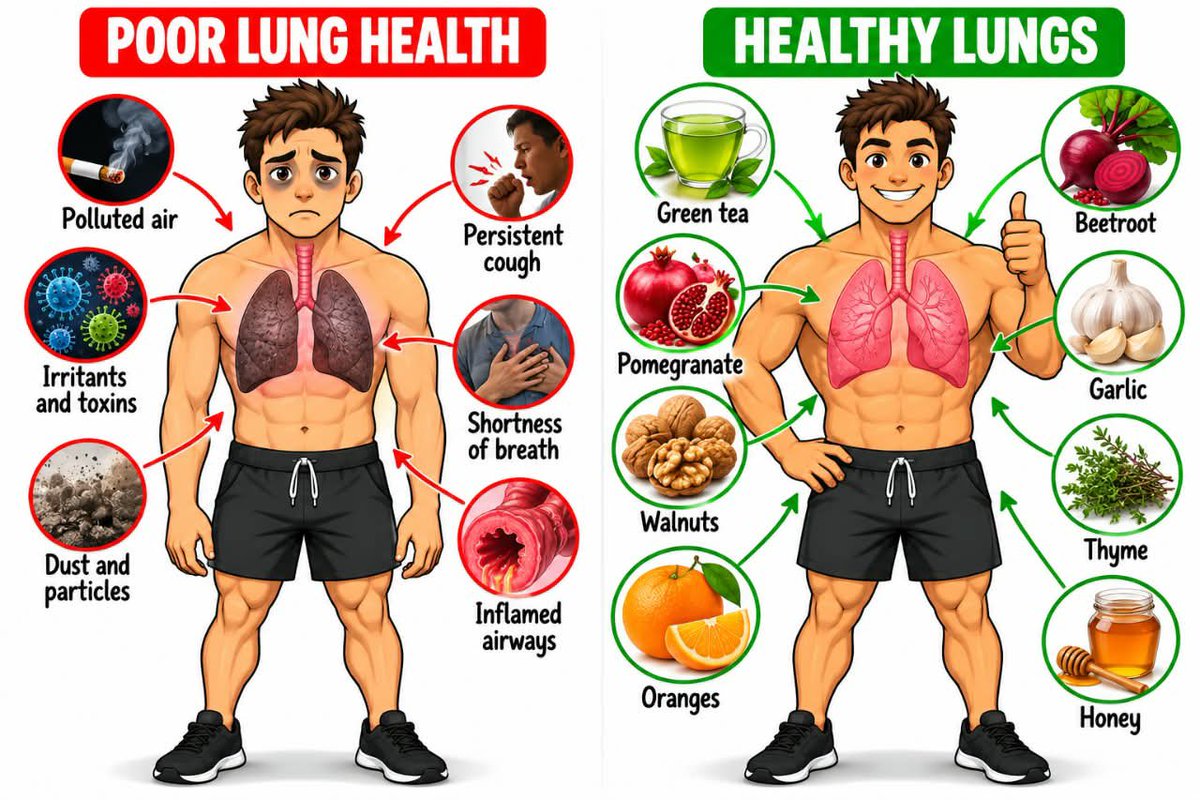
4. Oranges
Oranges provide vitamin C, which helps protect cells and supports normal immune function.
Your lungs benefit from a healthy diet, not a quick detox:
• Supports normal immune defenses
• Helps the body make collagen
• Provides antioxidants that protect cells from damage
Eat the whole fruit for fiber too.
Other foods worth including are beetroot, garlic, thyme and honey. They can be part of a balanced diet, but no food can detox your lungs overnight or reverse lung damage on its own.
3. Walnuts
Walnuts provide healthy fats, including alpha linolenic acid, a plant based omega 3.
They also contain antioxidants that support overall health:
• Provides healthy fats for daily nutrition
• Contains compounds that help protect cells
• Supports heart health as part of a balanced diet
A small handful makes an easy everyday snack.
The truth.
Swelling doesn't automatically mean heart failure.
But ignoring persistent swelling can delay finding the real cause.
If you have severe difficulty breathing, chest pain, or fainting, seek emergency medical care.
Don't wait for every warning sign to appear.
The smartest move isn't guessing the cause.
It's getting persistent or unexplained swelling checked, particularly if you also have breathlessness, unusual tiredness, or rapid weight gain.
Don't start water tablets or stop prescribed medication without medical advice.