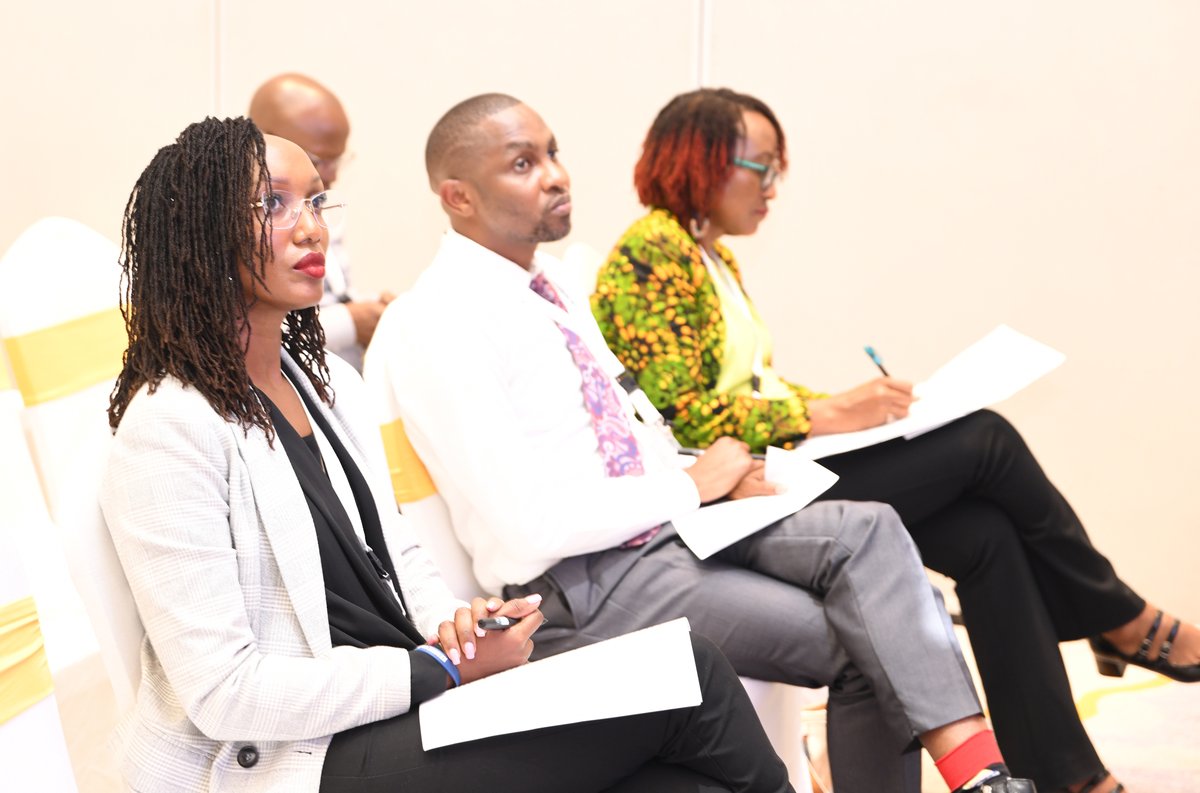
We're Hiring: Graduate Trainee – Stakeholder Engagement and Science Diplomacy
Are you a recent graduate passionate about the intersection of science, policy, and global partnerships? The SFA Foundation Graduate Trainee Programme offers a unique opportunity to launch your career.
For application details, visit 🔗 https://t.co/Zl4GE9pqjG
Terence Tao, one of the most well known mathematicians, speaks up on AI in mathematics in his new paper:
“What if an AI tool generates a lengthy proof that is verified to be correct, but which nobody — 𝘯𝘰𝘵 𝘦𝘷𝘦𝘯 𝘵𝘩𝘦 𝘩𝘶𝘮𝘢𝘯𝘴 𝘸𝘩𝘰 𝘱𝘳𝘰𝘮𝘱𝘵𝘦𝘥 𝘵𝘩𝘦 𝘵𝘰𝘰𝘭 — understands? This is no longer hypothetical. Sites devoted to collecting mathematical problems already contain dozens of AI-generated proof submissions. Many of these are likely to be correct; but in a substantial number of cases no human expert has yet volunteered to verify and vouch for them, and in several cases the human submitters have themselves declared that they are not qualified to do so.
We may soon be faced with the very real possibility of a verified proof of a major result that NO HUMAN understands well enough to explain.
For a proof to actually contribute to its field, then, it is NOT enough for it to be correct, and NOT enough for it to be readable. It also needs to be accepted and valued by the community: other mathematicians need to 𝗱𝗶𝗴𝗲𝘀𝘁 𝘁𝗵𝗲 𝗿𝗲𝘀𝘂𝗹𝘁 𝗮𝗻𝗱 𝗶𝗻𝗰𝗼𝗿𝗽𝗼𝗿𝗮𝘁𝗲 𝗶𝘁 𝗶𝗻𝘁𝗼 𝘁𝗵𝗲𝗶𝗿 𝗼𝘄𝗻 𝘄𝗼𝗿𝗸.
Our current publication infrastructure relies on human editors and referees to provide this acceptance, voluntarily and largely without credit. This work is routinely regarded as less prestigious than the work of generating proofs in the first place; but it is an essential component of the profession, and it is precisely the mechanism by which the individual achievements of mathematicians are converted into collective progress and understanding.
Finally, even publication is not the last stage. Key results should ultimately become part of the definitive textbooks and reference material of their subject, in the form in which 𝘁𝗵𝗲𝘆 𝗮𝗿𝗲 𝘁𝗮𝘂𝗴𝗵𝘁 𝘁𝗼 𝘁𝗵𝗲 𝗻𝗲𝘅𝘁 𝗴𝗲𝗻𝗲𝗿𝗮𝘁𝗶𝗼𝗻 𝗼𝗳 𝘀𝘁𝘂𝗱𝗲𝗻𝘁𝘀. This process of canonicalization is the slowest stage of all. It requires broad, deliberative consensus, and it is the stage least amenable to optimization by AI tools.”
📍 Terence Tao concludes:
“We will transition from an era of proof scarcity to an era of proof abundance. Most of our institutions — journals, priority conventions, hiring and promotion criteria, prizes, the very notion of a research program — were designed under the assumption of scarcity, and it should not surprise us if they behave poorly under abundance.
In some areas, particularly in education and in the training of young mathematicians, it will be crucial to emphasize 𝘁𝗵𝗲 𝗶𝗿𝗿𝗲𝗱𝘂𝗰𝗶𝗯𝗹𝘆 𝗵𝘂𝗺𝗮𝗻 𝗮𝘀𝗽𝗲𝗰𝘁 of our work, and to restrict the use of AI tools quite tightly; the goal of training a mathematician is NOT achieved by producing correct homework.
In other areas, we will need to take the initiative on AI usage, and define best practices for incorporating these tools into our workflows on our own terms rather than on terms set for us by vendors.”
__
[I highlighted & capitalized words in the text for clarity]
300 agents can find 1,000 sources. that still doesn’t make the research good
the interesting part starts when those sources are forced to check each other.
in K3 graph-native setup:
300 agents → 140 linked sources → 100% traceable claims → 9 contradictions surfaced
one source confirms a number.
another challenges it.
a third connects the same entity from a different angle.
so instead of: source → summary
you get: source → entity → overlap → contradiction → verification → graph
every new source becomes a node.
if 3–4 independent sources support the same claim, confidence goes up.
if 2 sources disagree, the contradiction gets flagged.
if a claim has only 1 supporting source, it stays weak.
a normal research workflow could have quietly shipped those 9 contradictions as facts.
that’s why the breakthrough isn’t just 300 agents running in parallel.
full breakdown in the article below.
A 23-YEAR-OLD FROM CHINA RUNS 300 AI AGENTS AT ONCE - AND NONE OF THEM CAN LIE TO HIM
he opens the dashboard live: 300 Kimi K3 agents firing in parallel, Opus 5 checking every single output against its source
> pointed at 100 EV-market companies
> first pass - 12 failed: wrong revenue, dead citations, empty fields
> second pass - 3 failed
> third pass - zero, every row filed straight into an Obsidian vault
loop engineering with teeth: it refuses to stop while anything is still wrong
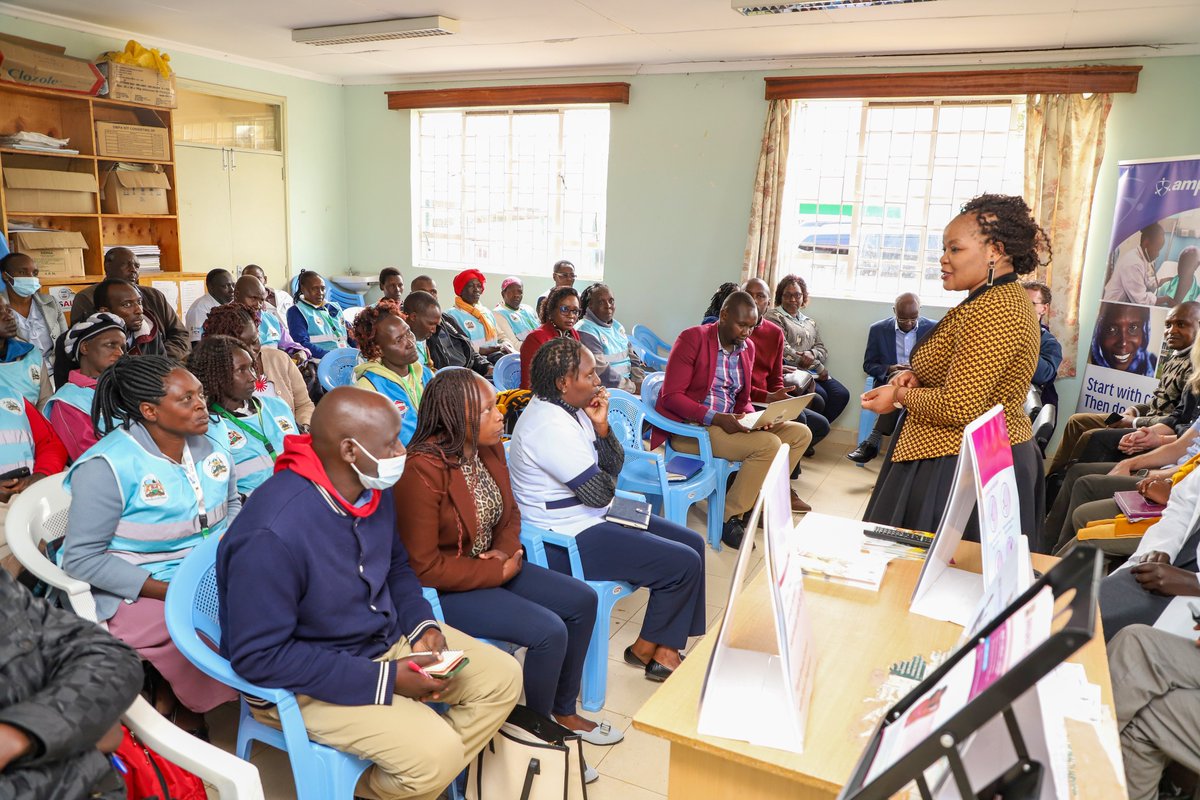
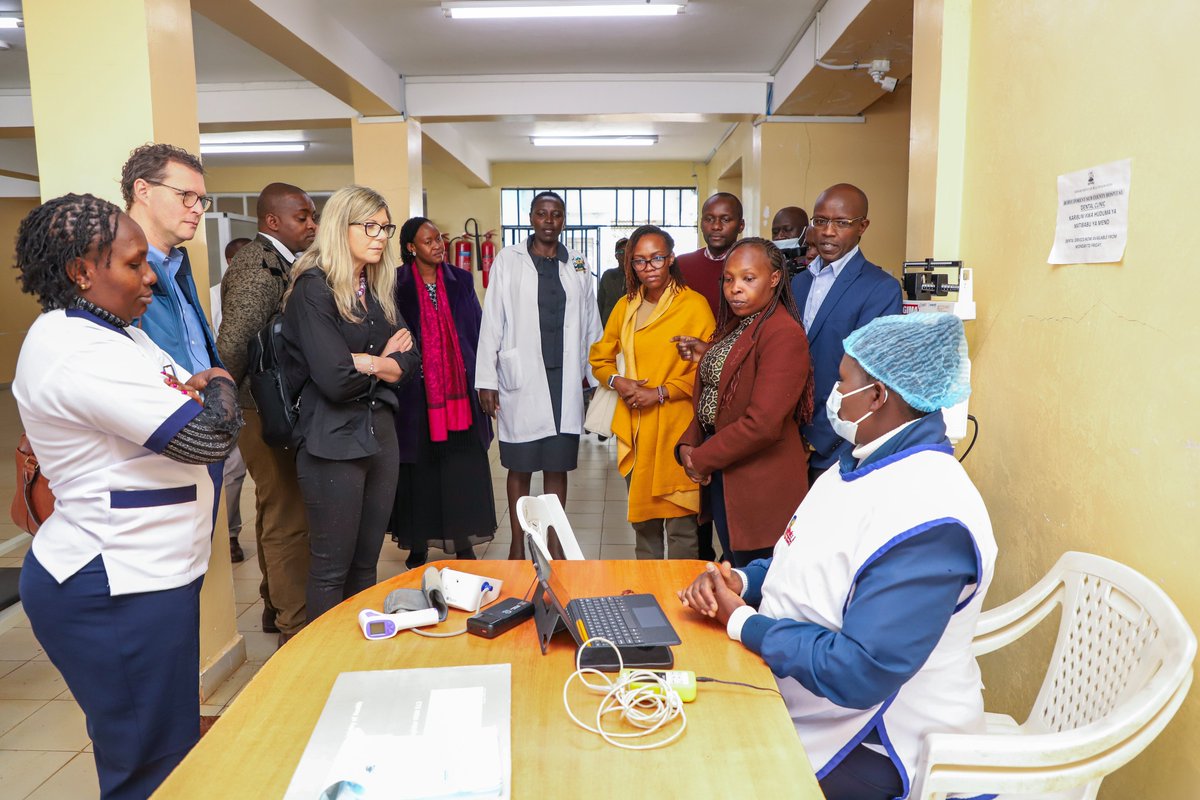
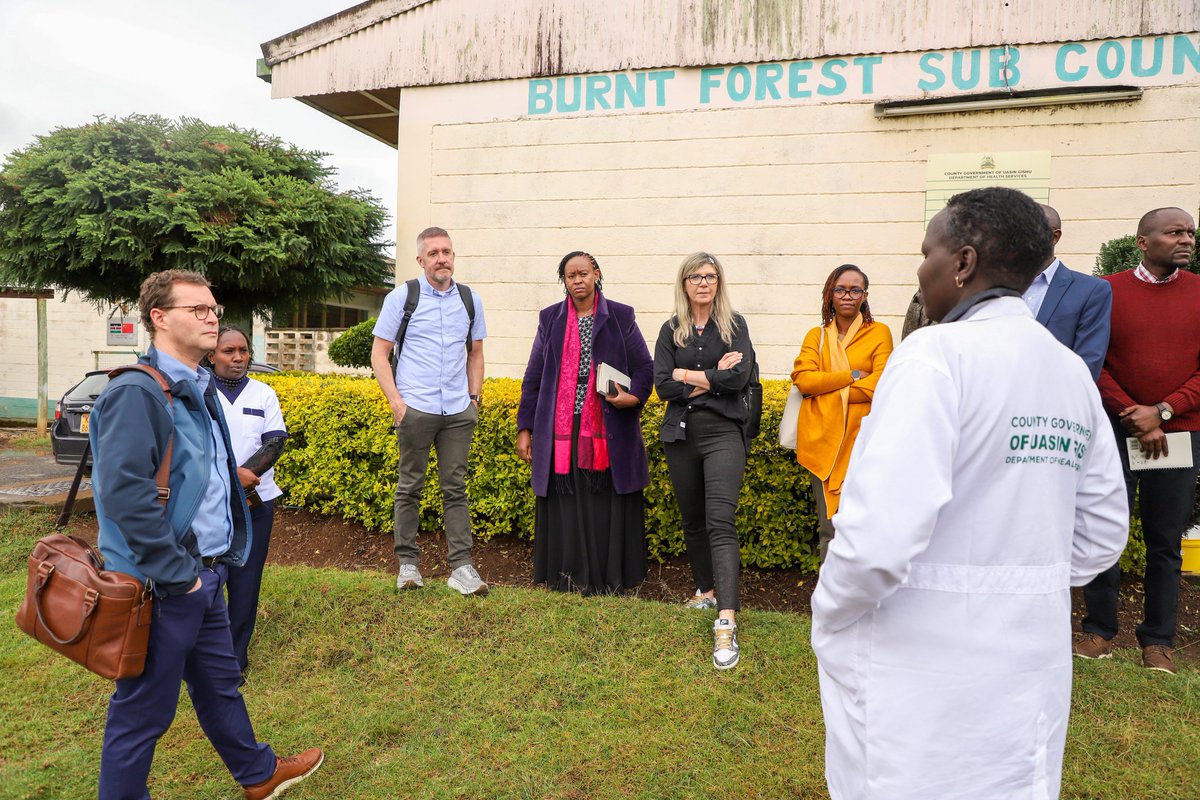
Leaders from The @pfizer Foundation and AMPATH visited Burnt Forest Hospital & @MTRHofficial Chandaria Cancer and Chronic Diseases Centre to see the Integrated Model for Access, Retention and Advanced Breast Cancer Care (IMARA–BC) in action...
A team of Kenyan scientists has found four new variants of the malaria parasite in eight counties across western Kenya that are linked to reduced effectiveness of frontline malaria drugs,
The experts were led by Prof Isabella Oyier of the Kemri-Wellcome Trust in Kilifi, who worked with the Health ministry's National Malaria Control Programme. #HealthyNation https://t.co/vUCBC9yvy3
"Unpopular Academic Advice" #8: When I was younger, I envied people who could ace exams effortlessly. They had the talent. I had the grind. I could get high scores, too, but only by working painfully hard. For a long time, I thought that meant I was behind.
Years later, I see it differently. I don’t have world-class math talent. I’m not that musically gifted. I wasn’t born with the kind of beauty that stops a room.
But I do have something rarer: I’m resilient. I can stay motivated, work hard for a long time, absorb setbacks, and not burn out. That turns out to be a talent too, and a powerful one.
Because if you’re resilient, you can learn almost any skill you weren’t born with. Talent gives you a head start. Resilience decides how far you go.
Unpopular academic advice: stop asking “What am I naturally good at?” Start asking “What can I keep working on, even when it’s hard?”
That answer compounds.
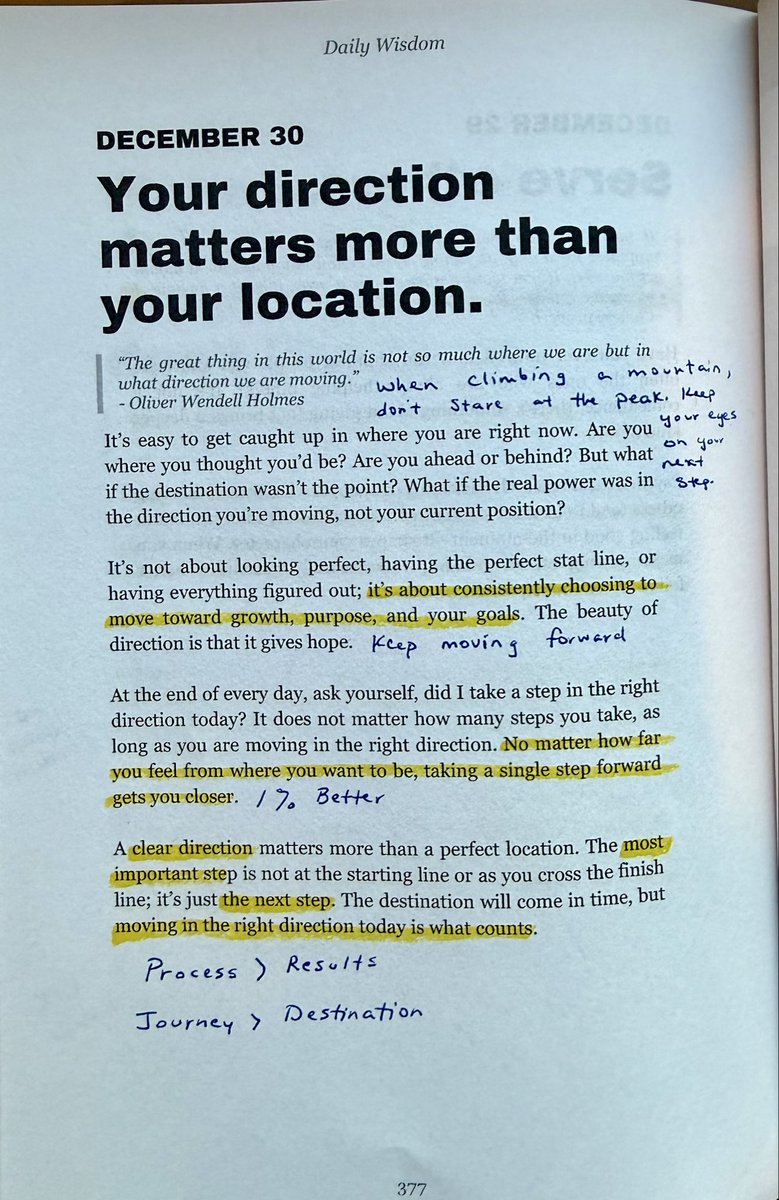
When you’re climbing a mountain, don’t stare at the peak (your destination). Keep your eyes on your next step (your journey).
Same goes with life. Although you need to have a clear vision of where you are going, don’t focus on where you are going, focus on the current step it takes to get there. There will be obstacles and things that are out of your control that get in your way. Keep moving forward. Get 1% better everyday.
Focus on the Process over the Result. The Journey over the Destination.
We are delighted to announce the establishment of the 2nd Generation Malaria Vaccine Consortium, a new global partnership created to accelerate malaria vaccine development which will be co-led by the @UniofOxford and Institut de Recherche en Sciences de la Sante Clinical Research Unit of Nanoro in Burkina Faso. Funded by the European Commission EDCTP3 for five years, it brings together nine leading research institutions from Africa, the European Union, and the UK.
🔗Read more here 👉: https://t.co/tjBHw2NZeo
#MalariaVaccine #GlobalHealth #Vaccines
Health insurance isn’t just coverage; it’s cost protection.
Data shared by Robinson Oyando, PhD Fellow, @KEMRI_Wellcome, and @IDeAL_KEMRI_WT at the #NairobiHealthScientificConference show that insured Kenyan households spend KES 6,680 less out of pocket than uninsured households
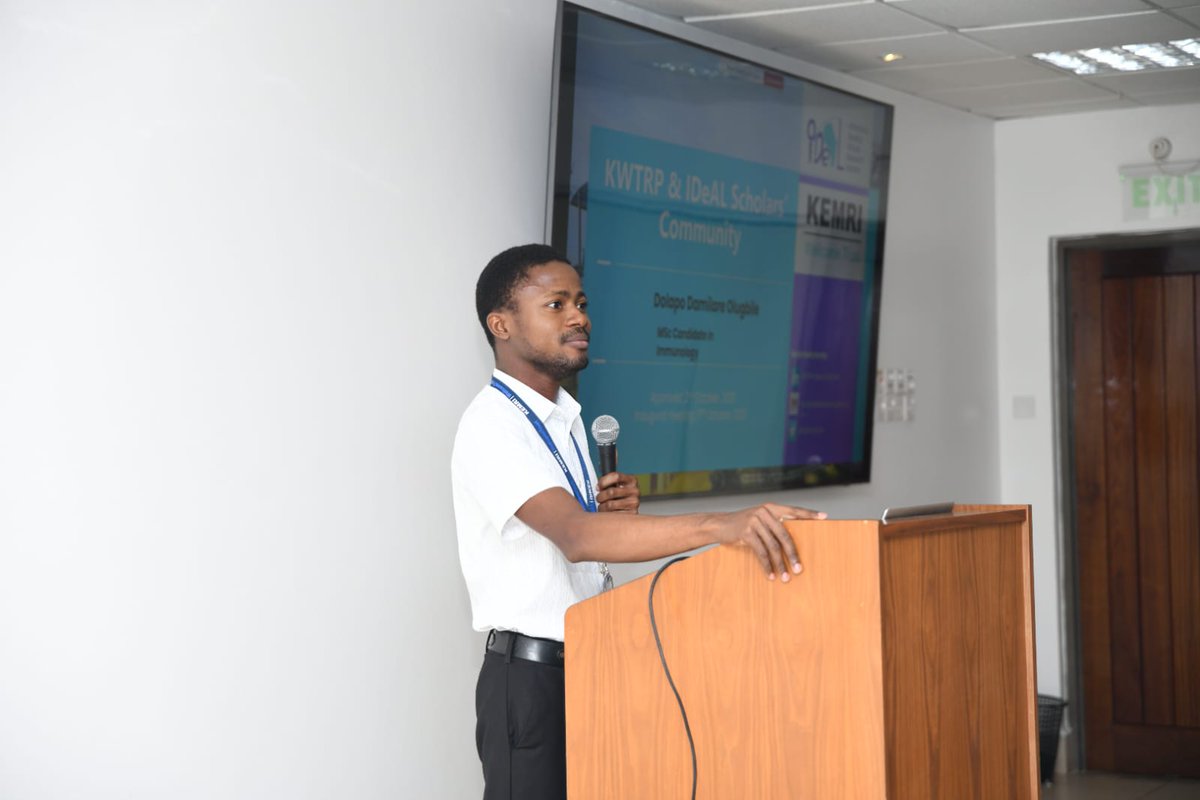
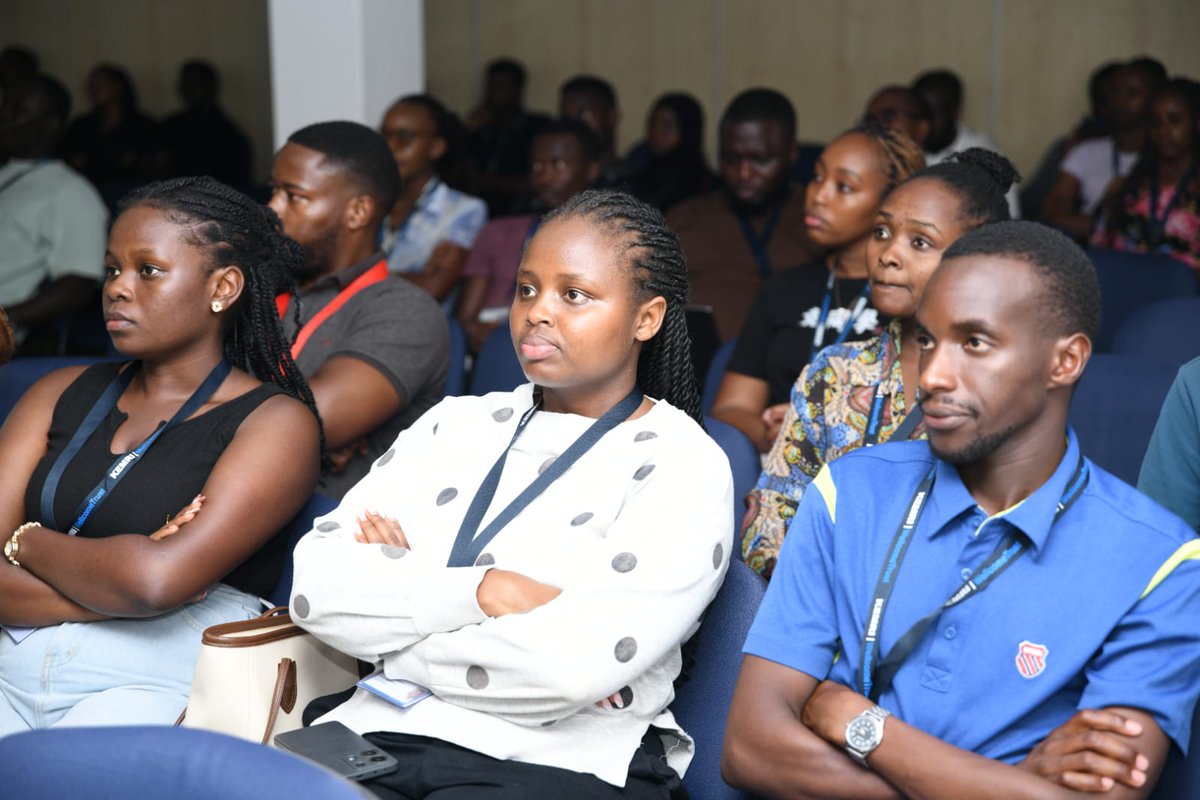
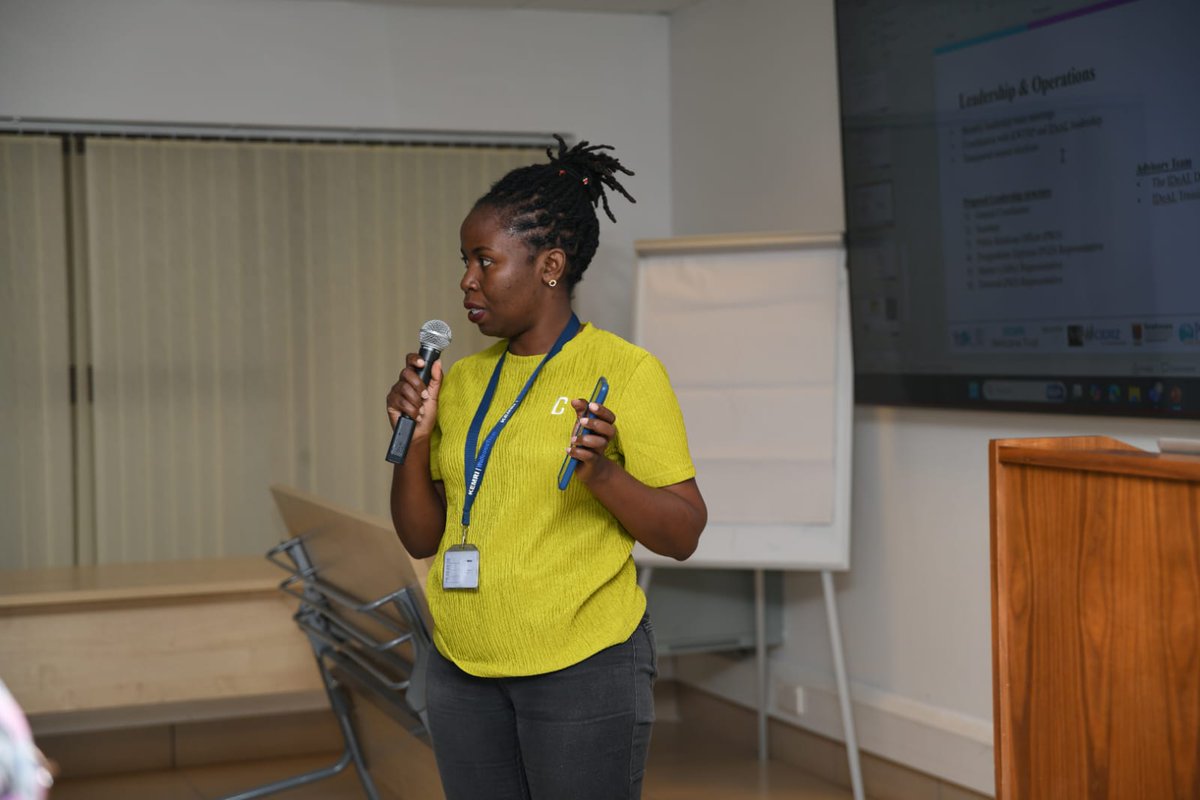
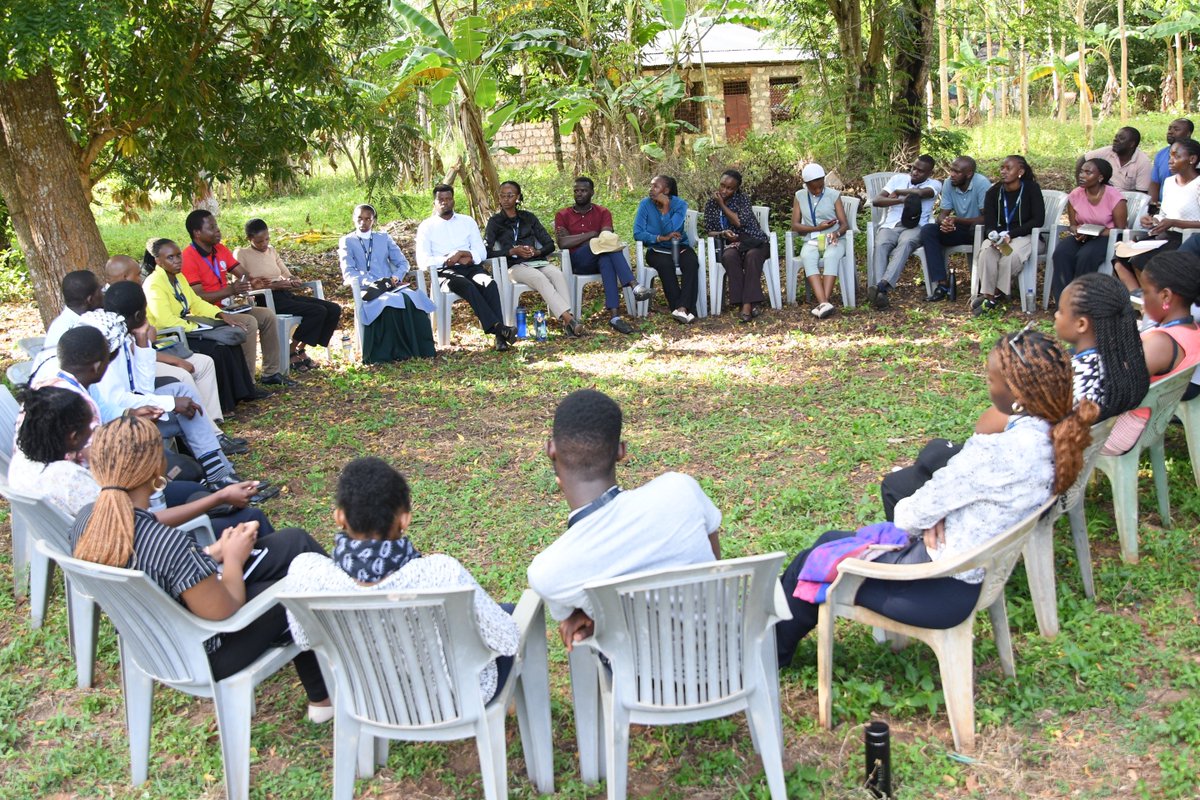
Today we officially launch the IDeAL & KWTRP Scholars’ Community. This is a new space for scholars to connect, collaborate, and grow. With support from the #IDeALTeam, we’re building a vibrant network rooted in mentorship, shared purpose, and peer support.
@KEMRI_Wellcome
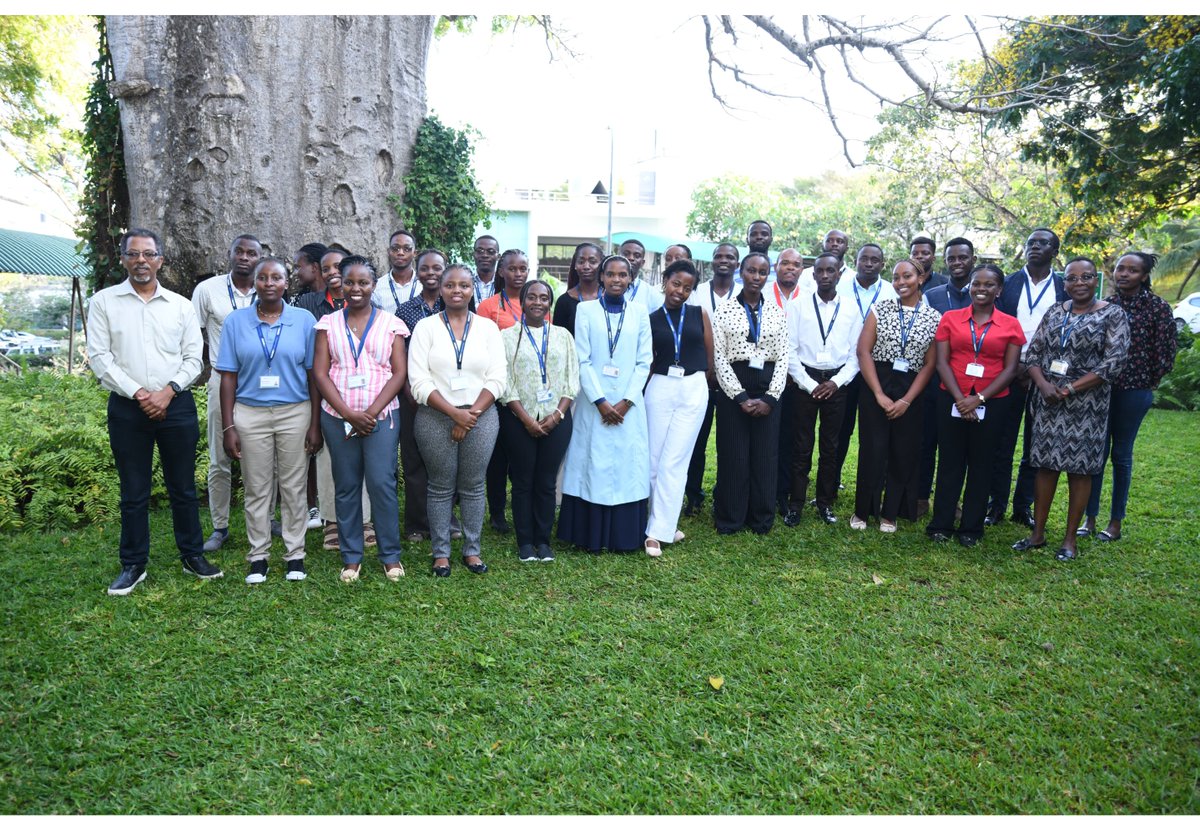
Our PGD Cohort 3 students pose for a photo with the IDeAL team. As they continue with their taught modules, the journey toward building the next generation of research leaders is well underway.
@sam_skmuchina@andisi_c@lizmurabu#IDeAL#Research#Science
Our PGD Cohort 3 kicked off their taught modules before heading to Junju Dispensary, a KHDSS site, for a practical field experience. They gained first-hand insight into how community relationships and fieldwork shape ethical health research.
@sam_skmuchina@KEMRI_Wellcome
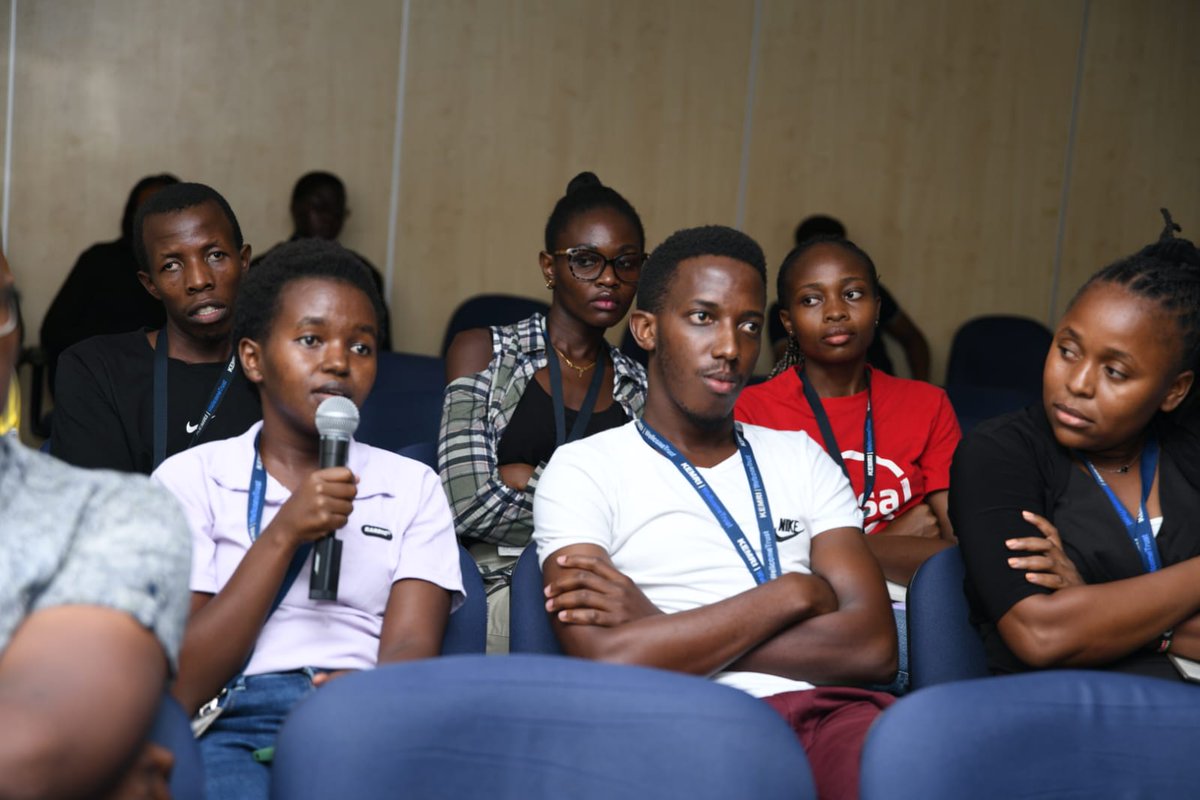
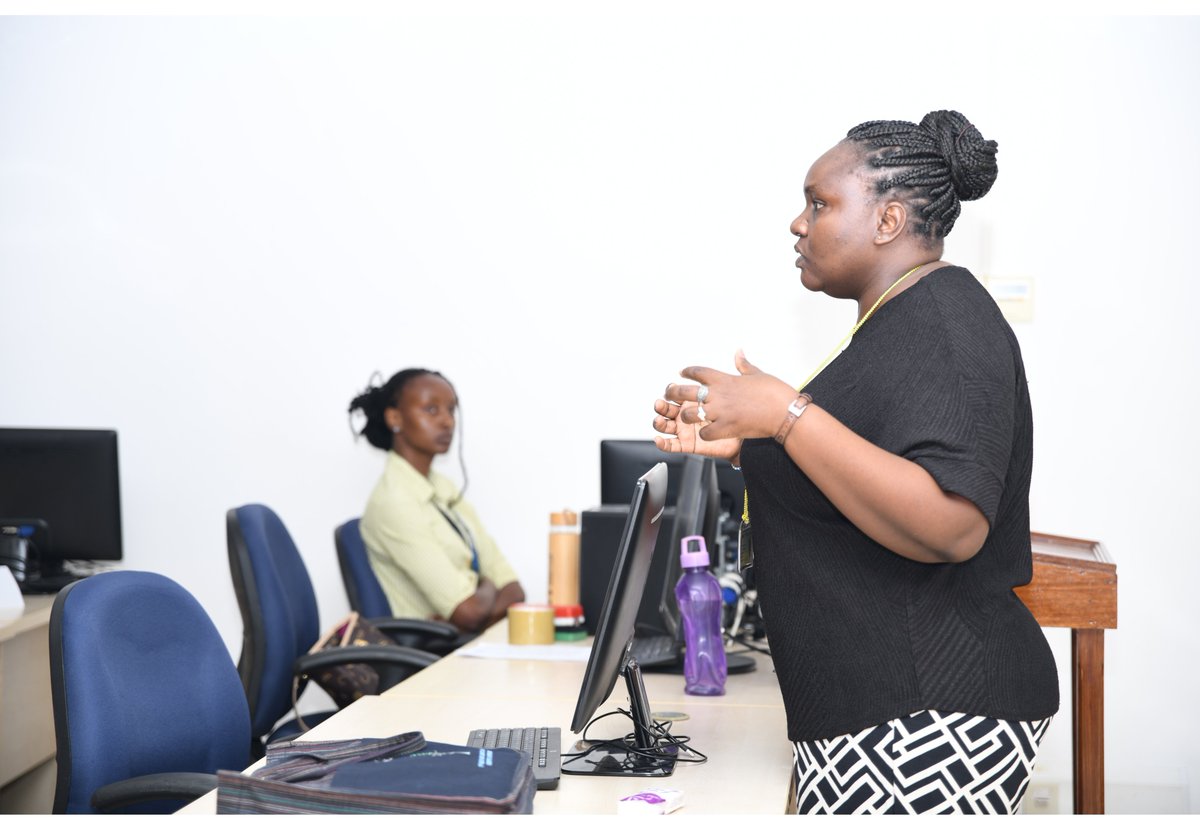
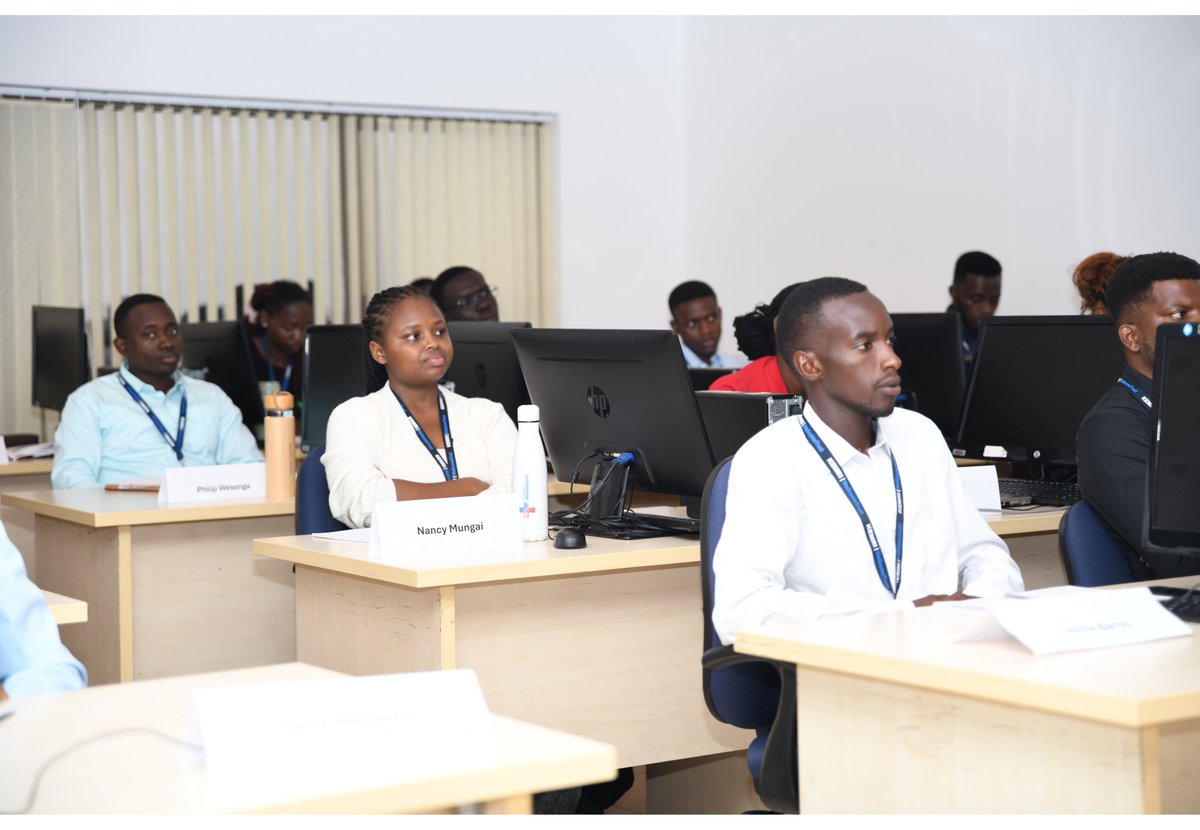
KRA, in partnership with UNDP, is hosting an AI and Machine Learning for Tax Administrations training.
The session brings together over 50 data administrators to explore how AI can drive smarter tax systems through predictive analytics, risk scoring, revenue forecasting, and ethical AI deployment.






![Andrew_Akbashev's tweet photo. Terence Tao, one of the most well known mathematicians, speaks up on AI in mathematics in his new paper:
“What if an AI tool generates a lengthy proof that is verified to be correct, but which nobody — 𝘯𝘰𝘵 𝘦𝘷𝘦𝘯 𝘵𝘩𝘦 𝘩𝘶𝘮𝘢𝘯𝘴 𝘸𝘩𝘰 𝘱𝘳𝘰𝘮𝘱𝘵𝘦𝘥 𝘵𝘩𝘦 𝘵𝘰𝘰𝘭 — understands? This is no longer hypothetical. Sites devoted to collecting mathematical problems already contain dozens of AI-generated proof submissions. Many of these are likely to be correct; but in a substantial number of cases no human expert has yet volunteered to verify and vouch for them, and in several cases the human submitters have themselves declared that they are not qualified to do so.
We may soon be faced with the very real possibility of a verified proof of a major result that NO HUMAN understands well enough to explain.
For a proof to actually contribute to its field, then, it is NOT enough for it to be correct, and NOT enough for it to be readable. It also needs to be accepted and valued by the community: other mathematicians need to 𝗱𝗶𝗴𝗲𝘀𝘁 𝘁𝗵𝗲 𝗿𝗲𝘀𝘂𝗹𝘁 𝗮𝗻𝗱 𝗶𝗻𝗰𝗼𝗿𝗽𝗼𝗿𝗮𝘁𝗲 𝗶𝘁 𝗶𝗻𝘁𝗼 𝘁𝗵𝗲𝗶𝗿 𝗼𝘄𝗻 𝘄𝗼𝗿𝗸.
Our current publication infrastructure relies on human editors and referees to provide this acceptance, voluntarily and largely without credit. This work is routinely regarded as less prestigious than the work of generating proofs in the first place; but it is an essential component of the profession, and it is precisely the mechanism by which the individual achievements of mathematicians are converted into collective progress and understanding.
Finally, even publication is not the last stage. Key results should ultimately become part of the definitive textbooks and reference material of their subject, in the form in which 𝘁𝗵𝗲𝘆 𝗮𝗿𝗲 𝘁𝗮𝘂𝗴𝗵𝘁 𝘁𝗼 𝘁𝗵𝗲 𝗻𝗲𝘅𝘁 𝗴𝗲𝗻𝗲𝗿𝗮𝘁𝗶𝗼𝗻 𝗼𝗳 𝘀𝘁𝘂𝗱𝗲𝗻𝘁𝘀. This process of canonicalization is the slowest stage of all. It requires broad, deliberative consensus, and it is the stage least amenable to optimization by AI tools.”
📍 Terence Tao concludes:
“We will transition from an era of proof scarcity to an era of proof abundance. Most of our institutions — journals, priority conventions, hiring and promotion criteria, prizes, the very notion of a research program — were designed under the assumption of scarcity, and it should not surprise us if they behave poorly under abundance.
In some areas, particularly in education and in the training of young mathematicians, it will be crucial to emphasize 𝘁𝗵𝗲 𝗶𝗿𝗿𝗲𝗱𝘂𝗰𝗶𝗯𝗹𝘆 𝗵𝘂𝗺𝗮𝗻 𝗮𝘀𝗽𝗲𝗰𝘁 of our work, and to restrict the use of AI tools quite tightly; the goal of training a mathematician is NOT achieved by producing correct homework.
In other areas, we will need to take the initiative on AI usage, and define best practices for incorporating these tools into our workflows on our own terms rather than on terms set for us by vendors.”
__
[I highlighted & capitalized words in the text for clarity]](https://pbs.twimg.com/media/HQFbqdVXEAAUARx.jpg)