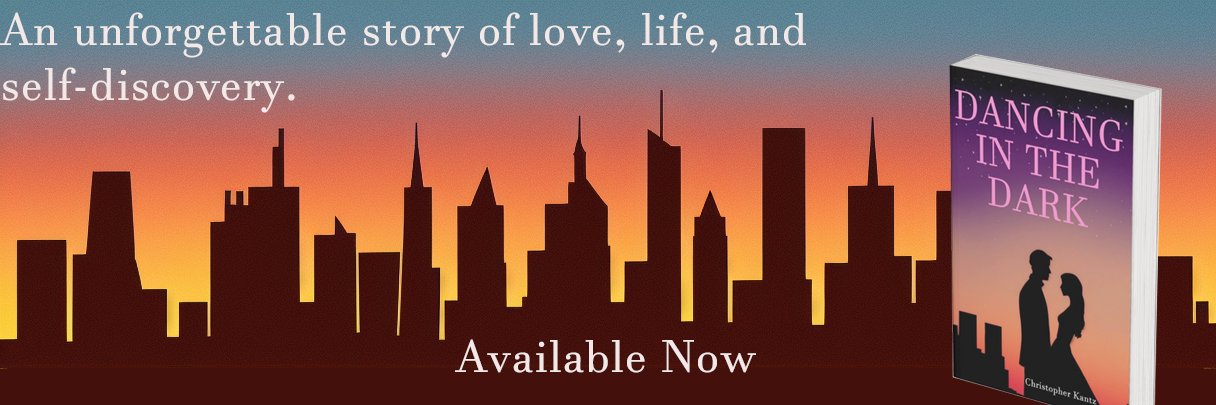
Hello everyone, I want to analyze your book!
I'm looking for manuscripts to feed into my AI program.
If you are a writer and have a manuscript you don't mind letting me experiment with, please DM me!
https://t.co/5CezeeHzPD
@BrianRoemmele I fed it my entire 476 page book, 152,643 words. Analyze works well, optimized for meta llama 3.1 8b I think is what I used. Set token limit to 22k. Higher context, better results. It chunks analysis in pieces one whole chapter of 8k words easily analyzed with proper setup
https://t.co/mWcSVjjUAw
If you like Odysseus, please check out my new product I'm working on. I've been building Narrative Canvas, an AI-powered platform for writers. It analyzes stories, tracks characters, relationships, timelines, plot threads, and world state, then visualizes everything through storyboards, graphs, heatmaps, and narrative maps. Powered by Epoch, my narrative state engine in development.
Looking for a few early testers who want to help shape the future of the project. It will go above and beyond writing. Plans for advertising, video production, game design, and more!
runs 100 percent locally, you will need to have your own LLM and Automatic 1111.
I will let people have access to my program on a limited basis. Serious inquiries only! You need a decent GPU! I have an .exe I will share, you can the demo here.
Inspired by ZHC! @BrianRoemmele
Early Christianity did not begin with scripture. It began with images - icons, primarily of the Transfiguration, depicting Jesus metamorphosing into light. William Henry traces a practice surrounding those images that has been almost entirely lost from the tradition that followed
@BenHart_Freedom PA citizen here. I agree, Fetterman is cooked if he doesn't switch parties. I never liked him either way, his unprofessional attire and demeanor makes him less of a leader. Idk, maybe the kids like that nowadays, it's just lazy IMO.
The scariest finding in this paper: the subjects couldn't tell it was happening.
UPenn ran this study on 48 healthy adults. One group slept 8 hours. Another slept 6. Another slept 4. For 14 straight days. They tested cognitive performance every 2 hours from 7:30am to 11:30pm.
The 6-hour group's reaction times, working memory, and sustained attention deteriorated on a near-linear curve. By day 14 they were performing at the same level as someone who hadn't slept at all in 48 hours. The 4-hour group hit that threshold by day 6.
Here's the part that should unsettle everyone who thinks they "do fine" on 6 hours: the subjects' self-reported sleepiness flatlined after the first few days. Their brains kept getting worse. Their perception of how impaired they were stopped updating. The cognitive decline was invisible to the person experiencing it.
The researchers found a hard threshold. Any wakefulness beyond 15.84 hours in a day produces cumulative neurobiological cost. That cost compounds every single day you exceed it and does not reset with a weekend of sleeping in.
About 35% of American adults sleep less than 7 hours a night. 40% of those get 6 hours or less. In 1942 that number was 11%. We built an entire professional culture around a sleep schedule that this paper says is functionally equivalent to pulling consecutive all-nighters.
"I'm fine on 6 hours" is the most common response to sleep research. The first thing chronic sleep debt destroys is your ability to notice chronic sleep debt.
@BrianRoemmele No audiobook :( no problem, I'll pick it up to read. I have a long drive to and from work everyday, audiobooks have been my life. I've listened to all the books you've recommended on the 5000 days series. My favorite: Meditations
@unusual_whales I skip dinner. I basically eat a light breakfast and a medium lunch. Maybe a snack at night, but no food after 6pm. Saved me tons of money, but now I'm too skinny and lacking nutritional needs.