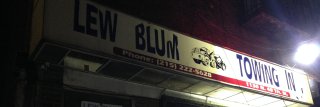
https://t.co/Bf9zQS8X5j Philly, illegally parked vehicles must be ticketed first. The car can be towed; Private Property Owners must wait hours for the Police to come and Ticket the Vehicle; We hear your frustrations, does your City Council Care? bill160682
@Chuckles152 Whatever you read os social networks, just like you are the people we tow, and none of you are happy. Admit to your fault, and why have you waited so long to say something? If we wrongfully towed your vehicle, Drexel police would have said retuenit ot a no charge
Hear ye, Hear ye
Philadelphia has been worn down by both past and current leadership. The citizens of Philadelphia need diversity of thought in government. With 17 City Council members, there should be a variety of ideas and viewpoints, not the same people holding power year after year.
When you enter the voting booth, don't simply pull the straight-party lever. Take your time and evaluate each candidate individually. If you keep electing the same people over and over again, don't be surprised when nothing changes.
Philadelphia citizens should push for term limits: two terms, eight years, and then it's time to move on. Public office was never meant to be a lifelong career. If a councilmember cannot accomplish meaningful results in their first term, why should voters give them another four years? And after eight years, it is time to step aside and allow new ideas, new leadership, and new voices to serve the people. No elected office should become a career position.
I also believe that those seeking public office should meet higher qualifications. If you want to represent the people of Philadelphia or help manage a city with a multibillion-dollar budget, you should have the education, training, and experience necessary to do the job. I would support requiring candidates for City Council and other elected offices to have at least a master's degree, or equivalent professional experience, in economics, finance, business management, public administration, law, or a related field.
Running a city is not easy. It requires understanding budgets, economic development, public safety, infrastructure, and how government decisions affect taxpayers, businesses, and neighborhoods. Voters deserve leaders who are prepared for these responsibilities.
And one more thing: stop using your staff to do the job for you. Staff members are there to assist, not to replace the elected official. Too often, constituents raise concerns only to be handed off to staff while the elected official remains distant from the people they represent. If you want the privilege of serving in public office, then meet with the people, answer their questions, listen to their concerns, and take responsibility for your decisions.
Too often, candidates say, "I will make change" or "I will make things better." Words are easy. Instead of telling us what you will do, show us your qualifications, your experience, your accomplishments, and your plan to achieve results.
Philadelphia deserves leadership that is accountable, qualified, and focused on results. The people should choose their leaders based on merit, performance, and vision—not on political connections or how long someone has held office.
When I speak about community, I am talking about the people of Philadelphia—the residents, workers, taxpayers, and business owners who make this city what it is.
As the owner of a towing company, I have spent the last nine years fighting for private property owners affected by Bill 160682. Since this law was passed, I have met with many members of the Philadelphia City Council and their staff. For the first six years, I was repeatedly told, "It's not my bill. Contact the councilwoman who wrote it." When I tried, I was informed that the councilwoman would not meet with me and had no interest in discussing the issue.
After she left office, I thought there would finally be an opportunity to correct what I believe is a mistake. I began asking current councilmembers a simple question: "Can we amend Bill 160682 and remove it from private property?" The response I continue to receive is, "There is nothing I can do."
Just two weeks ago, while attending a City Council budget hearing, I saw a councilmember leaving the chambers and approached them respectfully. I introduced myself and said, "Hi, my name is Lew Blum from Lew Blum Towing. I'd like to talk to you about Bill 160682."
The response was immediate: "I don't like you, and I don't care about Bill 160682."
I replied that I have contracts with property owners in that councilmember's district and that these are their constituents. There was no response. The councilmember simply walked away.
That experience was disappointing, not because of how I was treated personally, but because the concerns of property owners, residents, churches, businesses, and taxpayers were dismissed without discussion.
For nine years, I have listened to the frustrations of people whose driveways, garages, parking lots, and private property are blocked by unauthorized vehicles. They deserve to be heard. Whether someone agrees with me or not, elected officials should be willing to listen to the people they represent.
Shame on one who refuses to listen. Shame on all who choose to remain silent. term limts 2 terms.put this to a VOTE.
When I speak about community, I am talking about the people of Philadelphia—the residents, workers, taxpayers, and business owners who make this city what it is.
As the owner of a towing company, I have spent the last nine years fighting for private property owners affected by Bill 160682. Since this law was passed, I have met with many members of the Philadelphia City Council and their staff. For the first six years, I was repeatedly told, "It's not my bill. Contact the councilwoman who wrote it." When I tried, I was informed that the councilwoman would not meet with me and had no interest in discussing the issue.
After she left office, I thought there would finally be an opportunity to correct what I believe is a mistake. I began asking current councilmembers a simple question: "Can we amend Bill 160682 and remove it from private property?" The response I continue to receive is, "There is nothing I can do."
Just two weeks ago, while attending a City Council budget hearing, I saw a councilmember leaving the chambers and approached them respectfully. I introduced myself and said, "Hi, my name is Lew Blum from Lew Blum Towing. I'd like to talk to you about Bill 160682."
The response was immediate: "I don't like you, and I don't care about Bill 160682."
I replied that I have contracts with property owners in that councilmember's district and that these are their constituents. There was no response. The councilmember simply walked away.
That experience was disappointing, not because of how I was treated personally, but because the concerns of property owners, residents, churches, businesses, and taxpayers were dismissed without discussion.
For nine years, I have listened to the frustrations of people whose driveways, garages, parking lots, and private property are blocked by unauthorized vehicles. They deserve to be heard. Whether someone agrees with me or not, elected officials should be willing to listen to the people they represent.
Shame on one who refuses to listen. Shame on all who choose to remain silent. term limts 2 terms.put this to a VOTE.
John Allante McAuley, I appreciate your comments and your concern for our community. When I speak about community, I am talking about the people of Philadelphia—the residents, workers, taxpayers, and business owners who make this city what it is.
As the owner of a towing company, I have spent the last nine years fighting for private property owners affected by Bill 160682. Since this law was passed, I have met with many members of Philadelphia City Council and their staffs. For the first six years, I was repeatedly told, "It's not my bill. Contact the councilwoman who wrote it." When I tried, I was informed that the councilwoman would not meet with me and had no interest in discussing the issue.
After she left office, I thought there would finally be an opportunity to correct what I believe is a mistake. I began asking current councilmembers a simple question: "Can we amend Bill 160682 and remove it from private property?" The response I continue to receive is, "There is nothing I can do."
Just two weeks ago, while attending a City Council budget hearing, I saw a councilmember leaving the chambers and approached them respectfully. I introduced myself and said, "Hi, my name is Lew Blum from Lew Blum Towing. I'd like to talk to you about Bill 160682."
The response was immediate: "I don't like you, and I don't care about Bill 160682."
I replied that I have contracts with property owners in that councilmember's district and that these are their constituents. There was no response. The councilmember simply walked away.
That experience was disappointing, not because of how I was treated personally, but because the concerns of property owners, residents, churches, businesses, and taxpayers were dismissed without discussion.
For nine years, I have listened to the frustrations of people whose driveways, garages, parking lots, and private property are blocked by unauthorized vehicles. They deserve to be heard. Whether someone agrees with me or not, elected officials should be willing to listen to the people they represent.
Shame on one who refuses to listen. Shame on all who choose to remain silent.
Hear ye, Hear ye
Philadelphia has been worn down by both past and current leadership. The citizens of Philadelphia need diversity of thought in government. With 17 City Council members, there should be a variety of ideas and viewpoints, not the same people holding power year after year.
When you enter the voting booth, don't simply pull the straight-party lever. Take your time and evaluate each candidate individually. If you keep electing the same people over and over again, don't be surprised when nothing changes.
Philadelphia citizens should push for term limits: two terms, eight years, and then it's time to move on. Public office was never meant to be a lifelong career. If a councilmember cannot accomplish meaningful results in their first term, why should voters give them another four years? And after eight years, it is time to step aside and allow new ideas, new leadership, and new voices to serve the people. No elected office should become a career position.
I also believe that those seeking public office should meet higher qualifications. If you want to represent the people of Philadelphia or help manage a city with a multibillion-dollar budget, you should have the education, training, and experience necessary to do the job. I would support requiring candidates for City Council and other elected offices to have at least a master's degree, or equivalent professional experience, in economics, finance, business management, public administration, law, or a related field.
Running a city is not easy. It requires understanding budgets, economic development, public safety, infrastructure, and how government decisions affect taxpayers, businesses, and neighborhoods. Voters deserve leaders who are prepared for these responsibilities.
And one more thing: stop using your staff to do the job for you. Staff members are there to assist, not to replace the elected official. Too often, constituents raise concerns only to be handed off to staff while the elected official remains distant from the people they represent. If you want the privilege of serving in public office, then meet with the people, answer their questions, listen to their concerns, and take responsibility for your decisions.
Too often, candidates say, "I will make change" or "I will make things better." Words are easy. Instead of telling us what you will do, show us your qualifications, your experience, your accomplishments, and your plan to achieve results.
Philadelphia deserves leadership that is accountable, qualified, and focused on results. The people should choose their leaders based on merit, performance, and vision—not on political connections or how long someone has held office.
Hear ye, Hear ye
Philadelphia has been worn down by both past and current leadership. The citizens of Philadelphia need diversity of thought in government. With 17 City Council members, there should be a variety of ideas and viewpoints, not the same people holding power year after year.
When you enter the voting booth, don't simply pull the straight-party lever. Take your time and evaluate each candidate individually. If you keep electing the same people over and over again, don't be surprised when nothing changes.
Philadelphia citizens should push for term limits: two terms, eight years, and then it's time to move on. Public office was never meant to be a lifelong career. If a councilmember cannot accomplish meaningful results in their first term, why should voters give them another four years? And after eight years, it is time to step aside and allow new ideas, new leadership, and new voices to serve the people. No elected office should become a career position.
I also believe that those seeking public office should meet higher qualifications. If you want to represent the people of Philadelphia or help manage a city with a multibillion-dollar budget, you should have the education, training, and experience necessary to do the job. I would support requiring candidates for City Council and other elected offices to have at least a master's degree, or equivalent professional experience, in economics, finance, business management, public administration, law, or a related field.
Running a city is not easy. It requires understanding budgets, economic development, public safety, infrastructure, and how government decisions affect taxpayers, businesses, and neighborhoods. Voters deserve leaders who are prepared for these responsibilities.
And one more thing: stop using your staff to do the job for you. Staff members are there to assist, not to replace the elected official. Too often, constituents raise concerns only to be handed off to staff while the elected official remains distant from the people they represent. If you want the privilege of serving in public office, then meet with the people, answer their questions, listen to their concerns, and take responsibility for your decisions.
Too often, candidates say, "I will make change" or "I will make things better." Words are easy. Instead of telling us what you will do, show us your qualifications, your experience, your accomplishments, and your plan to achieve results.
Philadelphia deserves leadership that is accountable, qualified, and focused on results. The people should choose their leaders based on merit, performance, and vision—not on political connections or how long someone has held office.
Hear ye, Hear ye
Philadelphia has been worn down by both past and current leadership. The citizens of Philadelphia need diversity of thought in government. With 17 City Council members, there should be a variety of ideas and viewpoints, not the same people holding power year after year.
When you enter the voting booth, don't simply pull the straight-party lever. Take your time and evaluate each candidate individually. If you keep electing the same people over and over again, don't be surprised when nothing changes.
Philadelphia citizens should push for term limits: two terms, eight years, and then it's time to move on. Public office was never meant to be a lifelong career. If a councilmember cannot accomplish meaningful results in their first term, why should voters give them another four years? And after eight years, it is time to step aside and allow new ideas, new leadership, and new voices to serve the people. No elected office should become a career position.
I also believe that those seeking public office should meet higher qualifications. If you want to represent the people of Philadelphia or help manage a city with a multibillion-dollar budget, you should have the education, training, and experience necessary to do the job. I would support requiring candidates for City Council and other elected offices to have at least a master's degree, or equivalent professional experience, in economics, finance, business management, public administration, law, or a related field.
Running a city is not easy. It requires understanding budgets, economic development, public safety, infrastructure, and how government decisions affect taxpayers, businesses, and neighborhoods. Voters deserve leaders who are prepared for these responsibilities.
And one more thing: stop using your staff to do the job for you. Staff members are there to assist, not to replace the elected official. Too often, constituents raise concerns only to be handed off to staff while the elected official remains distant from the people they represent. If you want the privilege of serving in public office, then meet with the people, answer their questions, listen to their concerns, and take responsibility for your decisions.
Too often, candidates say, "I will make change" or "I will make things better." Words are easy. Instead of telling us what you will do, show us your qualifications, your experience, your accomplishments, and your plan to achieve results.
Philadelphia deserves leadership that is accountable, qualified, and focused on results. The people should choose their leaders based on merit, performance, and vision—not on political connections or how long someone has held office.
Hear ye, Hear ye
Philadelphia has been worn down by both past and current leadership. The citizens of Philadelphia need diversity of thought in government. With 17 City Council members, there should be a variety of ideas and viewpoints, not the same people holding power year after year.
When you enter the voting booth, don't simply pull the straight-party lever. Take your time and evaluate each candidate individually. If you keep electing the same people over and over again, don't be surprised when nothing changes.
Philadelphia citizens should push for term limits: two terms, eight years, and then it's time to move on. Public office was never meant to be a lifelong career. If a councilmember cannot accomplish meaningful results in their first term, why should voters give them another four years? And after eight years, it is time to step aside and allow new ideas, new leadership, and new voices to serve the people. No elected office should become a career position.
I also believe that those seeking public office should meet higher qualifications. If you want to represent the people of Philadelphia or help manage a city with a multibillion-dollar budget, you should have the education, training, and experience necessary to do the job. I would support requiring candidates for City Council and other elected offices to have at least a master's degree, or equivalent professional experience, in economics, finance, business management, public administration, law, or a related field.
Running a city is not easy. It requires understanding budgets, economic development, public safety, infrastructure, and how government decisions affect taxpayers, businesses, and neighborhoods. Voters deserve leaders who are prepared for these responsibilities.
And one more thing: stop using your staff to do the job for you. Staff members are there to assist, not to replace the elected official. Too often, constituents raise concerns only to be handed off to staff while the elected official remains distant from the people they represent. If you want the privilege of serving in public office, then meet with the people, answer their questions, listen to their concerns, and take responsibility for your decisions.
Too often, candidates say, "I will make change" or "I will make things better." Words are easy. Instead of telling us what you will do, show us your qualifications, your experience, your accomplishments, and your plan to achieve results.
Philadelphia deserves leadership that is accountable, qualified, and focused on results. The people should choose their leaders based on merit, performance, and vision—not on political connections or how long someone has held office.
Imagine all of the things that members of Philadelphia City Council try to get away with that isn’t recorded…
It truly is wild that CM Bass tried to push through her election along with her excuse afterwards that the room was chaotic.
The system is broken. Term limits now.
What information do I have? Fifty years in the towing industry and years of dealing directly with property owners, businesses, churches, apartment complexes, and residents across Philadelphia.
On paper, some of these changes may sound good. In practice, they often create unintended consequences. Bill 160682 requires private property owners to wait for a police-issued ticket before an illegally parked vehicle can be towed. That means homeowners can't access their garages, businesses lose customer parking, apartment residents lose spaces they pay for, and property owners are forced to wait hours—or sometimes receive no response at all.
My concern is not with reasonable oversight. My concern is when government regulations make it harder for private property owners to protect and use property they own and maintain. Before judging the impact of these policies, I encourage people to speak with the residents, businesses, churches, and property owners who deal with these problems every day.
The question isn't whether a law sounds good. The question is whether it actually works for the people affected by it.
What information do I have? Fifty years in the towing industry and years of dealing directly with property owners, businesses, churches, apartment complexes, and residents across Philadelphia.
On paper, some of these changes may sound good. In practice, they often create unintended consequences. Bill 160682 requires private property owners to wait for a police-issued ticket before an illegally parked vehicle can be towed. That means homeowners can't access their garages, businesses lose customer parking, apartment residents lose spaces they pay for, and property owners are forced to wait hours—or sometimes receive no response at all.
My concern is not with reasonable oversight. My concern is when government regulations make it harder for private property owners to protect and use property they own and maintain. Before judging the impact of these policies, I encourage people to speak with the residents, businesses, churches, and property owners who deal with these problems every day.
The question isn't whether a law sounds good. The question is whether it actually works for the people affected by it.
Before criticizing a towing company for the fees charged to recover a vehicle, please understand the facts. When a vehicle is towed from private property for illegal parking, the towing signs are posted and the towing fees are clearly displayed. Those signs are there to warn motorists that parking without permission may result in their vehicle being removed.
When someone chooses to ignore those signs and park illegally, they do so at their own risk. The warning is visible before they park. In effect, they are taking the chance and accepting the consequences if their vehicle is towed.
If there is concern about towing fees, then the same scrutiny should be applied to the Philadelphia Parking Authority. When the Philadelphia Parking Authority tows a vehicle, the owner may be required to pay towing and storage fees, as well as any outstanding parking tickets, before the vehicle is released. Yet many people overlook those costs while focusing only on private towing companies.
Before passing judgment, get the facts right. Private property towing companies operate under posted rules, posted fees, and written agreements with property owners. The signs are there to prevent unauthorized parking and protect private property rights. The responsibility begins with the person who ignored the warning and parked where they did not have permission to park.