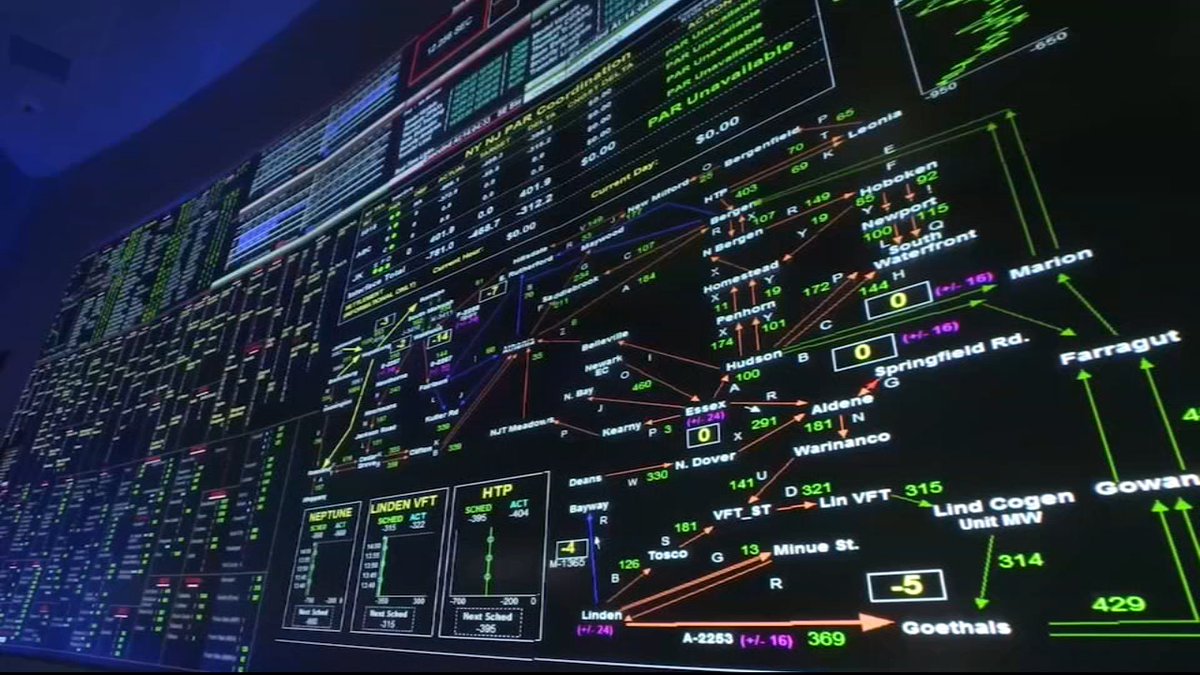
Last Wednesday, the biggest power grid in America admitted it's running out of room.
PJM keeps the lights on for 67 million people across 13 states. It added a "capacity advisory" to flag when electricity supply could get tight. Not because of a heat wave or a polar vortex. Just an ordinary Tuesday.
This time it's the data centers.
They pull power at a density the grid was never built for, and they don't ease off at night or on weekends. So power starts to trade like a commodity in short supply: lumpy, volatile, hard to plan around.
When something gets scarce and volatile, the people exposed to it need two things: a real price, and a way to hedge it.
Energy markets are about to find out if their tools can keep up.
What happens to power prices when compute sets the peak?