@a_giacchetti Wow I hear news all the time about terrsitrial species going extinct. I wonder have many aquatic species we have lost so far, it just hasn’t been discovered yet. #Biogeo2019
Kiribati, an island nation, has an average elevation of about 6ft. As sea levels rise and countries like the U.S remain resistant to reduce combustion, this nation looks towards a different solution. So Kiribati bought 8 miles of Fiji to move their entire country to. #Biogeo2019
@HeidiSimoneau I wonder what the effects of massive amounts of fresh water going into the ocean will have on ocean circulation and the climate which results in some country’s due to how the ocean currently circulates.#Biogeo2019
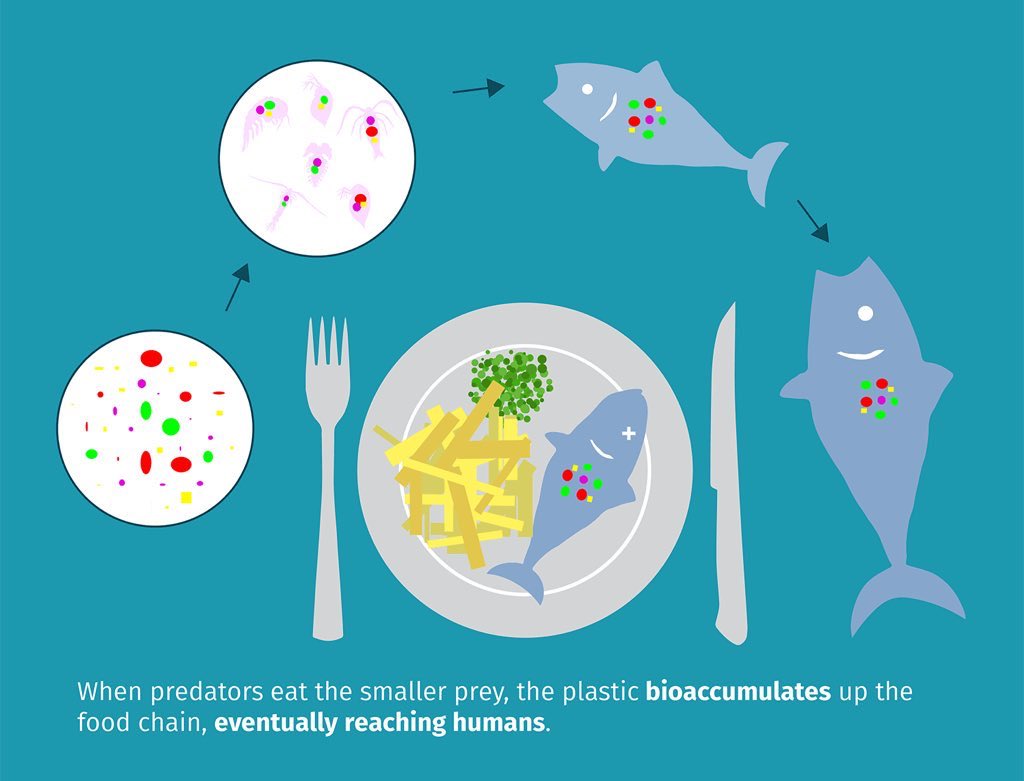
Microplastics are very small pieces of plastic debris resulting from the breakdown of consumer products and industrial waste. A 2016 study found the average wastewater treatment plant releases 4-65 million particles per day into various ecosystems. #Biogeo2019
Monsoons are a result of the differences in heat capacity between land and sea. Not only will climate change influence local weather patterns, it will also intensify effects from extreme weather events like monsoons. In a summer monsoon rain levels will increase. #Biogeo2019
@AlissaShea7 It’s interesting how delicate the Earth’s ecosystems are. Too much nitrogen and phosphorus also have devastating effects on ecosystems. #Biogeo2019
Researchers have recently discovered the first hydrogen sensors to safety produce and use hydrogen gas in cars. Hydrogen is a clean and renewable energy that can power vehicles with water vapor as the only emission. https://t.co/VWAj97hnZN #Biogeo2019
Meet our three undergraduates, Megan, Sam, and Lexi! This morning they went to the first US House Select Committee Meeting on the Climate Crisis. #aagDC#unh#ClimateCrisis
In recent study published by Science found the eutrophication of lakes will increase the the emission of methane into the atmosphere by 30-90% over the next hundred years. This would account for 18-33% of annual CO2 emissions from fossil fuel. #Biogeo2019 https://t.co/EqzlALeukq
A record of 70 degrees was recorded in Alaska last week. Alaska has also experienced its third warmest winter. The Arctic is warming twice as fast as the rest of the planet and hasn’t been this hot in millennia. #Biogeo2019
When permafrost, ground that has been frozen for at least two years, thaws it becomes a source of carbon dioxide. As average global temperture increases more permafrost continues to thaw. This is a positive feedback that adds large amounts of CO2 to the atmosphere.
#Biogeo2019
@a_giacchetti@HeidiSimoneau It’s sad to think that often the people that would be the most effected by climate change are generally the ones that have the smallest carbon footprint. #BioGeo2019
A Superfund site is any area that has been contaminated by hazardous waste and poses a risk to human health or the environment. If these sites are not cleaned up they leach into drinking water and natural systems. Here is a list of superfund sites just in NH.
#Biogeo2019
The Earth’s ozone layer stores gases that trap heat and keep the Earth’s surface temperature warm. Human activities such as fossil fuel use increase the quantity of these gases. This results in a higher global surface temperature.#Nature article describes its effects.
#Biogeo2019