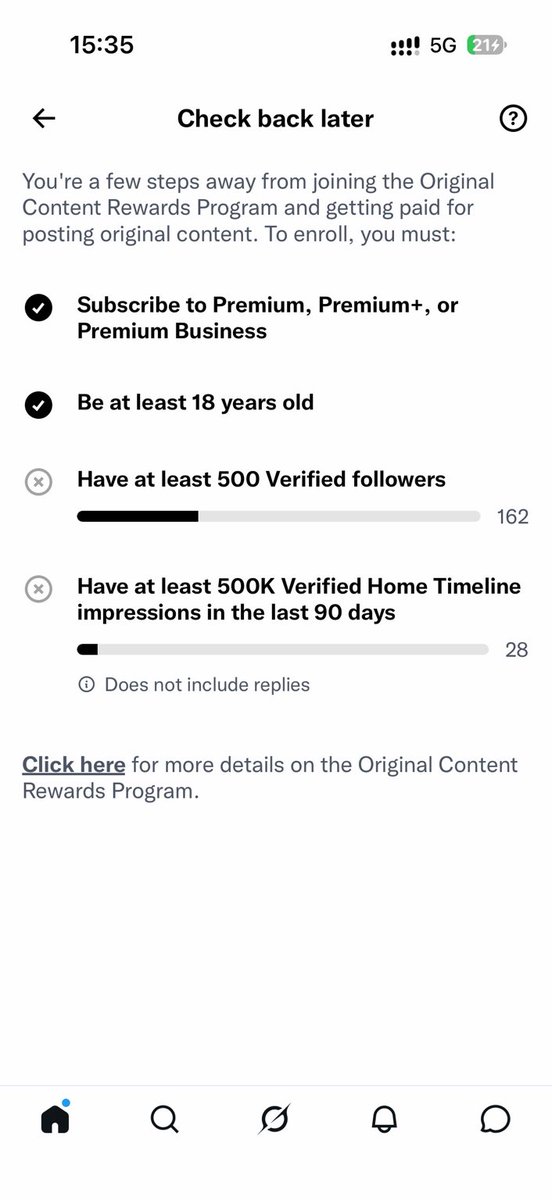
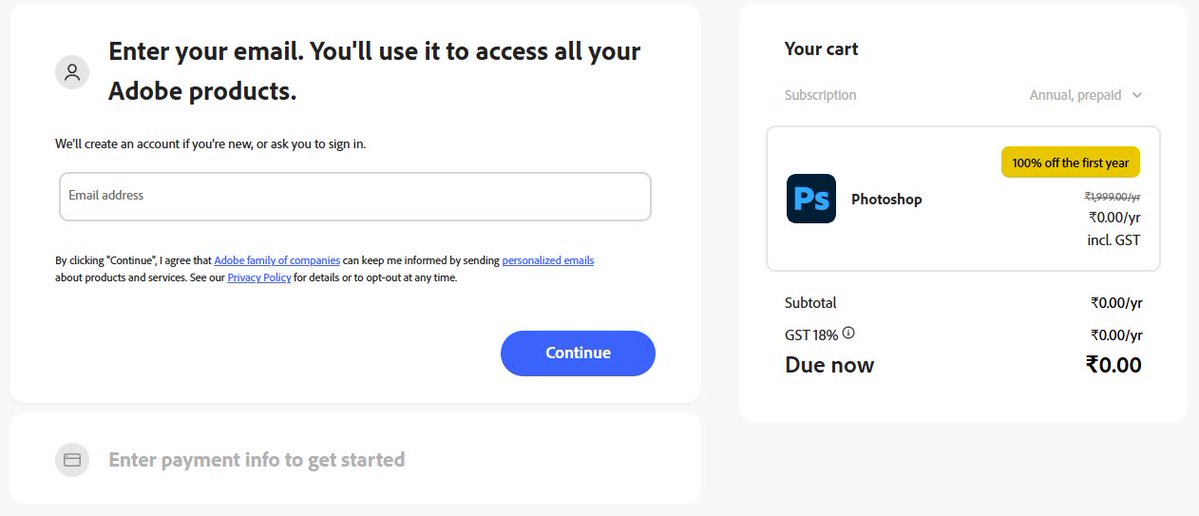
Adobe Photoshop Subscribe Free for a year.
If you need it.Follow me and Like, Retweet, Quote Tweet, and Reply to this post.I'll send you that link.
Adobe Photoshop 免费订阅一年。
如果你需要的话,关注我并点赞、转发、引用这条推文并回复我。
On October 1, Citi raised its 12-month bitcoin target from $82,000 to $113,000, and ether from $2,240 to $3,028. Most headlines read "Wall Street turns bullish." The number is the least interesting part of this story. What's worth reading is why Citi changed its mind — and what on-chain data and retail sentiment said on the same day.
The facts, per Reuters: Citi's Wednesday note cited stronger crypto activity, a more supportive macro backdrop, and resuming ETF inflows. The key line: advisers and brokerages are gradually raising bitcoin allocations, which Citi expects to drive roughly $5 billion of crypto ETF inflows over the next 12 months. Bitcoin and ether have rallied nearly 40% and 68% over the past three months, narrowing year-to-date losses to about 4% and 9%. The Senate's failure to advance the Clarity Act last week narrowed the path to a market-structure bill, but follow-on SEC rule announcements dampened the negative sentiment, Citi said. The new target still sits below bitcoin's October 2025 record above $126,000.
This isn't Citi's first revision this year. Per Stocktwits' recap: $143,000 to start the year, cut to $112,000 in March after the CLARITY Act stalled in the Senate Banking Committee, cut again to $82,000 in July on weak ETF demand and fears that digital-asset treasury companies could turn net sellers. Reuters confirms bitcoin has risen nearly 40% since its July lows — the level Citi capitulated at.
The same day, a second dataset landed. Per Santiment's Tuesday report (via Zhitong Finance): wallets holding 10 to 10,000 BTC added 41,025 coins over 10 days. That cohort now controls 13.64 million BTC — 67.93% of supply — its highest since the mid-August bounce. Retail, meanwhile, sat out: wallets under 0.01 BTC barely moved, and Stocktwits retail sentiment skewed bearish on October 1.
Price did nothing: bitcoin chopped around $83,000. August PCE came in at 3.4% versus 3.7% expected, briefly lifting BTC above $85,000 — before the 10-year Treasury yield hit 5.304%, its highest since May 2002, and erased the move.
Three layers to the take.
First, bank price targets are lagging indicators. Line up Citi's 2026 revisions: $143K (bull-market afterglow) → $112K (after the bill stalled) → $82K (after ETF demand softened, right at the July lows) → $113K (after a 40% rally). Every revision followed price and events. The causality runs backward from the headlines: it's not "Citi is bullish so the market rallies" — it's "the market rallied so Citi revised." Next time a target hike crosses your feed, ask when the bank last changed its mind. The answer usually says more than the number.
Second, what changed Citi's mind wasn't bitcoin — it was allocation. The important sentence in the note isn't $113,000; it's "advisers and brokerages gradually increase allocations." The $5 billion inflow forecast rests on rising allocation ratios — structural buying, unrelated to price momentum. Santiment's whale data is the on-chain version of the same logic: 41,025 coins in 10 days, 67.93% of supply. When the marginal buyer shifts from speculators to allocators, the volatility structure changes. One reference point: US spot bitcoin ETFs drew about $2.4 billion in the final week of September, pushing year-to-date net flows positive.
Third, the divergence is the signal. Price is flat, but the holder base is rotating: retail bearish and inactive, whales and institutions accumulating. Santiment's read — that retail capitulation plus whale accumulation has historically preceded reversals — deserves a discount, but the divergence itself is factual. The counterintuitive part: a market priced by institutional allocators isn't necessarily friendlier to retail. Volatility may compress, but direction gets set by allocation flows — the forgiving, retail-friendly chop disappears, and timing matters more, not less.
The close: price targets are written for clients; allocation is voted with real money. Prices can mislead; holder structure usually doesn't. Watch the structure, not the target — and note the date of Citi's next revision.
Adobe Photoshop Subscribe Free for a year.
If you need it.Follow me and Like, Retweet, Quote Tweet, and Reply to this post.I'll send you that link.
Adobe Photoshop 免费订阅一年。
如果你需要的话,关注我并点赞、转发、引用这条推文并回复我。