What happens after a project has data enriched by crowdsourcing and/or machine learning/AI? Does the data end up in a collections management system, or sit on a drive somewhere? Share your experiences with successes and failures in ingesting enriched data
https://t.co/040F0c9Nqj
In case your inbox eats it... we've just sent out a special edition of our @libcrowds newsletter on crowdsourcing at the @BritishLibrary: https://t.co/YsocoC7Otr
So you've done crowdsourcing/citizen science and/or machine learning/AI with museum, library or archive collections. What now?
Share your experiences with enriched data. Our survey takes c15 mins:
https://t.co/RipqPaJEqE
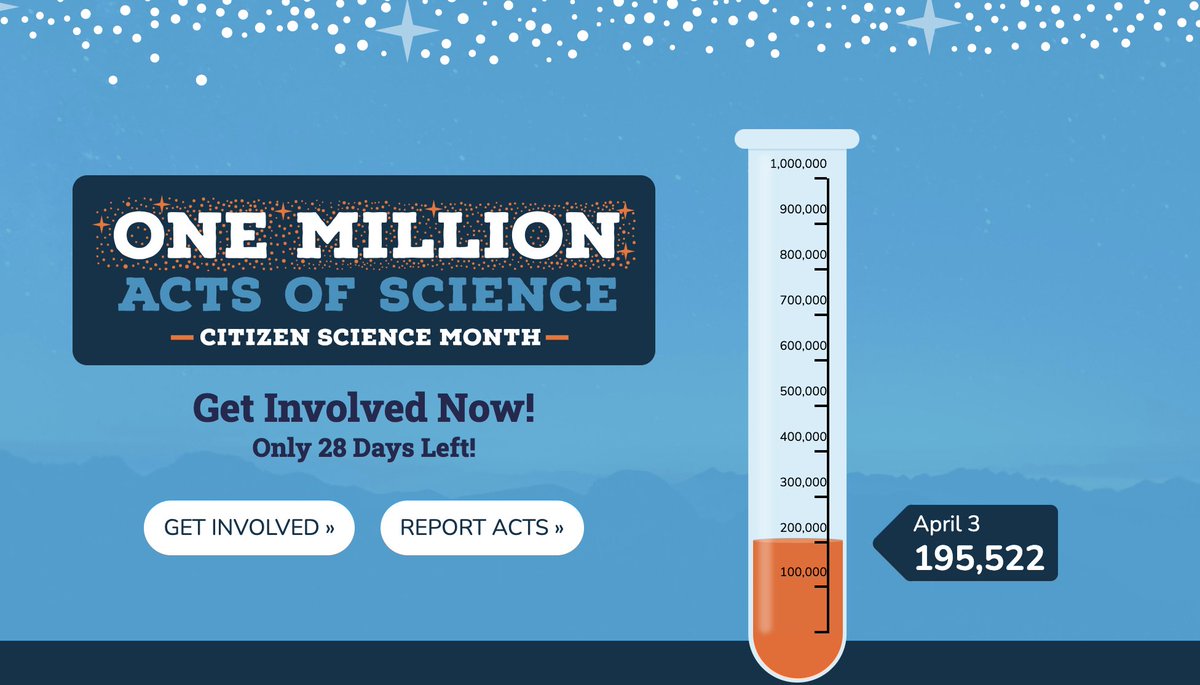
Pls share to help us reach others! #CitSciMonth#CitSciTC
We are pleased to share with you the first episode of the Living with Machines documentary series!!
Listen to the team speak about their experience and research in the project ✨
https://t.co/7Eb4eHQZC9
@turinginst@ahrcpress@UKRI_News
Our thanks to everyone who's already shared their experiences with integrating enriched collections data with digital collections platforms! We have responses from Europe, the UK, US, and we're keen to hear from Asian and African projects
Our @mia_out launches a White Paper at #DH2023 today:
'Recommendations, Challenges and Opportunities for the Future of Crowdsourcing in Cultural Heritage: a White Paper' https://t.co/i9RbrQ9n78
Have thoughts, examples to share? Comment on the doc! Info: https://t.co/p6KHFZbw2O
Our final @LivingwMachines@the_zooniverse tasks are finished! Thank you all so much!
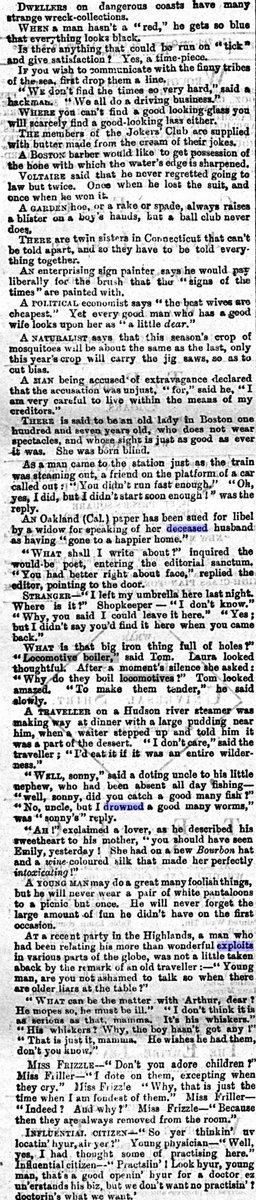
In honour of #PrideMonth, some historical trans / genderqueer lives that our volunteers found in 19th century newspapers - from 1880 and 1888
https://t.co/N1x5FnqCVt
https://t.co/YLNlN25HBr
It's your last chance to discover lost stories like this 'Extraordinary Journey of a Runaway Train'! https://t.co/OPwPEYr68F
Just 812 images to go - hop onboard at https://t.co/tWFGeZLYXz
A time of great anxiety. Machines were changing jobs - maybe even replacing workers. And they could be dangerous, harming individuals or even whole communities.
2023? No! See history for yourself by classifying newspaper stories from 19th century Britain
https://t.co/FwMHliAb3z
And then there was one! Zooniverse estimates it'll take 4 days to complete our final @LivingwMachines task.
If you want to explore British place names and think about the impact of machines on lives in the 19th century, you'd better hurry!
https://t.co/tWFGeZMwN7
If you've been meaning to check out our crowdsourcing / online volunteering tasks on Zooniverse, you'd better get a wriggle on!
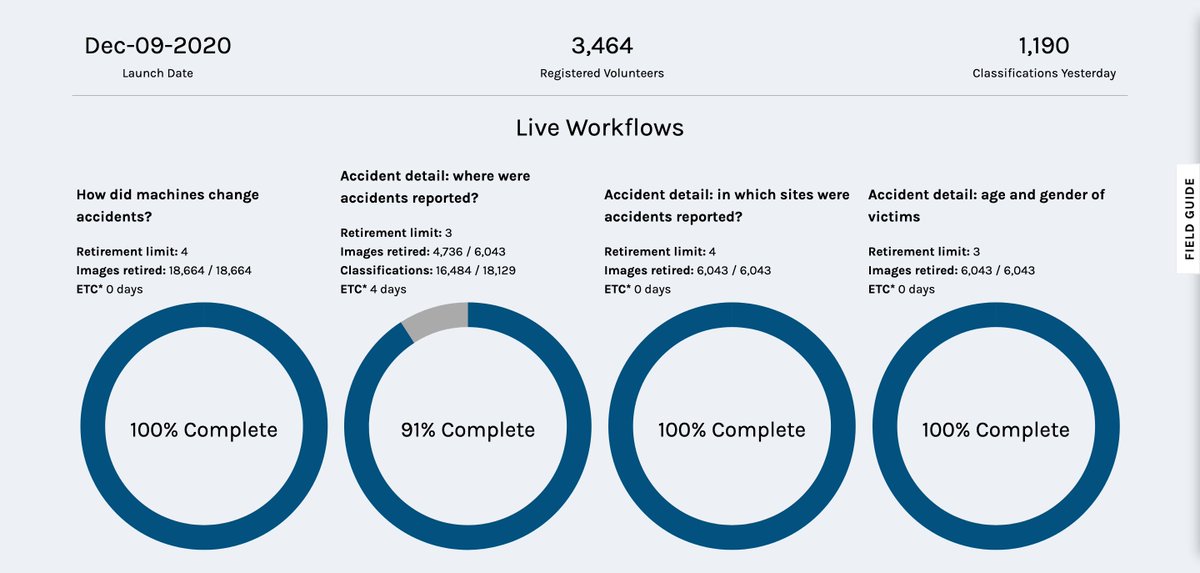
We're on our very last tasks and they're all over 93% complete
Pop over to https://t.co/pzUVm0WXer today!
A time of great anxiety. Machines were changing jobs - maybe even replacing workers. And they could be dangerous, harming individuals or even whole communities.
2023? No! See history for yourself by classifying newspaper stories from 19th century Britain
https://t.co/FwMHliAb3z
People are great! Thank you everyone who did many or a few articles to get our main 'how did machines change accidents?' task 100% completed!
Can you type in place names or categorise sites where accidents occurred to help us totally finish this project?
https://t.co/FwMHliAb3z
Looking for an online project to help out with?
Song Describer is a tool for crowdsourced collection of music captions, built by a team of researchers from Queen Mary University of London and Universitat Pompeu Fabra Barcelona
https://t.co/NGphWfnRM1
Did you miss it? @twistedsweeter has made his https://t.co/2RF3VtC1KM site available again - search the OCR of about 80,000 theatrical English, Scottish, and Irish playbills between 1600 and 1902 (mostly 19th century)
Spread the word, #TheatreHistory#TheaterHistory folks!
Our researchers are ready to analyse @LivingwMachines accidents data next week.
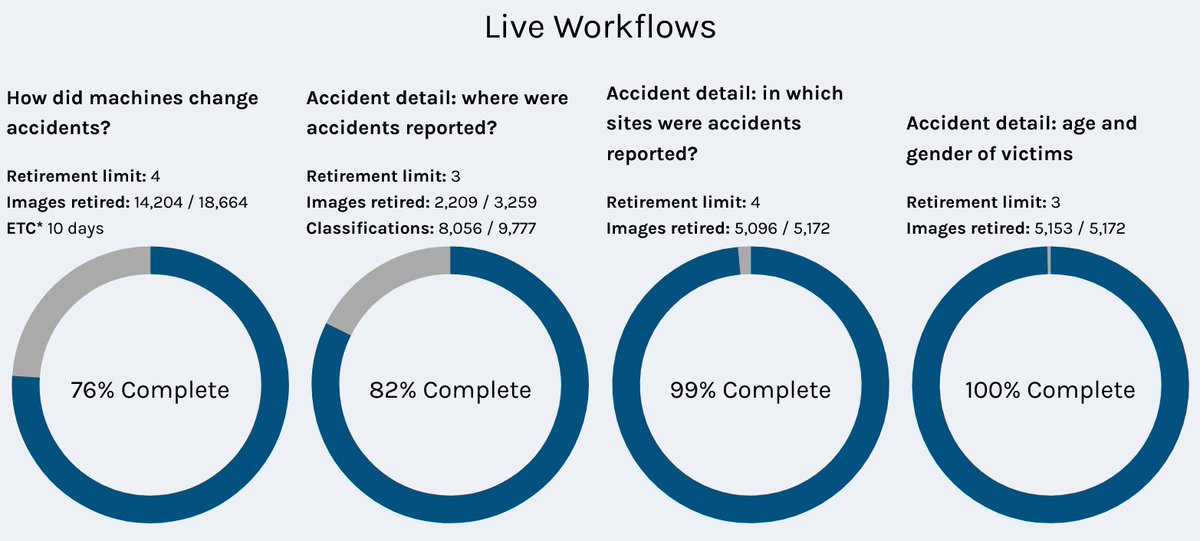
Can you help us finish our crowdsourcing tasks by then? Our main task is 76% complete.
If you love old English place names, 'where were accidents reported?' is 82% complete
https://t.co/FwMHliAb3z