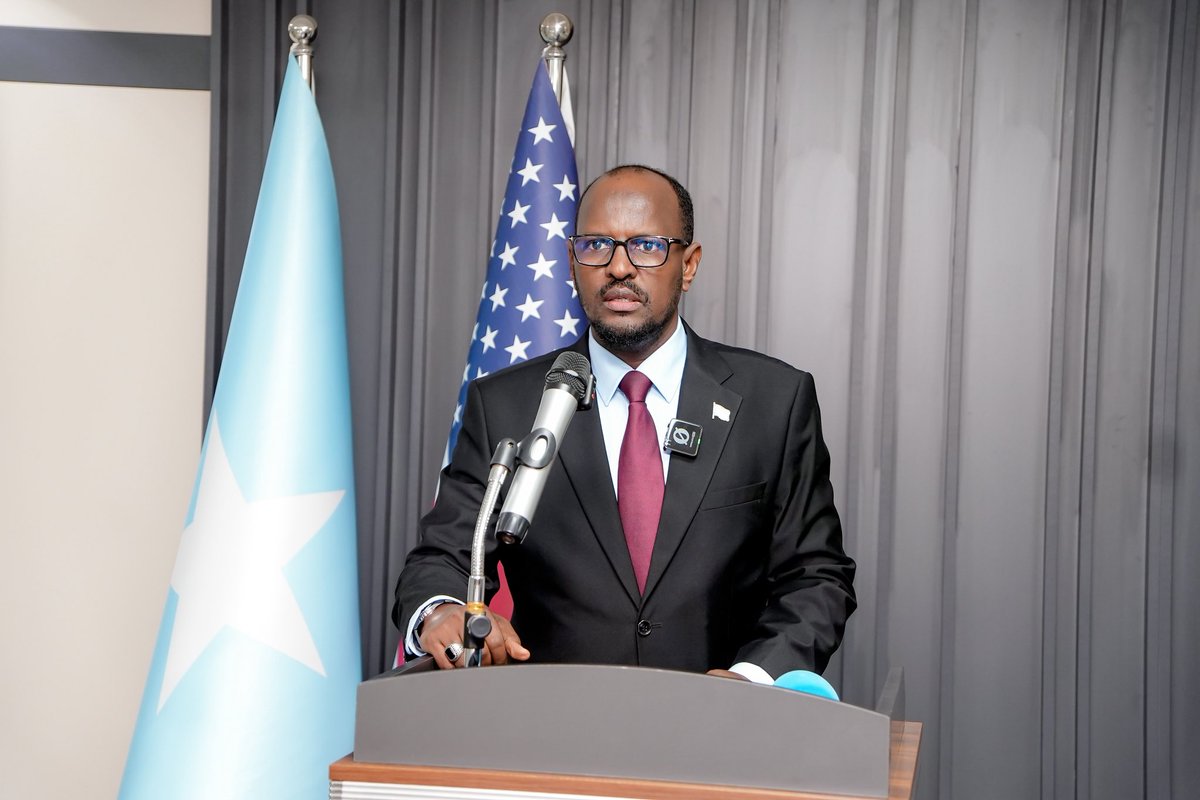
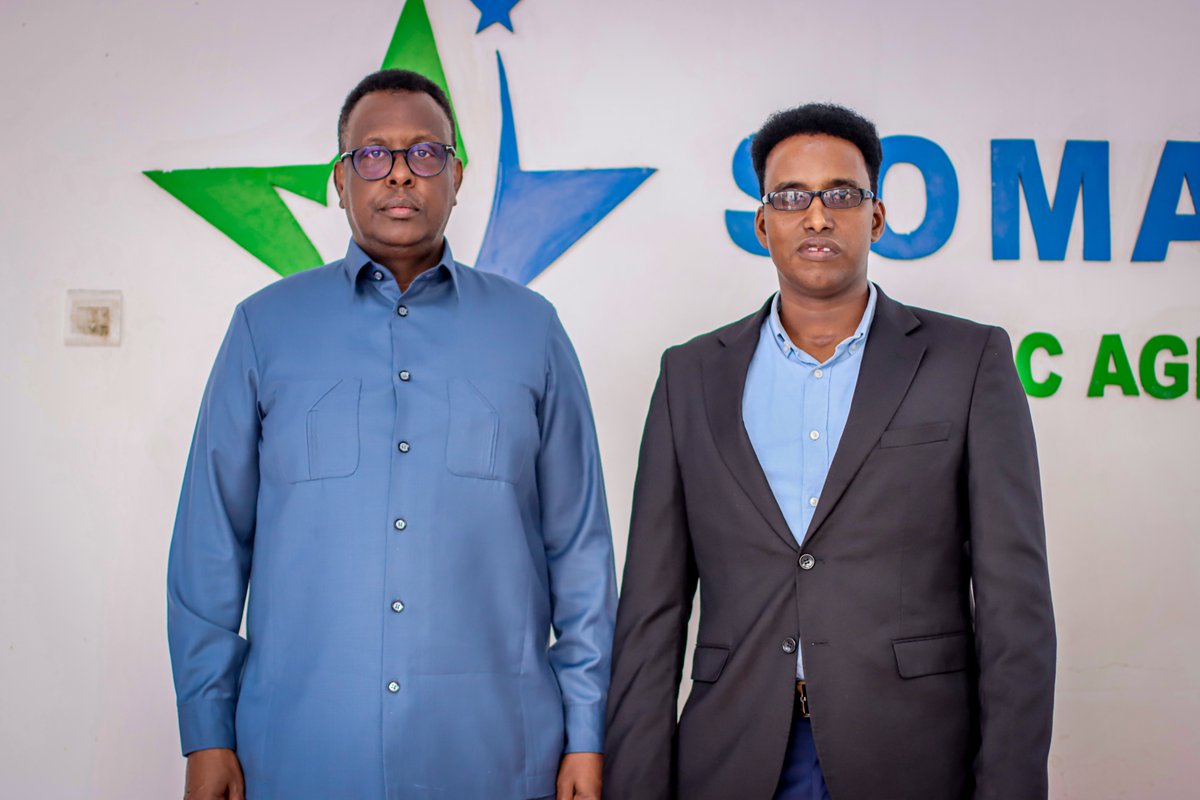
It was a privilege to deliver a public lecture at SIMAD University’s Town Campus on the theme, “Data for Development: How Official Statistics Shape Economic Policy.”
In an era where development challenges are becoming increasingly complex, one message is clear: every important decision begins with data. Whether the question is how many people live in poverty, whether prices are rising, where unemployment is highest, or which regions require greater investment, credible statistics provide the evidence needed to move from assumptions to informed action. Without data, policy is guesswork; with data, decisions can be tested, targeted and improved.
The lecture explored the central role of official statistics in measuring and understanding national development. We discussed how data produced by Somalia National Bureau of Statistics—including poverty, inflation, labour market, food security and national accounts statistics—helps government institutions, development partners, researchers and citizens better understand economic and social realities. We also examined how indicators such as the Consumer Price Index (CPI), Gross Domestic Product (GDP), poverty measures and labour force statistics inform policymaking, resource allocation and development planning.
Beyond official statistics, I also shared insights from my academic, research and professional experience in economics, highlighting how theoretical concepts are applied in practice to address real-world development challenges. In particular, I discussed the role of applied microeconometrics in measuring impacts, evaluating policies and programmes, and generating evidence for decision-making. We explored how quasi-experimental methods and statistical analysis of data can help researchers identify causal relationships and assess what works, what does not, and why.
Particular attention was given to the importance of evidence-based policymaking and the data-to-policy cycle: identifying challenges, collecting reliable data, generating insights, designing effective interventions, monitoring implementation and evaluating impact. Strong statistical systems are not merely technical instruments; they are essential national assets that support accountability, improve governance and strengthen development outcomes.
I also emphasized the critical role of universities and research institutions in advancing Somalia’s knowledge economy. There is tremendous scope for collaboration between SNBS and academia through research, innovation, data analysis and capacity development. As the national producer and coordinator of official statistics, SNBS is more than willing to support researchers through access to publications, statistical reports and survey microdata, whilst fostering a stronger culture of evidence generation and utilization countrywide.
To the students, future economists, statisticians and policymakers in attendance, my message was straightforward. Somalia’s future will increasingly depend on those who can transform data into knowledge, knowledge into policy and policy into measurable improvements in people’s lives. Investing in statistical literacy, analytical skills, research methods, data science and evidence-based decision-making is ultimately an investment in the future of our nation.
I also encouraged students not to be discouraged by the current labour market challenges. Success requires hard work, dedication, continuous learning and perseverance. I urged them to strengthen their quantitative and analytical skills, particularly in statistics, econometrics and data analysis, and to become proficient in widely used statistical software packages such as Stata, R and Python. These skills are increasingly essential for careers in economics, research, public policy, official statistics and the broader data-driven economy.
#OfficialStatistics #DataForDevelopment #HigherEducation
A Year of Statistical Progress: SNBS Releases 2025 Performance Newsletter
Somalia National Bureau of Statistics has published its Annual Performance Newsletter – 2025, highlighting a year of institutional progress & statistical innovation throughout the National Statistical System. The publication showcases key milestones achieved in strengthening official statistics, modernizing data systems & expanding production of reliable evidence to support national decision-making.
The newsletter underscores the growing role of data in advancing Somalia’s National Transformation Plan (2025–2029) & monitoring progress towards the Sustainable Development Goals. In 2025, SNBS strengthened macroeconomic measurement, expanded nationally representative surveys, modernized Consumer Price Index framework & reinforced administrative data integration.
The year also marked deeper international engagement & stronger partnerships aimed at building a more resilient & future-centric statistical system. These efforts continue to position SNBS as a central pillar of evidence-based policymaking, transparency & sustainable development in Somalia.
For more, visit the Bureau’s website via the link below to download & read the newsletter in full. https://t.co/x9wlycHYtZ
@AbdisalamHumbul@abdirahm_omar
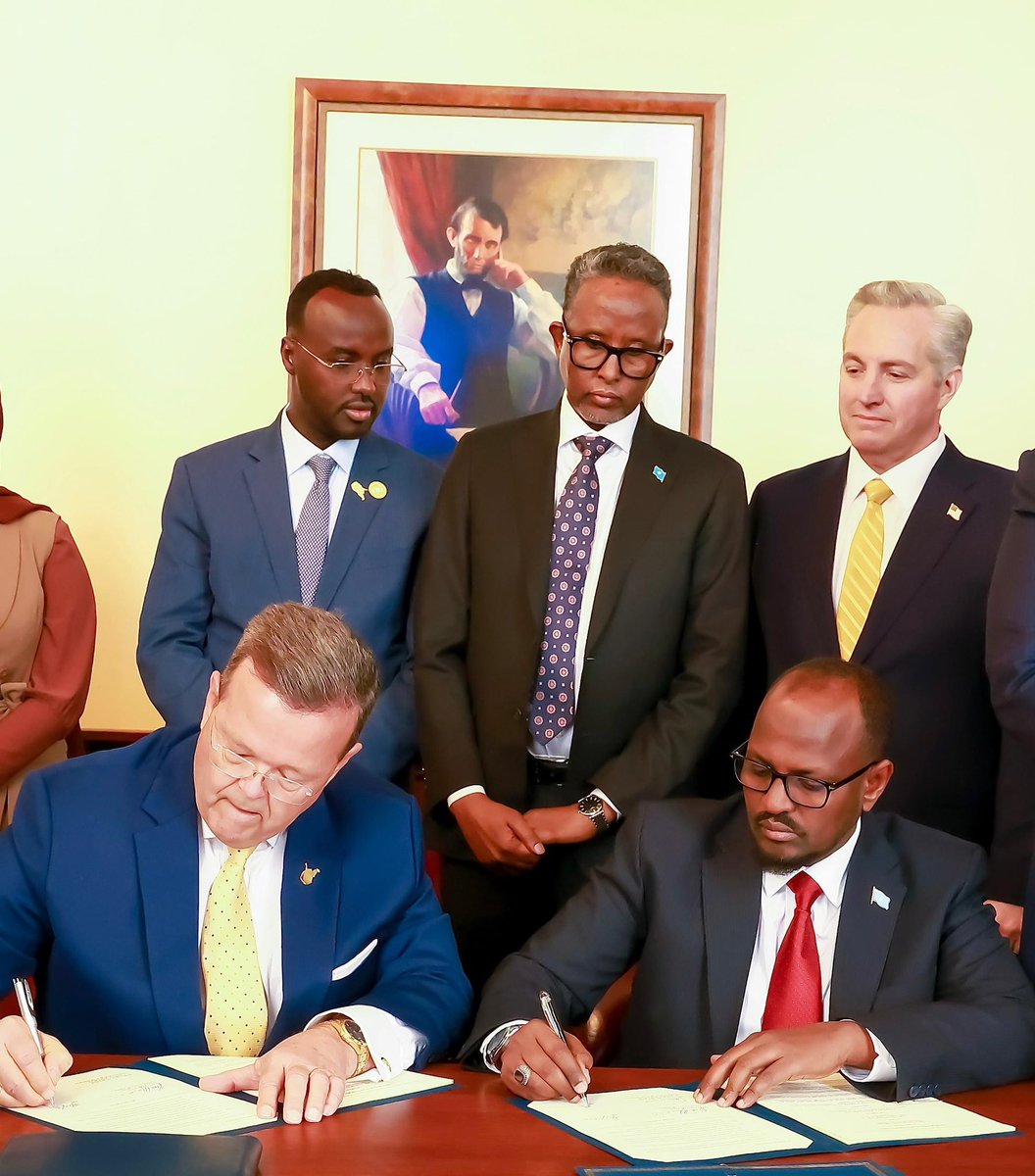
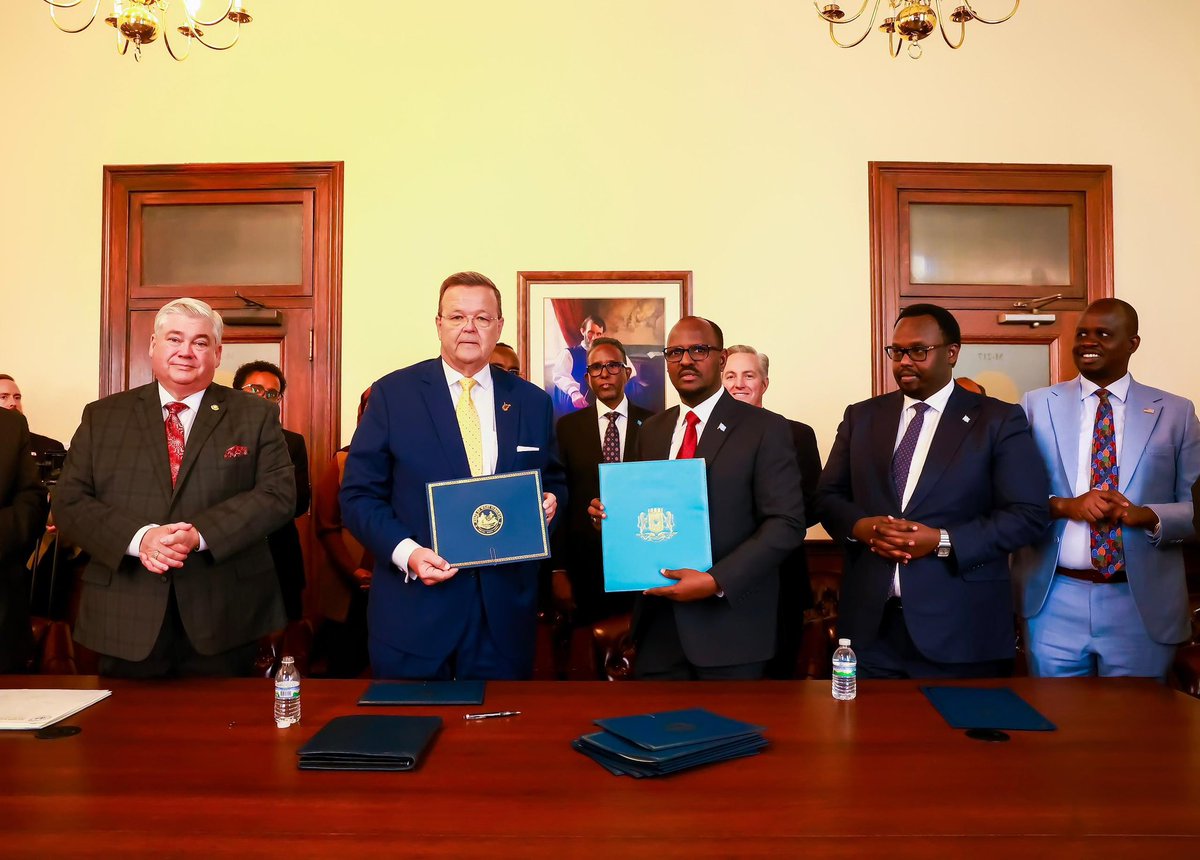
In Charleston, I had the honor of signing a Memorandum of Understanding between the Federal Government of Somalia and the State of West Virginia on economic cooperation for the mining and processing of critical minerals.
This partnership will advance technical collaboration, support responsible resource development, and open new opportunities for investment. 🇸🇴🤝🇺🇸
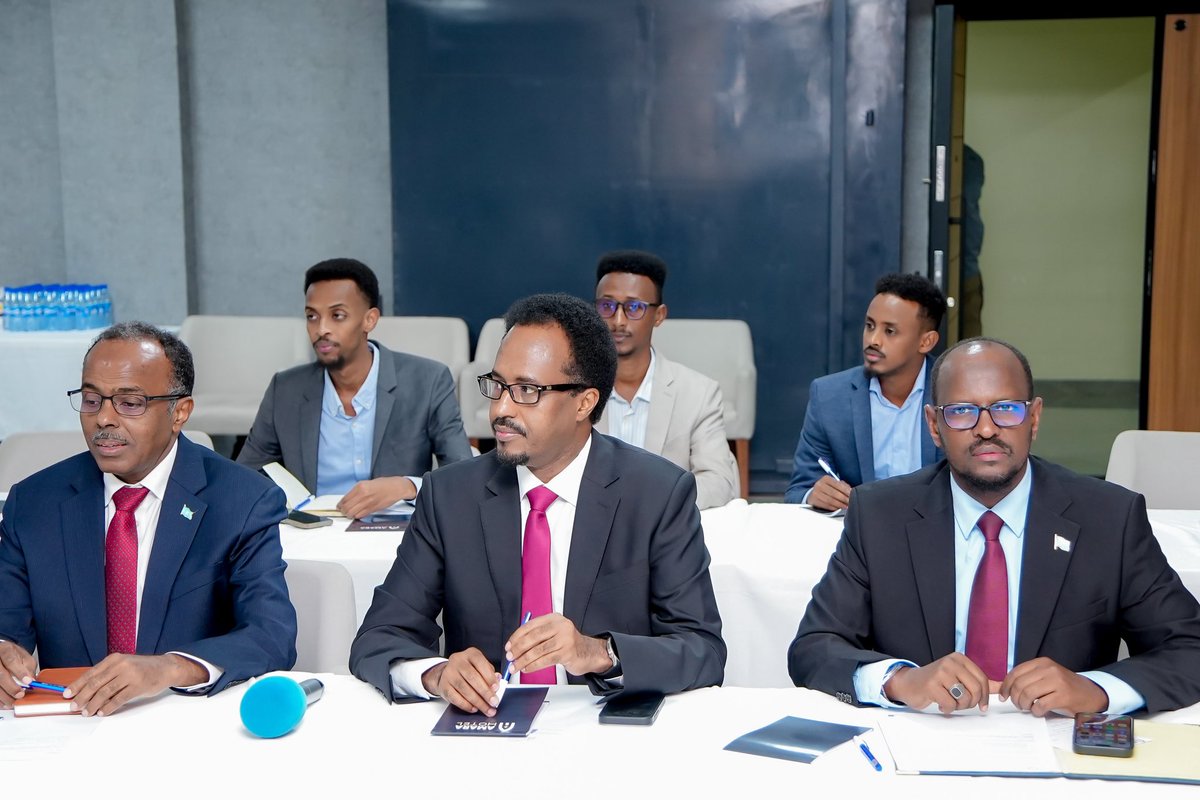
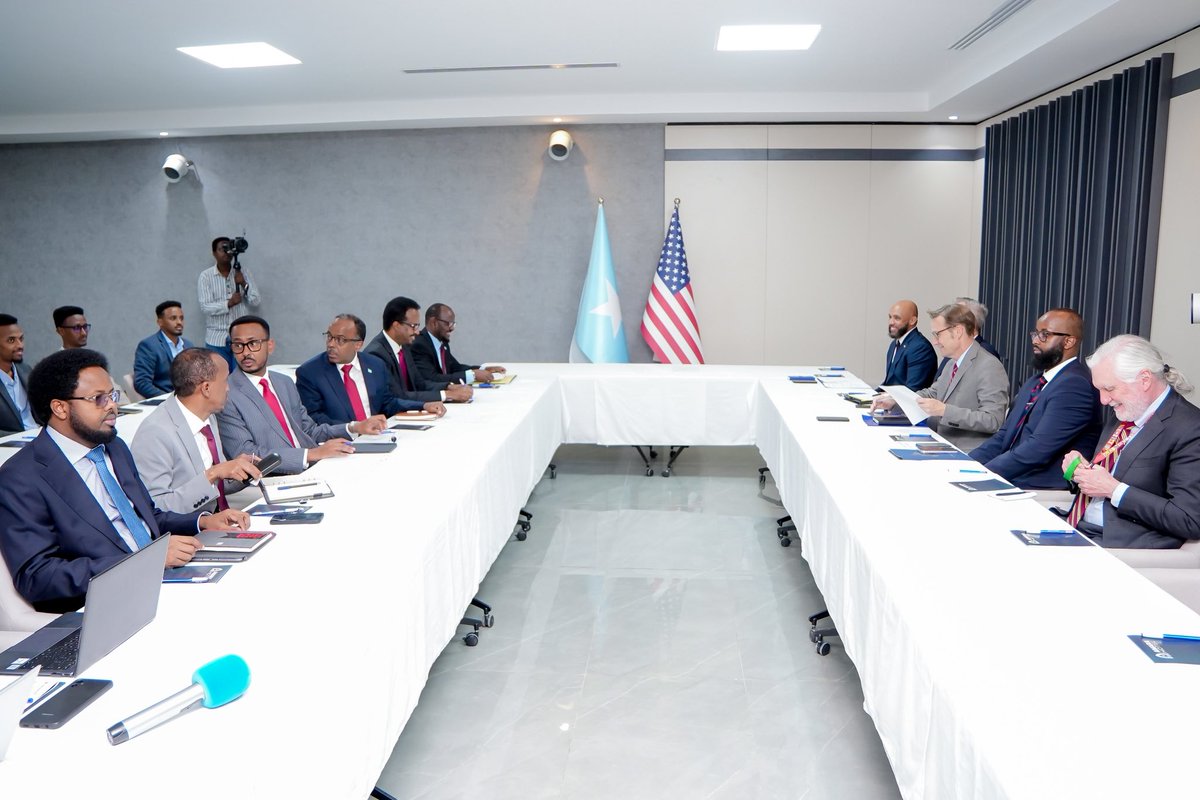
Honored to join my fellow Cabinet Ministers in a constructive meeting today with representatives of the United States to discuss Somalia’s extractive industries.
Our discussions focused on petroleum and minerals development, strengthening regulatory transparency, advancing offshore progress, and fostering a stable, investment-ready environment.
Somalia is entering a commercially significant phase in its resource development journey. We welcome responsible U.S. companies and strategic partnerships that align with our commitment to transparency, sustainability, and long-term value creation based on win-win approach.
We deeply value continued U.S. engagement in supporting institutional capacity, private sector investment, and sustainable growth that delivers lasting benefits for the Somali people and the broader region.
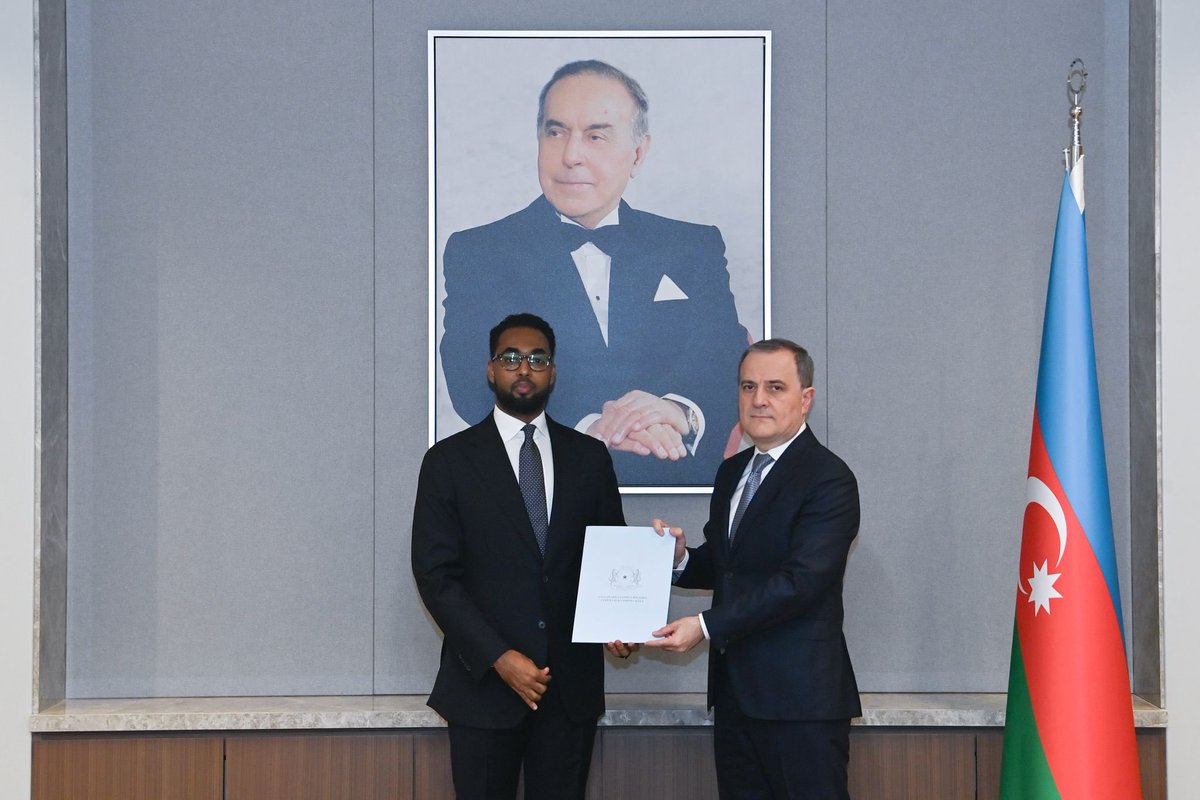
This marks the outset of a promising collaboration between #Somalia and #Azerbaijan. Somalia’s newly appointed Ambassador to Azerbaijan, @abdinurfidow, has submitted a copy of his credentials to the Minister of Foreign Affairs. I am confident that Ambassador Abdinur will excel as he represents a new generation of diplomats. Best wishes for his tenure.
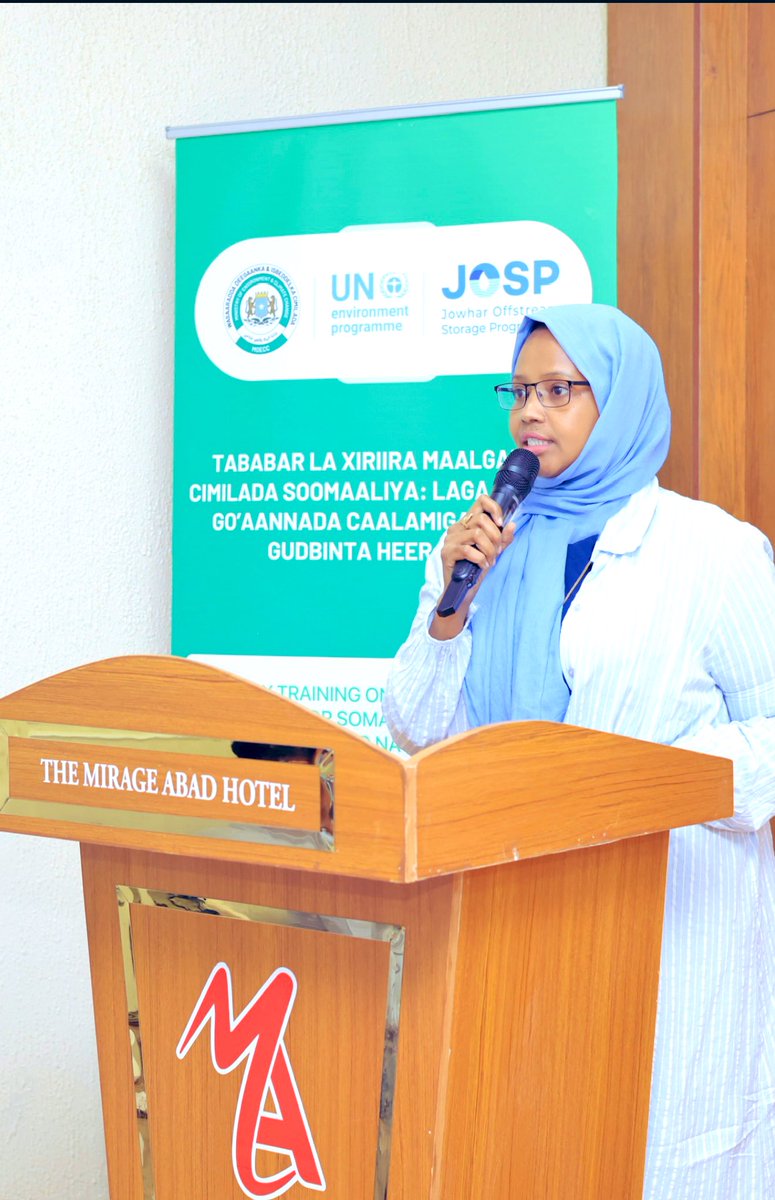
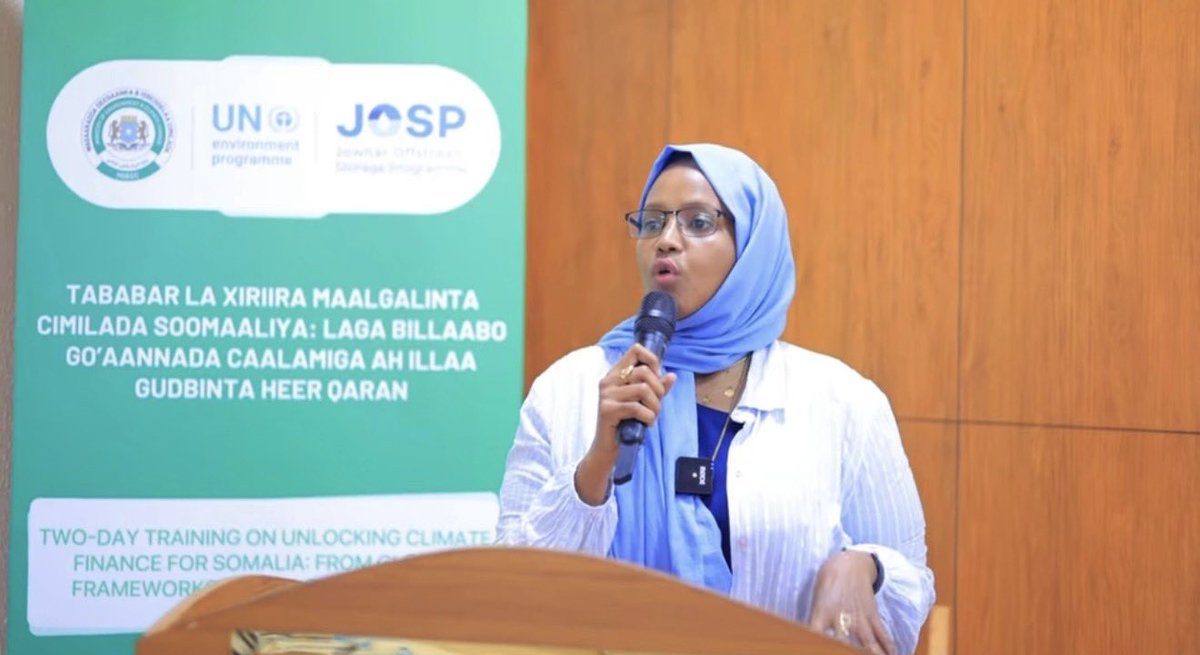
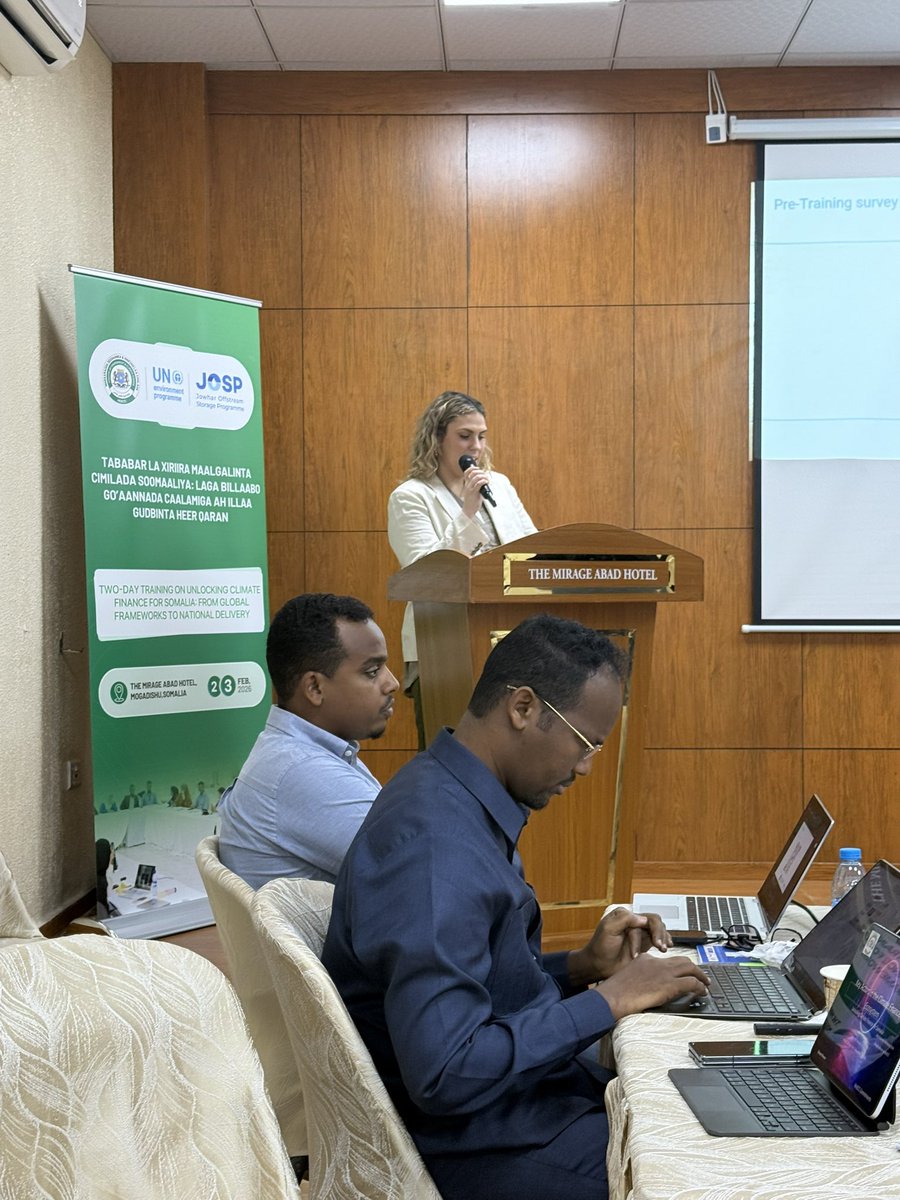
It was a pleasure to facilitate 2day technical #Climatefinance training in #Mogadishu with @UNEP convening government institutions and key stakeholders to deepen understanding of the global climate finance architecture under the @UNFCCC multilateral funds and access modalities.
Today, we had the privilege of jointly launching with the World Bank the findings from Waves 1 and 2 of the Listening to Somalia Survey, alongside Somalia’s pre-launch of the new Mobile Phone Data for Policymaking Initiative. This milestone marks a major shift toward modern, flexible, and citizen-centred evidence systems. As traditional household surveys are conducted only every five years, mobile phone surveys now serve as a powerful alternative to fill the data gaps between these cycles and to provide timely, real-time insights.
Conducted across all 18 pre-war regions, with nearly 3,000 households interviewed in each wave—including about 1,900 repeat households—the Listening Survey has shown that high-quality national data can be collected rapidly, safely, and cost-effectively through mobile phones, reaching rural, nomadic, urban, and displaced populations. The survey captured critical issues including poverty, food insecurity, drought impacts, reductions in social assistance, satisfaction with services, taxation, climate shocks, and the education aspirations of children and youth. While the findings highlight real hardships, they also reveal something powerful—resilience, ambition, and strong hopes for better education, jobs, services, and security, especially among our youth.
Building on this momentum, SNBS is also advancing work on Mobile Phone Data (MPD) with Mobile Network Operators. This initiative represents a major leap forward for Somalia’s digital statistical ecosystem. By using anonymized and aggregated telecom data, we will generate real-time insights on population movements, vulnerability, and the impacts of shocks, strengthening disaster response, shock-responsive social protection, and evidence-based policymaking.
I extend my sincere appreciation to the World Bank, government institutions, and all our partners who joined us for this important launch. Together, we remain committed to building modern, high-quality data systems that elevate citizen voices and guide decisions shaping Somalia’s future.
Congratulation, Dr Abdisalam!
PhD from Glasgow in the bag and groundbreaking work on remittances in fragile contexts.
This is an impressive accomplishment, well deserved milestone and a proud moment. Your work adds real value to the statistics field and strengthens the foundations of evidence-driven policy in Somalia. Wishing you continued excellence as DG of SNBS and beyond! 🇸🇴🔥
Today, Somalia proudly marked African Statistics Day 2025, joining other nations in the continent in recognising the power of data to shape peace, justice and prosperity. This year’s theme speaks directly to our national journey. As we rebuild institutions and deepen stability, innovation in data becomes the prerequisite engine that guides our policies, measure our progress and strengthen public trust.
Somalia’s statistical transformation is well and truly underway. From modern digital surveys to geospatial mapping, strengthened administrative records and the rapid expansion of SDG reporting—our national data ecosystem is becoming more credible, more inclusive and more aligned with international standards. These gains are possible because of strong collaboration among Federal Government, Federal Member States, Parliament, academia, civil society and development partners, in an enduring partnership that is proving that resilient institutions are built on reliable evidence.
As I told participants today, statistics are the very compass of national development. On this African Statistics Day, I reaffirm SNBS’s commitment to excellence, innovation and public service. With continued partnership and investment, Somalia will build a statistical system that empowers decision-makers, supports accountability and delivers for every Somali citizen.
#AfricanStatisticsDay2025 #DataForSomalia
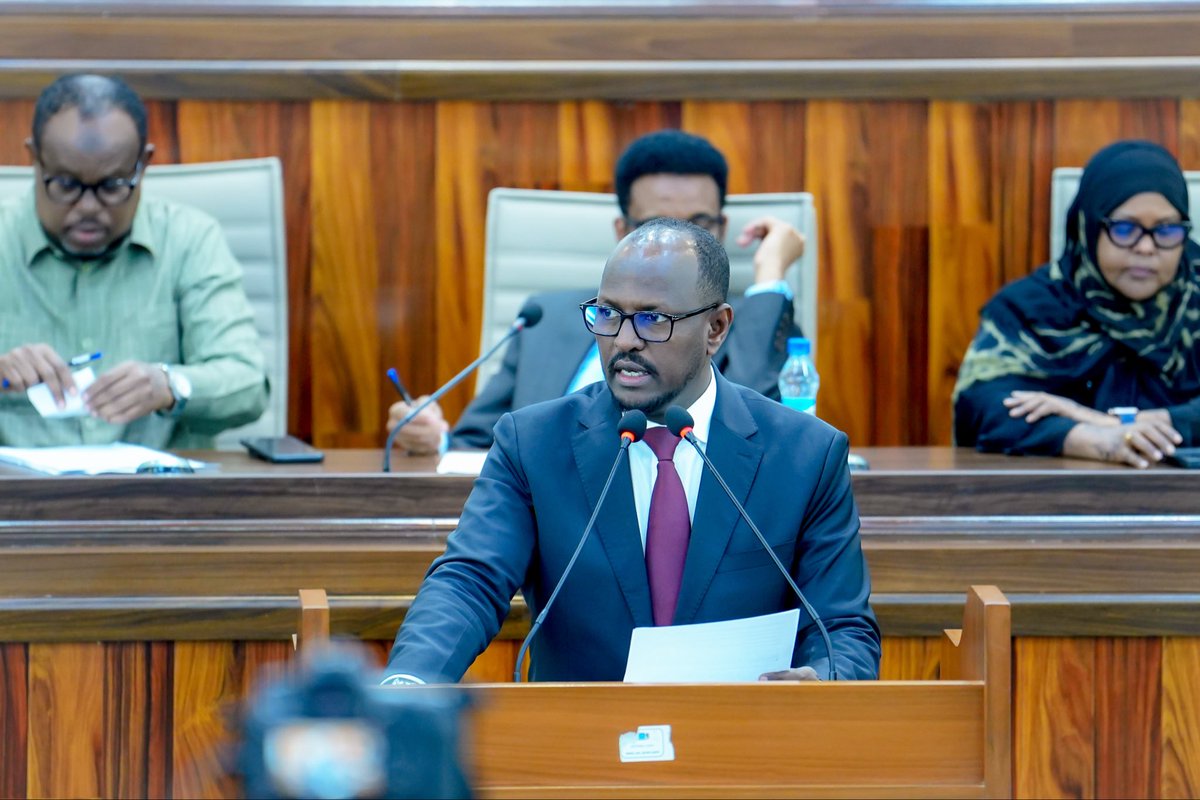
Today, i had the honor to appear before the Parliament, presented the Mining Bill aimed at improving the management & investment of the country’s mineral resources. I Requested the MPs to endorse the bill to drive growth and job creation. 🇸🇴⚒️
#Somalia#MiningBill#Petroleum
Wasiirka Cadaaladda & Arrimaha Dastuurka @HassansheikhAli ayaan si qoto-dheer uga sheekeysannay arrimaha dastuurka, doorashooyinka & wadahadallada u socda dowladda federaalka & mucaaradka.
Dhawaan filo qeybta 54-aad ee #MaamulWanaag Podcast ee @SPAPodcasts_@somalipubagenda.