CHAT CONTROL IS COMING
Even though most Members of the European Parliament have voted to REJECT Chat Control, we have not been able to reach the absolute majority that was needed (361 Members).
This is a sad day for Europeans.
REFLEXIONES SOBRE EL MERCADO LABORAL TECH EN ESPAÑA
durante los últimos días me he leído más de 300 solicitudes y CVs de perfiles técnicos de todo el país para venir a REFUGIO
ha sido una paliza criminal, a unos 6 min de media por aplicación... le habré echado no menos de 30h, pero desde luego no han sido en vano
el objetivo era concentrar el talento y creo que lo he logrado con creces
la cosa es que leer 332 trayectorias te da una radiografía bastante completa de como está el ecosistema y el mercado en España. Para que no se queden solo en mi cabeza, dejadme compartir las observaciones que he hecho por aquí:
1 - España tiene talento de primera división jugando en regional preferente. Ya lo sabía pero el proceso me lo ha confirmado otra vez. Yo mismo trabajo en uno de los entornos más competitivos de investigación del mundo, codeándome con gente de todos sitios, y os aseguro que el nivel técnico base en España es top. Creo de verdad que España podría estar en primera división pero por algún motivo no lo está.
2 - Ese talento tiene hambre y ganas. La mayoría de los aplicantes (evidentemente hay un selection bias) entiende que nos encontramos en un punto de inflexión frente a la tecnología y están entusiasmados y con ganas de hacer cosas.
3 - El mercado laboral español es una trituradora de potencial. me he cansado de ver perfiles brillantes, sobre todo en la franja senior, atrapados en un bucle de bancos, aseguradoras y consultoras mediocres haciendo cosas que les vacían el alma. están ahí puramente porque es la única forma de asegurar un sueldo digno. Es una cantidad de talento desperdiciado que da ganas de llorar, la verdad.
4 - Apenas hay emprendedores que salgan de la universidad pública. Casi todos vienen de la universidad privada. Esto yo creo que es por varios motivos, dos que se me ocurren:
- La gente que estudia en una universidad privada suele tener más soporte económico de los padres por lo que se pueden permitir fracasar.
- Las universidades privadas están más conectadas con la industria, mientras que el aislamiento de la universidad pública de la industria es total. Aún recuerdo en mis tiempos de la universidad como cada vez que había una feria de empleo ocurrían boicots y pancartas de "fuera empresa de la universidad". Esto causa una cascada de problemas bastante seria.
5 - En España el talento está mal pagado. Aprecio como las empresas en general son muy reticentes a gastar en lo que de verdad importa. No creo ni que sea una falta de fondos, sino un tema de mentalidad y de bad management. Se gasta dinero en chorradas, mientras que el talento que crea valor se le racanea de forma estúpida. Para muestra, no sabéis lo mucho que nos está costando reunir los fondos para el evento (que cuesta cacahuetes, pero aún así).
6 - The white pill: hay esperanza. el ecosistema es pequeño, pero se está formando una masa crítica de gente con muchas ganas de cambiar la situación y empezar a hacer las cosas bien
En general, si algo me ha dado este proceso es mayor motivation para empujar algo como REFUGIO. Sacar a esta gente de sus cuevas y conectarlos es una urgencia nacional
fin de la turra
La universidad medieval evaluaba con exámenes orales. Evaluar es exigir que el conocimiento se interiorice. Si la IA reduce el esfuerzo, la universidad debe reintroducirlo de otra forma. La IA está forzando otro cambio: menos tareas en casa, más interacción directa, más conversación socrática.
The New York Times: Si la escritura “aceptable” se automatiza, la educación superior debe centrarse en pensamiento crítico, identidad intelectual y evaluación relacional https://t.co/sBg3M1cwcF https://t.co/SAItfb3rGY
En las decisiones que se refieren a los flujos económicos, las plataformas digitales, la gestión de los datos y los algoritmos, no se puede dejar que pocos actores por sí solos orienten los procesos, sino que es necesario construir formas de cooperación que respeten los diversos niveles de la comunidad mundial y los hagan corresponsables del bien común.
Hoy, entre los bienes que están destinados universalmente a todos, debemos incluir también las nuevas formas de propiedad: patentes, algoritmos, plataformas digitales, infraestructuras tecnológicas, datos. En un contexto en el que la riqueza de las naciones depende cada vez más de conocimientos y tecnologías, cuando estos bienes quedan concentrados en las manos de unos pocos, sin adecuadas formas de compartición y de acceso, se crea una nueva brecha entre quienes pueden participar en la revolución digital y quienes permanecen al margen. #MagnificaHumanitas
Llevo semanas comentando que ando hasta arriba de curro y algunos me habéis visto aparecer en reuniones donde no se me esperaba. El principal motivo es que me he incorporado en @SingularSolving como Team Lead AI.
Nada, que me apetecía contarlo.
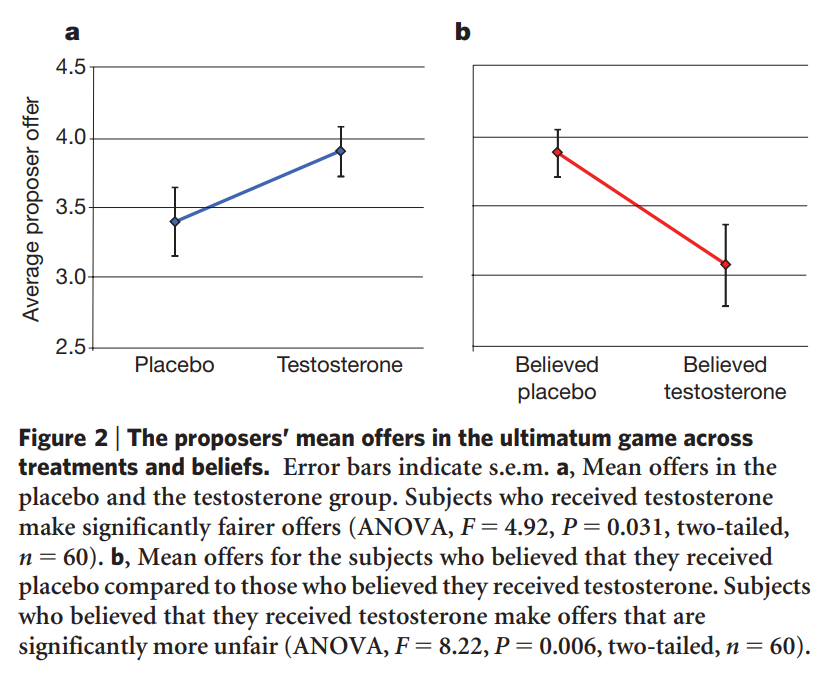
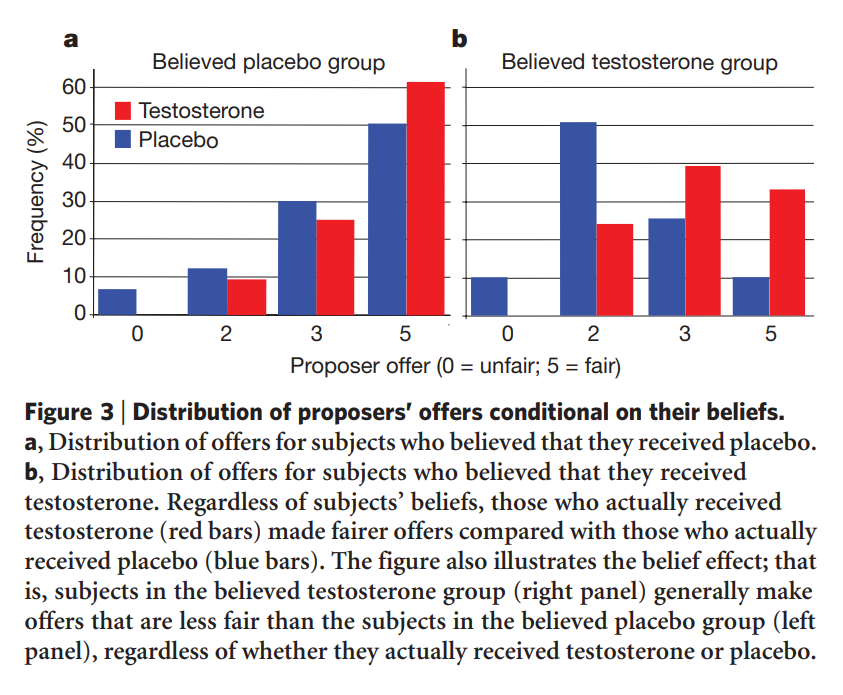
Darles testosterona a las mujeres hace que se comporten de manera más justa y menos conflictiva. Sin embargo, las mujeres que creen que han tomado testosterona —pero que en realidad han tomado placebo— se comportan de manera más agresiva y más injusta.
“Si España mañana se va al carajo, por una guerra o por una crisis, ¿ustedes ya saben adónde irán?
Tengan una mochilita en casa lista para que si pasa algo, puedan ir al aeropuerto en cualquier momento y salir para cualquier lado”.
Vu que Palantir vient de poser un constat assez lucide sur la situation actuelle avec les 22 thèses d'Alex Karp, j'aimerais en profiter pour donner mon interprétation de l'Antéchrist de Peter Thiel.
Parce que la plupart des interprétations qui circulent passent complètement à côté.
On le caricature en milliardaire mystique paranoïaque qui voit Greta Thunberg comme un démon. C'est facile, c'est viral, c'est faux.
Voici ce que j'en comprends, après avoir écouté beaucoup de ses interviews.
Thiel n'est pas obsédé par la fin du monde. Il est obsédé par le dépassement de soi. Par la science, le progrès, la capacité de l'humanité à repousser ses propres limites. Quand il parle d'Antéchrist, il ne parle pas d'une figure surnaturelle. Il parle d'un système.
Le système, c'est celui qu'il décrit dans une de ses interviews récente (lien en dessous) : Elon en 2022 disant qu'on ne retournera plus jamais sur la Lune. Et la Lune, ce n'est pas la Lune. C'est le symbole. Le symbole que les petits hommes gris ont gagné. Que la bureaucratie a gagné. Que ceux qui veulent figer le statu quo, "protéger les gens", sécuriser, réguler, encadrer, ont rigidifié l'intégralité de nos sociétés.
Son constat est simple et empirique : il n'y a plus d'innovation nulle part. Sauf dans la tech. Pourquoi ? Parce que la tech est encore un jeu à somme infinie. On y crée de la valeur à partir de rien. La prospérité s'y génère.
Partout ailleurs - éducation, santé, immobilier, énergie, transport - on a tellement réglementé, bureaucratisé, "protégé", qu'on a tué les jeux à somme infinie. Il ne reste que des jeux à somme nulle. Et un jeu à somme nulle, par définition, c'est de la pure compétition pour une part de gâteau qui ne grandit plus.
Et là c'est Girard qui parle à travers Thiel : la compétition mimétique pousse les humains à faire absolument n'importe quoi. À se détruire les uns les autres pour des miettes.
L'Antéchrist de Thiel, c'est ça : le système global qui, sous couvert de nous protéger d'Armageddon (IA, climat, nucléaire, pandémies), nous prive collectivement de toute capacité de dépassement. Qui transforme la civilisation occidentale en une vaste machine à préserver l'existant. Un alignement total. Une stagnation présentée comme une vertu.
"The slogan of the Antichrist is peace and safety." Paix et sécurité. Pas guerre et chaos.
C'est exactement l'inverse de ce qu'on lui fait dire.
Le piège, ce n'est pas la technologie qui s'emballe. Le piège, c'est le gouvernement mondial qui se met en place pour "nous sauver" de la technologie. Le piège, c'est qu'à force de vouloir éviter tout risque existentiel, on construit le seul système réellement existentiellement dangereux : celui où plus rien ne bouge, où plus personne ne se dépasse, où l'humanité accepte sa propre domestication.
Quand il pointe Yudkowsky, Bostrom ou Thunberg comme "légionnaires", il ne dit pas qu'ils sont mauvais. Il dit qu'ils sont les vecteurs intellectuels involontaires d'un monde où l'on fige tout au nom de la peur.
Les 22 thèses de Karp s'inscrivent dans la même grammaire. Quand il écrit que "la décadence d'une civilisation ne sera pardonnée que si cette culture est capable de délivrer croissance économique et sécurité", ou que "les fonctionnaires n'ont pas à être nos prêtres", il dit la même chose autrement : une civilisation qui ne produit plus rien, qui ne se dépasse plus, qui se contente de s'auto-administrer, ne survit pas.
On peut être en désaccord avec Thiel. On peut trouver l'analogie théologique excessive. On peut souligner l'ironie de Palantir.
Mais avant de le caricaturer, il faudrait au moins comprendre ce qu'il dit vraiment : la vraie menace de notre époque, ce n'est pas trop d'innovation. C'est l'incapacité organisée de nos systèmes à en produire encore.
Because we get asked a lot.
The Technological Republic, in brief.
1. Silicon Valley owes a moral debt to the country that made its rise possible. The engineering elite of Silicon Valley has an affirmative obligation to participate in the defense of the nation.
2. We must rebel against the tyranny of the apps. Is the iPhone our greatest creative if not crowning achievement as a civilization? The object has changed our lives, but it may also now be limiting and constraining our sense of the possible.
3. Free email is not enough. The decadence of a culture or civilization, and indeed its ruling class, will be forgiven only if that culture is capable of delivering economic growth and security for the public.
4. The limits of soft power, of soaring rhetoric alone, have been exposed. The ability of free and democratic societies to prevail requires something more than moral appeal. It requires hard power, and hard power in this century will be built on software.
5. The question is not whether A.I. weapons will be built; it is who will build them and for what purpose. Our adversaries will not pause to indulge in theatrical debates about the merits of developing technologies with critical military and national security applications. They will proceed.
6. National service should be a universal duty. We should, as a society, seriously consider moving away from an all-volunteer force and only fight the next war if everyone shares in the risk and the cost.
7. If a U.S. Marine asks for a better rifle, we should build it; and the same goes for software. We should as a country be capable of continuing a debate about the appropriateness of military action abroad while remaining unflinching in our commitment to those we have asked to step into harm’s way.
8. Public servants need not be our priests. Any business that compensated its employees in the way that the federal government compensates public servants would struggle to survive.
9. We should show far more grace towards those who have subjected themselves to public life. The eradication of any space for forgiveness—a jettisoning of any tolerance for the complexities and contradictions of the human psyche—may leave us with a cast of characters at the helm we will grow to regret.
10. The psychologization of modern politics is leading us astray. Those who look to the political arena to nourish their soul and sense of self, who rely too heavily on their internal life finding expression in people they may never meet, will be left disappointed.
11. Our society has grown too eager to hasten, and is often gleeful at, the demise of its enemies. The vanquishing of an opponent is a moment to pause, not rejoice.
12. The atomic age is ending. One age of deterrence, the atomic age, is ending, and a new era of deterrence built on A.I. is set to begin.
13. No other country in the history of the world has advanced progressive values more than this one. The United States is far from perfect. But it is easy to forget how much more opportunity exists in this country for those who are not hereditary elites than in any other nation on the planet.
14. American power has made possible an extraordinarily long peace. Too many have forgotten or perhaps take for granted that nearly a century of some version of peace has prevailed in the world without a great power military conflict. At least three generations — billions of people and their children and now grandchildren — have never known a world war.
15. The postwar neutering of Germany and Japan must be undone. The defanging of Germany was an overcorrection for which Europe is now paying a heavy price. A similar and highly theatrical commitment to Japanese pacifism will, if maintained, also threaten to shift the balance of power in Asia.
16. We should applaud those who attempt to build where the market has failed to act. The culture almost snickers at Musk’s interest in grand narrative, as if billionaires ought to simply stay in their lane of enriching themselves . . . . Any curiosity or genuine interest in the value of what he has created is essentially dismissed, or perhaps lurks from beneath a thinly veiled scorn.
17. Silicon Valley must play a role in addressing violent crime. Many politicians across the United States have essentially shrugged when it comes to violent crime, abandoning any serious efforts to address the problem or take on any risk with their constituencies or donors in coming up with solutions and experiments in what should be a desperate bid to save lives.
18. The ruthless exposure of the private lives of public figures drives far too much talent away from government service. The public arena—and the shallow and petty assaults against those who dare to do something other than enrich themselves—has become so unforgiving that the republic is left with a significant roster of ineffectual, empty vessels whose ambition one would forgive if there were any genuine belief structure lurking within.
19. The caution in public life that we unwittingly encourage is corrosive. Those who say nothing wrong often say nothing much at all.
20. The pervasive intolerance of religious belief in certain circles must be resisted. The elite’s intolerance of religious belief is perhaps one of the most telling signs that its political project constitutes a less open intellectual movement than many within it would claim.
21. Some cultures have produced vital advances; others remain dysfunctional and regressive. All cultures are now equal. Criticism and value judgments are forbidden. Yet this new dogma glosses over the fact that certain cultures and indeed subcultures . . . have produced wonders. Others have proven middling, and worse, regressive and harmful.
22. We must resist the shallow temptation of a vacant and hollow pluralism. We, in America and more broadly the West, have for the past half century resisted defining national cultures in the name of inclusivity. But inclusion into what?
Excerpts from the #1 New York Times Bestseller The Technological Republic: Hard Power, Soft Belief, and the Future of the West, by Alexander C. Karp & Nicholas W. Zamiska
https://t.co/8igjazz1On
🚨 CRITICAL: Active supply chain attack on axios -- one of npm's most depended-on packages.
The latest [email protected] now pulls in [email protected], a package that did not exist before today. This is a live compromise.
This is textbook supply chain installer malware. axios has 100M+ weekly downloads. Every npm install pulling the latest version is potentially compromised right now.
Socket AI analysis confirms this is malware. plain-crypto-js is an obfuscated dropper/loader that:
• Deobfuscates embedded payloads and operational strings at runtime
• Dynamically loads fs, os, and execSync to evade static analysis
• Executes decoded shell commands
• Stages and copies payload files into OS temp and Windows ProgramData directories
• Deletes and renames artifacts post-execution to destroy forensic evidence
If you use axios, pin your version immediately and audit your lockfiles. Do not upgrade.
Hay mucha gente que lídia con dolores y no quiere morir. Aquel que diga que no es por depresión le recomiendo leer el libro de Víctor Frank, El hombre en busca del sentido.
Si esa chica no estuviese deprimida, no pediría morir con o sin dolores.
Pero no es por “depresión” como tal. Es porque su estado físico (parapléjica) le causa mucho dolor físico, consume mucha morfina diaria, y todo eso fue a causa de un intento de suicido por el sufrimiento y dolor que le causó una violación GRUPAL.
Así que no, no es una eutanasia por “depresión”.