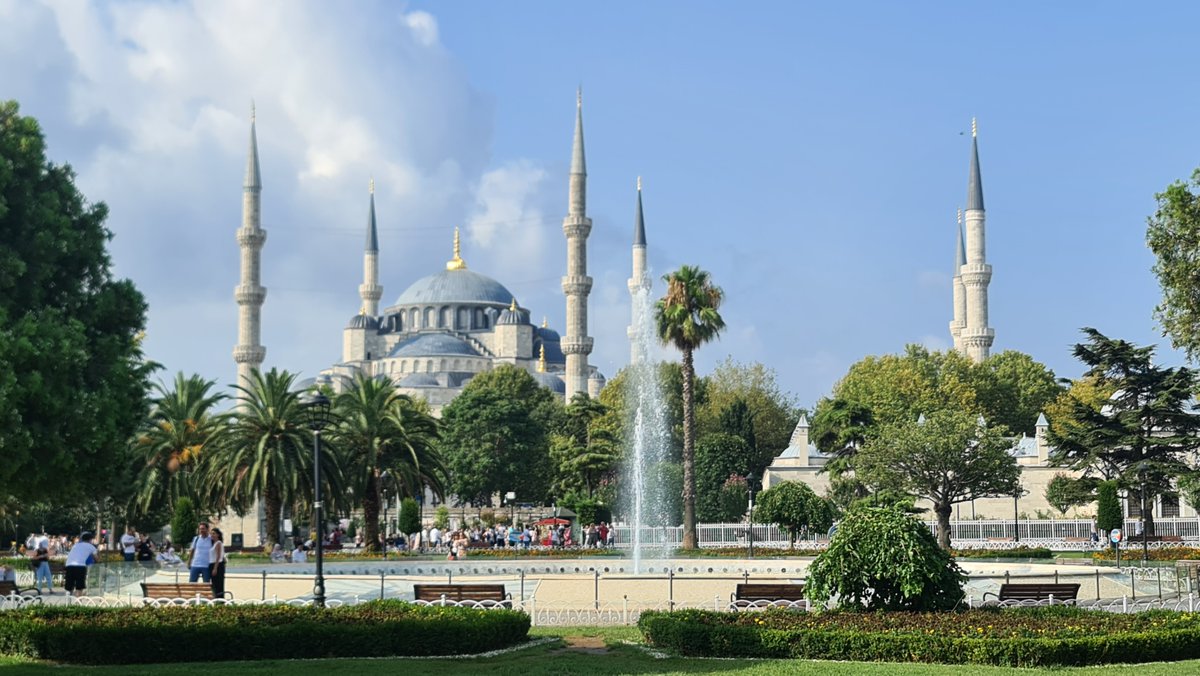
The Blue Mosque - Istanbul, Turkey 🇹🇷
Built between 1609 and 1617 under Sultan Ahmed I, this imperial mosque was designed to rival the nearby Hagia Sophia. Architect Sedefkâr Mehmed Ağa created a harmonious blend of grandeur and serenity, with its massive central dome (over 43 meters high) cascading into semi-domes and supported by enormous pillars.
The interior dazzles with more than 20,000 handmade İznik tiles in shimmering shades of blue, turquoise, and green. Floral motifs—tulips, carnations, and hyacinths—cover the walls, while sunlight pours through 260 windows, creating an ethereal, glowing atmosphere that's almost otherworldly.
Its six slender minarets rise dramatically, and the spacious courtyard with its ornate ablution fountain invites quiet reflection before you step inside.
Located in the historic Sultanahmet district (UNESCO-listed), it's steps from Hagia Sophia, the Hippodrome, and Topkapi Palace.
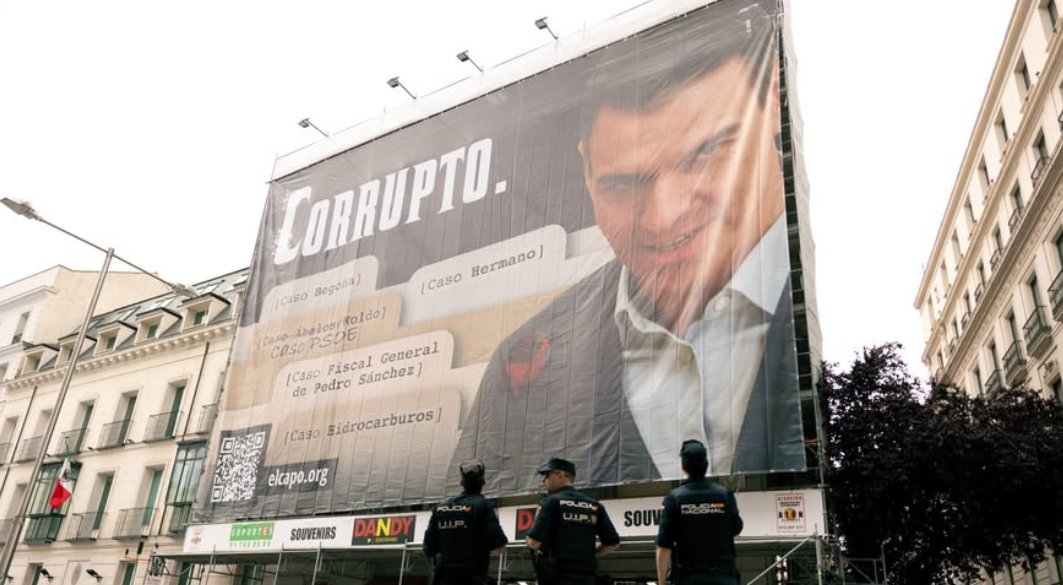
Llamar corrupto a Sánchez no es delito
Llamar corrupto a Sánchez no es delito
Llamar corrupto a Sánchez no es delito
Llamar corrupto a Sánchez no es delito
Llamar corrupto a Sánchez no es delito
Llamar corrupto a Sánchez no es delito
Llamar corrupto a Sánchez no es delito
Native Spanish speaker here. Complaining about Bad Bunny singing in Spanish would make sense if he actually sang in Spanish. Bad Bunny sings in some retarded, mumbled bastardization of the language that he made up. Most Spanish speakers need a translator too.
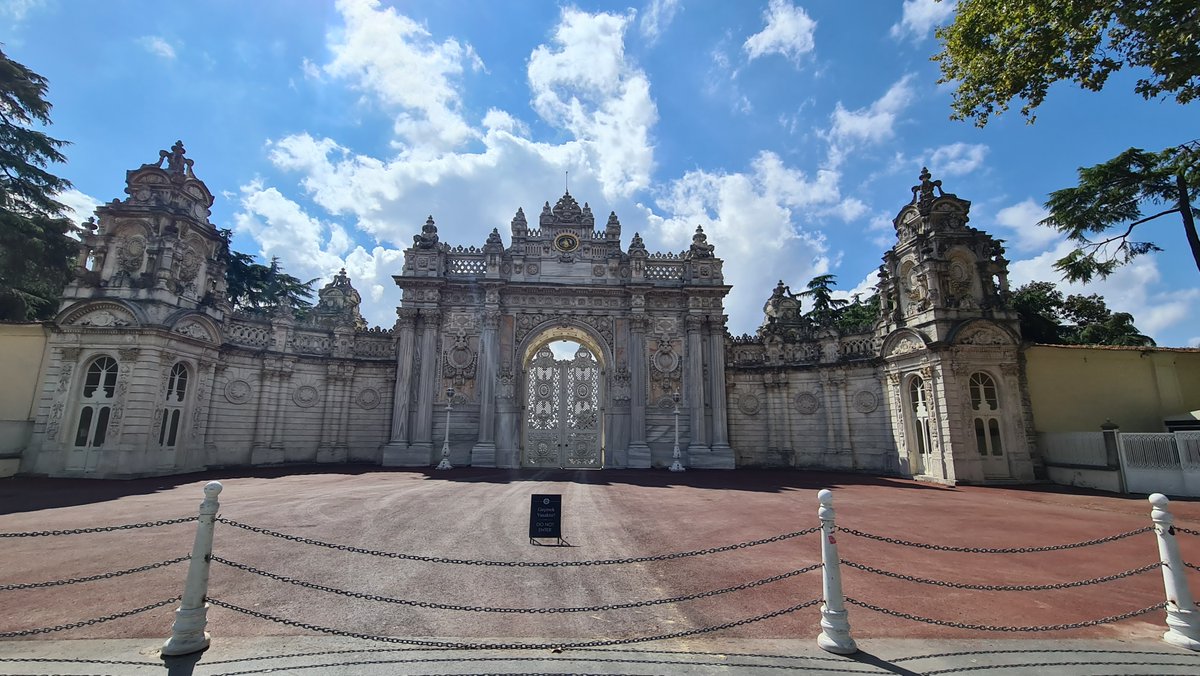
The Dolmabahçe Palace - Istanbul, Turkey 🇹🇷
This is one of the most opulent 19th-century Ottoman palaces, built between 1843 and 1856 under Sultan Abdülmecid I as a more modern European-style residence compared to the older Topkapı Palace.
It's located on the European side along the Bosphorus Strait in the Beşiktaş district.
Dolmabahçe was the administrative center of the late Ottoman Empire and the place where Mustafa Kemal Atatürk died in 1938.
Today, it's a major museum and tourist site, famous for its crystal chandeliers, grand staircases, and Bosphorus views.
The Ortaköy Mosque and the Bosphorus Bridge - Istanbul, Turkey 🇹🇷
It's one of the most photographed spots in the city because of its stunning location right on the European side of the Bosphorus waterfront in the Ortaköy neighborhood.
The mosque was built in the mid-19th century (around 1854–1856) during the Ottoman era in a Neo-Baroque/Ottoman style, featuring two slender minarets, a large central dome, and an ornate interior with lots of natural light from big windows.
The Bosphorous Bridge also known as the 15 July Martyrs Bridge, is the oldest and southernmost of the three major suspension bridges spanning the Bosphorus Strait in Istanbul. It symbolically and literally connects the continents of Europe and Asia, linking the European-side neighborhood of Ortaköy to the Asian-side Beylerbeyi.
Construction began in 1970 and at the time, it was the fourth-longest suspension bridge in the world and the longest outside the United States.
Its name honors the civilians killed during the failed military coup attempt on July 15, 2016.
The Heptapyrgio - Thessaloniki, Greece 🇬🇷
It is a Byzantine and Ottoman-era fortress, with roots dating back to the Byzantine period (likely 10th–14th centuries), though its current form was largely shaped after the Ottoman conquest of the city in 1430.
The name means “Fortress of the Seven Towers”, but in reality it has ten towers!
From the late 19th century until 1989, it functioned as a prison, with a very dark and difficult history — political prisoners were held here.
It is part of the Byzantine walls of the city (a UNESCO World Heritage site).
Nobody has fought harder for full release of the Epstein files and prosecutions of those who abused children more than I did, knowing full well that the legacy media, far-left propagandists and those who are actually guilty would:
1. Admit nothing
2. Deny everything
3. Make counter-accusations against me
I knew that I would be smeared relentlessly, despite never having attended his parties or been on his “Lolita Express” plane or set foot on his creepy island or done anything wrong at all.
Nonetheless, the extreme pain of being accused of being the opposite of who I am was worth it.
The strong must protect those cannot protect themselves, especially vulnerable children. I will gladly accept any amount of future pain to do more to protect kids and give them a chance to grow up and have happy lives.
My friend, this man helped bring us closer to a treatment for pancreatic cancer—
yet what some people chose to focus on was the birthmark on his face.
While these cold-hearted reactions make me lose faith in humanity,
Dr. Mariano Barbacid gives me something far stronger: hope and compassion.
Despite everything, I’m grateful that science still exists—
and that love still stands beside it.