I published my first Substack post.
It’s about why I started writing after recovering from severe OCD.
I want to share my story carefully, especially for people who are still suffering.
https://t.co/hDpIxgRjMH
When my symptoms were severe, I desperately tried to push thoughts away.
The more I tried, the more they came back—like whack-a-mole.
Anxiety and irritation left my mind tangled, almost short-circuited.
I felt a little better once I could think, “I’ll just let it be.”
Back then, my mind never rested.
Even somewhere fun, I was thinking about another fear.
Even while talking to someone, my mind was consumed by OCD.
I could look normal from the outside, but inside I wasn't.
Now, just hearing a song I love can lift my mood. It still feels strange.
Back then, my mind never rested.
Even somewhere fun, I was thinking about another fear.
Even while talking to someone, my mind was pulled back into OCD.
I could look normal from the outside, but inside, I wasn't.
Now, even a favorite song can lift my mood. That still amazes me.
Earlier, I wrote that when my OCD was severe, I couldn’t understand books or movies.
But it went beyond that.
Movies and beautiful scenery didn’t move me.
I didn’t enjoy being with friends or laugh at funny things.
My thinking wasn’t the only thing dulled. My emotions were too.
People sometimes ask, “K, do you still relapse?”
Since I started megavitamins, I haven’t relapsed once.
Even under intense stress, I never felt even a hint of relapse.
I feel stronger and more resilient, mentally and physically, than before I got sick.
“Really?” Yes. Really.
@icelandturbine That’s an important point. When I say “before OCD,” I’m speaking from my own experience.
If someone has had OCD since childhood, recovery doesn’t have to mean going back to a previous self.
It can mean building a life that feels freer and healthier than before.
At my worst with OCD, I thought every day, “I want my old life back. Why me?”
I didn’t know how to recover. I just fought through each day.
As I improved, I thought, “I’ll be even healthier than before.”
I think it’s absolutely possible to go beyond where you were before OCD.
Have you ever thought your OCD or depression was getting better, only for it to return?
One 5-year study found that 59% of people who reached remission later relapsed.
I relapsed 4 or 5 times myself, and each time I felt devastated.
I want to help people facing relapse now.
When my OCD was severe, thoughts kept interrupting movies, and I couldn’t follow the story.
I could read, but couldn’t understand it.
I wondered if I’d become stupid or lost my mind.
As I recovered, I enjoyed books and movies again.
My concentration came back too.
I couldn't push unwanted thoughts away.
Ideally, I could let them stay.
But when my OCD was severe, even that felt impossible.
My doctor didn't seem to understand, making me more anxious.
I only learned to let thoughts stay later in recovery.
It's okay if you can't do that yet.
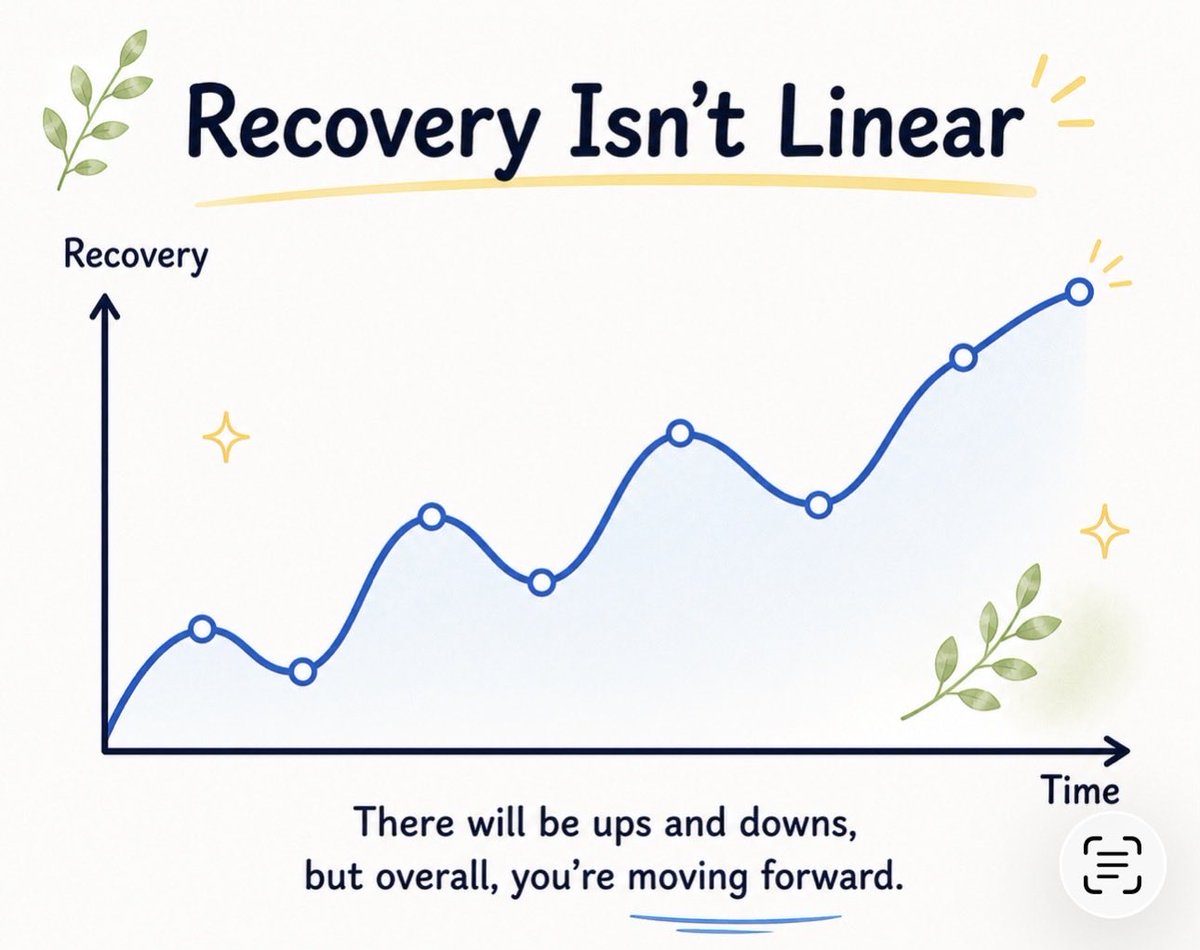
OCD recovery did not feel like a straight line to me.
I got a little better, then dipped again.
Weather, air pressure, people’s words, and things I saw could all shake me.
But looking back, I was moving upward overall.
A setback did not mean it was over.
When I had severe OCD with depression, one word from someone could feel like ten.
A small comment could make me anxious or angry.
At times like that, letting it out instead of holding it in can sometimes help.
Even complaints can have a catharsis effect and bring some relief.
I used to think about this every day:
At what point can I say I’ve recovered from OCD?
Where is the line?
But as I recovered, unwanted thoughts came less often.
Even when old fears came back, the anxiety was weaker.
Little by little, I became okay.
This happened to me.
If I could speak to myself at my worst, I don’t think I’d say, “You’ll recover.”
I probably wouldn’t believe it.
I would say this:
It’s okay to feel lost.
It’s okay to be overwhelmed.
But keep going with food and nutrition.
Don’t let go of that one thing.
I’m Japanese.
In Japan, I saw many people with mental health struggles improve through food, nutrition, and the body.
I was one of them.
My severe OCD no longer controls my life.
I want to share this perspective from Japan, because it may help someone.
I was tossed around by claims like:
“This works.”
“No, this is the real answer.”
When my OCD was severe, I was desperate for anything that might help.
So I care less about what is popular, and more about what helped people.
I want to share carefully, hoping it helps someone.
Have you ever felt abandoned by a doctor? I have.
When my OCD was severe, I kept calling for reassurance.
Then he said, “Please don’t call anymore. You should go to another hospital.”
I was broken.
But today, my symptoms are gone.
Recovery was possible.
When my OCD was severe, people told me:
“Just change your thinking.”
“You worry too much.”
It hurt.
If I could, I already would have.
That’s why I don’t give willpower advice to people who are suffering.
First, I try to understand the pain.