We are an Ethereum Layer 2 that simplifies blockchain interactions, making it easy to focus on building, growing, & discovering what’s next
#DiscoverPossible
1/5 Attention LL Community: A new star just lit up the LightLink universe
We're proud to announce Stella, our first chain-abstracted wallet, is now live in early access!
After a year behind closed doors, it’s ready for VIP explorers
Today, the first constellation opens ✨
Blocks on LightLink land every 0.5 seconds
Once a tx is in a block it has "soft finality": its order and result are set, as long as the sequencer stays honest
Then the data goes to @celestia and the chain settles to Ethereum
For apps, that means no long "pending" state 🤠
6/6 When the quota runs out, the app picks:
→ top it up
→ or let users pay normal gas again
Try it on Pegasus Testnet with the self-serve whitelisting tool, or talk to us on Discord for Mainnet 👇
https://t.co/womioHrQbI
1/6 "Gasless" gets thrown around a lot
On LightLink it's a specific mechanism, built into the protocol
Here's what actually happens when an app turns on Enterprise Mode 👇
5/6 So where does the gas go?
The app prepays its quota in stablecoins, ETH or $LL
That's converted to the native token to pay the nodes, so the chain still runs like a normal Ethereum-based chain
The cost just moves from the user to the app
LightLink already builds around this idea with 500 ms blocks and Enterprise Mode, which lets apps offer gasless transactions
The next leap isn't just making LightLink faster
It is making the blockchain feel lightning-fast while LightLink handles the speed underneath
https://t.co/QZvcMULHyj
The fastest blockchain can still feel slow
For us, speed is measured in TPS and finality time
For users, it is the time between pressing a button and seeing the result
To become truly fast for both users and devs, chains must optimize everything, not just benchmarks 🧵
And to process more txs per second, devs can implement parallel tx processing, doubling or tripling the number of transactions that can be completed in the same amount of time
Sadly, simply increasing block size or decreasing block creation time affects security, so we should be creative
Weekly stats for LightLink Mainnet Network:
- 231M blocks in total
- 94M completed transactions
- 1.4M txs processed in month
- 0.5 second tx completion time
AI agents can vastly improve blockchains that treat transactions in a right way
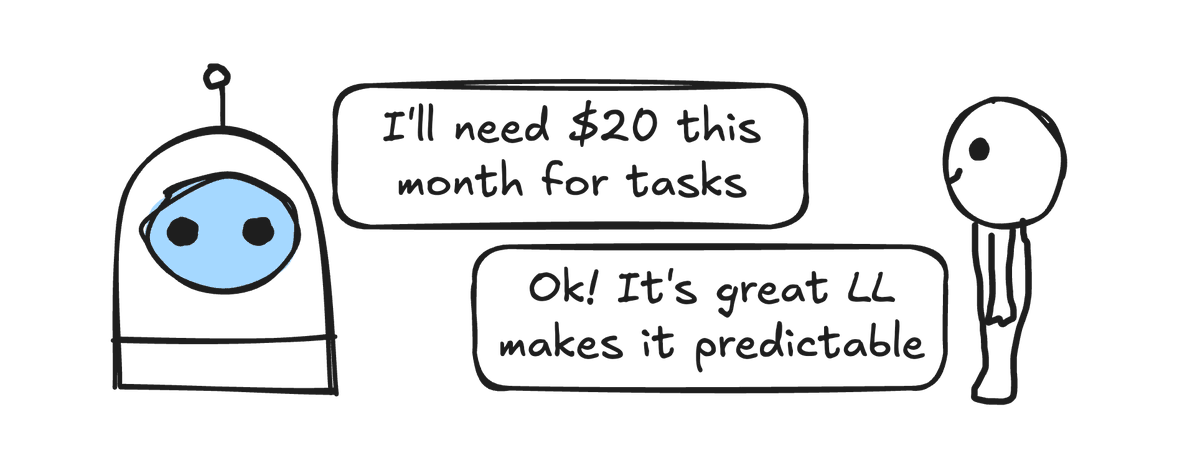
LightLink is one of those with EVM compatibility, predictable business costs and gasless execution for users and agents
If AI Web3 is the future, LightLink is built for how it should work
https://t.co/XFyAVOJ5yr
AI agents on blockchains won't be a thing on blockchains that charge them for every action
An agent may need to quote, approve, swap and settle several times in one task
Spending both tokens and gas would make them useless for regular users, so why not get rid of gas? 🧵
Gasless transactions change blockchain from a toll road into usable infrastructure
Devs can estimate costs before deploying agents, while agents can operate continuously without a slightest overspending
That is much closer to how autonomous software already uses cloud services