@HelpAtGeorge appalling customer service!Placed an order 18/6,no communication since & order not arrived.Phoned customer service 25/7 for a refund as order never https://t.co/QUbgj17F2Q had to call again as still no communication or refund.Apparently they’ll call me back in 2days
I know this is long, but I urge everyone to read this post in full.
I’m reaching out to you because we urgently call upon your help to urge the Prime Minister and the Health Minister of the United Kingdom to introduce Lyla’s Law — a policy that mandates testing for Type 1 Diabetes in babies, toddlers, children and adolescents as a routine part of medical assessments at the point of care, when displaying any symptoms of the 4 T's (Toileting, Thirst, Tiredness and Thinning).
Why We are Campaigning for Lyla’s Law:
Our daughter, Lyla Story, was just two years old — bright, caring, sharing, full of life, counting into her twenties, bouncing on her trampoline, and dancing every day.
On May 3rd, 2025, she tragically passed away in her sleep — less than 16 hours after being seen by a GP.
The morning before, she had been taken to the doctor by my wife (Lyla’s Mother) and my mother (her grandmother), and they advised the GP of several worrying symptoms:
· More wet nappies.
· Lethargy and extreme tiredness (she fell asleep during the appointment).
· Loss of appetite but drinking lots of fluids and she was even asking for water.
· Vomiting multiple times (including at the surgery and my mother pointing out that it was the third time that morning), which was uncharacteristic for Lyla.
· A large bowel movement 3 nights before her appointment and none since.
· Uncharacteristic quietness (she stopped talking) and lack of energy.
· Weight loss overnight.
Despite these concerning signs, the GP diagnosed her with Tonsillitis, prescribing antibiotics, and to keep giving Lyla Children’s Paracetamol. The GP advised my wife to monitor her and seek further care only if she did not improve in 24 hours.
Lyla passed away within 16 hours in her sleep next to my wife.
The cause of death was undiagnosed Type 1 Diabetes, which led to Acute Diabetic Ketoacidosis (DKA) and a gastrointestinal bleed. Lyla did not display any signs of Diabetes in the weeks leading up to her death, however, the GP did not detect that Lyla also had COVID 19, which accelerated her Diabetes symptoms rapidly, causing her immune system to break down quicker.
Young children are often unable to express or describe their symptoms. It is therefore crucial that General Practitioners take the time to thoroughly assess all presenting signs and symptoms, leaving no room for assumptions.
Had her symptoms been more thoroughly investigated — even a simple urine test could have revealed dangerously elevated levels of ketones. A timely diagnosis would have resulted in an urgent referral, as required by NICE Guideline NG18, and Lyla would be alive today, managing her condition safely.
When hospital staff performed blood tests while trying to resuscitate her, Lyla’s HbA1c level was 89 — more than double the normal range (42–43). Her ketone level was 6 — double the threshold of medical danger.
Our daughter was failed by a system that too often overlooks the signs of Type 1 Diabetes in very young children.
This is far from an isolated incident. Children are still being misdiagnosed, sent home, and tragically losing their lives, all due to the lack of simple routine diabetes testing during GP visits. Lyla's condition went undetected, even though her symptoms were far more severe than those of tonsillitis. If simple tests like a urine dip and finger prick had been mandatory for any signs of the "Four T’s" (Toileting, Thirst, Tiredness, and Thinning), and if NICE Guidelines NG18 had been properly followed, she and so many others might still be with us. Instead, we find ourselves visiting her grave, trying to stay strong for our four-year-old son.
So far, I have received over 200 emails from brave parents of children diagnosed with Type 1 Diabetes. Only two families have stated that their child was diagnosed at the initial point of contact with their GP, the rest have been admitted to hospital in DKA stage and near death.
Lyla’s Law would ensure:
· Routine Type 1 Diabetes testing (urine and/or blood) in babies, toddlers, children, and adolescents during medical consultations, particularly where symptoms warrant it.
· Greater awareness and adherence to existing NICE guidelines among healthcare providers.
· The protection of vulnerable children who cannot speak for themselves.
We also believe that Type 1 Diabetes information should at least be in the "Red Book" for babies, Health Visitors need to give advice around the four "T's", Education is needed in primary health settings, and testing for antibodies is desperately needed, so the NHS can pick up those at higher risk and have surveillance on them, preventing serious cases like Lyla's from ever occurring again.
Our Local Authority have unanimously passed a motion to write to the Prime Minister and the Health Secretary urging this law to be passed at a Full Council Meeting. They have sent a global email to all staff, fully supporting the campaign with a link to the petition. We please urge you to do the same. This is not about political persuasion. It is about much needed change and education in primary care settings.
Help us make sure no more children are lost due to missed or delayed diagnosis of Type 1 Diabetes. Let Lyla’s name stand for change.
Our daughter deserved better. If her story can save even one life, then her legacy will live on.
A link to the petition to make change, and save the lives of children is here: https://t.co/IhwEYzRQtj
https://t.co/1HQNv6BtwH
@charliersmith1 You look wonderful! But it’s more important how YOU feel. Don’t take any notice of anyone’s opinion that you wouldn’t ask for advice.
Keep being you, keep smiling x
HISTORY
This time capsule was buried on 11/5/1991 to mark the 100 year anniversary of Frederick Banting's birth. It's located at Banting House National Historic Site of Canada in London, Ontario. It is to be opened when the cure for diabetes is discovered. #T1D
-Waymarking.com
COOL DIABETES DATE! 📅
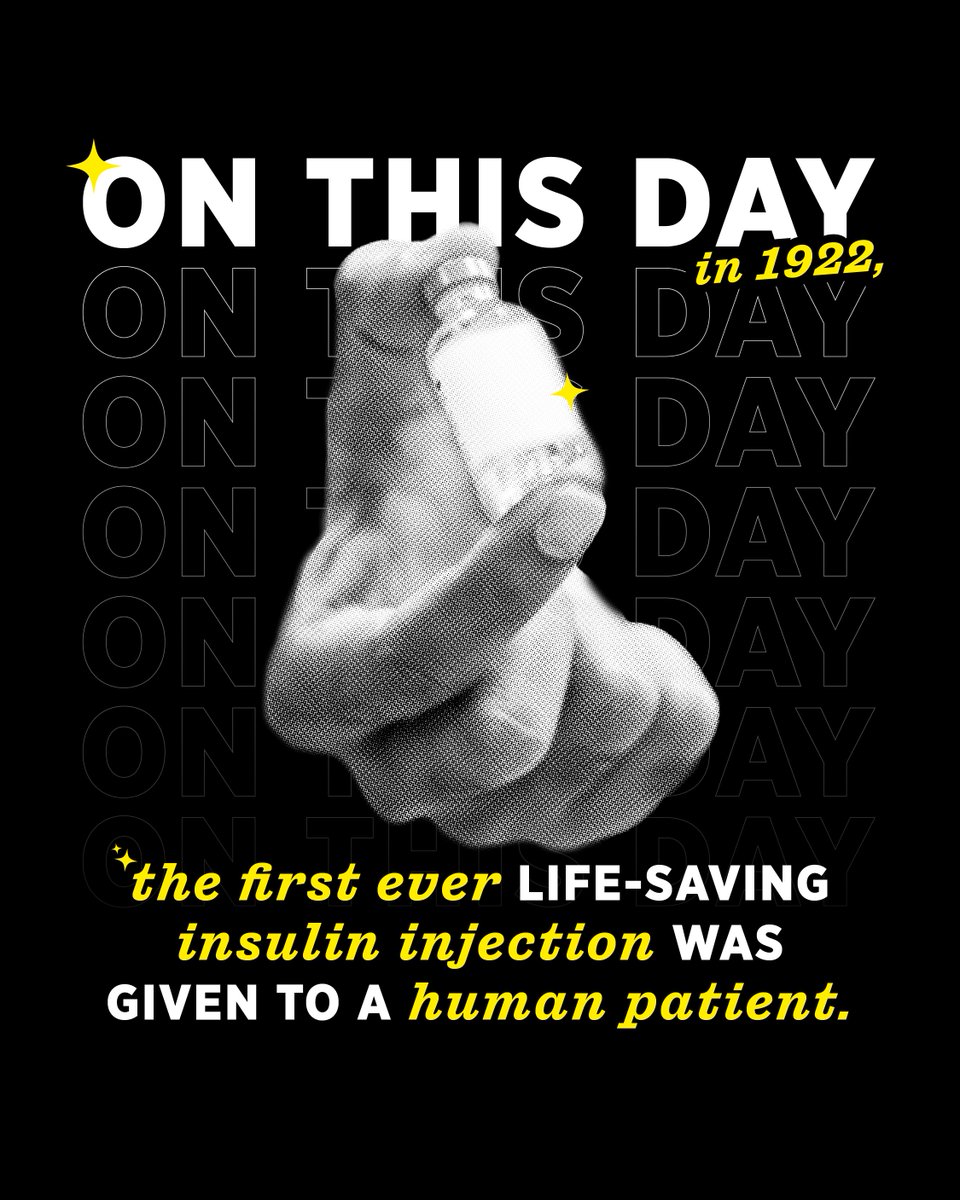
On this day in 1922, the first-ever insulin injection was given to a human patient. 💉
In January 1922, a young Canadian patient named Leonard Thompson was 14-years-old, 65 pounds, and dying when he received the first famous doses. Despite having an allergic reaction to the dog-insulin, he regained his strength quickly.
Yay science!!!
Burnley fans I need your help with something. My amazing wife Abby, mother of Amelia 4 and George 1 from Barrowford and season ticket holder for the majority of her life has been diagnosed with a grade 4 brain tumor. We’re currently fundraising to help her gain access to specialist treatment in Germany. The reaction so far has been spectacular as those that know her know what amazing person/mother she is.
If you could please share this post and Abbys story, and if possible donate we would be eternally grateful.
https://t.co/cD2CxNcist
#twitterclarets
In 1922, a group of scientists went to the Toronto General Hospital where diabetic children were kept in wards, often 50 or more at a time. Most of them were comatose and dying from diabetic ketoacidosis. Others were being treated by being placed on an extremely strict diet, which inevitably led to starvation.
These children were essentially in their death beds, awaiting what was at that time, certain death. The scientists moved swiftly and proceeded to inject the children with a new purified extract of insulin.
As they began to inject the last comatose child, the first one to be injected began to wake up. Then one by one, all the children awoke from their diabetic comas. A room that was full of death and gloom, suddenly became a place of joy and hope.
In the early 1920s, Frederick Banting and Charles Best discovered insulin under John Macleod at the University of Toronto. With the help of James Collip, insulin was purified, making it available to successfully treat diabetes. Both Banting and Macleod earned Nobel Prizes for their work in 1923.
In the same year, Banting, Collip, and Best decided to sell the insulin patent to the University of Toronto for $1.
Banting famously went on to say, "Insulin does not belong to me, it belongs to the world."
It's the start of #HypoAwarenessWeek!
Today we want to raise awareness about what a hypo is and how long recovery can sometimes take. This is especially important for those supporting young people in schools.
💙Please do share to help raise awareness! 💙
🔗https://t.co/4eKzPVcDvE
#ClinicallyApproved #CommunityLed #DiabetesInSchool #Type1diabetes #T1d #t1dlookslikeme #DigiBete
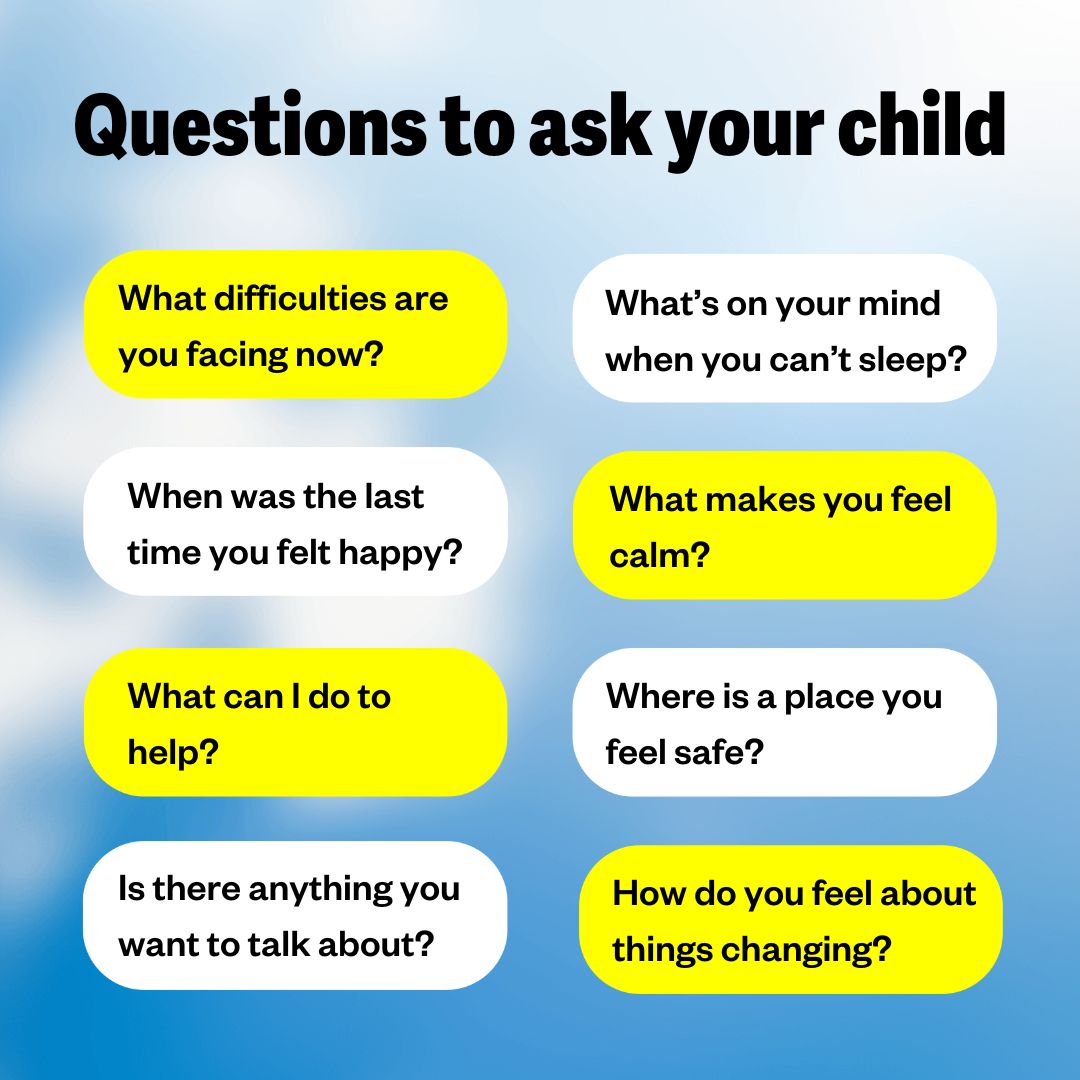
There is no better time to start a conversation with your child about mental health. Here are some questions you can ask to get the conversation going. #MentalHealthAwarenessWeek
@charliersmith1@parkrunUK Sorry to hear you’ve struggling but it’s really made me smile seeing your face when I logged on today ☺️ well done for the run, hope you’re enjoying the rest of your weekend xx