“There is no peace for the man who has seen what he could become.”
- Epictetus
Epictetus (c. 50–135 CE) was an ancient Greek Stoic philosopher who taught that true freedom comes from mastering your own mind, choices, and reactions rather than trying to control the world around you.
Born into slavery, he eventually became one of the most influential thinkers of Stoicism. His teachings centered on the distinction between what is within our control and what is not. Our judgments, choices, desires, and actions belong to us, while other people’s opinions, wealth, reputation, and external events remain outside our control.
His philosophy was deeply practical rather than purely theoretical. Epictetus believed that difficulties should not simply be endured but used as opportunities to develop courage, patience, discipline, and wisdom. For him, the way we respond to life matters far more than the circumstances we cannot change.
We Keep Hearing The Canadian Economy Is Strong: Clearly A Bunch Of Ordinary Canadians Aren't Feeling The Stength
A retail loan isn't a mortgage, it's everything from a car loan to a personal line of credit
And this ain't looking good
The trend is not your friend here
A new structural buyer has emerged in the gold market.
Since 2024:
- Tether: 73.6t
- China: 49t
Tether has purchased more gold than China officially and now holds more gold than Australia, the world's third-largest gold producer.
We've never had a gold bull market with a structural bid like this.
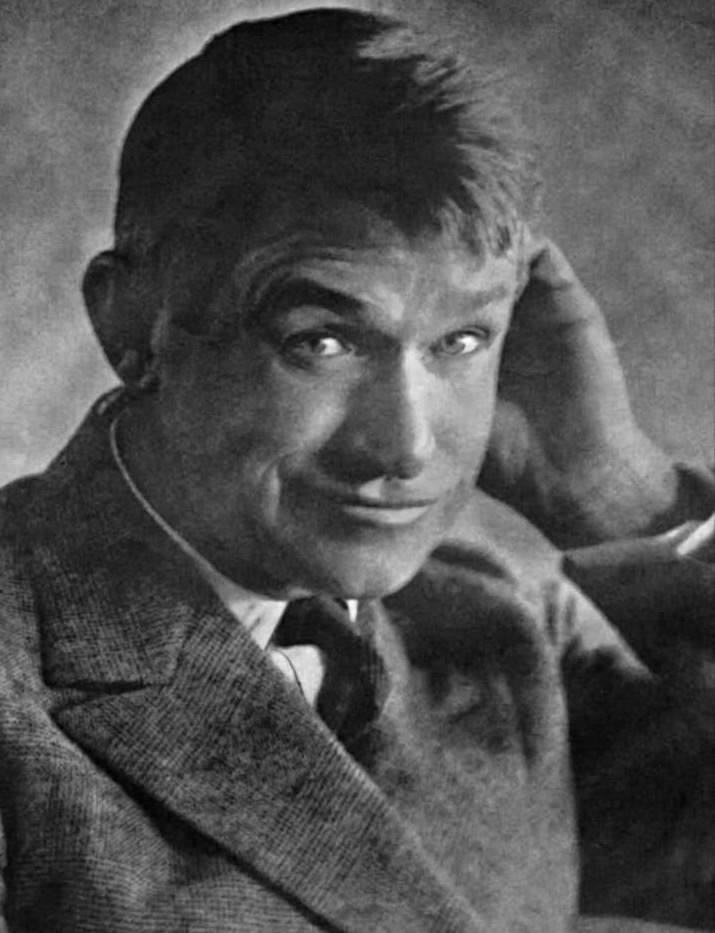
“Ten men in our country could buy the whole world and ten million can't buy enough to eat.”
- Will Rogers
This quote dates to August 16, 1931, when the United States was struggling through the depths of the Great Depression.
Will Rogers wrote: “No Country ever had more, and no Country ever had less. Ten men in our Country could buy the World, and ten million can’t buy enough to eat.”
Rogers was one of America’s most popular humorists and political commentators. By 1931, the economic crisis that began in 1929 had brought widespread unemployment and hardship, despite the country’s enormous agricultural and industrial capacity.
Rogers repeatedly drew attention to this contradiction: America could produce vast quantities of food and goods, yet millions of people lacked the money to afford even basic necessities.
As the Depression continued, Rogers increasingly focused his commentary on unemployment and economic inequality. He argued that Americans willing to work should have the opportunity to do so and receive a fairer share of the wealth their labor helped create.
@TOzgokmen We won't be there until later in September. Still need to secure our visas. Relieved it was a bit quieter lately but not the case now...
We will be all over the country, not just Baku. Travelling with some Americans...