A really interesting thread. I do think that with the teaching of phonics being mandated in Australia (Vic) that many students are reading less texts.
There definitely some misunderstanding out there that phonics is the reading part done. ✅
A short substack I wrote on the misunderstanding and ill-placed judgment on explicit instruction from those that are actually doing something else entirely - explicit destruction.
https://t.co/H3RvsYKUox
When it comes to implementing evidence-informed practice, I'm often asked, "Where should we start?" For me, the prerequisite to leading any sort of school improvement journey is ensuring we have calm, focused classrooms first. Get this right and then the learning can start to happen (for both students and teachers)!
Listen to the full episode here or wherever you listen to your podcasts from 👇
https://t.co/qRANcNiIx1
Does anyone else feel torn when people pit explicit instruction against discovery learning? 🙋♂️
On one hand, I know the research: novices need guidance. "Minimal guidance" usually leads to frustration. On the other hand... as a teacher, there is nothing better than seeing a student have a genuine "Aha!" moment where they connect the dots themselves.
For years, I've felt frustrated at feeling like I had to pick a side. Learning about the Instructional Hierarchy has been great at explaining how it's all about when and how. But recently, I’ve been diving into the world of Contingency Adduction and it has really started to provide some precise answers for me.
It’s a framework that shows how we can engineer discovery. We don't leave it to chance. We build the tool skills to such a high level of fluency that the "discovery" becomes inevitable.
It’s about designing for the "Aha!", not the "Huh?".
I wrote a piece explaining how this works (and why most discovery lessons fail because they skip the fluency step).
Check it out here: https://t.co/zH79qGREH3
You might find this interesting
@brian_poncy@msrebeccabirch@jettybe3@StamStam193@nsachdeva2019@teacherhead@Emma_Turner75
👏🏻👏🏻👏🏻 “A well-designed classroom… reduces distraction, supports behaviour, and helps students focus on what matters most. Learning and belonging.”
James Dobson
It's that time of year here in Aus:
Teachers are setting up their classrooms for 2026.
Our classrooms shape attention, behaviour and belonging.
I use 6 principles:
Flow-Low-Grow-Rows-Show-Glow
Read my post- it includes my mistakes and a practical setup checklist.
🔗in reply
Day 5 of 26 recommendations for 2026
AMTOC
Accessible, practical & FREE maths professional learning
Designed for real classrooms
Sign up today and Access from 19th Jan
30 presenters including me!
https://t.co/fENuXU93bG
#26for2026#ScienceOfLearning#ArtOfTeaching
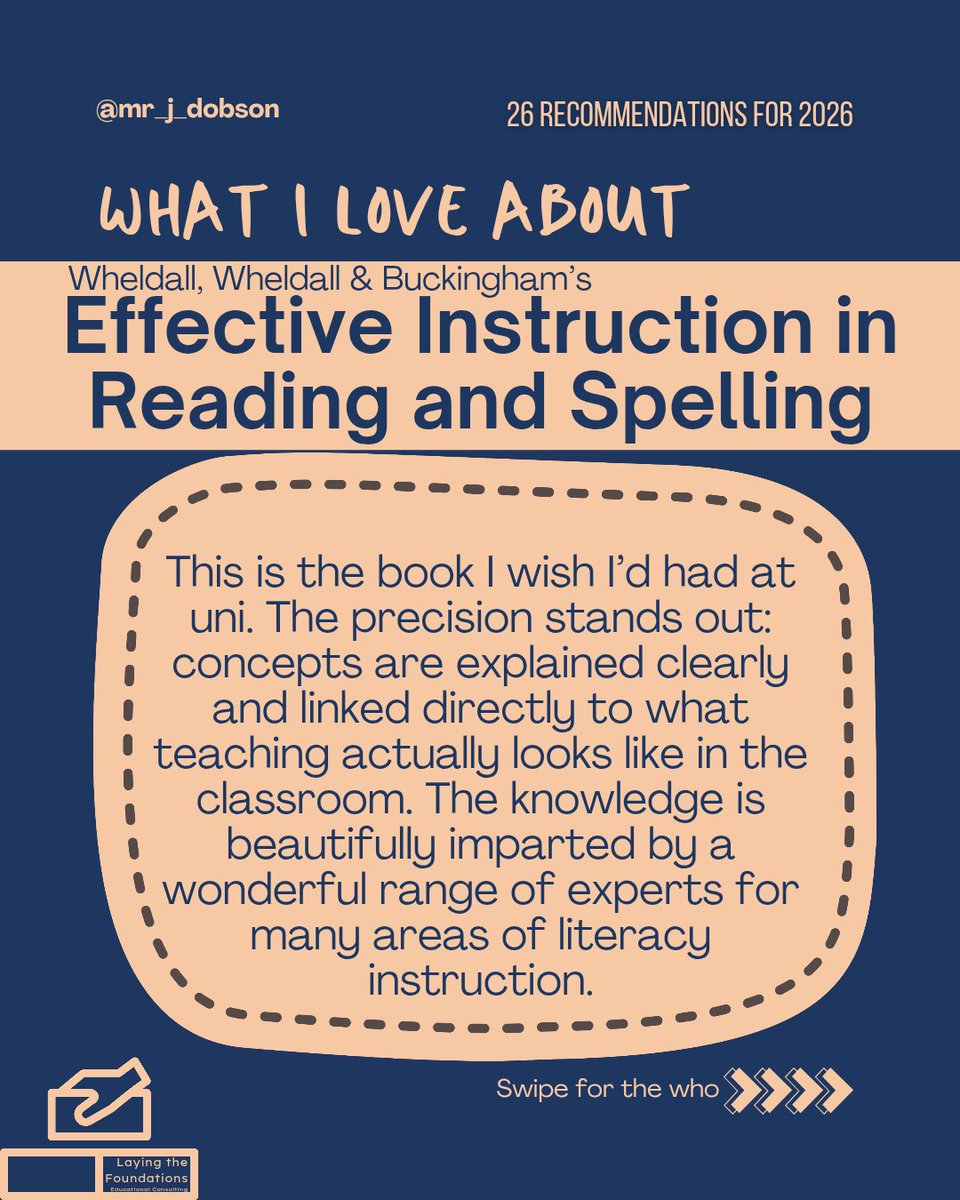
Day 12 of #26for2026
Effective Instruction in Reading and Spelling
Clear guidance 🎯
Evidence-based 📑
Focused on what really works in literacy instruction 🔬
#ScienceOfLearning#ArtOfTeaching
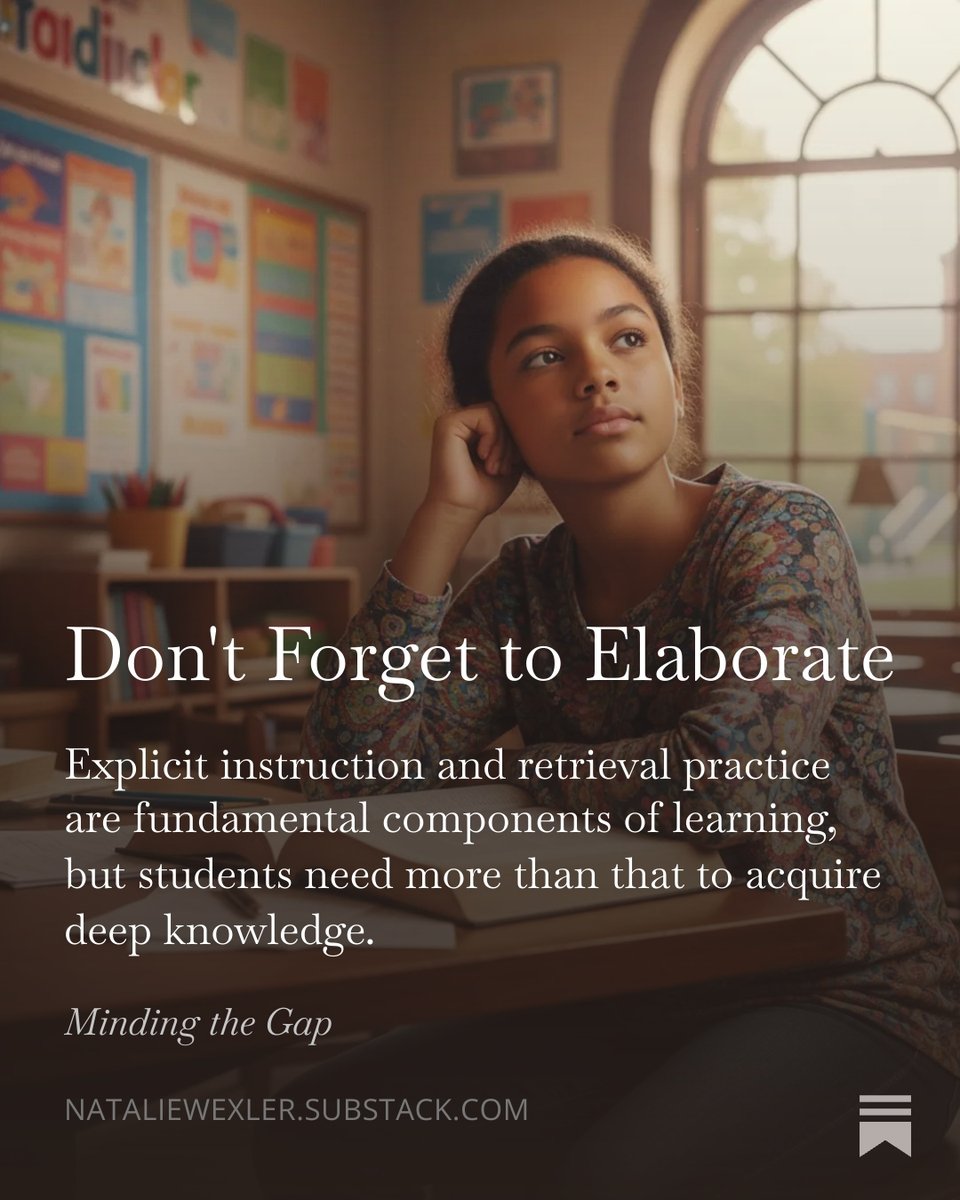
As cognitive science begins to catch on with educators around the world, is something important being overlooked?
Explicit teaching & retrieval practice are crucial, but they're not enough to ensure deep understanding.
More in my new post:
https://t.co/sXqb1FUiSc
Recently, I modelled a number of lessons to Melbourne Archdiocese Catholic Schools with a focus on how teachers can make the most of @OchreEducation's resources.
One of the key ideas I wanted to highlight was that using slides doesn’t mean teaching robotically & how we can still teach responsively and adjusting in the moment based on what students need.
A tool that really resonated with teachers was the document camera. It’s such a powerful way to bridge the gap between abstract and concrete representations. You can model exactly what students need to do, while making sure every student can see the process, not just the few sitting close by.
I also love using PowerPoint’s “Insert Cameo” feature. It means you don’t need to leave your slides & you can seamlessly demonstrate Example–Problem Pairs while staying connected to your class.
Small tweaks like these can make our teaching both clearer and more responsive, even when slides are part of the lesson.
I just dropped 6 free morphology workbooks on Teaching by Science.
https://t.co/VCsmOZUNMe
Check them out and let me know what you think! I will be doing updates, so your feedback will help me improve them over time!
@Beanie0597 Thanks for sharing your own story. We don’t often think about students at risk of trauma WITHIN the classroom but definitely possible with those ticking time-bombs. Whole-school implementation of discipline policies and practices are key. Great blog.
@BenisonMrs I really love this scaffolded spelling routine. I wouldn’t insist on every step though, if the student can already segment the sounds, but I do understand this was only a demo. Thanks Dr Tiffany Peltier. Thanks for sharing @BenisonMrs
Calling all teachers in Australian schools.
Do you work in an Australian school?
Are you teaching any students with intellectual disabilities?
If so, please consider completing our survey.
https://t.co/NntU1bwxoC
@PamelaSnow2@tserry2504