My wife and I were going through some old boxes this weekend, and it hit me how much of our family history is missing because of a very common mistake.
My mother in-law was a wonderful woman, but she absolutely hated being in front of a camera. She was self-conscious about her weight, her hair, whatever it was, she made sure she was always the one taking the photo, never the one in it.
She passed away unexpectedly a few years ago.
When my wife and her siblings sat down to put together a memorial slideshow, it was heartbreaking. They combed through forty years of albums and only found three clear photos of her. Two were side profiles from across a room, and one was blurry.
The only "good" head-on photo my wife has of her mother is her old driver's license. She carries it in her wallet just so she can see her mom's face.
I’m sharing this because I know a lot of us, especially as we get older, start avoiding the camera. We don’t like the gray hair, the extra weight, or the wrinkles.
But here’s the truth: Your children don't see your flaws, They don't see "ugly" or "old."
They see their mother, They see their father, They see the person who was their entire world.
When you’re gone, they aren't going to care if your hair was perfect or if you lost those ten pounds. They are going to be desperate just to see your smile one more time, They're going to want to show your grandkids who you were.
Don't rob them of those memories because of your own insecurities.
Get in the photo, Hold your kids, Smile for the camera, Give them a way to look at you again when you’re no longer there to hold them.
Legacy is more than what you leave in a will, It’s the moments you allow to be captured.
I lost my mother a year and a half ago and grief taught me something I wasn't expecting.
Here's the Stoic technique that turned it into gratitude (from Letting Go by David R. Hawkins):
All grief comes from attachment combined with the refusal to accept that everything is temporary.
The more you depend on external things and people to feel whole, the more vulnerable you become to losing them.
The Stoics had a practice for this called negative visualization (the primary other name for the Stoic practice of negative visualization is ''premeditatio malorum'', a Latin phrase translating to "the premeditation of evils" or "pre-studying a bad future")
In any moment, hugging someone you love or drinking a glass of water, imagine this is the last time you ever do it (the goal is to wake up to what you already have before it’s gone).
Because there will be a last time and it won't announce itself.
I lost my mother a year and a half ago.
There was a moment where I hugged her for the final time without knowing it.
Sitting with that reality is one of the most powerful ways to activate genuine gratitude – gratitude that clears the mental clutter and puts you in a state where you can actually move forward.
The book draws a line between the smaller self and the higher self:
The ego is the illusion of separateness.
Although this illusion can be useful at times, it distorts the underlying reality that everything is interconnected.
Marcus Aurelius believed we are hardwired for service and connection & that living in that truth is where real fulfillment comes from.
Here's the paradox that changed how I show up in relationships:
Chasing love makes it harder to find. Your vibe attracts your tribe.
I used to highlight my strengths, hide my weaknesses, and perform but it never worked.
When I committed to showing up in radical truth I stopped dating entirely for over 2.5 years and met my wife 8 to 9 months after I started again – we built something real from the very first conversation.
The energy you put into yourself is what gets reflected back to you by the world.
The choice to live from love shapes everything – your relationships, your character, and the legacy you leave behind.
I love you, mom.
Thanks for all the wisdom you shared with me that I was too naive to understand.
You gave me many lessons that continue to unfold even unto this day.
Thank you for giving me a love for wisdom, and an ambition to learn to love wisely.
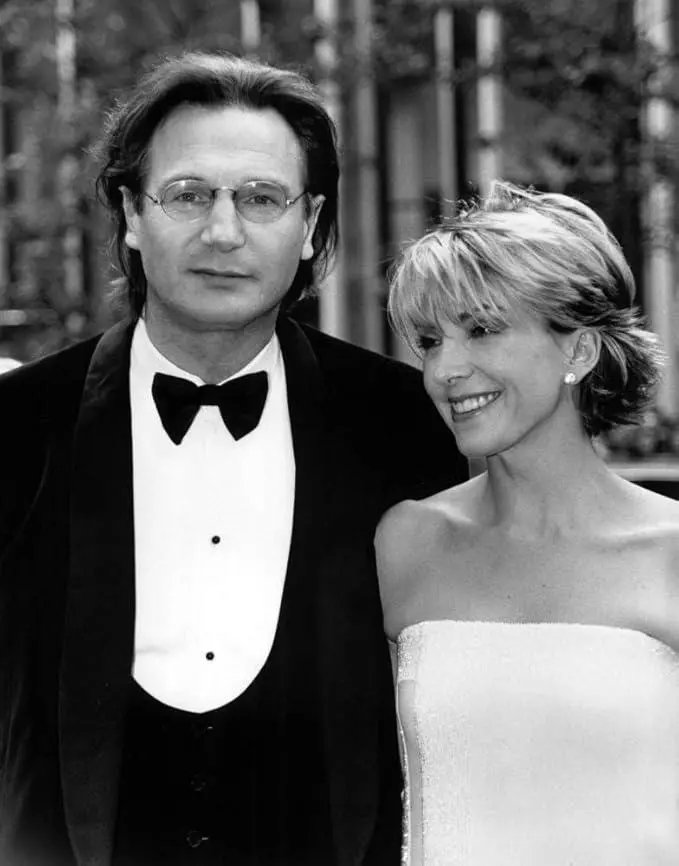
Dijo una vez Liam Neeson sobre la pérdida de su esposa Natasha Richardson: «Dicen que lo más difícil del mundo es perder a alguien que amas. Alguien con quien has envejecido, a quien has visto crecer día tras día. Alguien que te enseñó a amar. Es la peor cosa que le puede pasar a cualquiera. Mi esposa murió de forma inesperada. Me dio tanta alegría. Ella lo era todo para mí. Esos dieciséis años siendo su marido me enseñaron a amar sin condiciones. Debemos detenernos un momento y sentir gratitud por nuestras parejas. Porque la vida es muy corta. Pasen tiempo con su pareja. Trátenla bien. Porque un día, cuando levanten la vista del teléfono, puede que ya no esté allí. Lo que realmente he aprendido, por encima de todo, es que hay que vivir y amar cada día como si fuera el último. Porque un día, lo será. Arriesguen, vivan su vida. Digan cada día a quienes aman que los aman. No den por sentado ningún momento. La vida vale la pena vivirla.»
Doctor: "Chemo might give you 12 months. Without it? 6 months."
Dad: "I'll take the 6 months."
He didn't want to die in a hospital bed. He wanted to die in a National Park.
He bought an RV. He grabbed my mom. He hit the road.
He stopped fighting the cancer and started fighting the boredom.
6 months passed. He was hiking.
12 months passed. He was fishing.
18 months passed. The tumor had shrunk by 60%.
The doctors called it a "medical anomaly."
My dad called it "The Grand Canyon Cure."
Maybe the best chemotherapy isn't a poison. Maybe it’s just… life.
~Anonymous
Seasonal depression seems fake until it’s above 40° and sunny in February and it feels like a choir of angels is singing as you walk up to the gates of heaven
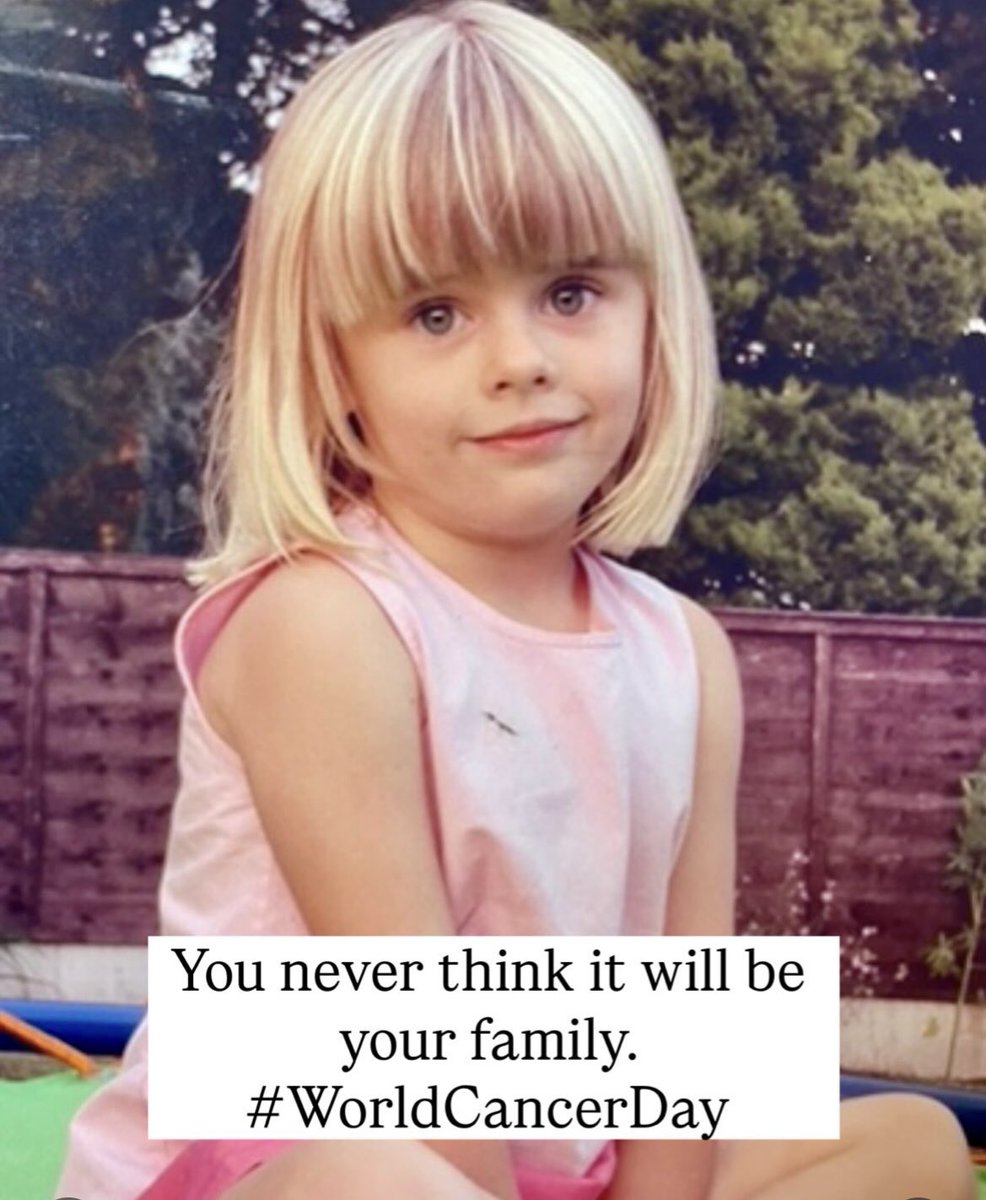
Just 12% of brain cancer patients live 5 yrs post diagnosis- light years from the 75% target in the NHS Cancer plan
We’ve seen no new treatments in 20 yrs for the cancer that kills more kids & adults <40 than any other
Let’s hope this rising tide lifts all boats
#WorldCancerDay
We walked in honor of Bill to keep awareness of @glioblastoma and the fundraising needed to cure this horrible cancer. Praying for a cure always. @glioblastomaorg#braincancer
My daughter died three days before Christmas seven years ago. She was nine years old, hit by a drunk driver walking home from her friend's house. I spent Christmas Day planning her funeral instead of watching her open presents.
I haven't celebrated Christmas since. Can't look at decorations without feeling like my chest is caving in. My husband begged me every year to put up a tree for our other kids but I couldn't. The thought of hanging ornaments and pretending to be festive while my daughter is in the ground made me sick.
Last month my son, who's sixteen now, came to me holding a box of beads. Said his sister used to make bead animals at summer camp, remembered her coming home so proud with these tiny creations. He'd kept them all this time in a shoebox under his bed. Little beaded dogs and stars and flowers she made when she was seven.
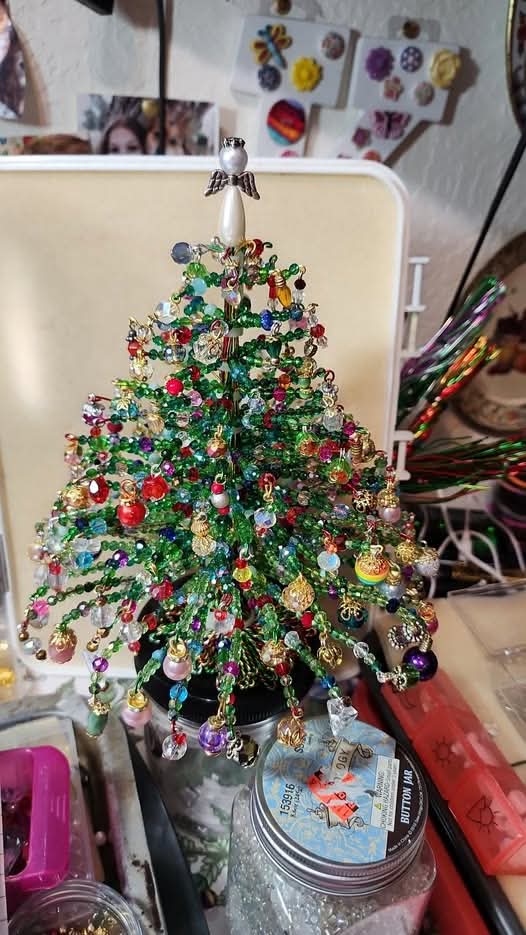
He asked if we could make something together to remember her. Said he missed having Christmas in our house, missed family traditions, but wanted it to include her somehow. So we sat at the kitchen table and started making this beaded Christmas tree using her old beads mixed with new ones.
We've been working on it every night for the past month—me, my husband, our son, our younger daughter who barely remembers her sister. Stringing thousands of tiny beads onto wire, shaping branches, adding ornaments made from crystals and charms. Some beads are from my daughter's old craft projects. Others we bought online from a maker who sells vintage beads and helped us match colors when we sent photos.
We finished it two days ago. I put it on our mantle and cried for an hour. My son held me and said, "she'd want us to have Christmas, Mom." He's right. She loved Christmas. She'd be devastated knowing we stopped celebrating because of her.
I started a small online shop last week selling kits to help other grieving parents make memorial trees. Custom bead collections in their loved one's favorite colors, wire forms, instructions for people who need something to do with their hands during holidays when grief feels unbearable. I already have twenty-three orders from parents who lost children.
This tree sits on our mantle now with a small photo of my daughter next to it. We're having Christmas this year for the first time in seven years. Not because the pain is gone but because she deserves to still be part of our celebrations even though she can't be here.
Grief doesn't end but it changes shape. Mine looks like a beaded Christmas tree now, made with my living children's hands, holding pieces of the daughter I lost. That's how we survive. We make beautiful things out of unbearable pain.
Credit - Martha Barker
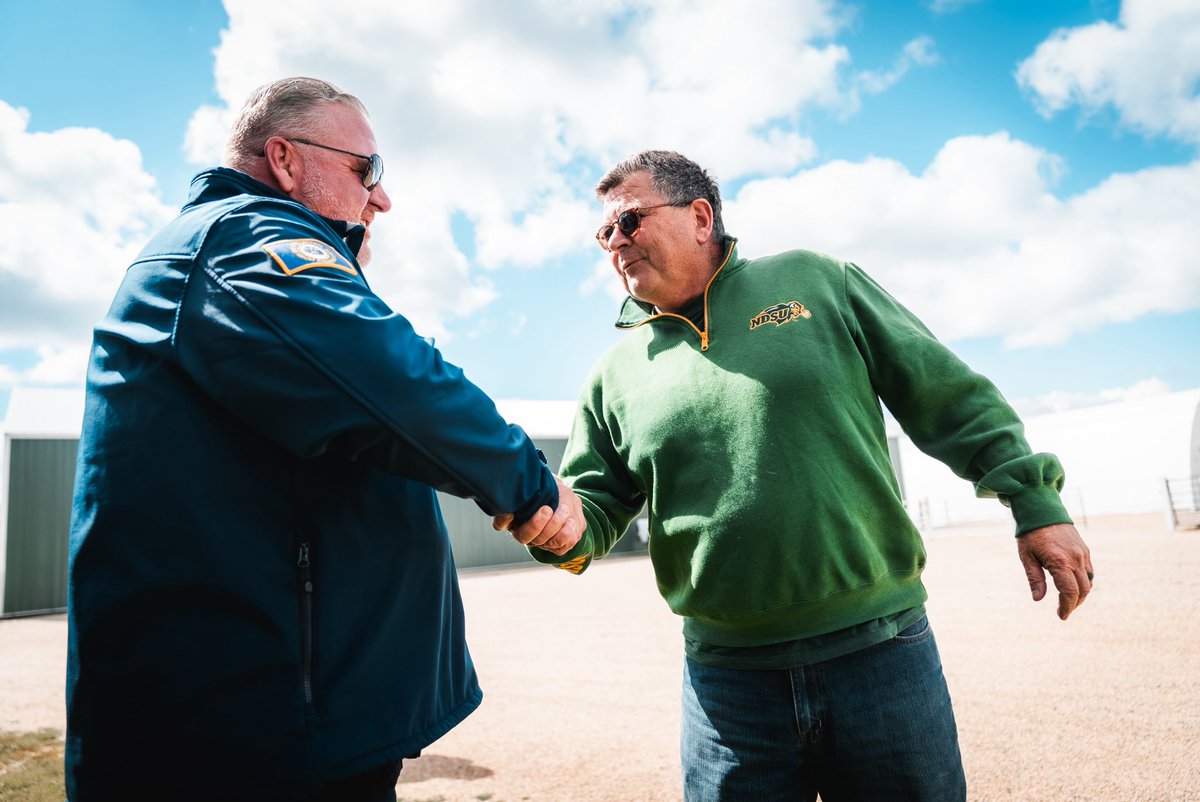
Harvest is upon us, and fall has arrived for many communities across our great state. Nothing beats the feeling of these first few crisp mornings of gorgeous fall weather.
God bless our farmers, their families, and the great Lord above!
-TD
This week I have visited with two other people affected by brain cancer. It’s becoming so common. He deserved a cure and a longer life here with us. #BrainCancer#glioma#GBM
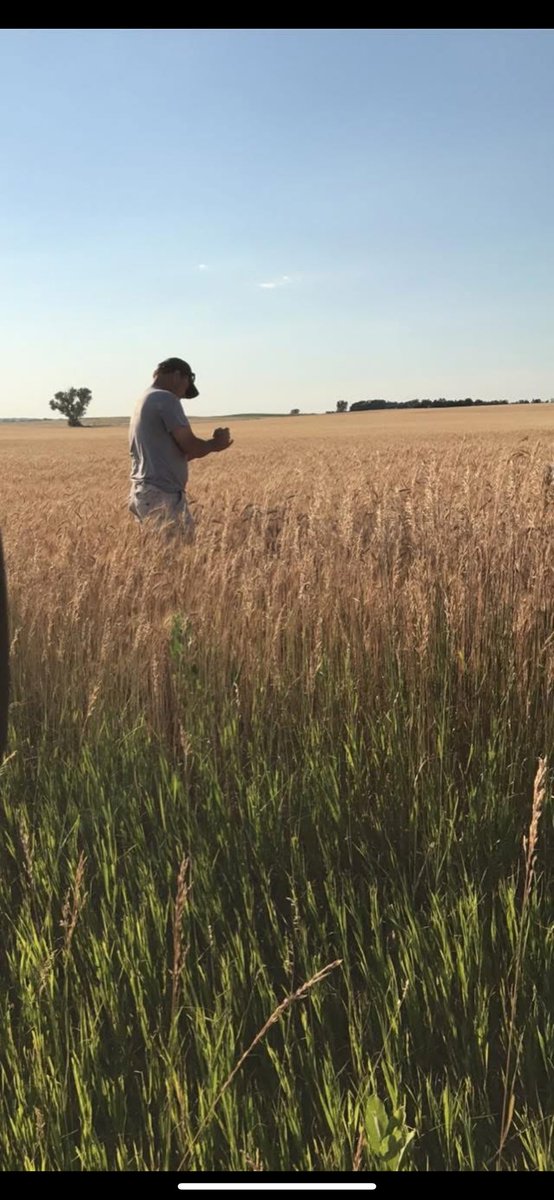
8 years ago today we went for a drive and he hopped out to check the yields. Everyday stuff, but really a wonderful memory now. I remember laughing at his goofy jokes.
So glad I took this picture of him to capture that memory.
For a year and a half, Jake, who is 86 years old, has kept the same daily routine.
Every morning, he goes to church, then meets one of his nine children for coffee.
After that, he comes home, picks a rose from his garden, and takes it to the grave of his wife, who he was married to for 65 years.
This summer, during a drought, Jake added something new to his routine: he started watering the grass around his wife's grave. One day, while watering, he saw a woman kneeling and crying.
When he spoke to her, he learned that her brother, a member of the Air Force, had passed away in 2010.
Jake decided to add one more task to his daily routine: taking care of the grave of the soldier named Joseph.
When Joseph's family came to visit, they were shocked to see the grass was green and healthy. A stranger had been taking care of their loved one's grave!
But to Jake, Joe is not a stranger. Every day, while watering the grass, he talks to Joe. What a beautiful gesture! Jake's kindness and respect go far beyond just watering the grass.
It's the kind of "old-fashioned" value that deserves a repost. ❤️