Calling all sports coaches!
Women in Sport is working with @leedsbeckett and supported by Sport England on the first national survey of its kind into the working conditions and culture of coaching – covering all sports at every level.
We need to know what is pushing so many women away from coaching. We want to hear from you.
We are asking all coaches - female and male - working at elite or grassroots, paid or voluntary and whether coaching now or in the past.
Sharing your experiences helps us understand the full picture and builds the evidence we need to create a gender balance in coaching – not only for coaches, but for the girls and boys who will be inspired by this summer of sport.
Take the survey anonymously: https://t.co/YLdjbdhfGW
🎙️ In the latest episode of the @golfinsociety podcast, 3 brilliant OT students explore how golf is redefining therapy! From boosting wellbeing to shaping the future of OT, this episode is full of insight, innovation & inspiration⛳️ #OccupationalTherapy
🎧https://t.co/7WQPLOapIR
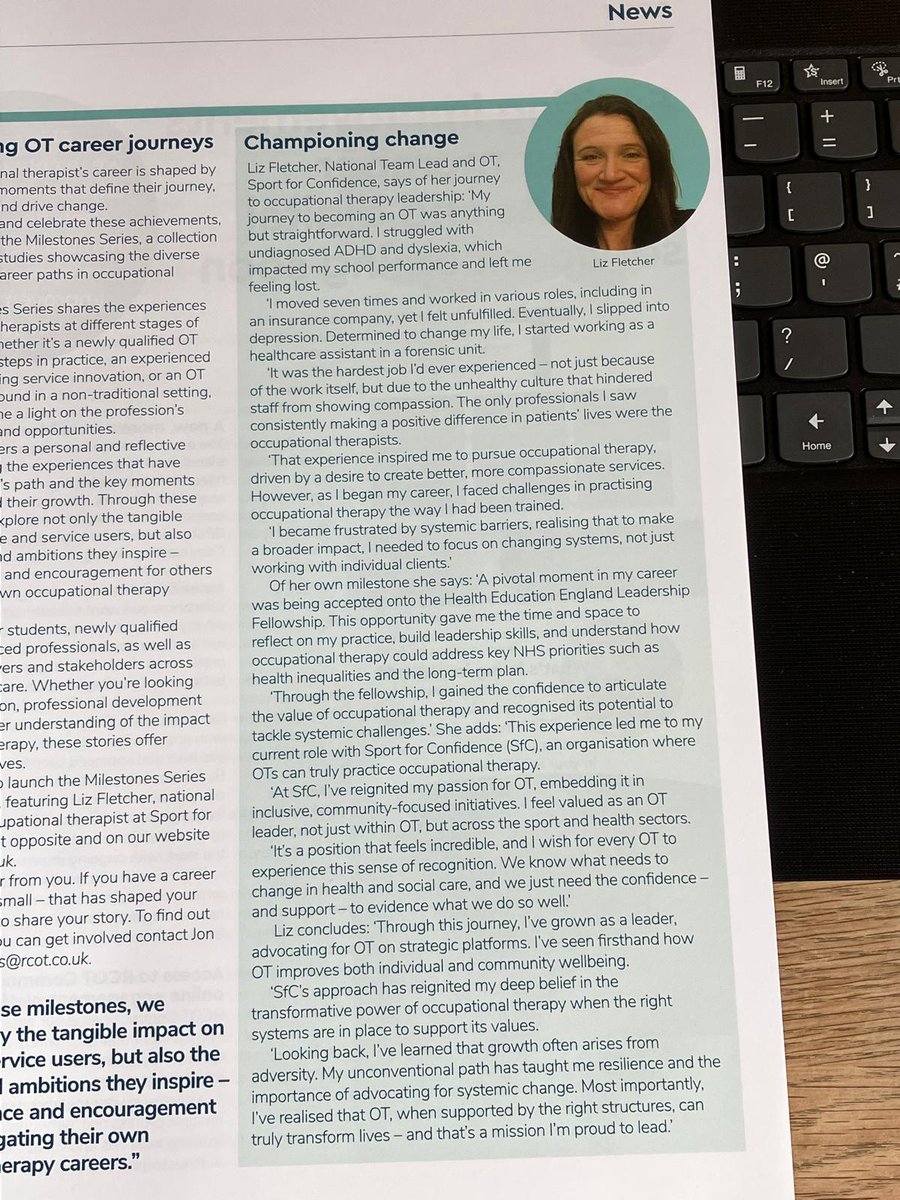
Spotted! Our own Liz Fletcher in the latest issue of #OTNews where she shares her 'unconventional' path to #OccupationalTherapy leadership & the importance of advocating for systemic change.
Read Liz's full piece - https://t.co/w16PNi7mWf
@theRCOT#OTLeadership#WomenLeaders
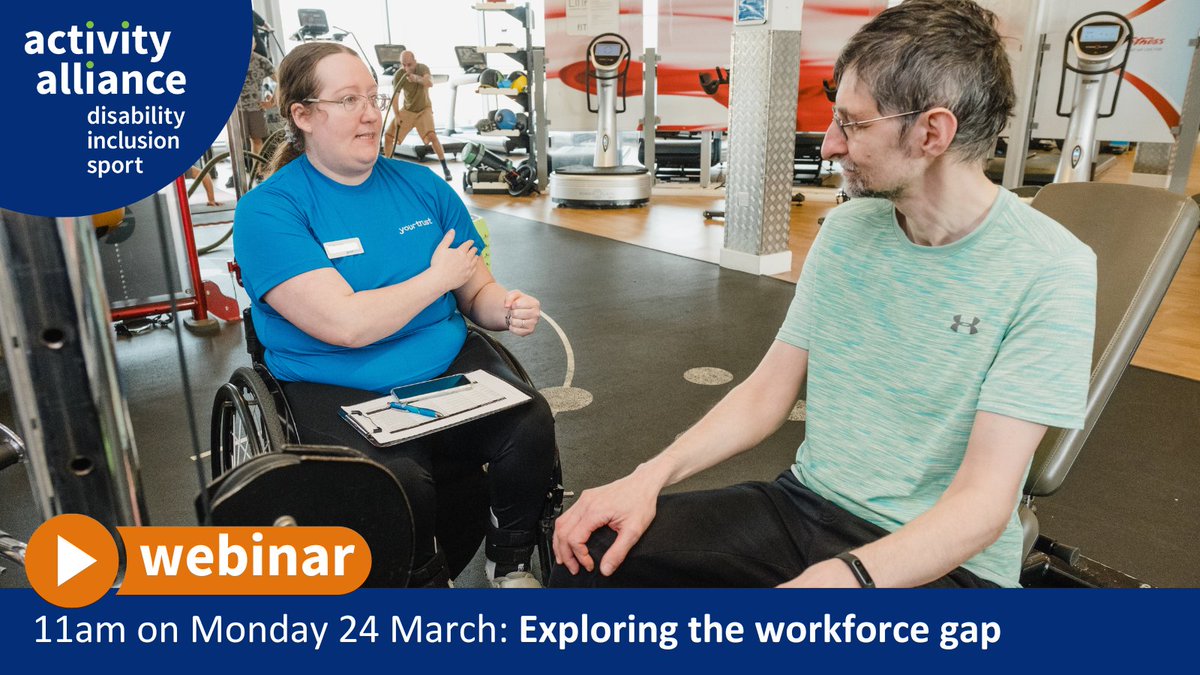
A reminder that we are hosting a free webinar at 11am on Monday with @sportforconf. We will explore the workforce gap and discuss how the physical activity sector can improve its recruitment and retention strategies.
Book your place here: https://t.co/hlsWHHb3fo
Financial wellbeing can have a significant impact on your health. 💸
In a new blog, Dave McDonald, Abbey Henshaw and Lorna Allen explore the impact of a new pilot financial wellbeing programme in Nottingham on people's financial wellbeing. 👇
https://t.co/LzLtWR3NVs
Our latest newsletter is here! 🎉
Follow the link below to find all of our latest news and updates, see what a typical day is like at one of our delivery sites, learn more about one of our amazing participants, meet our newest staff members, and lots more!
https://t.co/DrjE2dV9qh
Thinking about an NIHR Postdoctoral Award? Join our webinar to:
🔹 Learn about the award and recent changes
🔹 Get expert tips for a strong application
🔹 Ask funding committee chairs direct questions
📅28 March | ⏳ 10am - 11am | 📍 Zoom
Register now 👉https://t.co/2Jm1nBSNSN
Numerous studies have found that exercising outside has a slight edge on boosting both our physical and mental health, even when the conditions outside are less than ideal https://t.co/4jyFKt7KP6
As leaders, we create value not just from solving problems, but solving the right problems, in ways that others do not expect, to arrive at even better outcomes. These kinds of solutions don’t typically come from our everyday ways of leadership thinking. We need to apply different kinds of thinking in different situations. This article sets out four types of thinking for use beyond everyday thinking. We need to develop capability in them all to address increasingly complex leadership challenges:
1) Expert thinking
2) Critical thinking
3) Strategic thinking
4) System thinking
Every type is best done in teams, not as individuals. Collective thinking is more thorough, accurate & innovative, offering different perspectives & together, asking even better questions:
https://t.co/CiaGKrOXIG. Via @heidigrantphd.
Having effective facilitation can make a massive difference to outcomes. By enabling clear communication, structured problem-solving, and inclusive decision-making, facilitation drives performance & innovation. Bringing in highly skilled external facilitators who help us to see the big picture can be a powerful intervention but it isn't enough. Every leader should be a facilitator. Leaders who prioritize & cultivate facilitation skills often see immediate improvements in team dynamics & productivity. Facilitative leadership can create a strong foundation for sustained success.
https://t.co/OO3W4fwcqs. By Voltage Control.
Graphic by Adrian Robke.
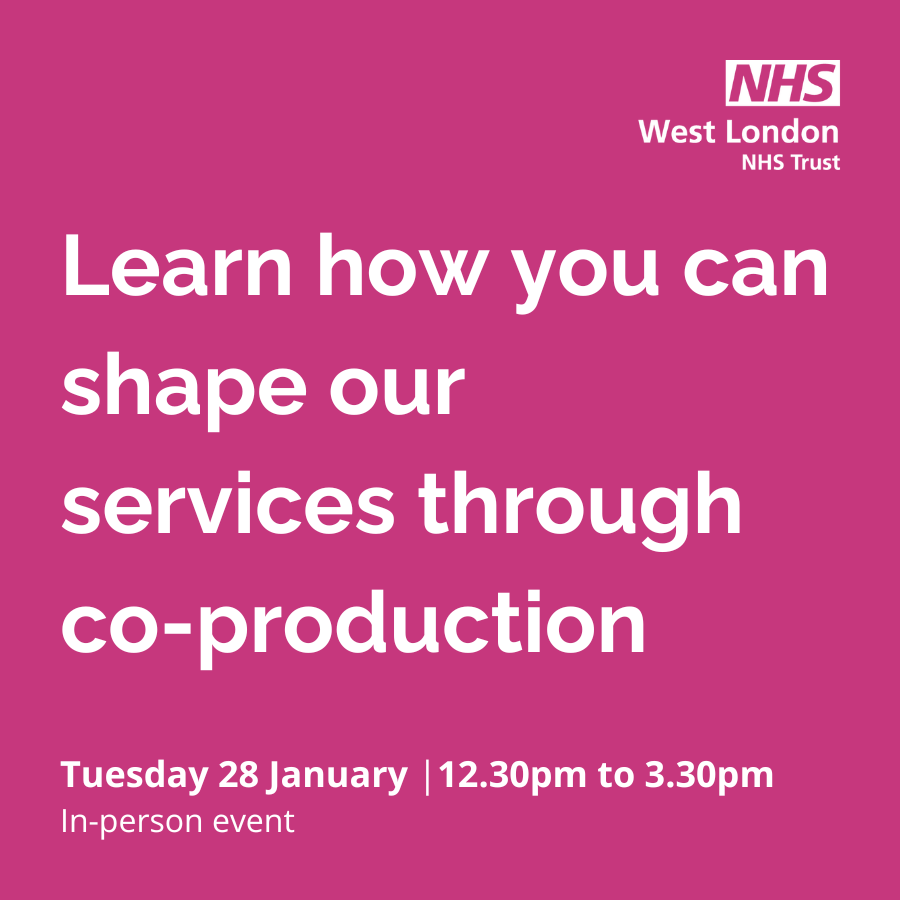
Our Introduction to Co-production training is open to Trust staff, service users, & carers. Learn, collaborate, and gain tools to make a difference.
📅 Tuesday 28 January
⏰ 12.30pm
📍Irish Cultural Centre
Hammersmith
W6 9DT
✉️ [email protected] ☎️ 07860 104223.
📢 Missed it? The Impact Report for the UK AHP Public Health Strategy 2019–2024 is now live!
Read it here: 🔗 https://t.co/e9Eo6M3YjX
#PublicHealth#AHPImpact
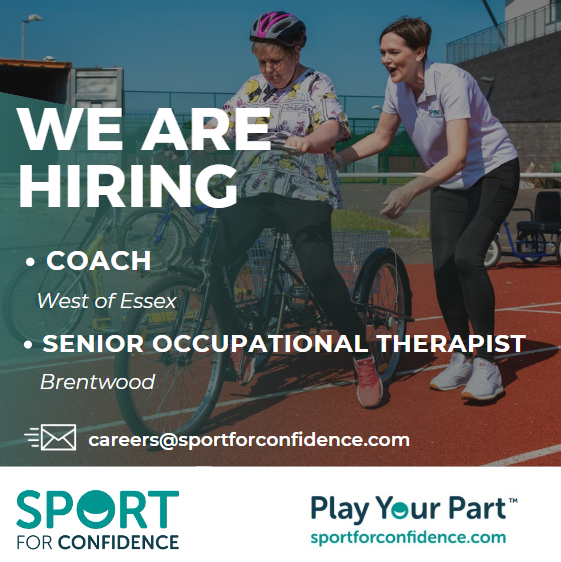
We currently have some exciting new opportunities to join our team!If you would like to join us in our mission to change the game in breaking down barriers to participation,see the link below for our current vacancies - https://t.co/Fmophjpbxl
#PlayYourPart#CoachignJobs#OTJobs
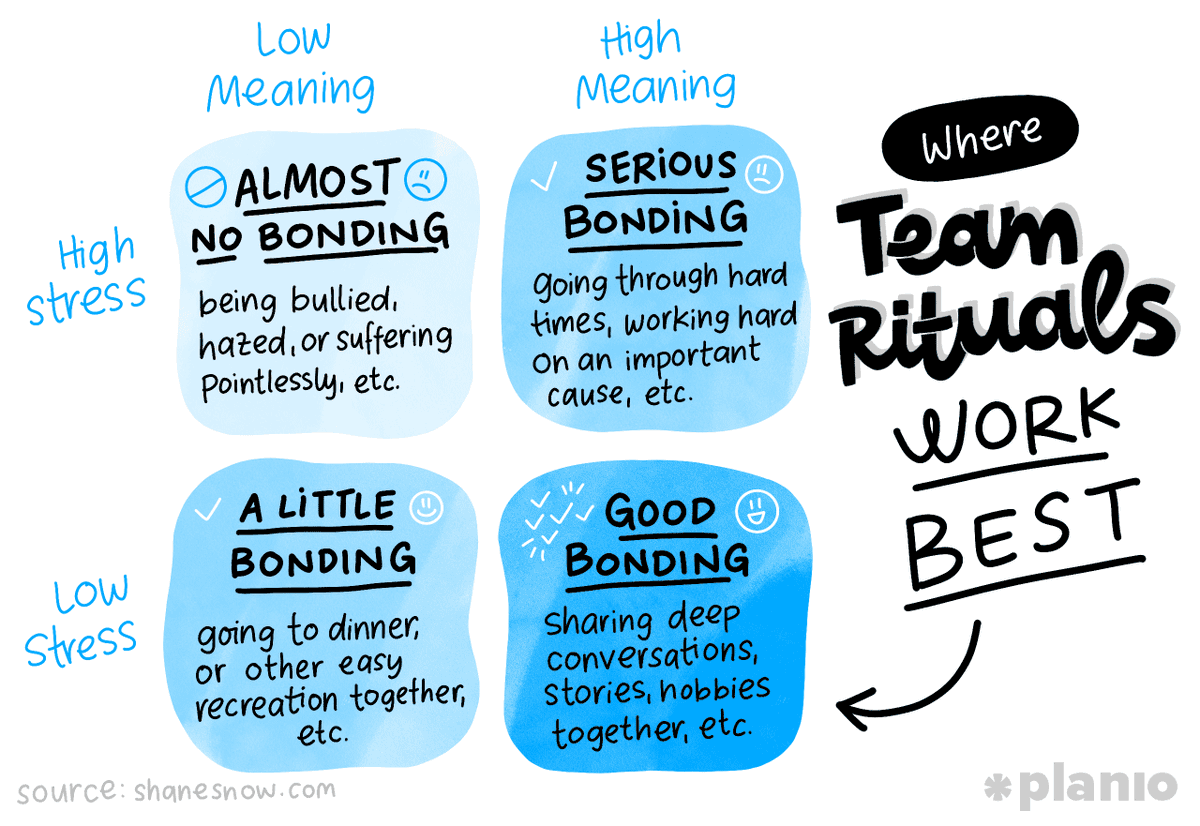
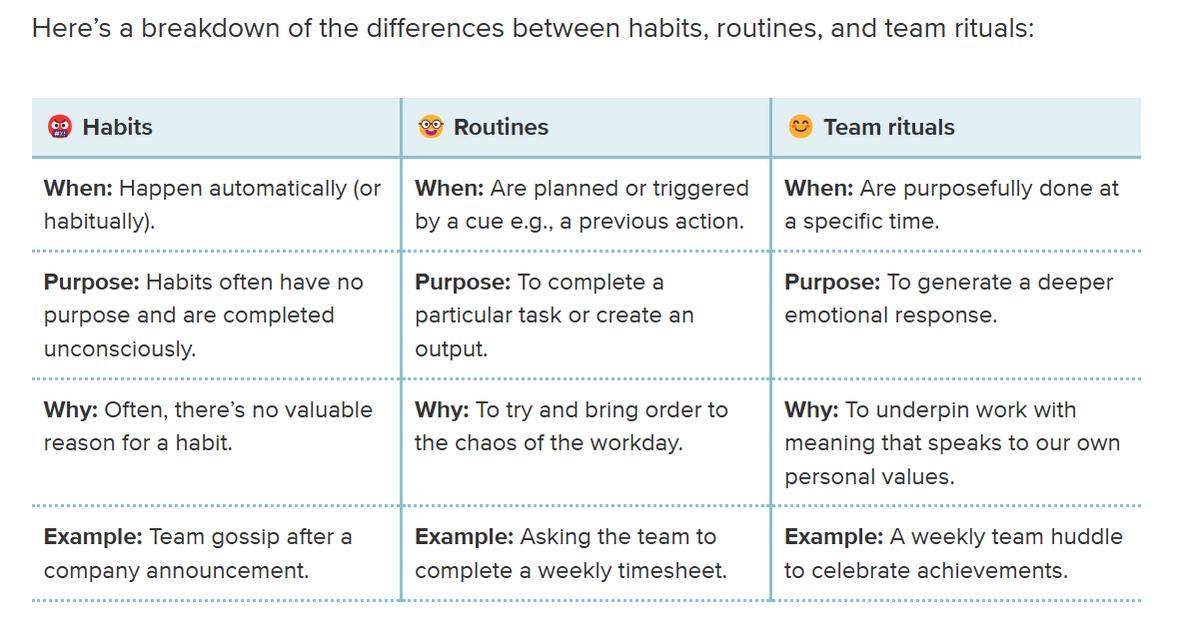
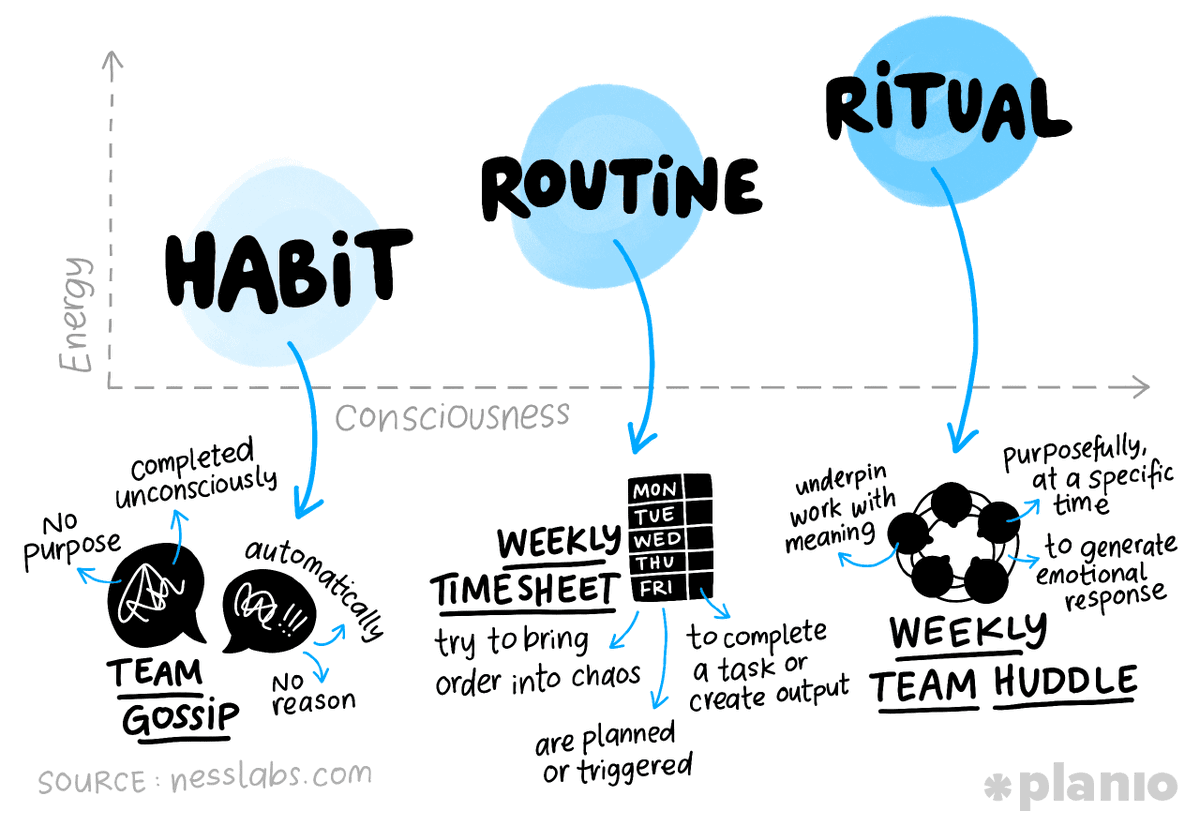
"Team rituals" are regular activities/practices that a team does together. Rituals might include huddles & stand up meetings, team lunches, check-ins & check outs, inductions & celebration of contributions. Team rituals are not "pink & fluffy, nice to do, but a distraction from the real work". They provide certainty & space for team members to engage with each other & connect to the purpose of their work. New research shows that teams with more rituals experience higher engagement, psychological safety, interpersonal knowledge & job satisfaction, all factors that lead to higher productivity & performance.
Rituals are more likely to be sustained where they:
1) Are valued by leaders
2) Are meaningful to the team & fit with team priorities
3) Become enshrined in the team's way of working
4) Are continuously adapted over time
5) Spread to other teams
Research: https://t.co/mITqSuCmG3 via @HarvardBiz .
Graphics from @planio: https://t.co/KDKIt7nVmp