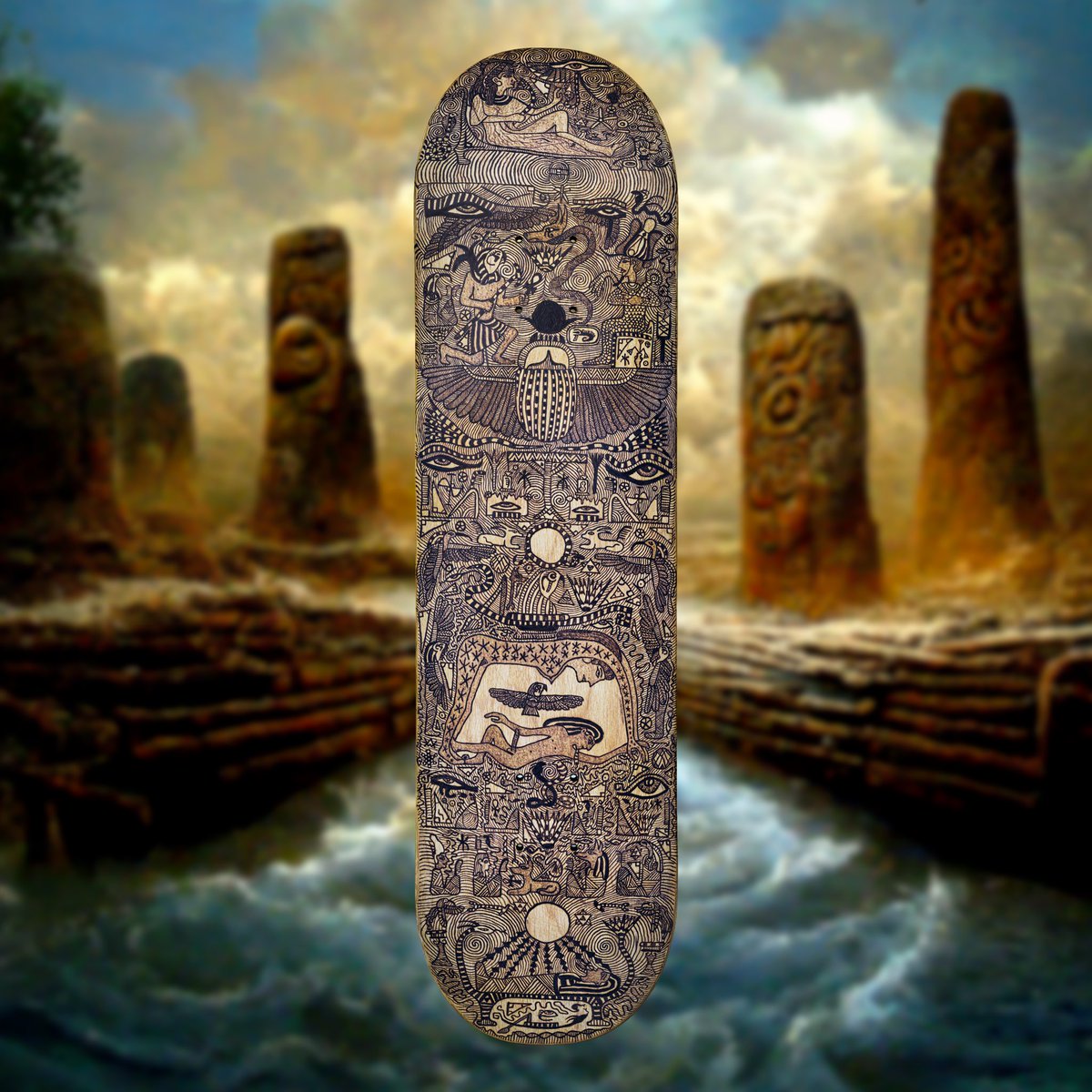
One of my favorite things about creating is seeing how the time spent working will manifest into something that you can behold and share with others. ⌛️🪦👻
Gm 🍄
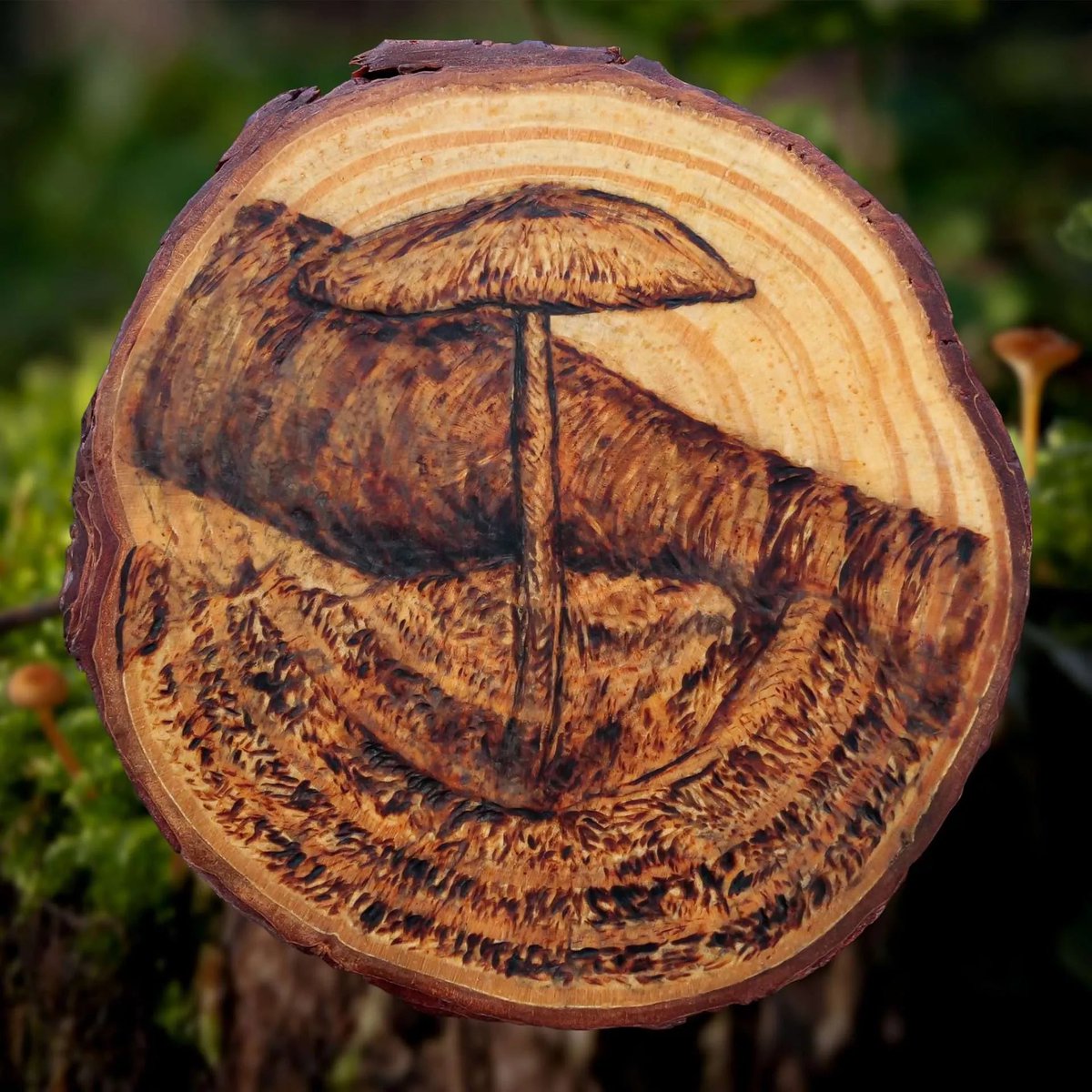
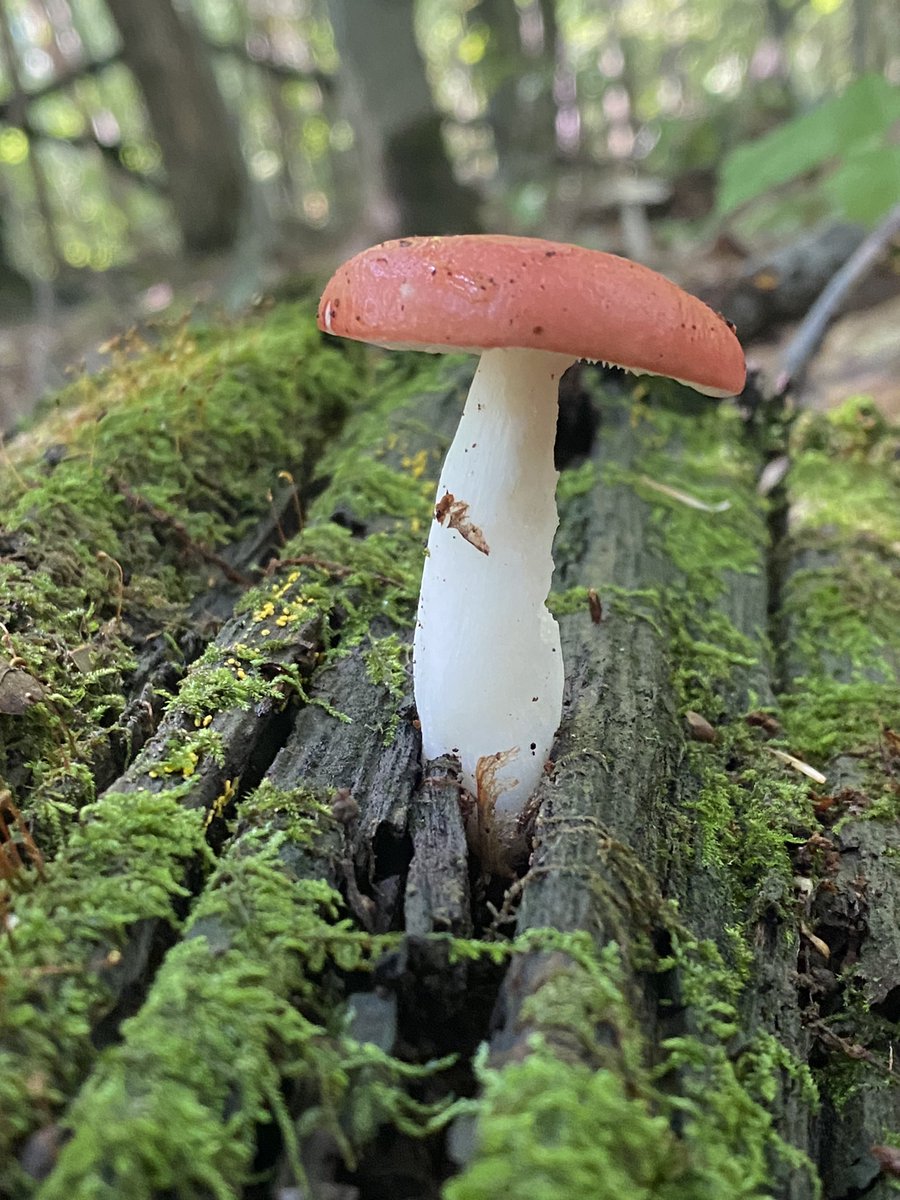
Little Teacher 21 and the real world Russula mushroom!
Russula are classified as an ectomycorrhizal fungal genus meaning they have a symbiotic relationship with trees. This specimen was found growing out of a fallen log nowhere near the ground. Very perplexing… 🪵🌲
Gm Happy Mushroom Monday! 🍄
This Weeks #LTNP
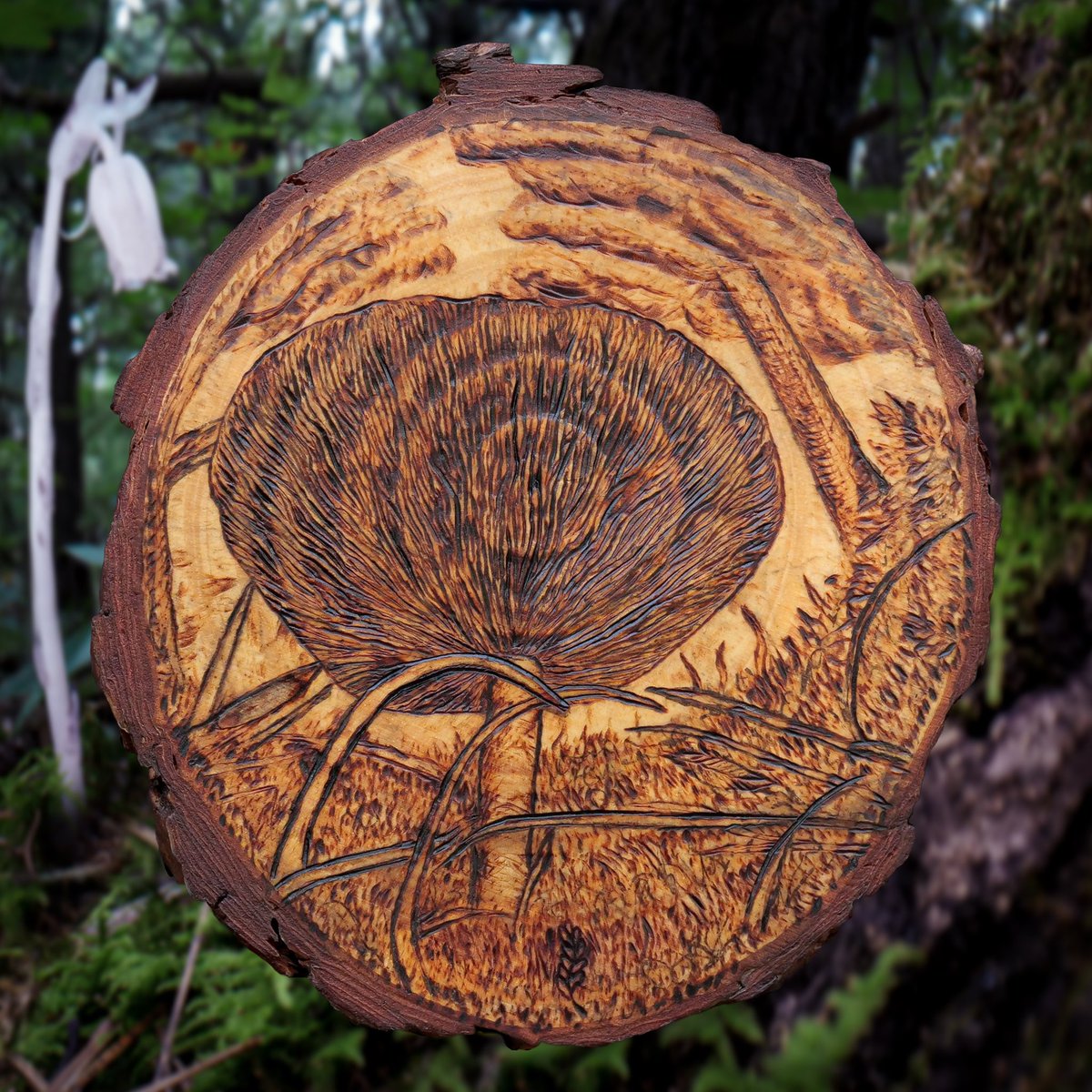
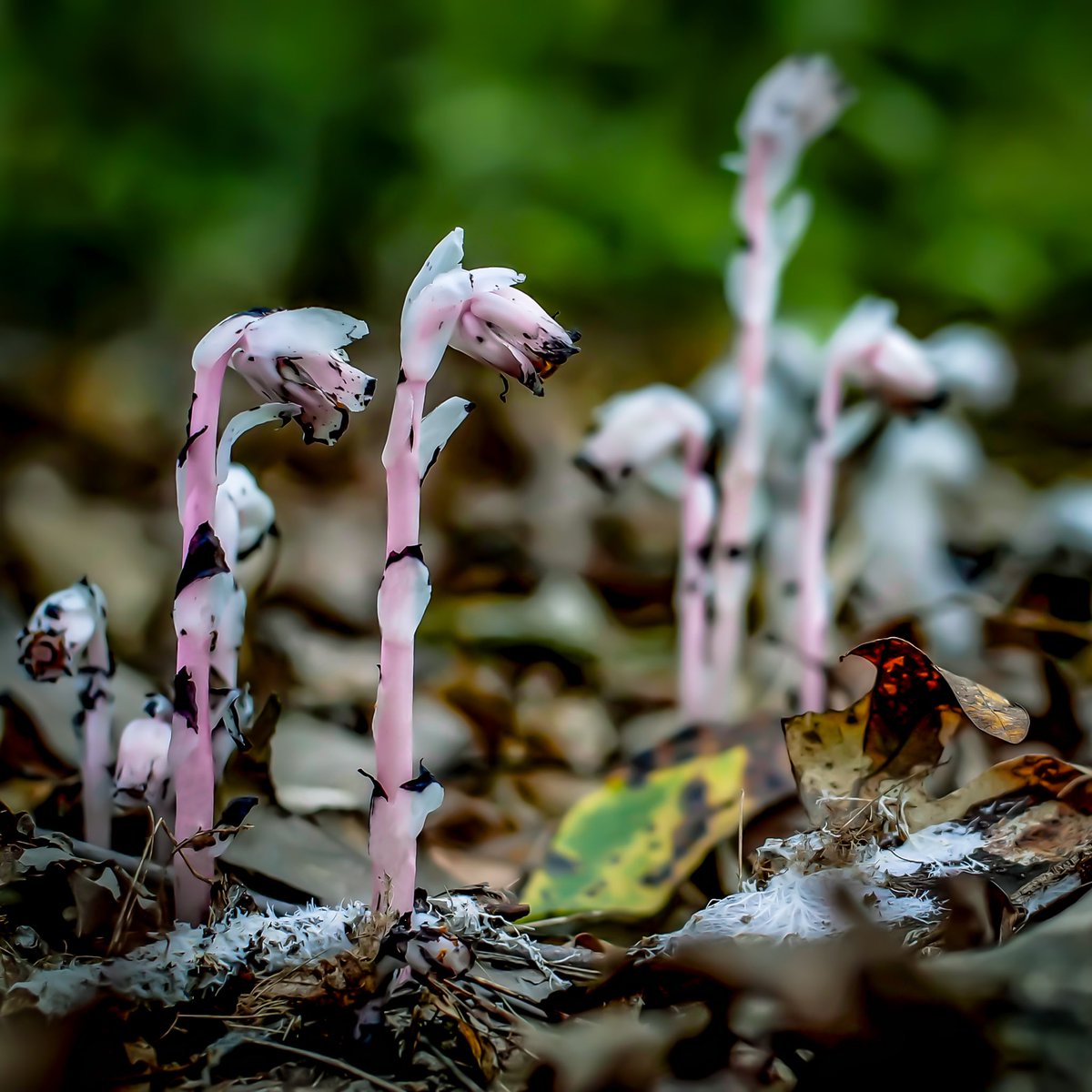
As a myco-heterotroph, Monotropa Uniflora is entirely dependent on harnessing mycorrhizal relationships with their host Russula mushroom in order to siphon off all of the carbon and sugars needed to live.
Pro tip: Leave your fresh gourmet or wild mushrooms in the sun for at least 30 minutes before you cook them. When you leave your fungi exposed to sunlight they convert ergosterol into Vitamin D! The longer you leave them out the more Vitamin D they will produce.
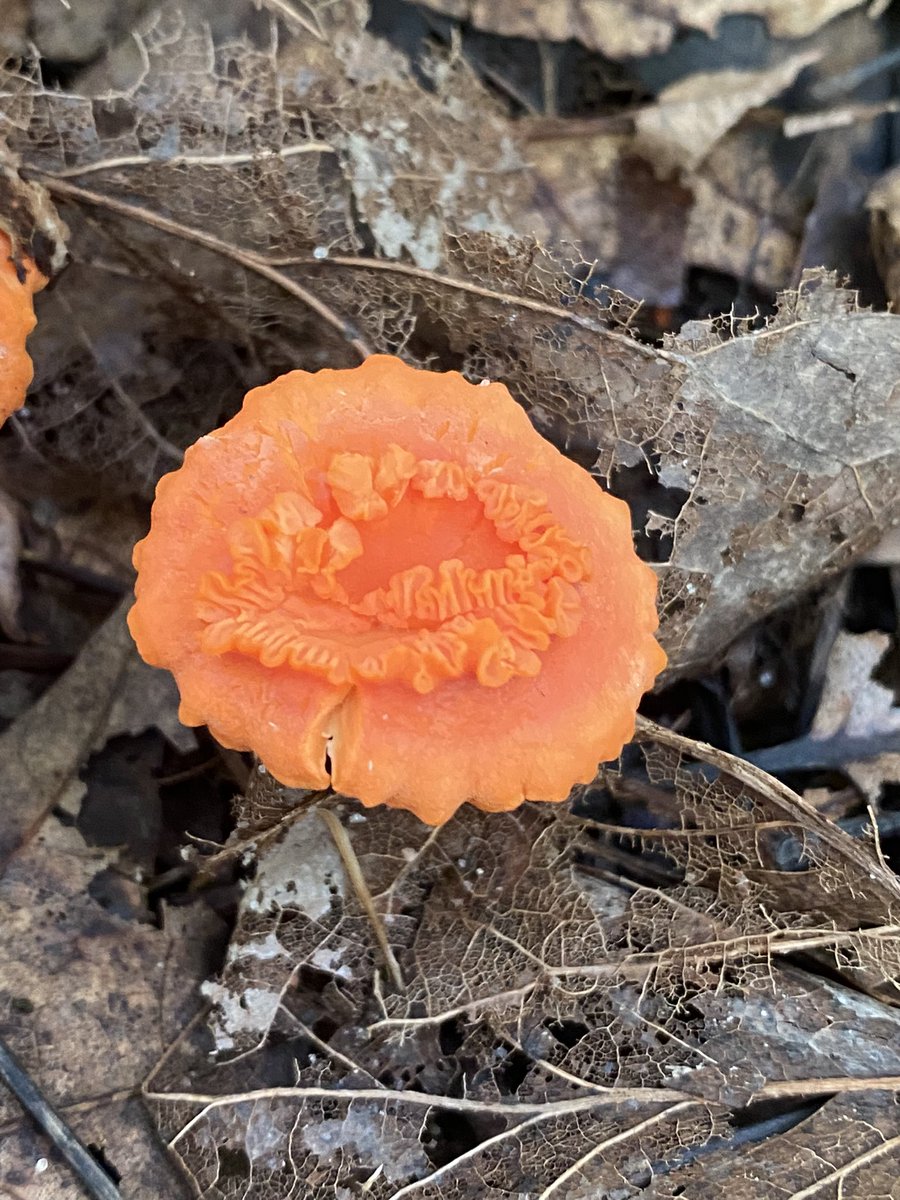
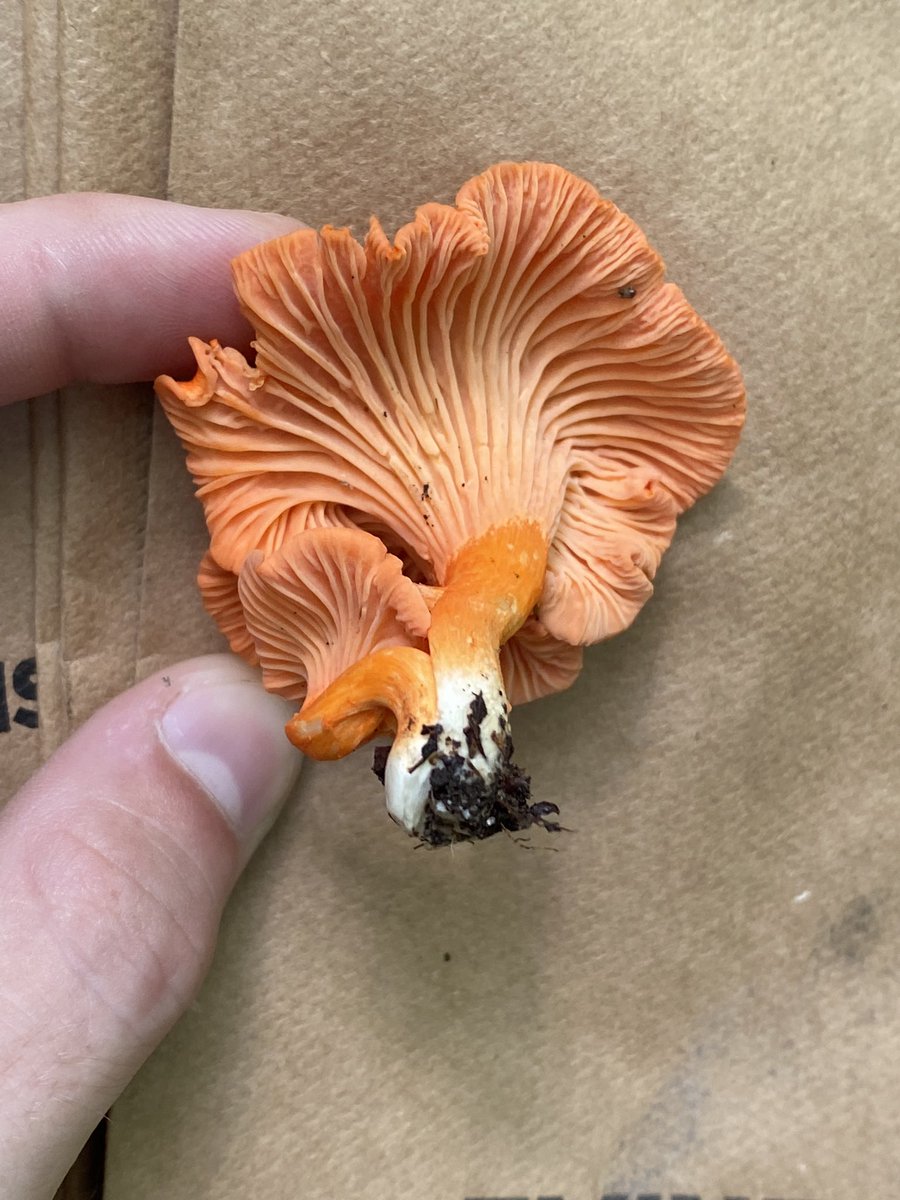
This weeks #LTNP 019 is also Cantharellus cinnabarinus, but with a twist. This mushroom has a rosecomb mutation resulting in deformed growth and much larger specimen than most of the cinnabar chants that I find.
Fungal mutations are not uncommon, even deep in the woods far from man made industries and toxic petroleum byproducts which are known to cause mushrooms to mutate. There is nothing harmful created by this mutation however, and I am happy to inform you that I ate this mushroom and it was delicious! 🍽😋
You can mint this photo for free for the next two days at https://t.co/g8EJEORXka
Fire chanties, make an appearance in #LTNP 002! 🔥🍄
These mushrooms grow in dense clusters along the roots of hard wood trees, if you find one specimen there are bound to be more waiting to be discovered close by! 🛰🫡
Gm Happy #FungiFriday 🐒
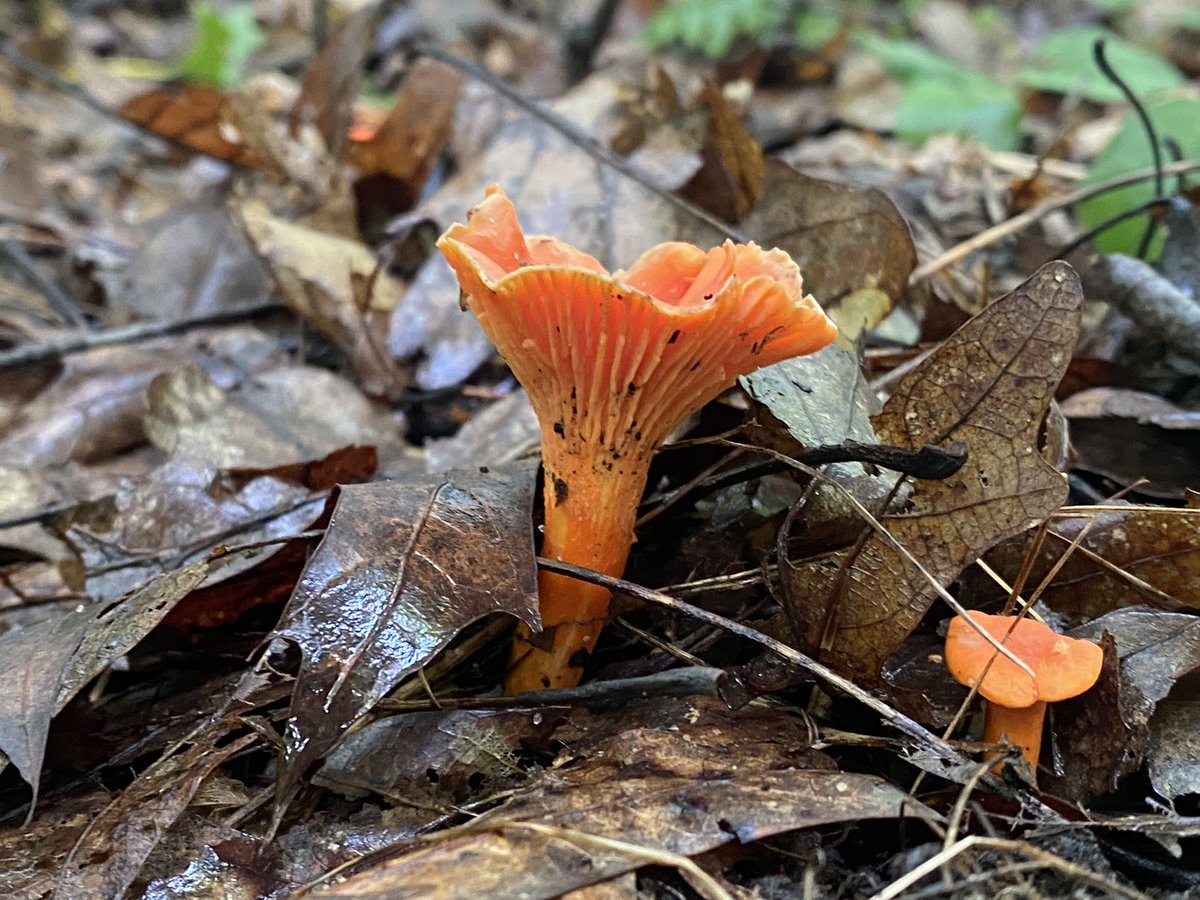
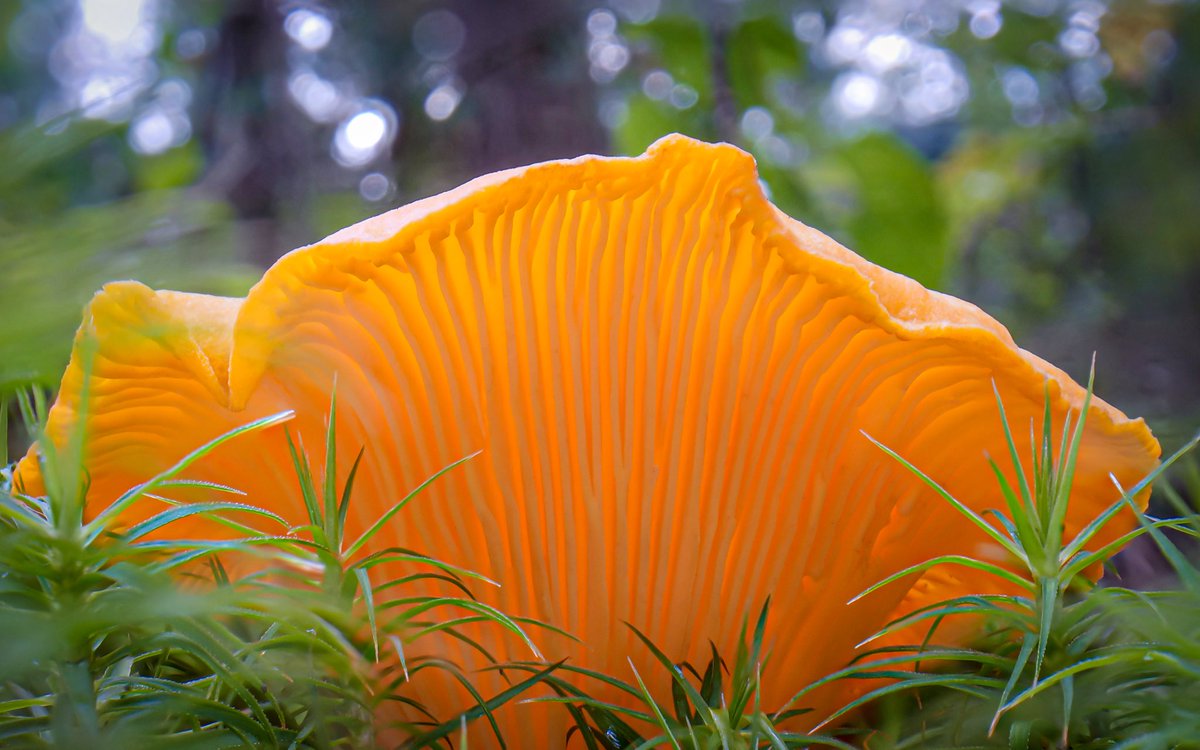
Little Teacher 015 and the real world mushroom Cantharellus cinnabarinus. Commonly known as Cinnabar chants, or Fire chanties this is a delicious mycorrhizal fungi which I find growing in association with maple and other hard wood trees.🍁🍄
Little Teacher 006 and the real world fungi Rhodotus palmatus!
This mushroom is very unique belonging to a monotypic genus which means there is only a single mushroom species in the genus. This saprophytic fungi is quite uncommon but is known to grow all across the northern hemisphere. In much of Europe, this mushroom has been listed as a critically threatened species. In Hungry, it is illegal to pick this mushroom. The edibility of the mushroom is not known. 🍄🪵
Little Teacher 003 and the real world fungi! 🍄🌷
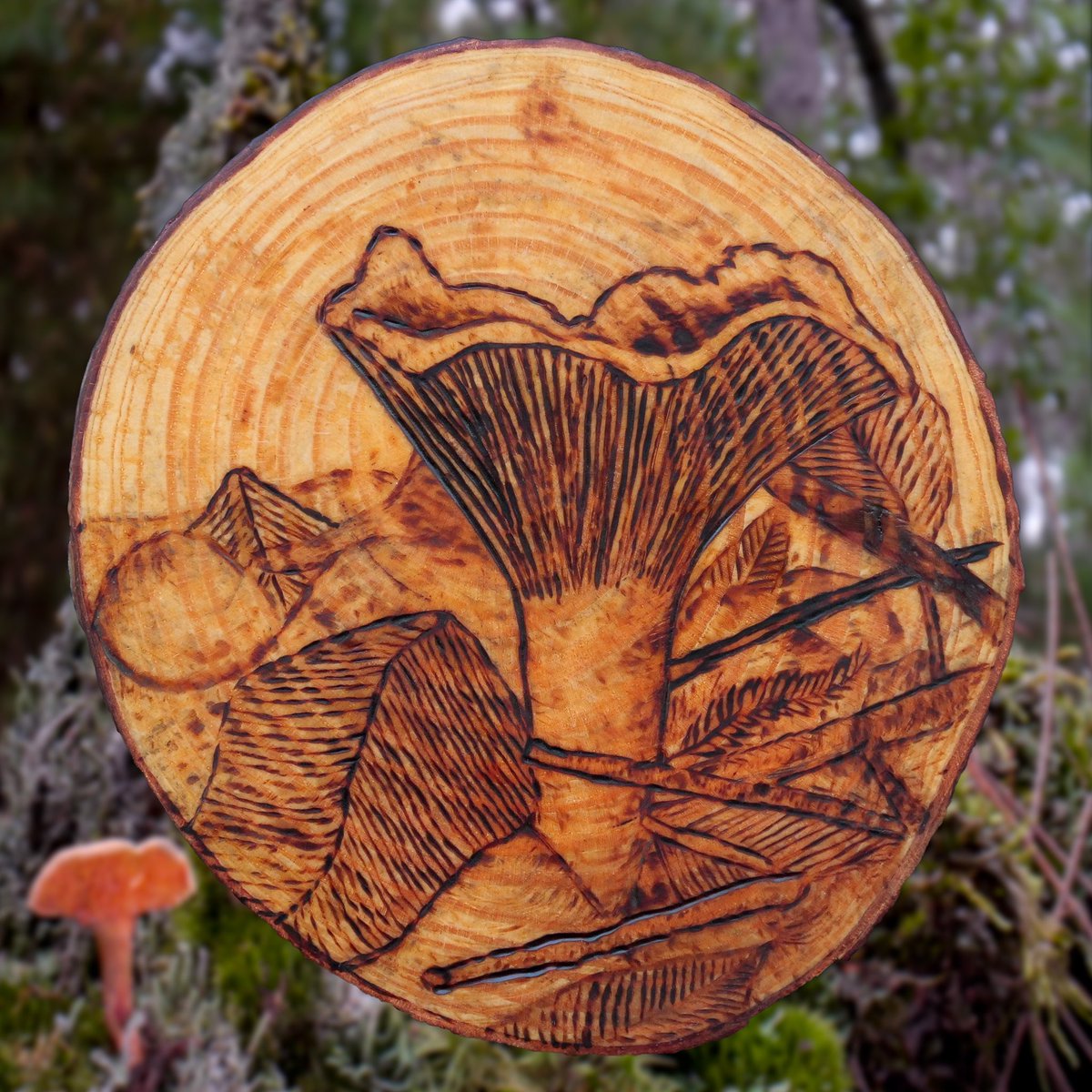
In the background, behind the wood burning, you will notice a bright white flower. This is the same plant photographed in #LTNP 011!
Monotropa Uniflora is a very unique, non-photosynthetic flowering plant. Known as a myco-heterotroph, this flower parasitizes fungi to steal carbon and other nutrients from the mycelium without paying the usual exchange fee.
Gm happy #MushroomMonday 🍄
This weeks fungal photo #LTNP 019
Fungal mutations are not uncommon, even deep in the woods far from man made industries and toxic petroleum byproducts which are known to cause mutations in fungi. This Cantharellus cinnabarinus has a rosecomb mutation where lumps and malformations grow distorted gills on the cap of the mushroom.
Gm Happy Mushroom Monday! 🍄
LTNP 018
Chanterelle are mycorrhizal fungi growing in association with a range of different species of hardwood trees throughout the world. Established chanterelle mycelium can stretch out over vast distances spanning many hundreds of meters across the forest floor. These mushrooms will fruit prolifically in the same spot all summer long- year after year.
GM 🍄🕸
LTNP 017 went live in the early hours!
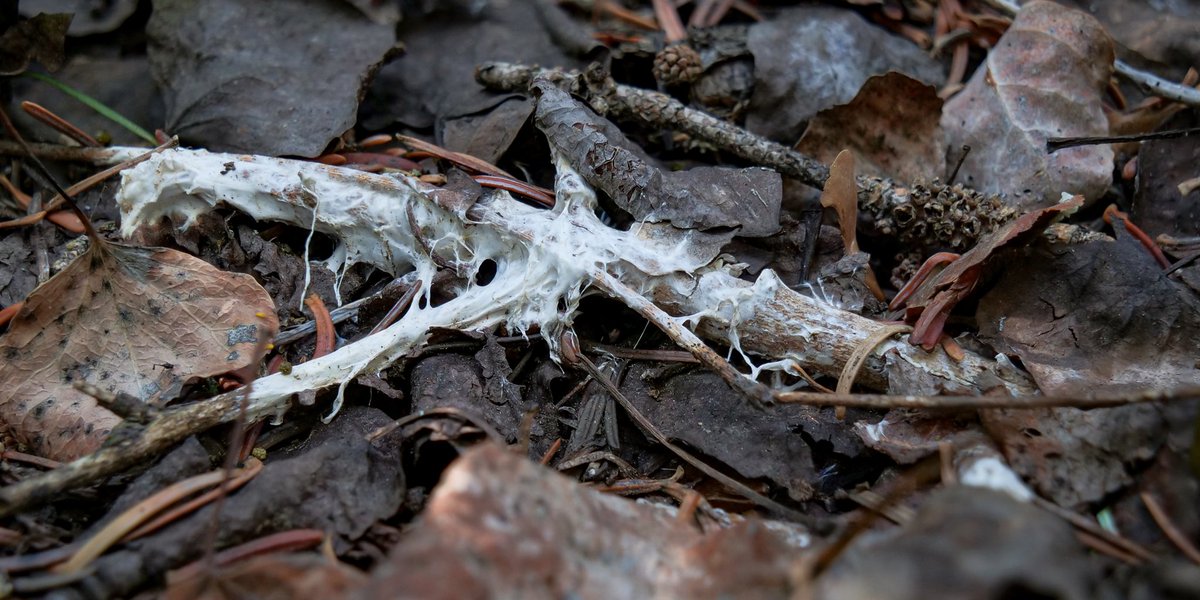
Rhizomorphic mycelium is a very distinct type of aggressive mycelial growth where hyphae intertwine together to form thicker cords called rhizomorphs. These pathways can stretch out over vast distances distributing nutrients between different trees and plants while also communicating with an abundance of different fungal neighbors.
Hygrophoropsis aurantiaca, commonly known as the false chanterelle, may look like its delicious counterpart- but, it has decurrent gills running down the stipe. These gills are delicate and easily breakable to the touch. This is a distinct feature that lets you know it is not a chanterelle. Instead of having gills, true chanterelles have decurrent rubbery veins or ridges running down the stipe which hold up when you rub them with your fingers.