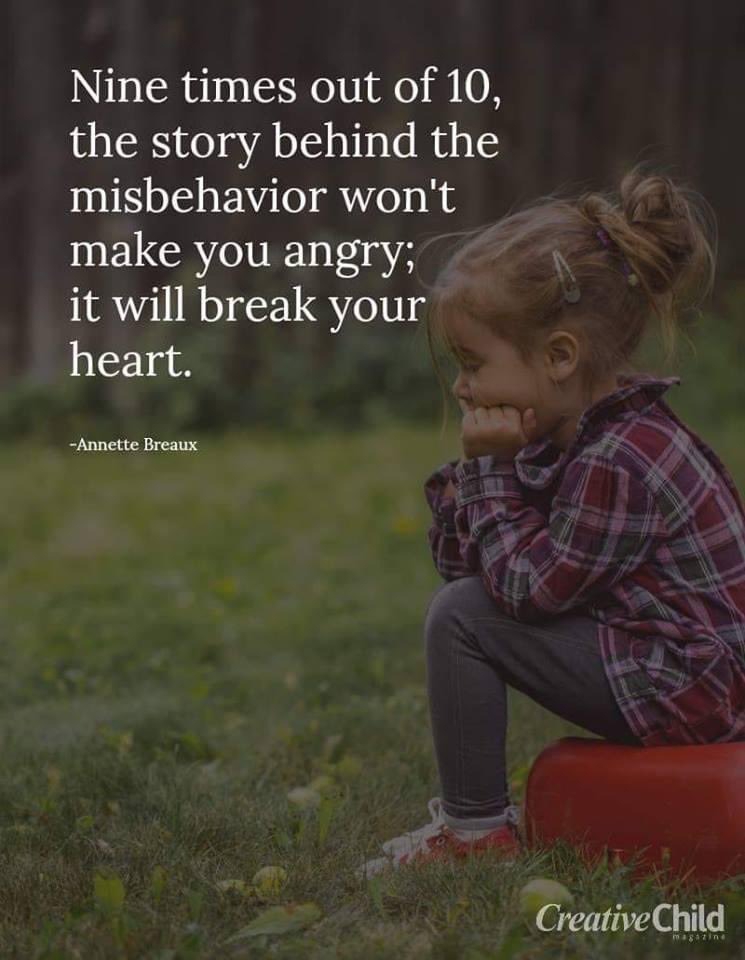
Talk to your kids. Look for depressed or irritable mood. Remember SIGE CAPS : changes in sleep, interest, guilt (fear of failure, self-critical, deserves to be punished), energy, concentration (indecision), appetite, psychomotor agitation or retardation, and/or suicidal ideation
Our hearts go out to the Uvalde, TX community who has experienced a tragedy today.
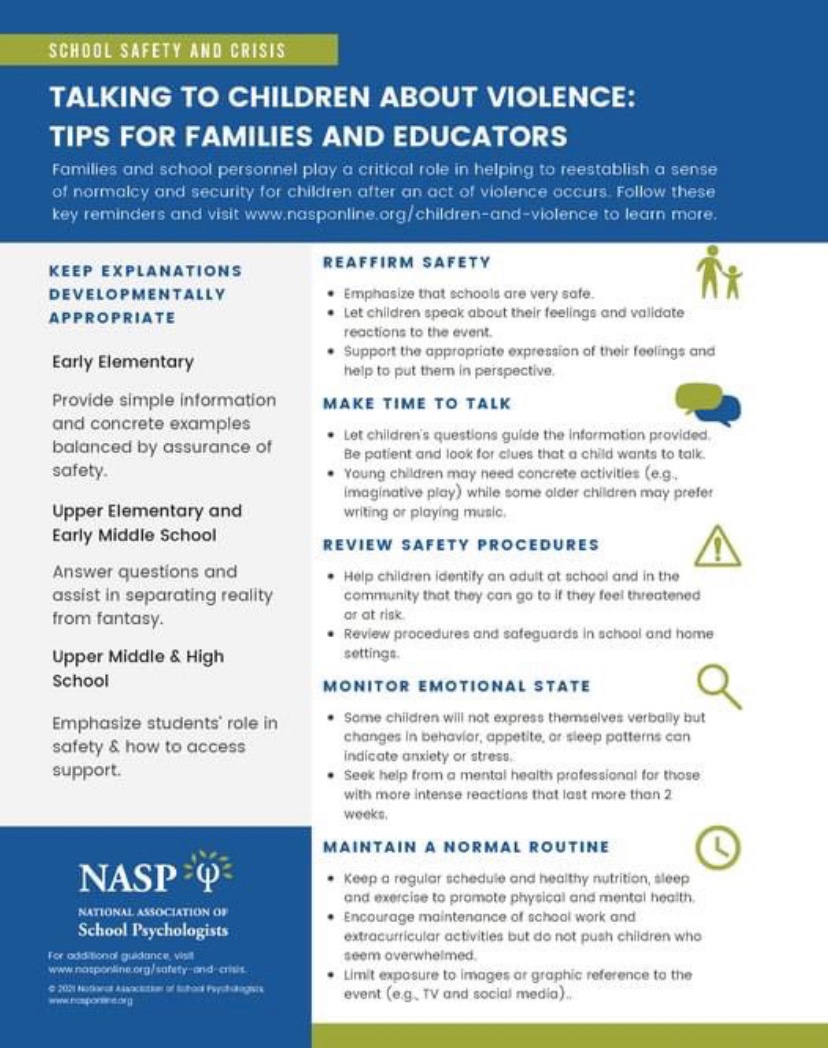
In the wake of tragedies, students may be confused and frightened. NASP has resources for responding to school violence and talking with children about violence.
https://t.co/ArgVAcnNV3
Mental health challenges can impact a student's ability to participate in learning. As we recover – it’s important that our efforts go beyond literacy & math to helping students build their social, emotional, and mental health skills
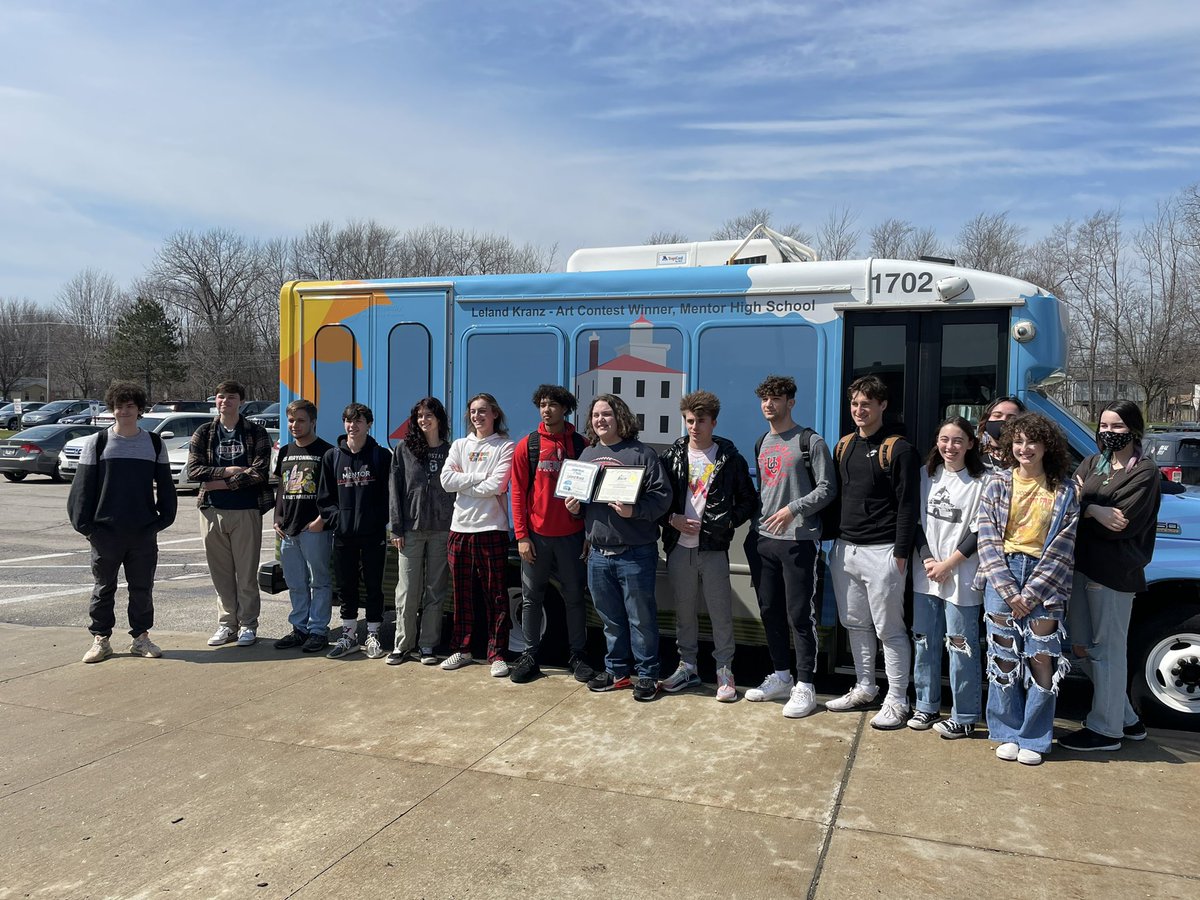
It was so fun supporting these wonderful 11th grade students today while they spoke to 3 elementary schools about the importance of sticking together and stopping bullying! Thanks Mr. Nemunaitis for organizing!
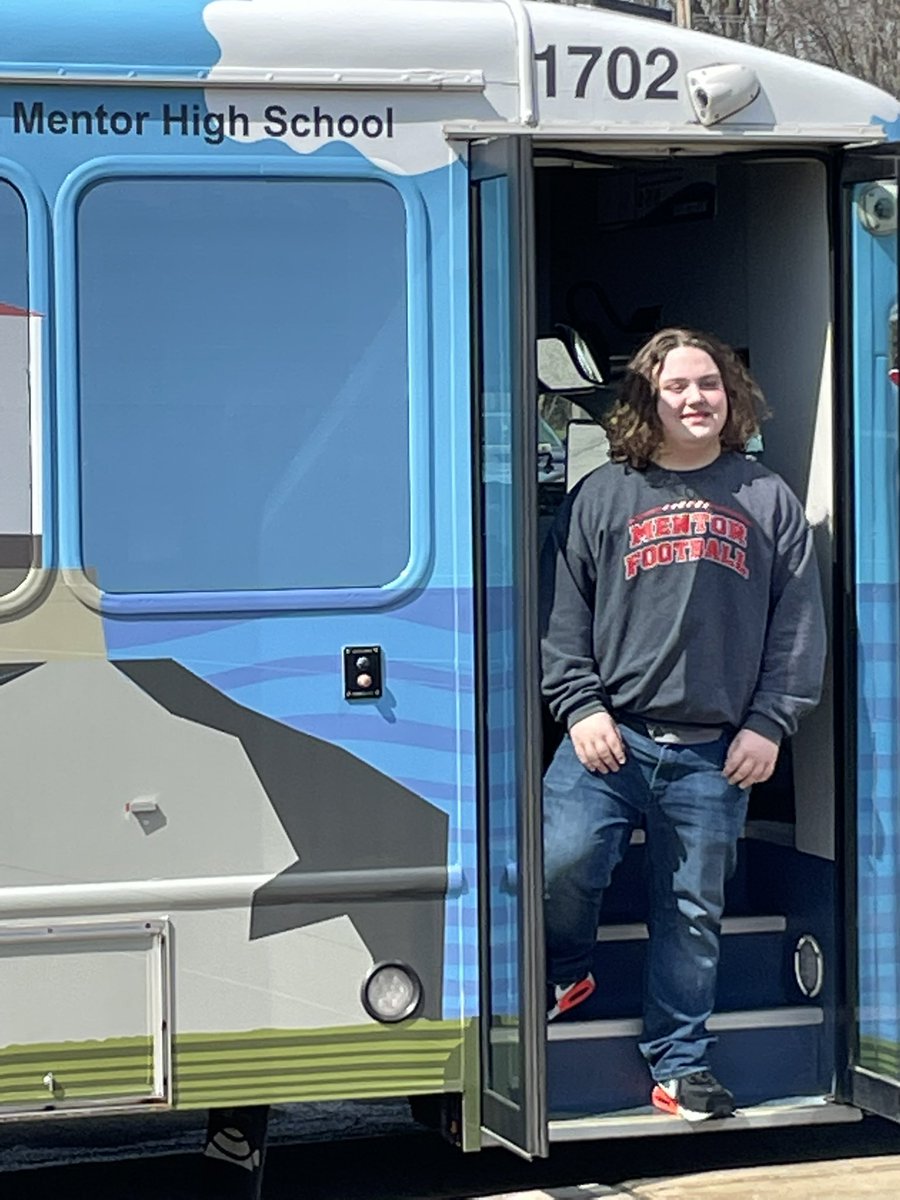
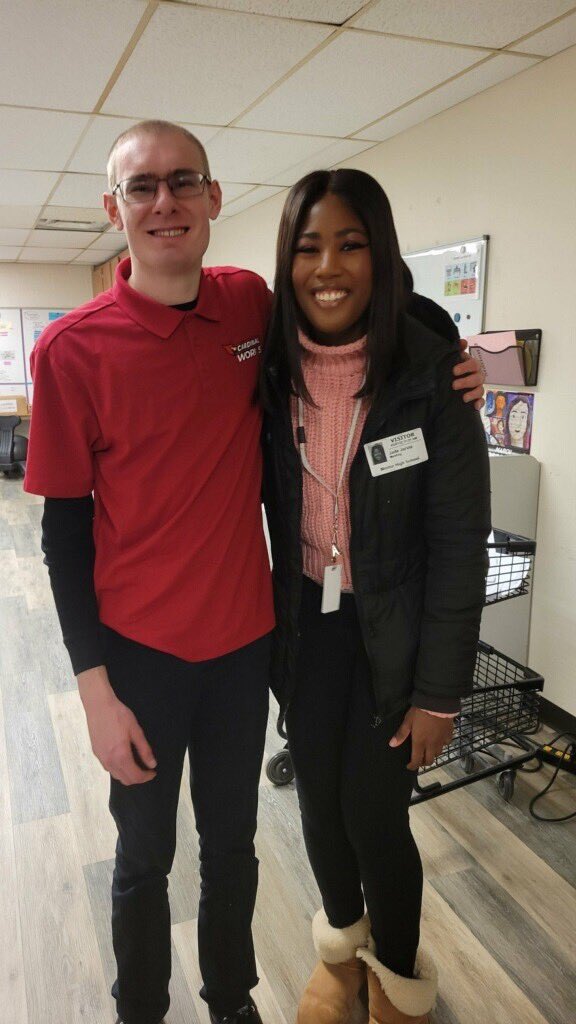
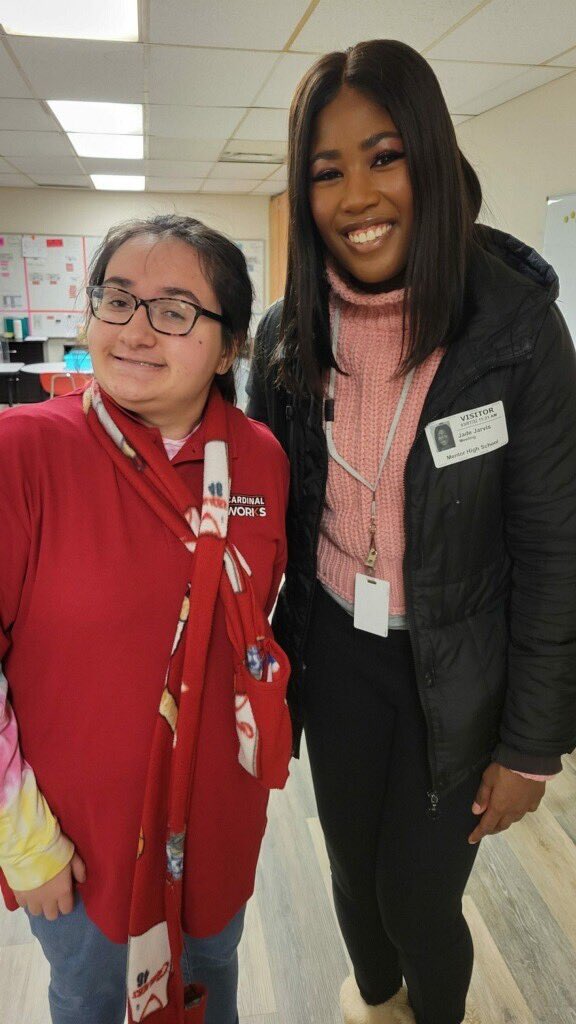
Made some new friends at @MentorHigh today! Cameron and Kristen are students in the school’s Cardinal Works program.
It’s a job training coordinating program that teaches life and employability skills to adult students with disabilities. Learn more at 5:30 on @WEWS!
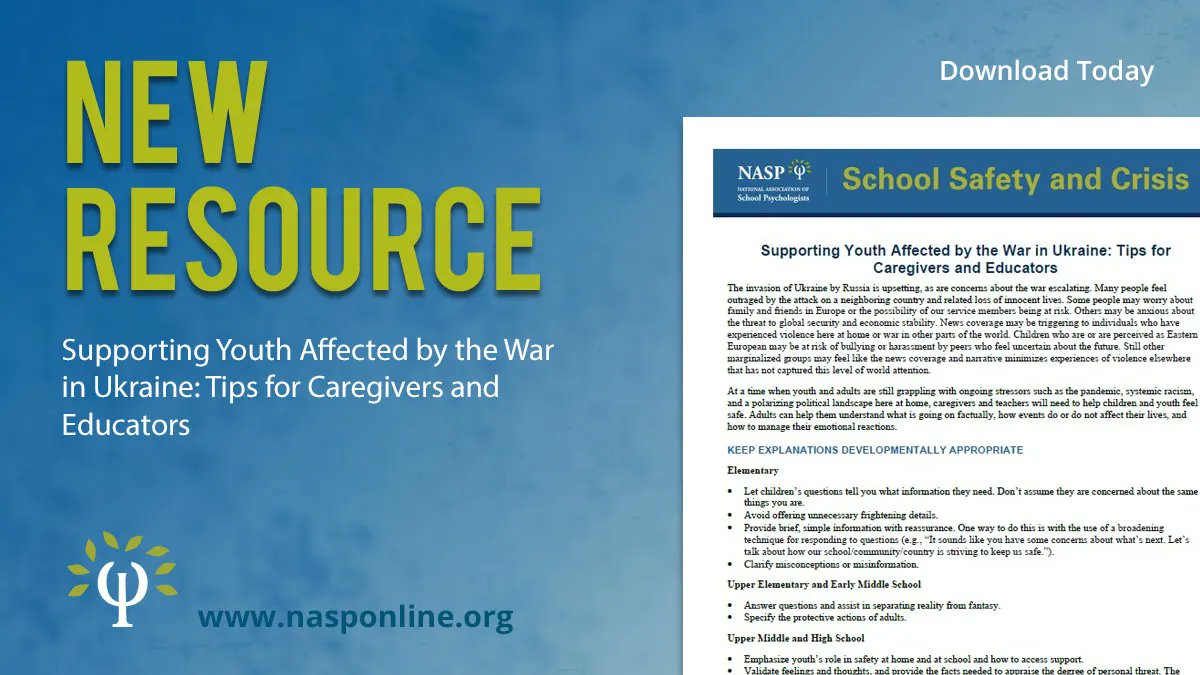
For those who are struggling with how to address the conflict in Ukraine with children, this document is designed to help adults talk about what is going on factually, what you may expect from different age groups, and how to manage emotional reactions. https://t.co/hEbhX0asgx
“You often hear the quote from Mr. Rogers, ‘Look for the helpers.’ I like to flip that to ‘How can you be the helper?’” Dr. Silverman said. When kids are given the opportunity to assist others, it gives them a feeling of agency, she said, which can be comforting."
Young people have access to more news streams than ever, and many are concerned. Here’s how to address their questions about the Russian invasion of Ukraine. https://t.co/r0VuiWquZm
1 - adults tend to have a fixed sense of self that relies less on feedback from peers
2 - adults have a more mature prefrontal cortex, an area that can help regulate emotional responses to social rewards