Dr Elizabeth Barber (RNutr) explores the mechanisms by which functional foods improve metabolic dysfunction using molecular nutrition and food science research
#mdpifoods 🔔#Editor’s Choice Article
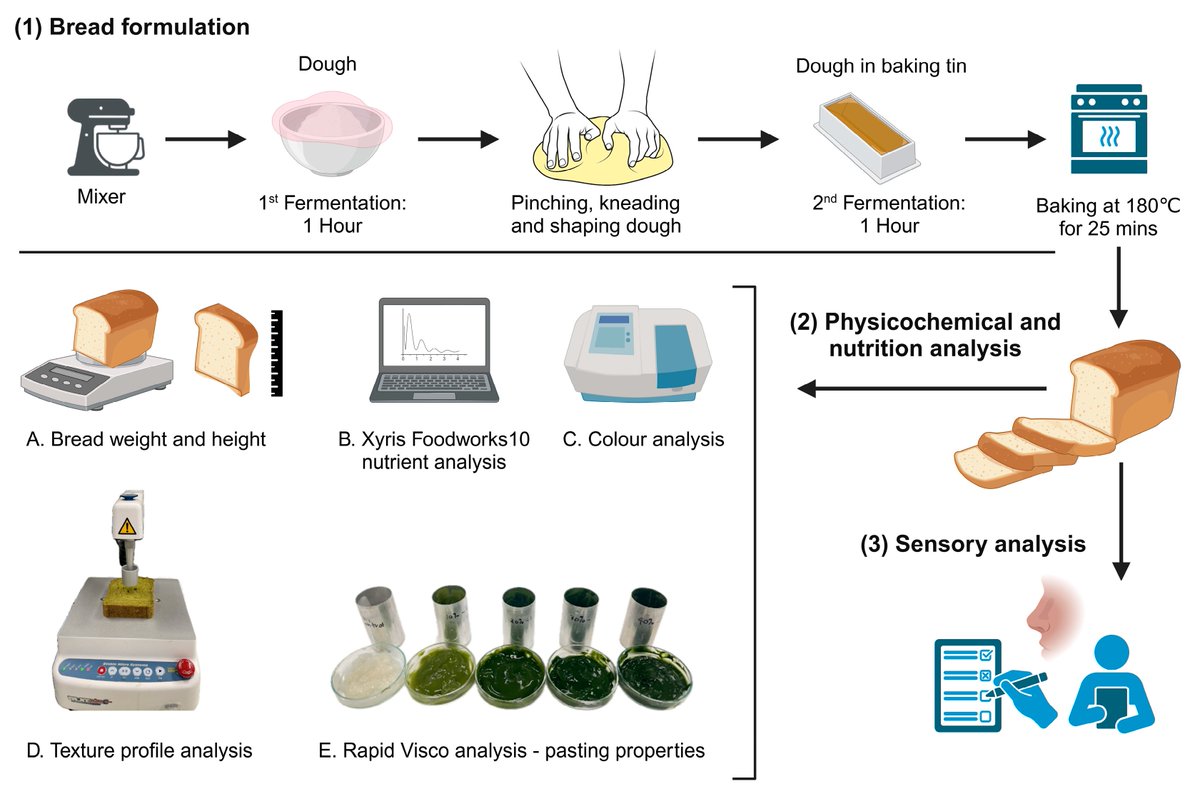
🍞Title: #Nutrient Composition, #Physical Characteristics and #Sensory Quality of Spinach-Enriched Wheat #Bread
by Ritnesh Vishal Prasad et al
🔗Link: https://t.co/sXI1pSJ65M
Happy Mother's Day from all of us at NNEdPro! Today, we celebrate the incredible mothers around the world who nurture, inspire, and empower us every day. Thank you for your endless love and support. #MothersDay#CelebrateMoms
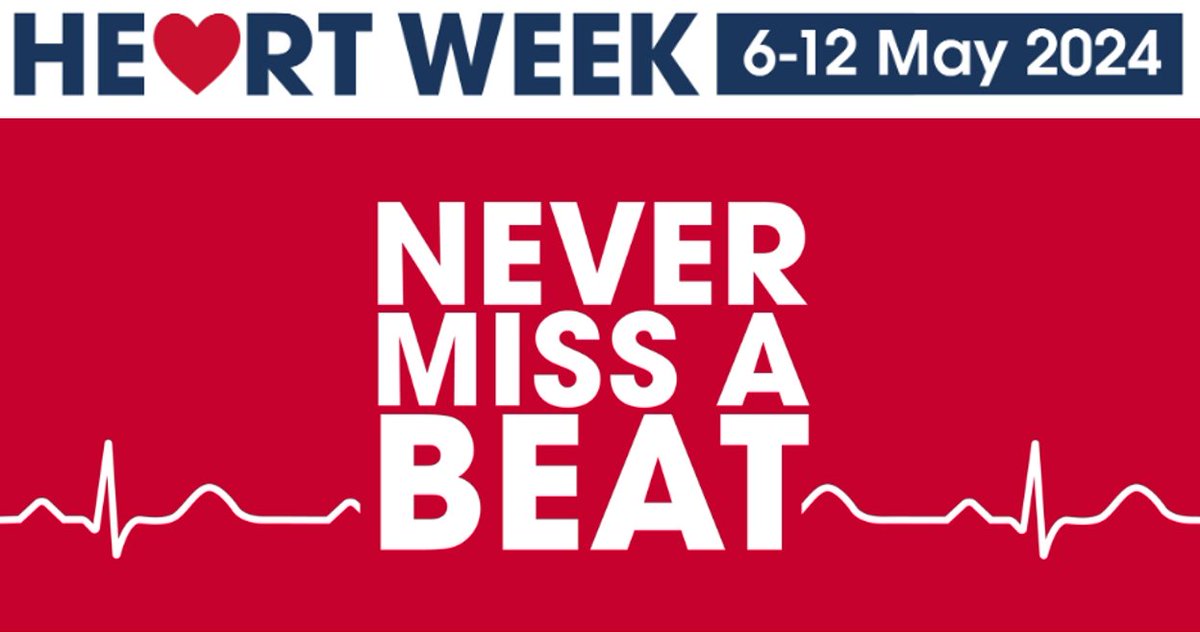
❤️Celebrating Heart Week❤️ with a spotlight on our ten @MonashNutrition PhD students based at @MonashVHI. Check out their projects below!👇
The team are investigating how diet (especially polyphenols that are found in plant-derived foods and beverages) affects the risk of chronic diseases, including cardiovascular disease (CVD) and type 2 diabetes. Postprandial hyperglycaemia, characterised by elevated blood glucose levels after a meal, represents a substantial risk factor for the development of CVD.
🫀Dr Rizliya Visvanathan’s research suggests that dietary polyphenols may help reduce postprandial hyperglycaemia by inhibiting the activity of α-amylase, a key enzyme involved in starch digestion: https://t.co/GMz7isxGQs
🫀@AyeshaHewawansa is investigating the potential for a polyphenol-rich sugarcane extract (produced from by-products of the sugarcane industry: https://t.co/ssXXySrYvh) to reduce glycaemic response in healthy individuals.
🫀@MenaFarazi has written two systematic literature reviews on the potential for polyphenols and other bioactive compounds in nuts to inhibit α-amylases and α-glucosidases (the enzymes involved in the digestion of sugars): https://t.co/1NfOxiAcua & https://t.co/1NfOxiAcua
🫀Katie Treasure’s review collated research that has shown that the phytochemical sulforaphane, found in cruciferous vegetables, reduces activation of key inflammatory signalling pathways, which may help to regulate chronic inflammation (a risk factor for CVD) in humans: https://t.co/2Izm8OVt14
🫀@nohasulaimani is exploring whether polyphenols can restore disrupted circadian-regulated glucose metabolism - https://t.co/IPP9HkDuBF
🫀Lu Liu's PhD project investigates the potential for a formulation of quercetin with enhanced bioavailability to lower metabolic biomarkers associated with hyperuricemia and type 2 diabetes in humans. Recruiting now! https://t.co/cYyCeqfoAM
🫀@JuanitaFewkes has demonstrated that high fat meals adversely affect blood vessel function in a comprehensive systematic review and meta-analysis, supporting the rationale that postprandial endothelial function measurements could be a sensitive risk marker for cardiometabolic disease https://t.co/eYuxdURrXN.
🫀Nina Trinquet’s research is focusing on the impact of dietary fibre intake on endothelial health measured with flow mediated dilation in humans to reduce the progression of cardiovascular diseases.
🫀Woon Yao Chai’s project aims to screen the satiety-prolonging effect of a plant extract to minimise the development of obesity, which is a significant risk factor contributing to cardiovascular disease.
🫀During her PhD, @AbajFaezeh aims to investigate the ability of dietary phytochemicals in blueberry to provide protection from a high-fat high-carbohydrate meal. In her previous work, she demonstrated that genetic variation in the CAV-1 (caveolin 1) gene influences the impact of diet on cardiometabolic traits (https://t.co/Eomp2OAAKn).
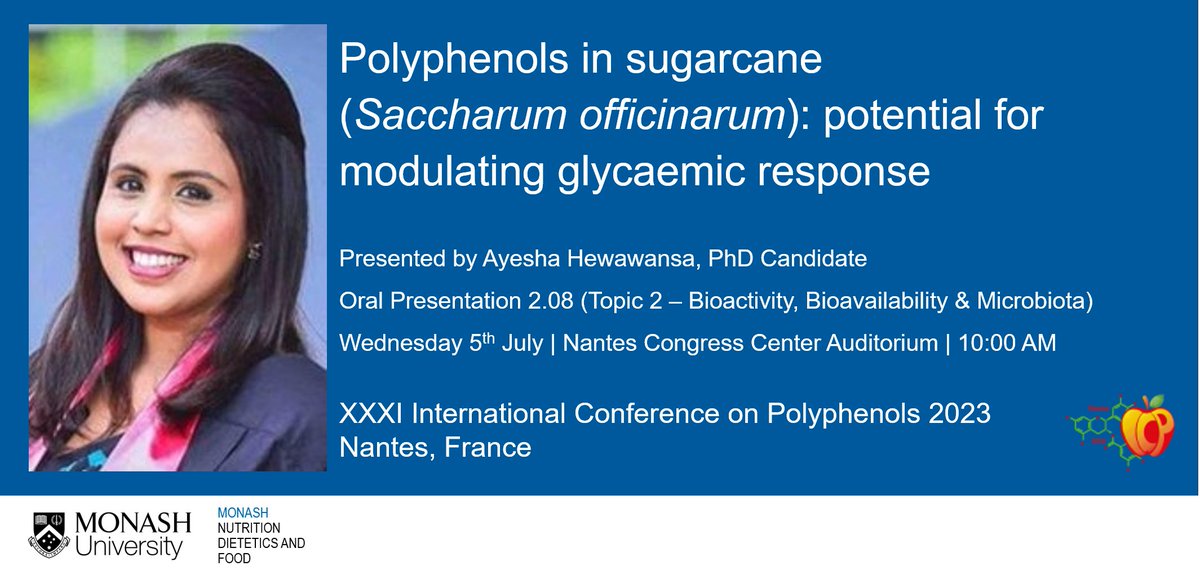
The XXXI International Conference on Polyphenols kicks off in Nantes, France today!
Join @AyeshaHewawansa on Wed July 5 at 10:00 for her talk on 'Polyphenols in sugarcane: potential for modulating glycaemic response' (O.2.08)
#icp2023nantes#groupepolyphenols#polyphenols
Dr @LizMBarber’s research interests lie in the influence of functional foods and bioactive compounds to human health and reversing metabolic diseases. She is a lecturer teaching #food science, human #nutrition and biochemistry at @MonashUni.