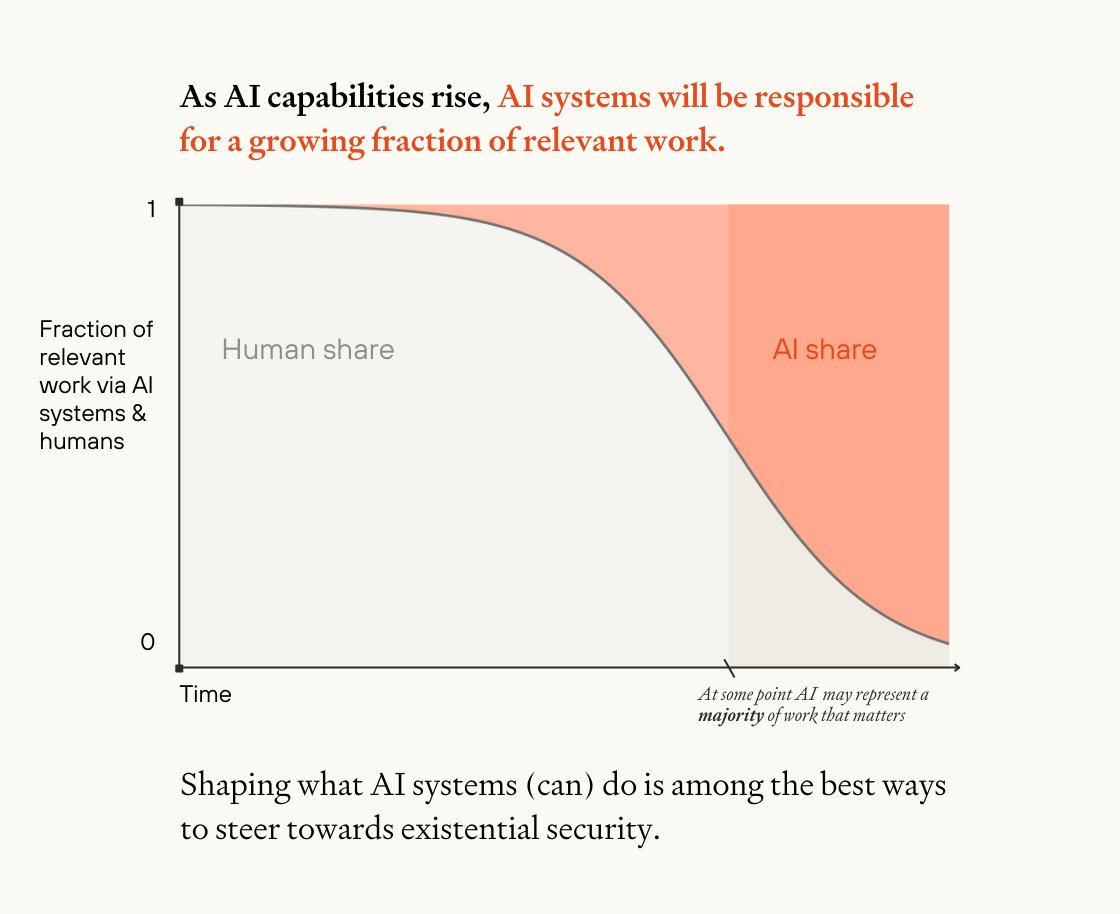
Can we get AI to stabilize the world faster than it disrupts it?
Even as AI poses risks, it’ll provide new tools for navigating those risks. But these tools won't develop themselves (yet!).
In a new 📄, we explore what tools would help most & how to outpace broad AI progress.
Clarifying the meanings of "alignment" or "consciousness" would splinter the alliance(s) defined by them, based on how the meaning is clarified. Thus discursive habits prevent the clarification:
https://t.co/tOeM7Vncge
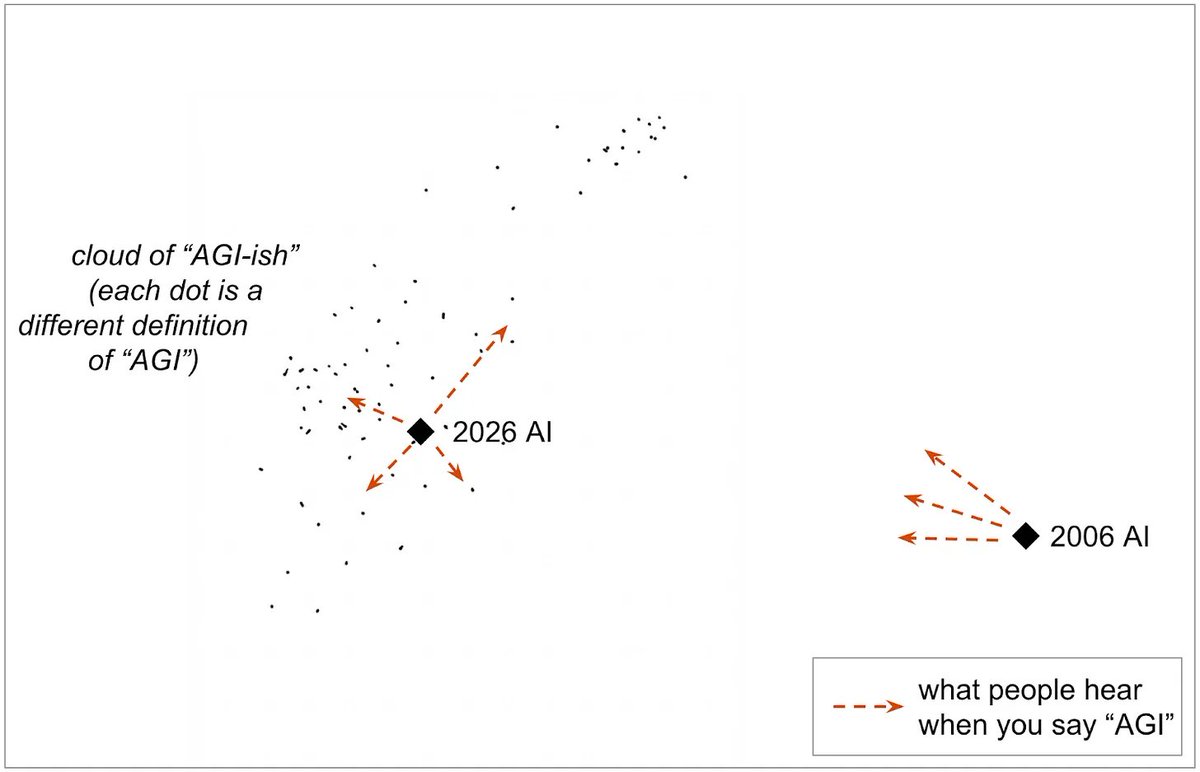
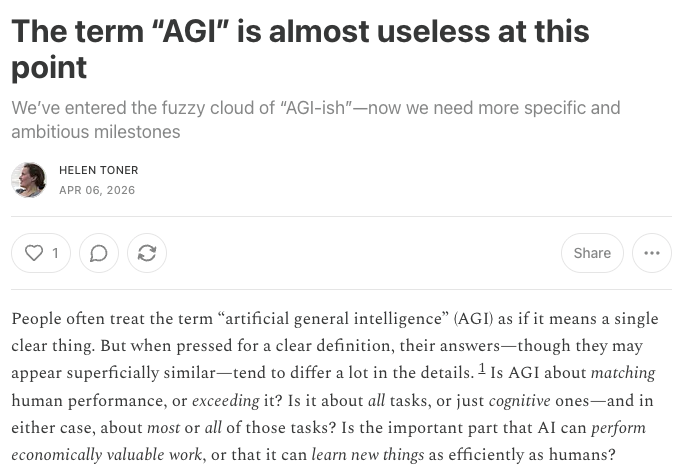
Good post on why fuzzily gesturing towards "AGI" isn't helpful (anymore):
> Today's best AI systems are ... now _inside_ the fuzzy conceptual cloud of 'AGI-ish'
https://t.co/3pTp6Dn8tb
Everyone knows "AGI" doesn't have a single clear definition, but usually people try to fix that by proposing new ones.
I wrote about why that approach is doomed. People's conceptions of AGI (o3+tools? intelligence explosion-launcher? conscious AI?) are too different. 🧵
Anyway, I'm v grateful for the post above -
I definitely agree that the differences between various "AGI" definitions are more critical now than before. But I was already lost in the meanings a year ago (see a sketch from then), and convos today can feel just as ungrounded.
Near-term AI could make it dramatically easier for groups to find deals, resolve disputes, and hold each other accountable. But the same tools could enable collusion and worse.
In a new post, the authors present design sketches exploring how AI-enabled coordination tech could be built to favor defense over offense.
AI is getting good enough to power tools that could transform human reasoning & coordination. This tech seems critical for how we'll navigate risks, and like a key opportunity to help. But it's often ~ignored in AI futures.
We tried to imagine what it could actually look like 🧵
I’d love to see more serious work on this kind of tech (as well as attempts to sketch out more visions of AI technologies & impacts). Thoughts welcome!
Full series: https://t.co/95eLAR63zU
(with @OCottonBarratt, @olysourbut, & Rose Hadshar)
We think AI strategy research now should focus more on Qs related to earlier parts of the AI transition.
The post outlines our case, sketches a tentative list of priority research questions, & briefly explores what this suggests postponing.
AI tools that improve societal decision making could be a really big deal.
They could help us spot risks sooner and reach agreements under pressure, preventing us from sleepwalking into a catastrophe.
🧵Could this be your future career?
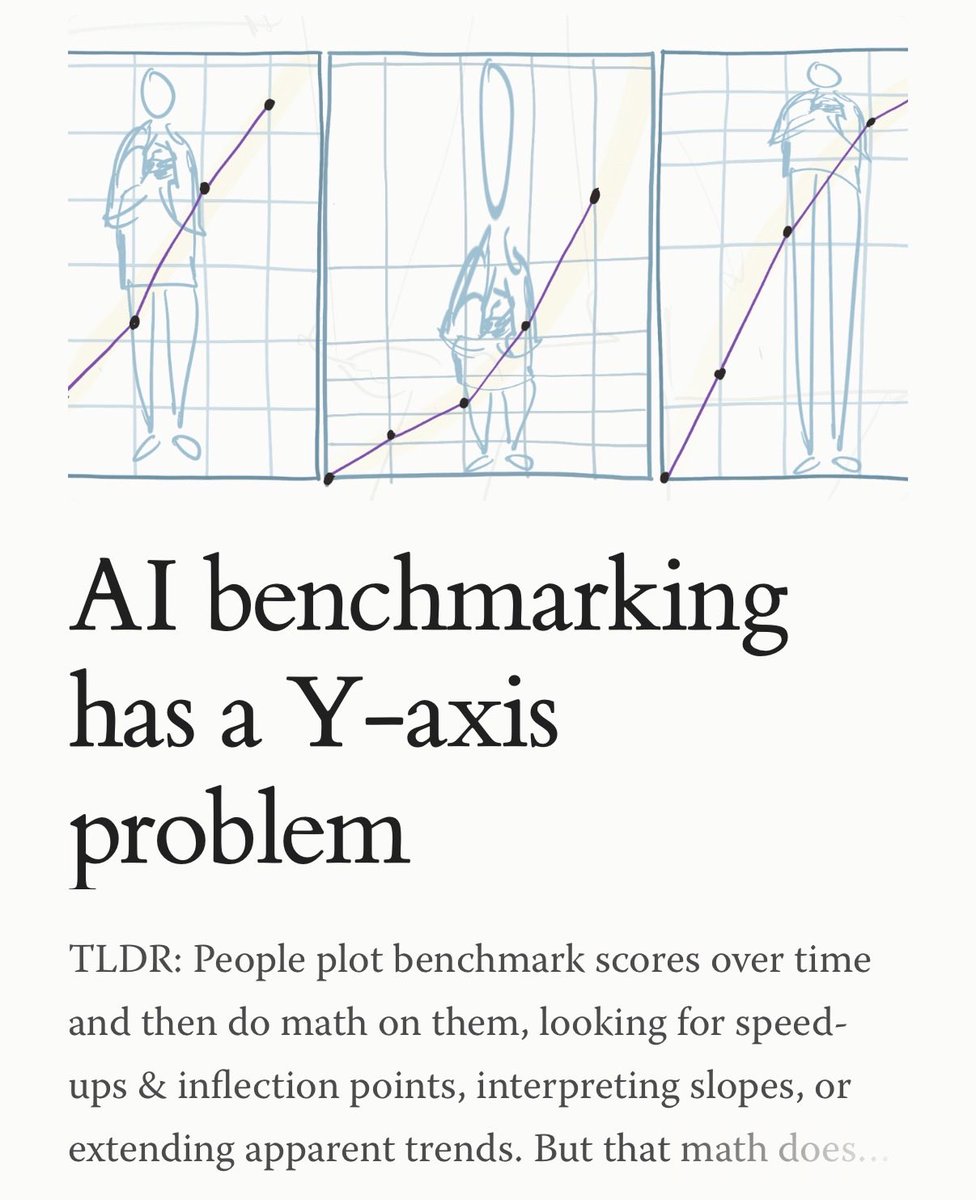
Benchmarks can’t tell us as much about AI progress as we want them to — if only because most have pretty fake units.
Recent post on the “Y-axis problem”, what to use instead (& when), etc:
When you do look at benchmarks, mind the Y-axis! I.e.:
- Check the units first (what does 80% mean? …)
- Or just assume “squishy” units & treat benchmarks as ~convenient samples of useful milestones
(i.e. no looking for inflection points, talk of “% of the way to AGI” etc)