Claude just broke through on reasoning benchmarks (+18% on chain-of-thought reasoning tasks).
@AnthropicAI published the benchmarks. This is real.
Here’s why it matters for Web3: it potentially shifts RWA economics.
Let me explain the mechanism.
➠ The RWA bottleneck:
Real-world assets are locked out of blockchain because onboarding is expensive and slow.
Typical RWA issuance requires:
• Legal review (days)
• Asset appraisal (days)
• Risk assessment (days)
• Compliance review (days)
• Contract generation (days)
Total: multiple weeks and significant labor costs.
Only large assets make economic sense to tokenize. Smaller ones are excluded.
Current RWA TVL is around $10-15 billion. Total real estate market is $300+ trillion.
➠ What better reasoning could do:
Claude’s improved reasoning lets it handle multi-step logic independently and show its work.
Applied to RWA, this could reduce:
Step 1 (Legal analysis): Lawyer reads documents (days, $3-5k) → Claude extracts risks + human validates (hours, <$500)
Step 2 (Valuation): Appraiser analyzes comparables (days, $2-3k) → Claude analyzes data + human validates (hours, <$500)
Step 3 (Risk modeling): Analyst scores manually (days, $3-5k) → Claude identifies patterns + human validates (hours, <$300)
AI handles bulk work; humans validate edge cases. Not replacement, automation of repetitive parts.
➠ Potential market impact:
If AI cuts per-asset onboarding costs 80-90%, smaller assets become viable. This could expand the addressable market significantly.
Not guaranteed, but the mechanism is sound.
➠ Realities to consider:
1. Claude’s +18% is real but contextual; applies to specific benchmarks, not 100% accuracy on unique cases. Edge cases still need experts.
2. RWA issuance is regulated. AI speeds analysis, but regulation, custody, and insurance remain and don’t scale down automatically.
3. Adoption isn’t automatic. Tech improves, yet markets move slowly. Need regulatory clarity, custody/insurance solutions, and demand.
➠ What matters for Web3 builders:
If building RWA infrastructure, the question is not “will AI replace work?” but “will AI improve unit economics enough to unlock new asset classes?”
Watch this over the next 12-18 months. Platforms using AI-assisted analysis will compete differently on speed and cost.
➠ What happens next:
Real platforms (Centrifuge, Ondo, Maple) already use automation. Watch for announcements on faster issuance if they integrate reasoning AI.
THE BLOCK THEORY 🧱
This is my entry for the Battle of ziggurat for @ZARGATES
All images and videos were done with @OiiOii_Official @OiiOii_AI and it took me 7-8 hours to perfect this
I know it’s not much but I’m putting this out.
Kindly support if you like it
Well this is just like the produced image
Tagging my ai chads @timikareem@chyderaweb3@TeeLaCream1@ImozemhePeniel@DejiBigBag
Kindly load in 1080p for better visual
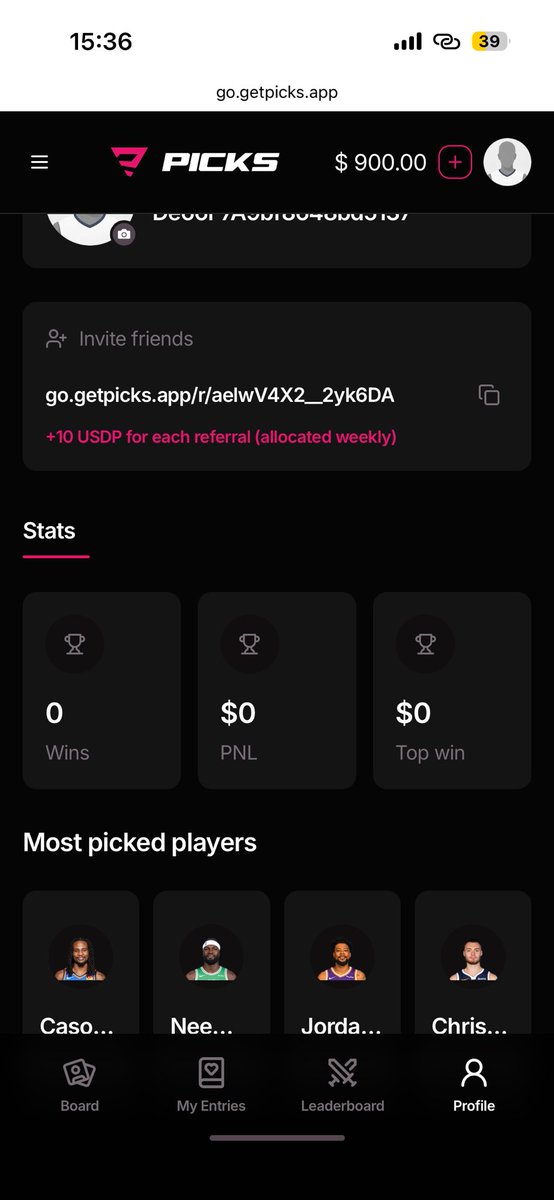
Most sports prop apps are the same product with different logos. @PicksdotApp is not that.
Been on it today and here is what stood out:
The sport coverage is genuinely multi-vertical. NBA props, La Liga, DFB Pokal, and Tennis all on the same board. You can mix Cason Wallace's points line with Alexis Sanchez's goals prop in the same 5-pick Max Play. That kind of cross-sport flexibility is rare in this format.
The community activity tells you the product has pull. Levante vs Sevilla alone had 287 picks placed on it during beta, with no real money involved. That is organic engagement on a pre-launch product.
There is a daily lineup that resets every 24 hours, a streak system with milestones at Day 3, 7, 14, and 21, and a leaderboard tied to your wallet address. That last detail matters: your beta rank carries over to the real money launch.
The UI is clean, fast, and dark. Took me under 2 minutes to understand the full product.
Currently sitting at rank 4305. Early days.
Beta is live now. Free credits, no real funds.
https://t.co/35K0mx56QI
Join with the link above
#picks
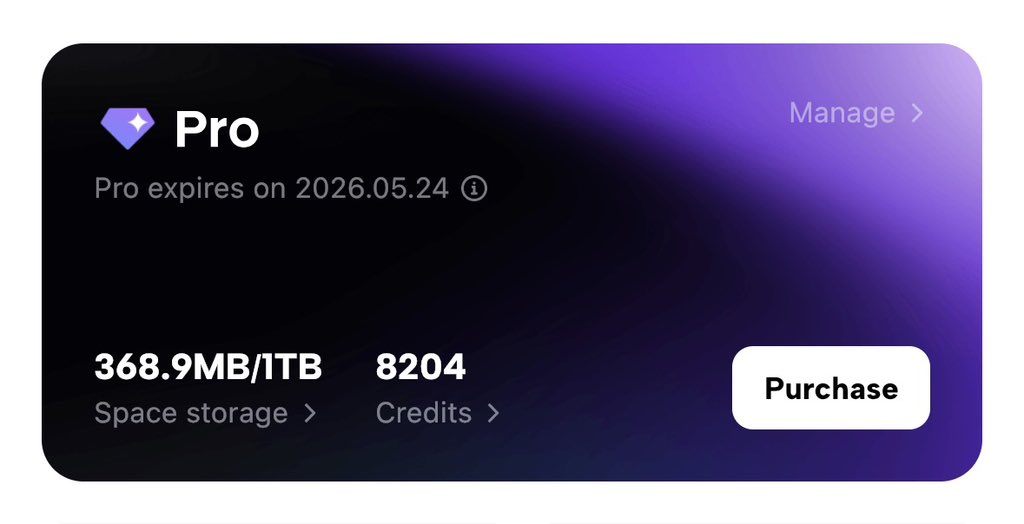
Thanks to @WonderStudiosX x @capcutapp
I got 8000 credits to play around and create more exclusive content
Will be cooking with seedance 2.0 on CapCut @capcut
Most founders talk about disrupting finance.
@DanyelArenas went ahead and built the disruption, then figured out the blockchain part later.
Before a token existed. Before a testnet went live.
He was already operating inside the $7.5 trillion daily global FX market, running a live institutional business.
KIIEX was not sketched out in a pitch room. It was built from direct exposure to how broken cross-border FX actually is:
❖ Slow to settle
❖ Riddled with middlemen
❖ Operating on access windows that have not meaningfully changed since the 1970s
That backstory is what separates this from every other L1 narrative.
➠ The Problem Is Structural
Over 1.3 billion people across emerging markets cannot access global financial products today.
Not from lack of demand. From lack of infrastructure designed to serve them.
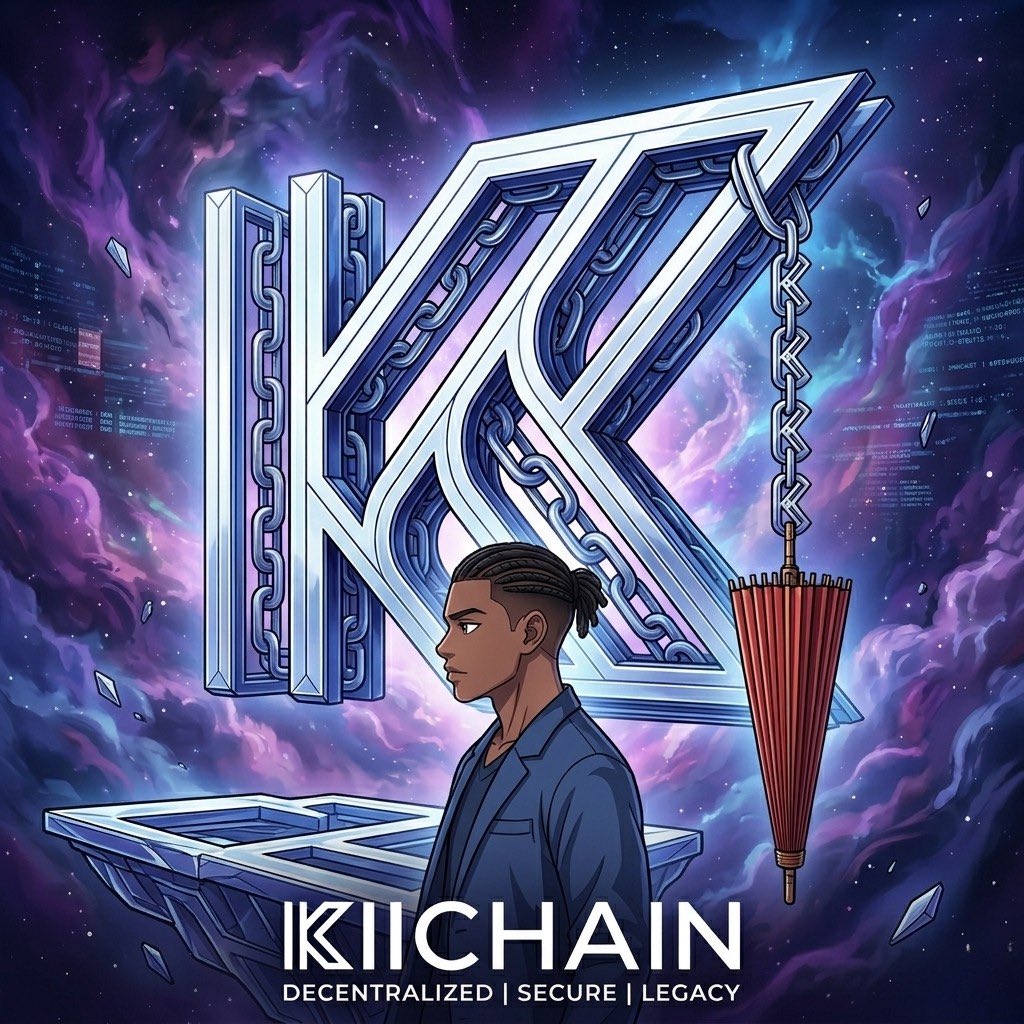
@KiiChainio was purposely built to close that gap.
A specialized L1 on Cosmos SDK with full EVM compatibility, engineered from the ground up for:
❖ Around-the-clock FX settlement
❖ Real-world asset liquidity
❖ Connectivity across 100+ blockchain networks
➠ KIIEX: The Commercial Engine
KIIEX is the product sitting at the center of everything.
A hybrid platform combining institutional grade pricing with on-chain execution, keeping currency pairs liquid and tradeable at hours when traditional markets have already shut their doors.
What used to require correspondent banking relationships and multi-day settlement windows now moves in near real time.
➠ The Traction Speaks Before The Token Does
❖ $300M+ in processed volume
❖ 200+ enterprise clients
❖ 350K+ ecosystem users
❖ $26M raised from institutional backers
❖ $5.4B in assets committed for on-chain tokenization
This business was already active before the token was ever introduced.
➠ The Economic Engine
Every transaction through KIIEX generates real revenue.
That revenue flows back into the network, funding validator rewards and creating consistent buying pressure on the token.
> A stronger network attracts more usage.
> More usage generates more revenue.
The cycle sustains itself without manufactured incentives.
➠ The Macro Timing Is Not Accidental
❖ Stablecoins are reaching mainstream adoption
❖ Regulatory frameworks around digital assets are taking shape globally
❖ AI-driven economies are demanding financial systems that operate without interruption
Legacy infrastructure was never designed to deliver any of this.
KiiChain was.
➠ The Token Structure
❖ Hard capped at 1.8 billion; no new supply possible.
❖ 72% directed to the community.
❖ Vesting schedules built around ecosystem growth, not exit timelines.
➠ The Moment
Testnet Oro Season 2 is the final chapter before mainnet.
The Public Sale opens immediately after.
What @DanyelArenas started from an OTC desk has been running long before most people heard the name.
The token is not the launch.
It is the public chapter of something that has been quietly operating all along.
Watched a token 3x on Base while my capital was sitting on Solana.
Didn’t bridge in time. Told myself I’d catch the next one.
Another day, had a clean exit lined up on ETH. Went to pull the trigger and I was short on gas. Not short on conviction. Not wrong on the trade. Just didn’t have $3 worth of ETH sitting there at that exact moment. Position ran against me before I sorted it out.
Then there’s the quieter version of this pain. Skipping plays entirely because the chain feels like a hassle. Seeing a BNB runner, knowing it’s real, and just not wanting to deal with moving funds over. That one doesn’t show up in your loss column but it’s still money you didn’t make.
You can have a sharp eye for plays and still underperform because your setup is fighting you.
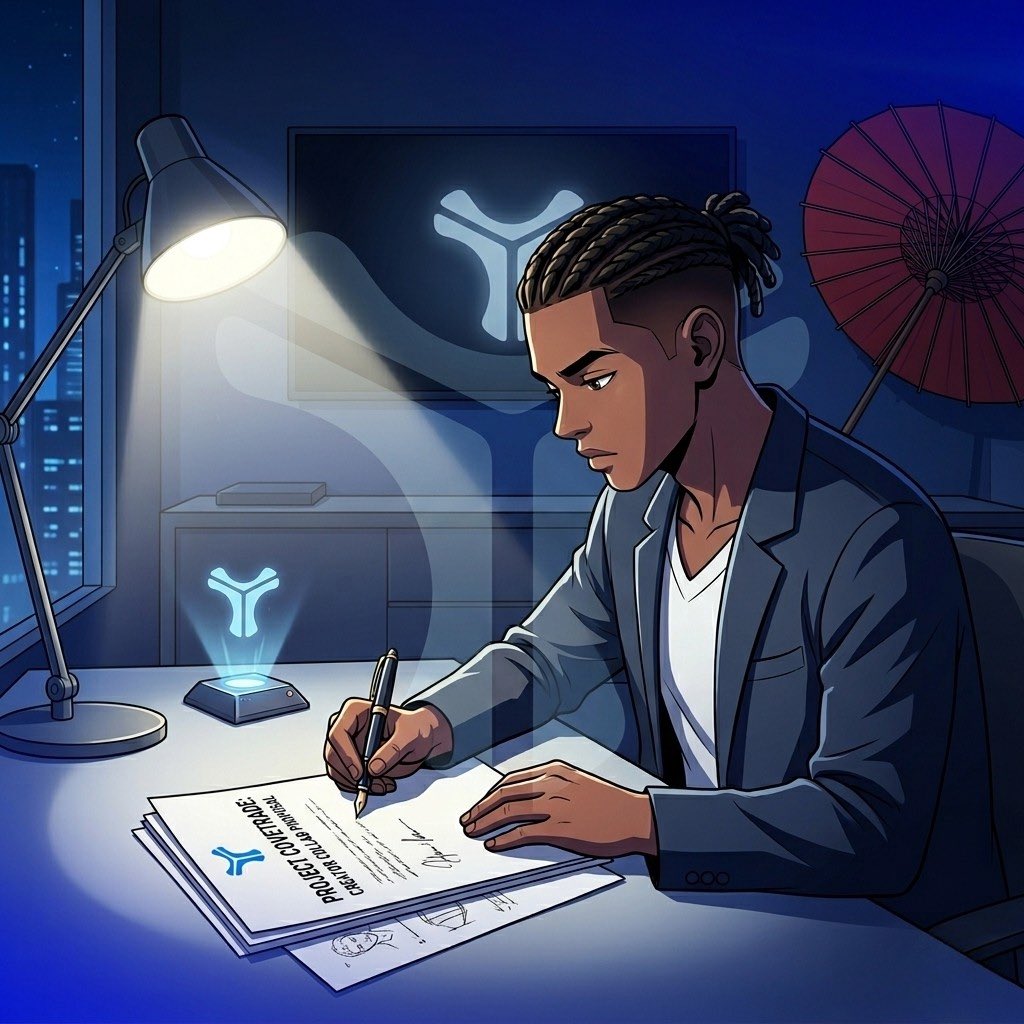
Moved my main flow to @covetrade. One USDC balance covers everything. SOL, ETH, Base, BNB, MegaETH. I see a token, I buy it. No chain check, no gas top-up, no bridge. Cove handles all of that in the background without touching my speed.
Positions across every chain sit in one place. PnL in straight USDC. Nothing scattered, nothing stranded.
The trades I used to skip, I’m making now. That alone covers the switch.
X% off fees with my link. Gas is on them.
https://t.co/bVveDlY2UV
The emerald market is a $3B+ industry with zero standardized pricing.
No public price feeds.
No liquidity infrastructure.
Just private dealers setting rates in the dark.
EMRL.D is the first attempt to fix that at a structural level:
The setup:
> $50M in institutionally certified, graded emeralds vaulted across Hong Kong and Madrid
> NAV-based valuation model, the token price has a mathematical floor, not a sentiment floor
> Staking yields funded by actual gemstone sales, not newly minted supply
> 120-day buyback cycle tied directly to real emerald cash flows
That last point is what separates this from most RWA plays. The yield source is verifiable. It traces back to a physical transaction, not a treasury allocation or printed incentives.
Real-world asset tokenization only works when the “real-world” part is auditable and the asset class has genuine demand. Emeralds check both boxes.
Worth understanding before the broader market figures it out.
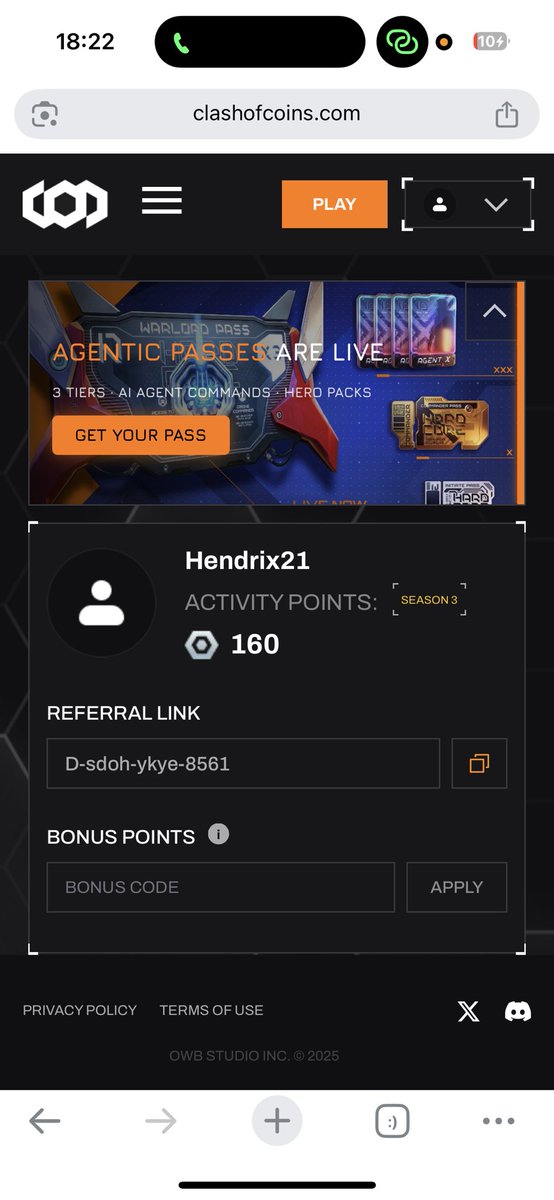
@clashofcoins has been running as a live MMORPG since 2022; 500K+ players, 35K daily active. Not a whitepaper. Not a roadmap. An actual game people are playing every day, and currently the #1 app on Base.
They just dropped their Agentic Passes pre-sale and the concept is genuinely interesting; you don’t play directly.
You command a squad of 4 AI Heroes, set strategy, and send them into a battle royale. Last squad standing. There’s a $5M+ prize pool tournament launching with it.
Passes start at $10 and come with a +20% resource boost across the entire game, main mode included, not just the new Agentic Mode. So you’re getting value from day one, before the tournament even kicks off.
Three tiers depending on how deep you want to go. Pre-sale runs 14 days and prices step up every few days; 40% off through March 27, then it gets more expensive from there.
If you’re already in the Base ecosystem or just curious about where AI x gaming is heading, worth a look.
I’ve gotten my hands on my pass too
👇 My referral link below; gets you straight to the pre-sale.
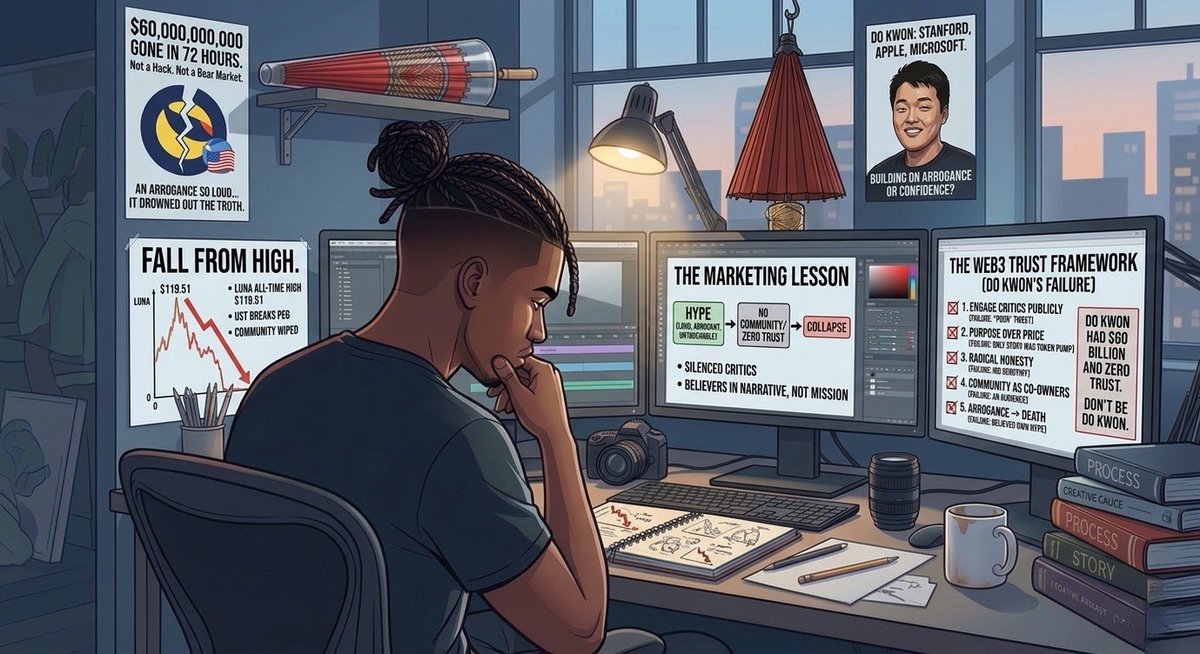
$60,000,000,000.
Gone in 72 hours.
Not a hack. Not a bear market.
An arrogance so loud it drowned out the truth; until there was nothing left.
Do Kwon graduated from Stanford. Worked at Apple. Worked at Microsoft.
In 2018 he walked away from all of it to build Terraform Labs; a decentralized financial ecosystem he believed would change the world.
For a while, it looked like he was right.
➠ By April 2022, LUNA soared to an all-time high of $119.51. The Terra ecosystem hit a staggering $60 billion valuation.
➠ His platform was hosting thousands of decentralized applications.
➠ His Anchor protocol was offering a mind-boggling 20% annual yield on deposits. Investors were calling it the future of finance.
And Do Kwon? He was calling his critics poor.
Literally.
“I don’t debate the poor on Twitter,” he said after a British economist questioned the design of UST. When Interpol issued a red notice for his arrest months later, he taunted the news on Twitter saying he was writing code in his living room.
╰┈➤ This is what happens when a founder mistakes hype for trust.
Beginning May 9, 2022, UST started to break its peg to the US dollar. Over the next week LUNA fell from an all-time high of $119.51 to virtually zero; wiping out almost $45 billion in market capitalization in one week.
The contagion spread. Celsius Network froze withdrawals and filed for bankruptcy. Three Arrows Capital collapsed. The broader crypto market entered a prolonged bear market that saw Bitcoin fall from $47,000 to below $16,000.
Hundreds of thousands of people lost their life savings.
In South Korea, an investor who lost everything knocked on Kwon’s door demanding an apology. Kwon’s family was placed under police protection.
He fled to Serbia on a private jet. Then Montenegro. He was eventually arrested attempting to board a flight to Dubai with a fake passport.
Do Kwon was sentenced to 15 years in federal prison. The judge called it “fraud on an epic, generational scale.”
╰┈➤ Here’s the marketing lesson nobody is extracting from this story:
Do Kwon wasn’t quiet. He wasn’t invisible. He was everywhere; loud, arrogant, untouchable.
But loud is not the same as trusted.
He built a following. He never built a community. He built believers in a narrative. He never built believers in a mission. He silenced critics instead of engaging them. And when the product cracked; there was no trust foundation to hold it together.
╰┈➤ Here’s what actually keeps a Web3 community standing when everything is on fire:
1.Engage your critics publicly; grace under pressure is your greatest trust signal
2.Never let your token price be your only story; purpose outlasts every pump
3.Radical honesty before radical marketing; if it can’t survive scrutiny, it can’t survive a crisis
4.Your community is not your audience; they are your co-owners. Treat them that way.
5.Arrogance is a marketing strategy that only works until it doesn’t; and when it stops working, it takes everything with it.
The most dangerous moment in any Web3 project is not the bear market.
It’s the moment the founder starts believing their own hype.
Do Kwon had $60 billion and zero trust.
Don’t be Do Kwon.
Build something people believe in; not because you told them to. Because you showed them why.
♻️ Repost this. Someone in your network is building on arrogance right now and calling it confidence.
Powered By THE BLOCK EFFECT