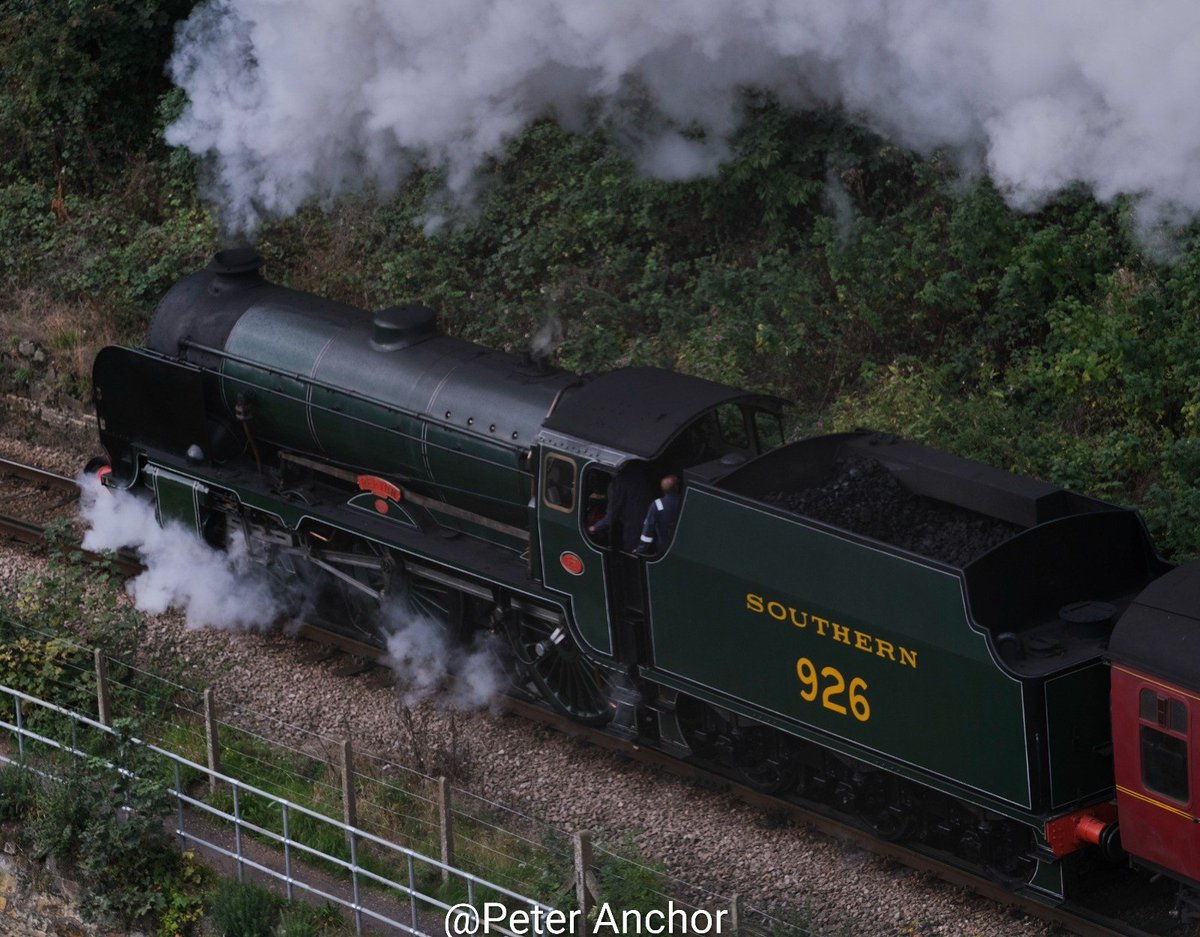
Guys if you have seen
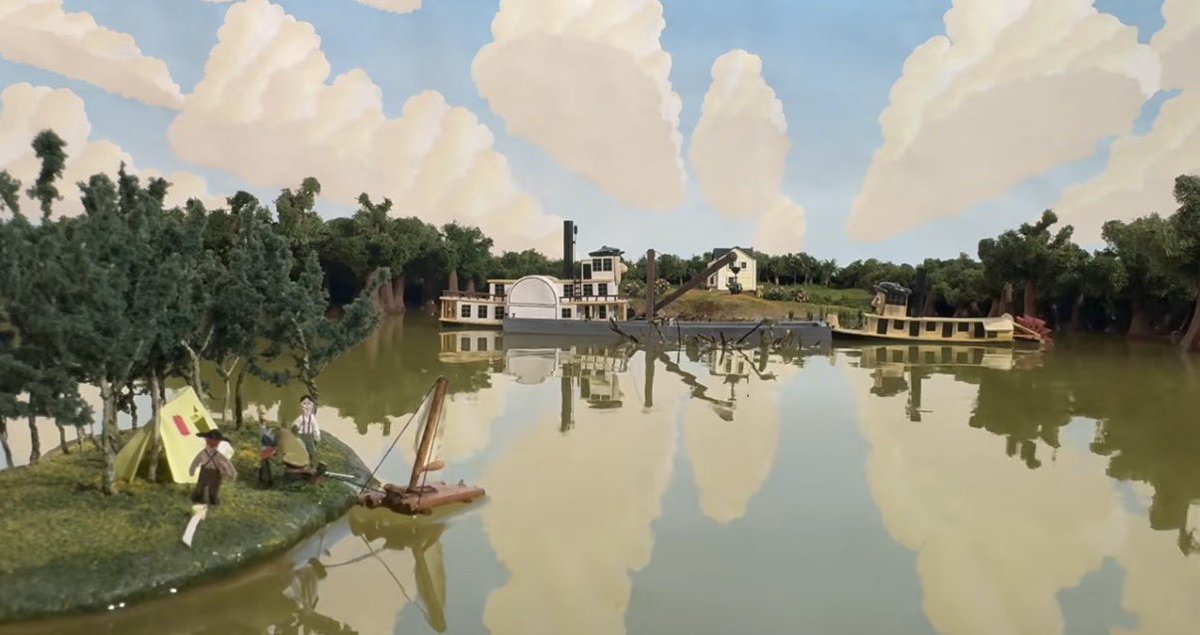
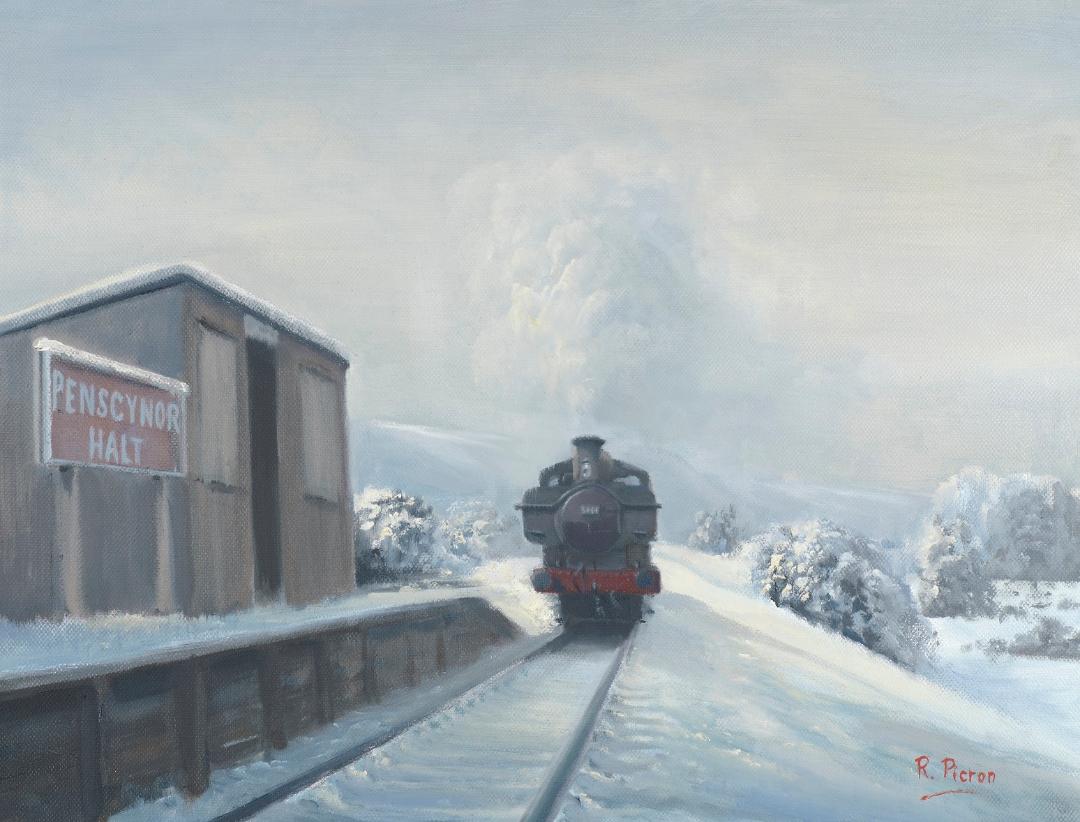
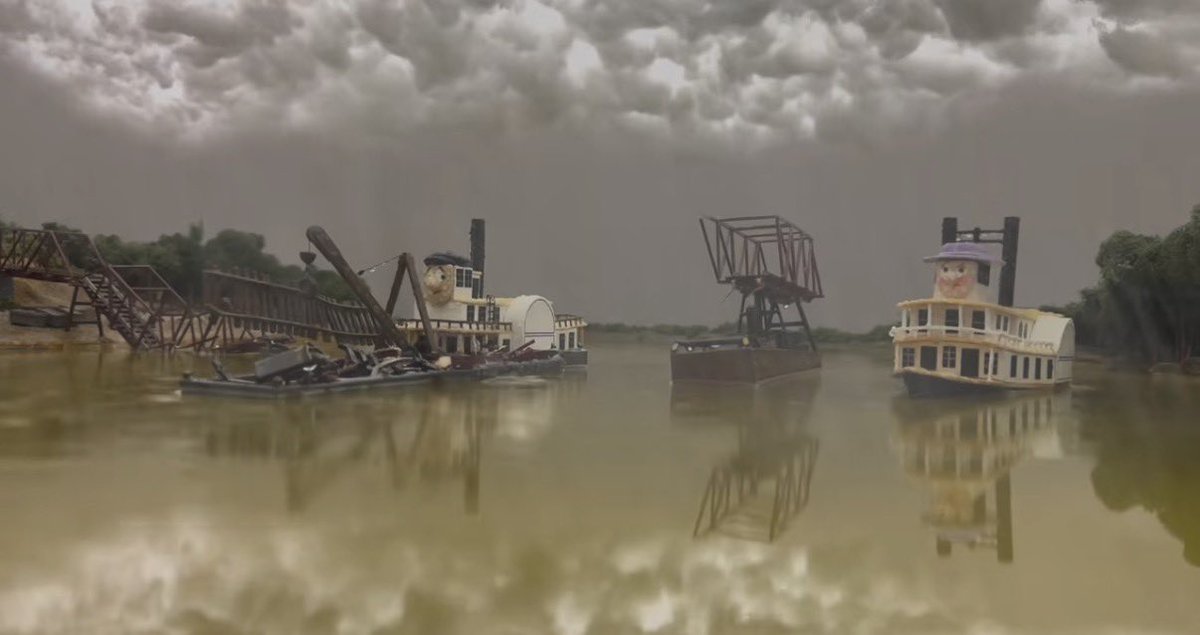
“Tales O’ The River”
Made by Purewater Pictures on YouTube
PLS GO GIVE IT A WATCH!!!
It is genuinely such a beautiful video
https://t.co/RN7P9waSuU
Sodor Roadways™ is a lesser known part of the North Western Railways business. They provide freight haulage & bus services across Sodor to places the engines can't go.
Without the buses the Islands residents wouldn't be able to get to the stations!
The Awdry Thomas Books and their relationship with the railways. Perhaps sometimes ignored or dismissed as mere children's stories, the Thomas books were often the germinating seed for a lifelong interest in all things rail. Thomas days are also an important source of income for preservation groups, but the current owner of the brands charges must sting; I doubt the good Reverend would approve.
Thomas and the GER/LNER.
The LNER wasn’t the only real-world railway included in Rev. Wilbert Awdry’s Railway Series, but it left a clear and lasting mark, specifically considering the look of the very first Thomas toy, the character of Gordon, Toby, and some later stories about steam’s decline. Awdry was a lifelong enthusiast who mixed prototypes and incidents from all the Big Four companies and their pre-Grouping predecessors to keep the books technically accurate. LNER’s Gresley designs and East Coast heritage supplied some of the most iconic “personalities.”
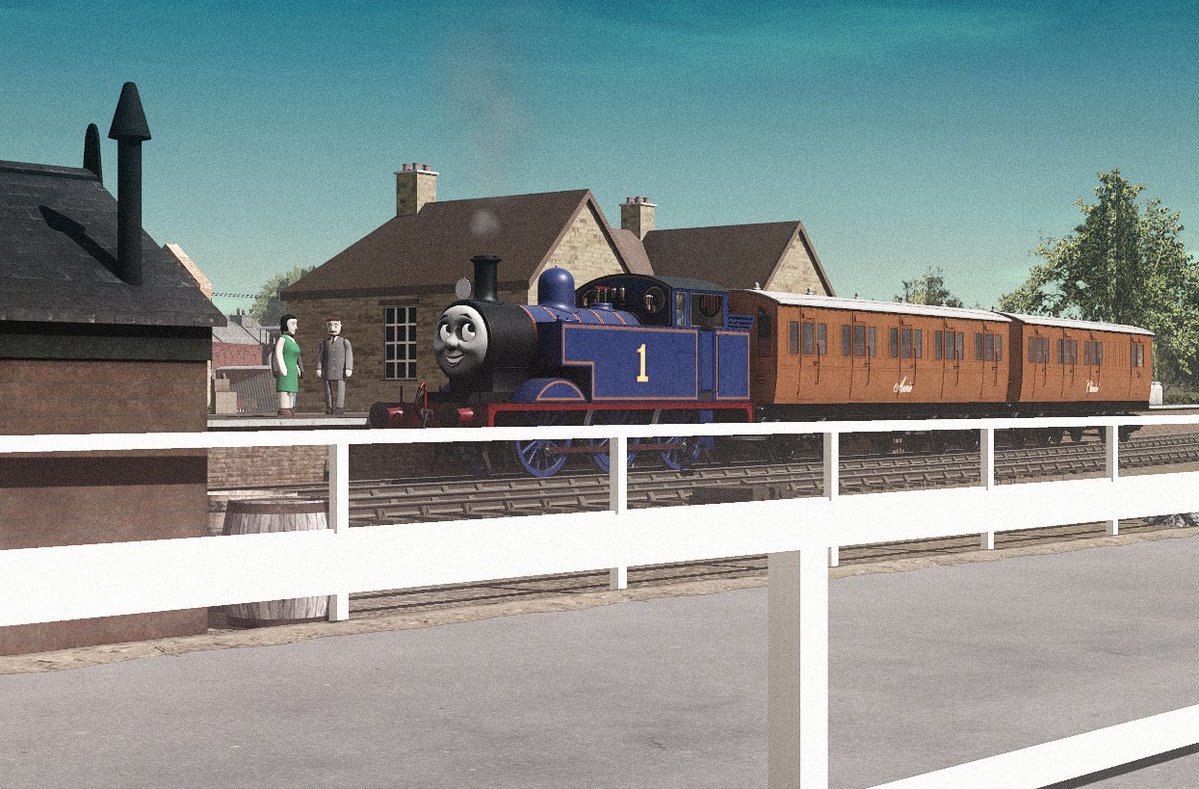
In 1942–43, when the Rev's son, Christopher Awdry, had measles, his father built a simple wooden push-along tank engine from a broomstick and bits and bobs. It looked like an LNER J50 0-6-0T, a Gresley design used for suburban and shunting work, with many inherited from the GNR, with smaller tanks, painted blue with “NW” on the sides. Christopher named it Thomas. That homemade model is the true origin of the character.
When the stories were published, illustrator Reginald Payne drew Thomas as an LB&SCR E2 0-6-0T instead, and Awdry accepted that as the official prototype. The original wooden J50-style model was later lost in the US. Awdry’s later working models of Thomas used commercial chassis, including a Hornby E2 he modified himself.
Gordon is the strongest and most explicit LNER connection. In Awdry’s own lore (The Island of Sodor: Its People, History and Railways), Gordon was built at Doncaster as an experimental prototype for Nigel Gresley’s A1 Pacific design for the GNR. He had teething troubles, was kept “hush-hush,” never receiving a GNR number, and was sold to the North Western Railway in 1923 once the production A1s, which were later rebuilt as A3s, were in service. He came with a spare boiler. A later rebuild at Crewe mixed Gresley and Stanier features.
This made Gordon the proud, slightly snobbish express engine, which was perfect for stories about hierarchy, reliability, and “proper” work. In Enterprising Engines, published in 1968, Gordon worries about the fate of his “Doncaster brothers” as steam is withdrawn on British Rail. The Fat Controller arranges a visit from the last surviving A3, the real Flying Scotsman, LNER 4472 / BR 60103, Gordon’s brother. Awdry himself rode on Flying Scotsman’s 1968 non-stop King’s Cross–Edinburgh run. The story is both a reunion and a quiet comment on preservation versus modernisation.
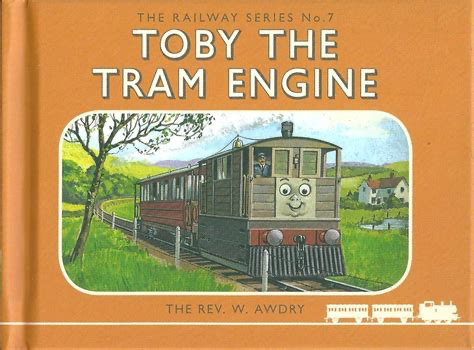
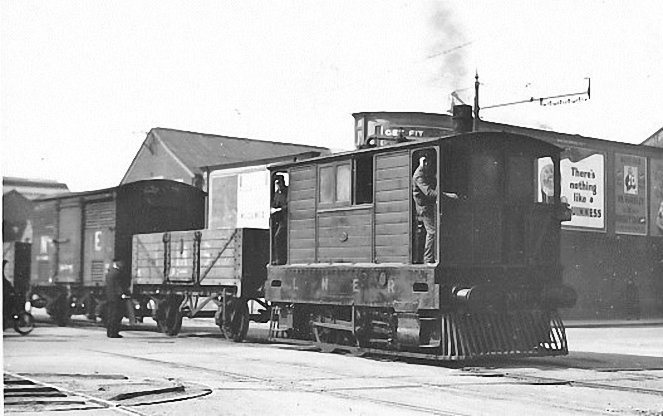
Toby the Tram Engine is based on the LNER J70 steam tram, which was originally the GER C53, the distinctive cow-catcher and side-skirted engines that worked the Wisbech & Upwell and around various docks on GE territory. Awdry spotted one while on holiday in Yarmouth. He later lived as vicar of Emneth in Norfolk (1953–65), right in former GER territory and near W&U tramway.
Edward is officially a rebuilt Furness Railway “Larger Seagull” 4-4-0, but some of Awdry’s models and commercial interpretations used an LNER D49 4-4-0, Gresley’s “Hunt/Shire” class, with a taller chimney. Early illustrations of Henry made him look like a Gresley A1 Pacific; Awdry hadn’t intended that, and later “rebuilt” him as an LMS Stanier Black Five after the Flying Kipper accident to fix the inconsistency.
Awdry sourced many plots from real incidents reported in the Railway Gazette and similar papers, so LNER events, along with those from the other companies, filtered in. After nationalisation, the former LNER became BR’s Eastern Region; the rapid withdrawal of Gresley Pacifics and other steam classes in the 1960s gave Awdry material for stories about pride, obsolescence, and the value of keeping steam useful. Sodor’s North Western Railway is presented as an independent company that absorbed engines from various pre-Grouping and Big Four origins, with the LNER stock simply providing some of the most distinctive and photogenic examples.
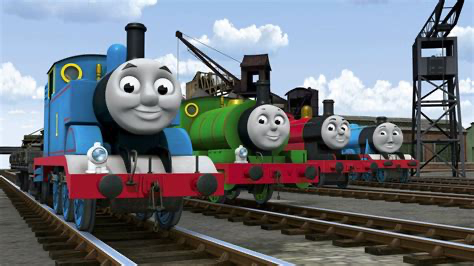
Thomas was, and is, the very definition of a Useful Engine
GNR 215, the original Thomas
GER C53
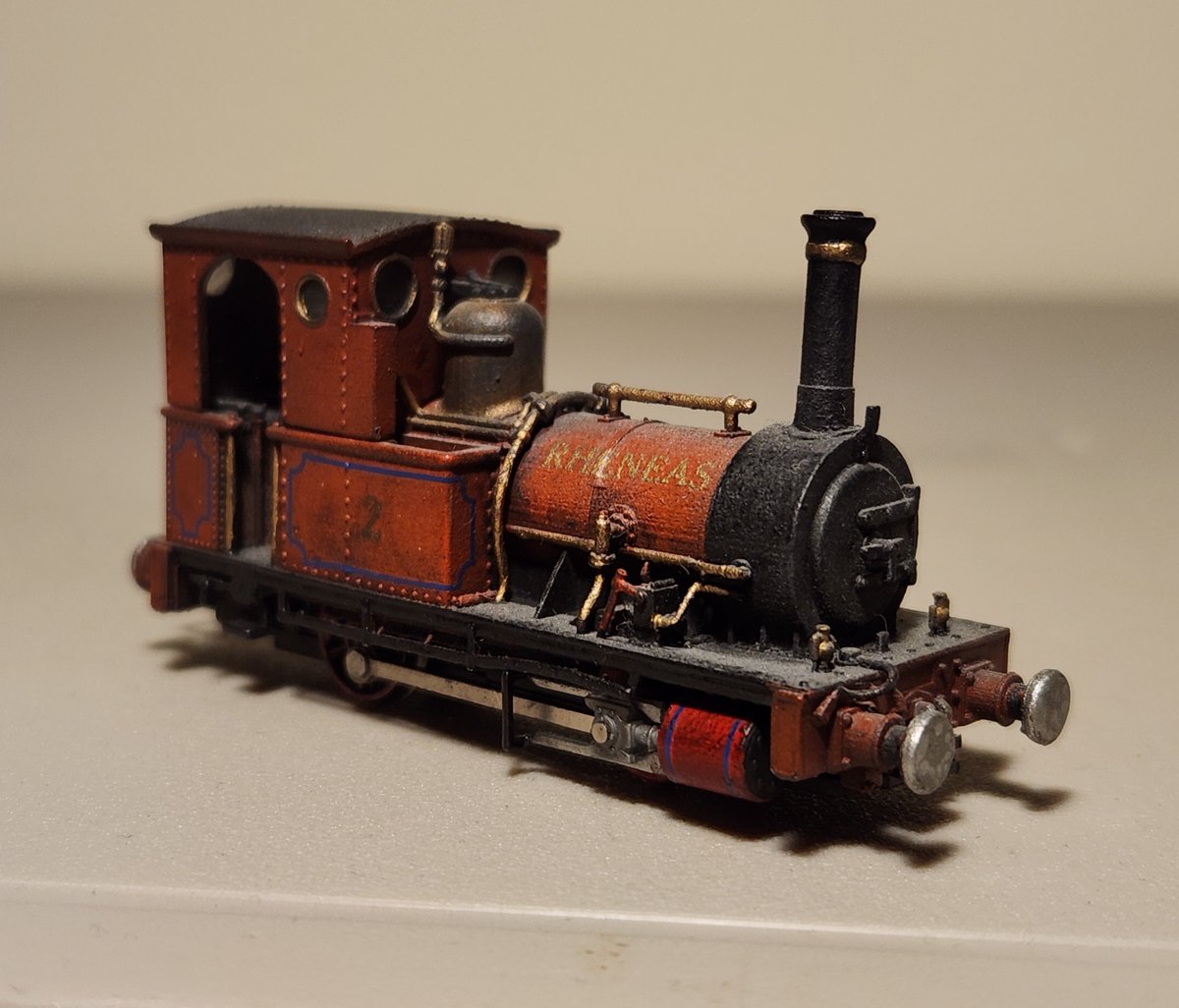
"All the little engines were at the wharf on the day that Rheneas came home!"
The Summer of Sludge concludes at last with my model of Rheneas, sporting his "Very Old Engines" look!
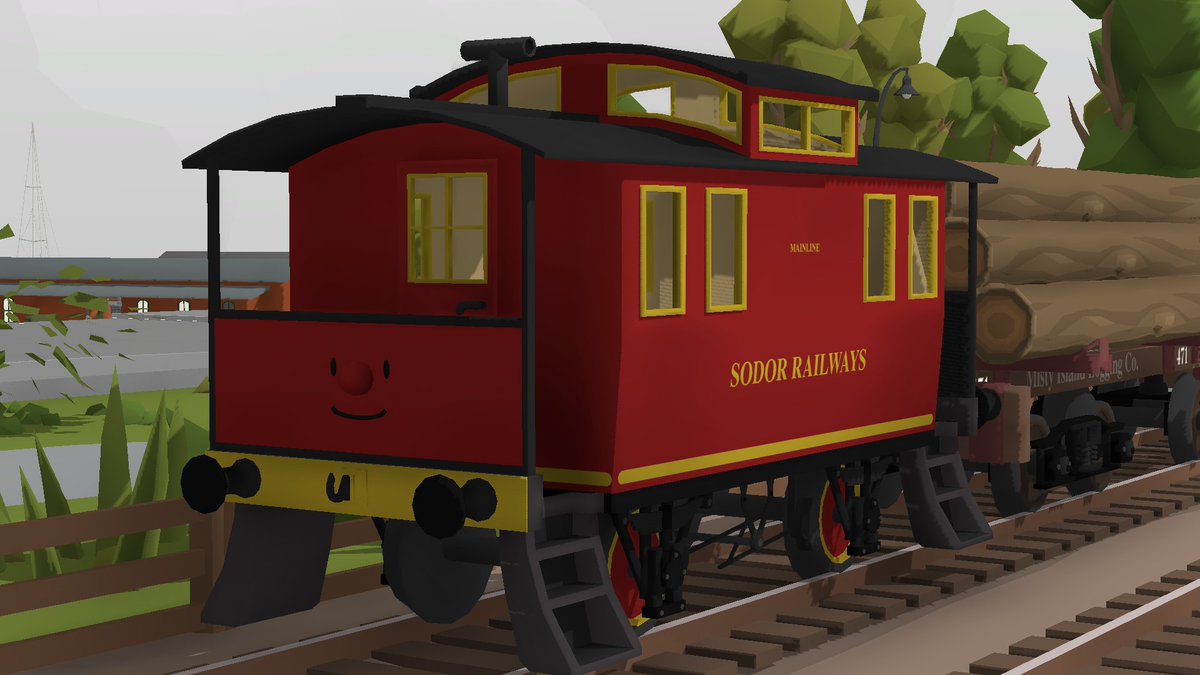
Last night I got incredibly bored, so for a bit of fun, I decided to create the scene where George drops a boulder in front of Spologe.
This was whipped together in about 1hr 30m, so the editing is rather rough but I still think it looks good.
#magicrailroad#ThomasandFriends