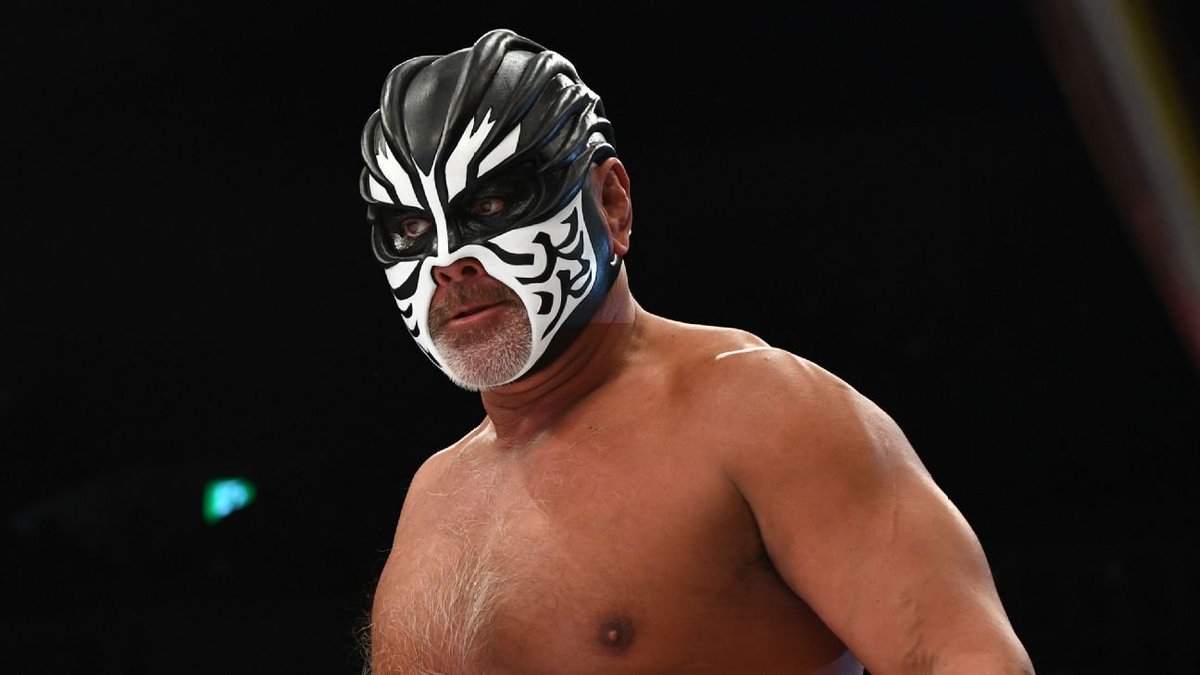
Keiji Muto is signing WWE action figures from his living room and calling it "printing money" and that's just the opening chapter of one of the most candid interviews about the Japanese wrestling industry you'll read.
Speaking to Weekly Bunshun, Muto covered everything from Great Muta royalties to why second-generation wrestlers never break through in Japan... and why he was born 30 years too early.
On his continued American popularity from just one year of active Muta work in 1989: "I think a big reason is that my old match footage is used at the NXT Performance Center as educational material for young wrestlers."
He watched his own old matches back recently and came to a firm conclusion: "If I were young right now, I'd be making a fortune in the U.S." His one regret? "If I could live my life over, I'd make sure to study English properly as a kid. That's the single biggest hurdle for Japanese wrestlers."
His WrestleMania observations cut to the heart of the cultural divide. Watching this year's show, he noticed Rikishi's twin sons, Rikishi's nephew Jacob Fatu, Ric Flair's daughter, Rick Steiner's son, Dusty Rhodes' son and Bob Orton's son all featured across two nights. "In Japan, the narrative around second-generation talent is always centred on 'surpassing the father.' But over there, it's viewed as carrying on a family tradition, so being a second-generation wrestler works in your favour. In Japan, it works against you."
His conclusion: "Second-generation wrestlers in Japan almost never break out. That's been the case ever since Rikidozan II."
On the Japanese training system, he was equally cutting. The infamous 3,000 daily squats weren't a method - they were a symptom: "When rookies were forced to do 3,000 squats a day, it was largely because the trainers themselves didn't actually know what or how to teach." Bump drills designed to prevent injury were being used to cause them: "The means and the end got completely reversed."
His vision for the future was provocative: offer elite salaries to wrestlers in their 20s, let them go free agent at 35 and head overseas on their own terms. "Young people nowadays choose careers based on compensation. Let them earn well while they are young, and once they build their reputation and skill, they can use their own leverage." His broader warning was clear: "In any form of entertainment, if you don't draw in a younger audience, your future is grim."
What do you think of his words?🤔