Where do u even begin to unpack this? A glimmer of freedom. Then the realisation of eternal pain & suffering. 😩 Kieran Culkin just take all the Emmys #Succession#Roman
A lot of it is explained by his neurodiversity. In his attitude & design, he’s shown clear signs of autism, & he’s an aggressively wilful contrarian. Someone that will say chalk when everyone else says cheese - for the sake of doing so. He doesn’t process consequences that well. So he finds himself rightly criticised for saying awful things that he genuinely does not believe. He just says them because he’s autistic and thinks someone should always be saying the opposite, without weighing the cost. So we know his heart is not really behind the awful shit he comes out with from time to time, and that he is not a well man, in terms of mental health. That’s the challenge of being who he is. The strength of being who he is, is the art he produces, which at several points, has been untouchable. And that is why he’s still loved. Hate the sin, love the sinner.
When a man you don't even know is convicted of raping / sexually assaulting several women by a jury and your first instinct is to rush out to defend him online, you are telling the world exactly who you are
I find it amazing that gammons/flag shaggers/patriots etc get themselves in a tizzy and chomp at the bit to “protect are women” from rapists that aren’t white. Yet when someone high profile and white gets convicted they scramble en masse to defend them.
Ten million people have watched a comedian accidentally destroy the entire TED talk industry.
He filmed the talk once at TEDxNewYork in 2014 and openly admitted he had nothing to say.
Speaking coaches charge $5,000 to teach the exact tricks he used in 6 minutes to say nothing at all.
His name is Will Stephen. He is a comedian from Late Night with Seth Meyers who was invited to give a real TED talk and used it to prove the format is a costume anyone can wear.
Every TED speaker opens with a question, tells a personal story, cites a scientist, and shows a chart. Stephen did all four in six minutes with zero content.
His entire formula fits on a napkin.
Gesture with both hands. Ask the audience a question anyone can answer. Tell a mildly embarrassing story so they say aww. Point to a stranger on a slide and call them important. Flash a chart of random numbers. Wear glasses with no lenses. The audience will think you are brilliant.
That last trick alone has probably cost the public speaking coaching industry a hundred million dollars in sessions clients should have skipped.
"If you watched me on YouTube with the sound off, you would think I was a genius."
That is Will Stephen on the TED stage, three minutes into the talk he was paid to give. He wasn't lying.
Executives pay $15,000 for a keynote coach and still open with a joke the room never laughs at. Founders rehearse their pitch for weeks and still sound like Stephen at minute four, saying "wagga wah, gabba gabba" with authority.
The talk is free on YouTube. The method is written across every TED speaker's playbook for ten years.
Stephen still writes for Seth Meyers. Almost none of the ten million viewers have stopped nodding at empty slides since.
The formula is free. The willingness to actually say something before your next keynote, pitch, or townhall is the entire edge.
@PhelpsieSarah hey. big fan. I don't suppose there's any earthly dimension where i might get to pore over undeveloped Dublin Murders S2 or s3 screenplays? Love ur work
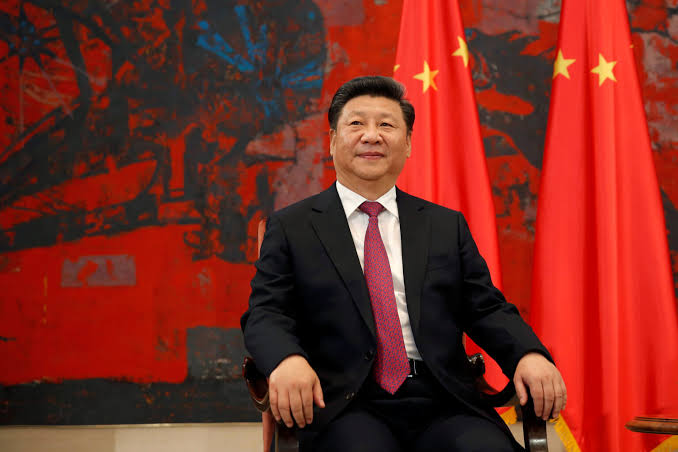
É comum ouvir críticas à China como “não se pode falar mal do presidente”.
Para muitos chineses, essa frase soa muito estranha.
A pergunta que surge automaticamente na cabeça do chines é: “Mas por que alguém criticaria o presidente?”
Para entender essa diferença de visão é preciso observar como funciona a seleção e a progressão de quem chega ao poder na China.
O caminho se parece mais com uma carreira burocrática longa e competitiva do que com a política eleitoral ocidental.
O primeiro passo é a filiação ao Partido Comunista da China (PCC), que constitui a espinha dorsal do poder. O processo é seletivo e demorado: o candidato precisa de recomendação, histórico familiar atestado por membros do partido, pelo menos um ano de acompanhamento com redações e exames políticos e, depois, mais um ano como membro probatório. Ter passado pela Liga da Juventude Comunista ou mesmo ter sido representante de turma no ensino fundamental e médio conta positivamente como indício precoce de liderança.
Além da filiação partidária, o sistema valoriza fortemente a formação técnica. Há uma tradição consolidada de engenheiros e cientistas nas altas esferas — os últimos presidentes, incluindo Xi Jinping, têm formação em engenharia. Antes de assumir cargos de liderança, o quadro precisa demonstrar resultados expressivos em sua atividade profissional.
Ninguém chega ao topo sem antes passar décadas administrando a base. O político inicia em escalas pequenas — um quarteirão, um comitê de rua ou a gestão de uma praça, por exemplo. Nessa função, precisa mostrar excelência concreta: garantir a zeladoria e a infraestrutura (lâmpadas, brinquedos da praça, limpeza), avaliar problemas de segurança e trânsito no entorno e manter contato direto com os moradores, recolhendo reclamações e sugestões. Se cumprir metas de desenvolvimento econômico, redução da pobreza e boa avaliação da população, é promovido.
A partir daí a carreira avança de forma piramidal e geográfica concorrendo com outros iguais. O quadro passa a gerenciar um bairro inteiro, depois um distrito municipal, torna-se prefeito de uma cidade de médio porte e, em seguida, governa províncias com populações maiores que muitos países. Só depois disso disputa espaço nos órgãos centrais em Pequim. Para alcançar o círculo máximo do poder, como o Comitê Permanente do Politburo (apenas sete pessoas), exige-se em geral uma trajetória de 30 a 40 anos de serviços contínuos e bem avaliados.
Esse processo se apoia em eleições indiretas e piramidais. Os cidadãos votam diretamente apenas para os congressos populares locais. Esses representantes elegem os do nível provincial, que por sua vez escolhem os membros da Assembleia Popular Nacional. A Assembleia e os comitês internos do PCC definem os cargos mais altos do Executivo, incluindo o presidente. Ao longo de toda a escalada, as avaliações são frequentes e incluem cumprimento de metas macroeconômicas, pesquisas de opinião e investigação de conduta.
Desse modo, a figura do presidente deixa de ser vista, por grande parte da população, como um político qualquer. Por isso a crítica direta e pública soa, para muitos chineses, menos como um direito natural e mais como algo que precisa de justificativa muito forte.
Diante desse caminho de décadas de resultados comprovados e avaliações constantes, você, se fosse chinês, acharia algo normal falar mal do presidente?
i bet following ian fleming's james bond writing routine is a much better hack for writers than bashing their head against the latest language model for -5% change in productivity